

Mid-market companies are navigating a time of rapid change as digital transformation for mid-market companies becomes crucial in 2026. Disruption and opportunity are accelerating, demanding a fresh approach.
This guide breaks down what digital transformation means for mid-market organizations. You’ll find clear strategies to drive growth, improve efficiency, and build lasting resilience.
We’ll cover the urgency of digital change, the latest trends, common challenges, and a step-by-step roadmap. Discover proven technology choices, effective change management techniques, and ways to measure success.
Ready to turn uncertainty into advantage? Let’s begin your path to digital leadership.
Understanding Digital Transformation for Mid-Market Companies
Digital transformation for mid-market companies is rapidly becoming a defining factor for growth and sustainability. As organizations navigate shifting customer expectations and emerging technologies, understanding what digital transformation truly means is critical. This section unpacks the concept, explores its urgency in 2026, examines unique challenges, highlights key benefits, and addresses common misconceptions—preparing your business for the journey ahead.
What is Digital Transformation?
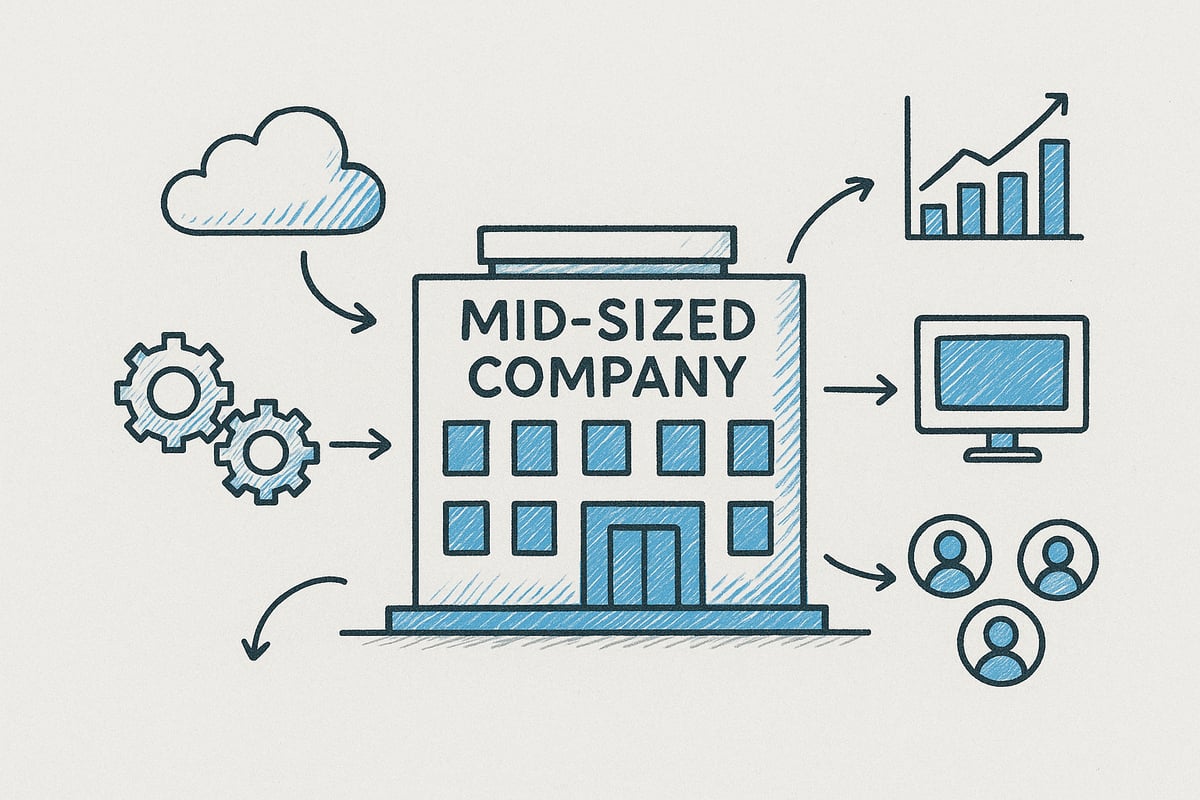
Digital transformation for mid-market companies goes beyond simply adopting new software or digitizing paper records. It is a holistic shift in how organizations operate, deliver value, and adapt to market changes using digital tools. Unlike digitization (converting analog to digital) or digitalization (improving processes with technology), transformation involves reimagining entire business models.
For example, a regional distributor might integrate real-time inventory systems with e-commerce platforms, or a professional services firm could automate client onboarding. These changes reshape workflows, empower employees, and unlock new revenue streams tailored to the unique scale and needs of mid-sized organizations.
Why Digital Transformation Matters in 2026
The pace of change is accelerating, making digital transformation for mid-market companies essential. New digital-native competitors are entering nearly every sector, raising the bar for customer experiences. Clients now expect seamless online interactions, personalized offers, and fast service.
According to industry reports, 60% of mid-market firms plan to increase digital investments by 2026. Regulatory requirements also demand more robust data management and compliance. For deeper insights into how digital transformation creates growth opportunities, see Digital Transformation Creates Middle Market Growth and Opportunity.
Unique Challenges and Opportunities for Mid-Market Firms
Embarking on digital transformation for mid-market companies brings both obstacles and advantages. These businesses often lack the vast resources of large enterprises, making every dollar count. However, their smaller size enables agility—mid-market firms can pivot faster and implement change more quickly.
Common barriers include legacy systems that are costly to upgrade, skills shortages, and limited IT budgets. Yet, many firms turn these obstacles into opportunities. For instance, a manufacturing company may modernize its supply chain with cloud-based solutions, reducing costs and boosting speed to market.
Challenges and Opportunities Table
| Challenge | Opportunity |
|---|---|
| Limited resources | Greater agility |
| Legacy systems | Faster adoption |
| Talent gaps | Focused teams |
Key Benefits of Successful Transformation
Investing in digital transformation for mid-market companies delivers measurable results. Revenue growth is often the most visible outcome, as new digital channels enable access to untapped markets and business models. Operational efficiency rises through automation and streamlined workflows, cutting costs and minimizing errors.
Customer retention and satisfaction improve with personalized, responsive service. Enhanced risk management and easier compliance with regulations further protect the business. These benefits collectively strengthen resilience and position firms for long-term success.
Common Misconceptions and Pitfalls
Some leaders believe digital transformation for mid-market companies is just about buying technology. In reality, success hinges on cultural change, clear strategy, and ongoing leadership. Underestimating the importance of change management often leads to stalled projects.
Another pitfall is assuming that incremental steps are enough. True transformation requires bold, integrated action—small tweaks rarely deliver lasting impact.
Top Digital Transformation Trends Shaping 2026
As 2025 approaches, digital transformation for mid-market companies is accelerating. The landscape is evolving fast, and staying ahead means understanding the trends shaping tomorrow’s competitive edge. Let’s explore the five pivotal forces every organization should prioritize.
AI and Automation Adoption
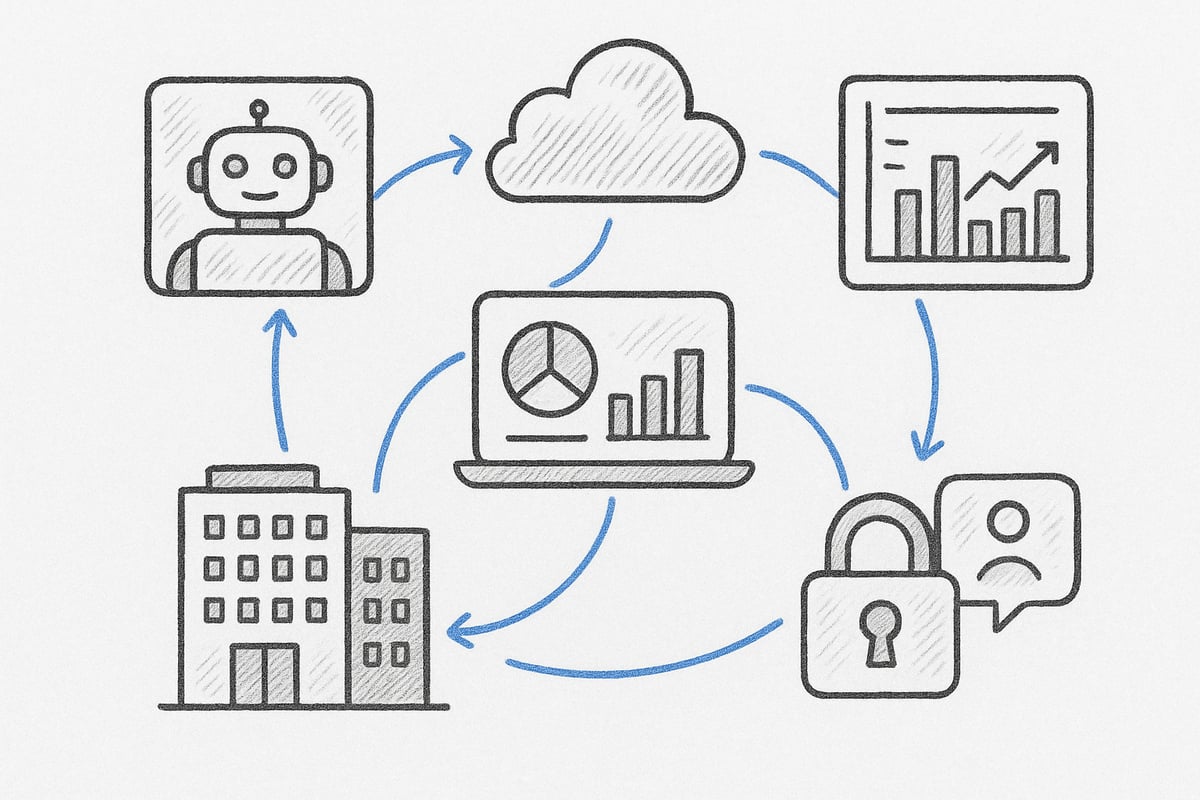
Artificial intelligence and automation are redefining digital transformation for mid-market companies. Forward-thinking firms are leveraging AI to automate workflows, enhance decision-making, and deliver faster customer service.
For example, AI-powered chatbots now handle a large share of customer inquiries, freeing staff to focus on complex tasks. In fact, 72% of mid-market leaders cite AI as a top investment area. To see practical applications, review these AI use cases in mid-size retail.
Adopting these solutions positions organizations to scale efficiently, innovate, and remain resilient in a shifting market.
Cloud Migration and Hybrid IT Strategies
Cloud migration is a core driver of digital transformation for mid-market companies. As firms move from on-premise setups to cloud or hybrid IT models, they unlock new possibilities.
Cloud platforms offer scalability, cost flexibility, and enhanced security. A retailer shifting its ERP to the cloud can adapt quickly to market changes without heavy infrastructure costs.
Hybrid strategies also allow companies to balance legacy needs with modern agility, positioning them to respond to regulatory demands and customer expectations.
Data-Driven Culture and Business Intelligence
A data-driven culture is foundational in digital transformation for mid-market companies. Organizations are investing in real-time analytics and business intelligence to make smarter decisions.
Dashboards provide instant visibility into operations and customer trends. With 54% of firms increasing BI investments, data literacy is now a critical skill at every level.
Building this culture means empowering teams to act on insights, not just collect data, ensuring every decision is backed by evidence.
Cybersecurity and Compliance Upgrades
Cyber threats are more sophisticated, making cybersecurity central to digital transformation for mid-market companies. With evolving data privacy regulations, firms must invest in robust tools like Zero Trust frameworks and multi-factor authentication.
Healthcare providers, for instance, are upgrading digital systems to comply with HIPAA and HITECH requirements.
Protecting sensitive data and staying compliant reduces risk, builds customer trust, and avoids costly breaches or penalties.
Customer Experience and Digital Commerce
Customer experience is the heartbeat of digital transformation for mid-market companies. Omnichannel engagement, personalization, and self-service portals are now standard expectations.
Firms that integrate digital commerce and connect every touchpoint can boost satisfaction and loyalty. Meeting these demands is no longer optional, but a necessity for sustainable growth.
Building Your Digital Transformation Roadmap: Step-by-Step
Embarking on a digital transformation for mid-market companies requires a clear, actionable roadmap. Without a structured approach, even the most promising initiatives can stall or fail. By following a proven step-by-step method, organizations can set priorities, allocate resources, and drive measurable results. This section breaks down each phase, providing practical guidance for mid-sized businesses ready to take the next step.
Step 1: Assess Current State and Set Clear Objectives
Begin by auditing your current technology landscape and mapping critical business processes. Interview stakeholders across departments to uncover pain points and areas of friction. This diagnostic stage is vital for digital transformation for mid-market companies, as it highlights both strengths and vulnerabilities.
Use structured tools, such as SWOT analysis and process flowcharts, to visualize gaps and dependencies. Set SMART objectives that align with overarching business strategy. For example, aim to reduce order processing time by 30 percent or increase customer self-service portal usage by 50 percent.
The clarity gained here empowers better decision-making. By investing time upfront, you ensure each subsequent step in the digital transformation for mid-market companies is rooted in real business needs.
Step 2: Secure Leadership Buy-In and Build a Cross-Functional Team
Executive sponsorship is crucial for digital transformation for mid-market companies. Leadership must articulate the vision and commit resources, setting the tone for organization-wide engagement.
Form a steering committee that includes IT, operations, finance, and HR. Cross-functional teams break down silos, accelerate project delivery, and foster accountability. Assign clear roles and responsibilities to avoid confusion and ensure momentum.
Consider regular leadership briefings and transparent communication channels. This approach increases buy-in and helps the entire organization understand how digital transformation for mid-market companies will benefit every stakeholder.
Step 3: Prioritize Initiatives Based on Impact and Feasibility
With objectives set and leadership aligned, identify which projects offer the greatest value. Rank initiatives by potential impact and feasibility. Quick wins can build confidence, while longer-term investments ensure sustainable growth.
Use ROI analysis to justify resource allocation. For digital transformation for mid-market companies, balancing short-term gains with strategic priorities is critical. Research indicates that nearly half of failed transformations lack clear prioritization.
Develop a simple scoring table:
| Initiative | Impact | Feasibility | Priority |
|---|---|---|---|
| Automate invoicing | High | High | Top |
| ERP modernization | High | Medium | Medium |
| New customer portal | Medium | High | Medium |
This transparent process keeps teams focused and accountable.
Step 4: Select the Right Technology Partners and Solutions
Choosing partners and solutions is a pivotal moment in digital transformation for mid-market companies. Evaluate vendors based on alignment with your objectives, scalability, security, and support. Decide between best-of-breed platforms and integrated suites, considering future integration needs.
For example, a company may weigh the benefits of modernizing its ERP system versus implementing targeted point solutions. Solicit references, conduct thorough demos, and involve end users in the evaluation process.
To streamline this critical phase, explore comprehensive resources like the Digital transformation roadmap for mid-market, which offers tailored guidance and best practices for technology selection.
Step 5: Develop a Phased Implementation Plan
Implementing digital transformation for mid-market companies is most effective when approached in phases. Start with pilot programs to test concepts and refine solutions. Use iterative rollouts to minimize disruption and gather feedback early.
Define clear milestones and track progress with visual dashboards. Communication is key—keep all stakeholders informed of timelines and changes. Address resistance proactively by highlighting benefits and celebrating small wins.
A phased approach allows for quick adjustments, reducing risk and improving overall adoption. Regularly revisit the plan to ensure alignment with evolving business goals.
Step 6: Foster a Culture of Continuous Improvement
Sustained success in digital transformation for mid-market companies relies on continuous improvement. Invest in employee training and upskilling to close skill gaps and drive adoption. Blend workshops, e-learning modules, and peer mentoring for maximum impact.
Create feedback loops through surveys and regular check-ins. Measure adoption rates and process improvements to identify further optimization opportunities. For service businesses, ongoing process refinement can lead to significant performance gains.
A culture of learning and adaptation ensures that digital transformation for mid-market companies remains dynamic and responsive to future challenges.
How Fractional Technology Leadership Accelerates Transformation
Many mid-sized organizations lack full-time CTO or CIO expertise, which can slow digital transformation for mid-market companies and increase risk. Fractional technology leaders offer executive-level guidance on a flexible basis, bringing strategic vision and aligning IT with business goals.

With fractional leadership, organizations benefit from faster execution and fewer missteps. These experts help assess the current state, align teams, and accelerate digital transformation for mid-market companies without the cost of a full-time hire.
Consider leveraging experienced fractional leaders to turn technology into a true business driver. Their oversight ensures measurable outcomes and lasting value for your transformation journey.
Choosing the Right Technologies for Mid-Market Success
Selecting the best technologies is a pivotal step in digital transformation for mid-market companies. The right choices set the stage for growth, efficiency, and adaptability.
Core Platforms and Tools to Consider
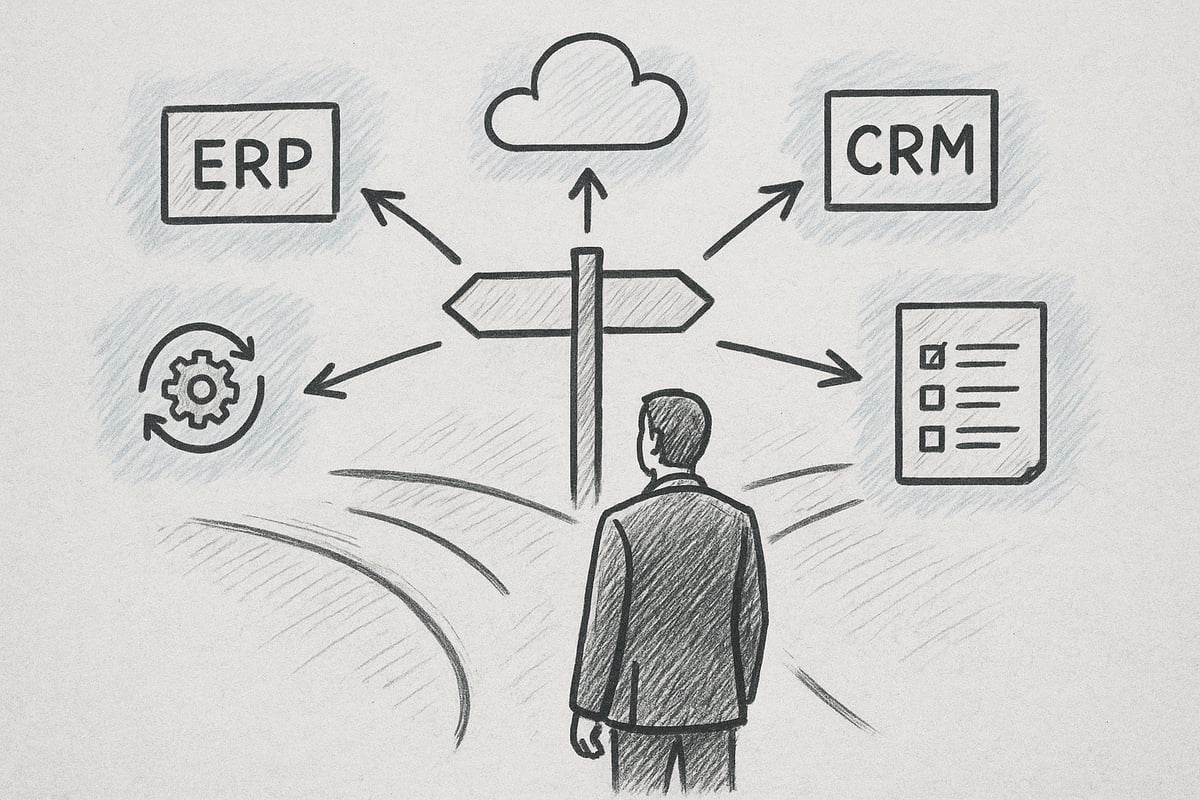
For digital transformation for mid-market companies, foundational platforms such as ERP, CRM, HRM, business intelligence, and automation are essential. Each platform addresses specific business needs—ERP streamlines operations, CRM enhances customer engagement, HRM manages talent, BI drives data-driven decisions, and automation improves efficiency.
A critical decision is choosing between cloud, on-premise, or hybrid models. Cloud platforms offer scalability and lower upfront costs, while on-premise solutions provide greater control. Hybrid environments blend both, allowing flexibility as needs evolve.
Modernizing legacy systems is often necessary to unlock new capabilities. For practical strategies on this, see Modernizing legacy systems strategies, which addresses common hurdles faced during digital transformation for mid-market companies.
Integration and Interoperability
Integration is fundamental in digital transformation for mid-market companies. Siloed systems lead to duplicated work and fragmented data. Seamless interoperability is achieved using APIs and middleware, connecting platforms across sales, finance, operations, and inventory.
Consider a retailer integrating e-commerce with inventory and finance. This unified approach ensures real-time stock updates, accurate financial reporting, and a smoother customer experience. Prioritizing integration reduces manual effort and enables better decision-making.
A well-integrated ecosystem also supports future scalability, which is vital as digital transformation for mid-market companies accelerates.
Balancing Customization with Standardization
Customization allows digital transformation for mid-market companies to meet unique business needs. However, over-customizing platforms can lead to complexity, higher costs, and maintenance challenges.
Standardization, on the other hand, streamlines processes and simplifies scaling. For example, a retailer that standardized workflows across locations was able to expand rapidly and maintain consistent service quality.
Finding the right balance is key. Evaluate which processes truly require customization and where standardized solutions suffice. This balance supports agility and reduces long-term risk for digital transformation for mid-market companies.
Vendor Evaluation and Total Cost of Ownership
Vendor selection impacts the success of digital transformation for mid-market companies. Assess vendors based on pricing models, scalability, support, security, and long-term viability.
A common pitfall is underestimating total cost of ownership. Consider not only licensing fees, but also implementation, training, and ongoing maintenance. In fact, 35% of mid-market IT budgets are wasted on underutilized tools, highlighting the need for thorough evaluation.
Use comparison tables to weigh options side by side. Prioritize vendors that align with your strategic goals and can grow with your organization as your digital transformation for mid-market companies matures.
Managing Change and Driving Adoption
Successfully navigating digital transformation for mid-market companies requires more than just selecting the right technology. True transformation hinges on people embracing change, learning new skills, and sustaining momentum. Let’s explore proven strategies to ensure your organization not only adapts but thrives.
Change Management Best Practices
Change is often met with uncertainty, making proactive management crucial for digital transformation for mid-market companies. Start by clearly communicating the vision and benefits to all stakeholders. Consistent messaging from leadership helps establish trust and direction.
Build a network of change champions across departments. These individuals can model new behaviors and encourage peers to adopt transformation initiatives. Overcoming resistance involves listening to concerns and addressing them with empathy and transparency.
Internal marketing campaigns, such as town halls, newsletters, or Q&A sessions, help reinforce the purpose and progress of digital transformation for mid-market companies. Recognize and celebrate early wins to build momentum and show tangible results.
Training and Upskilling the Workforce
A major barrier to digital transformation for mid-market companies is the skills gap. Begin by assessing current capabilities and identifying areas where new skills are required. Tailor training programs to address these needs with a mix of workshops, e-learning modules, and peer mentoring.
Blended learning approaches maximize engagement and retention. Practical exercises, such as role-playing or real-world simulations, prepare employees to use new tools confidently. According to industry reports, 61% of mid-market firms cite skills shortages as a key transformation barrier.
Empowering your workforce with ongoing learning opportunities ensures that digital transformation for mid-market companies delivers sustainable results.
Measuring and Rewarding Adoption
Tracking adoption is vital to ensuring digital transformation for mid-market companies achieves its goals. Establish clear KPIs, such as system usage rates, error reduction, and productivity gains, to measure progress.
Incentivize adoption through recognition programs or gamified training modules. For example, competitions or badges can motivate teams to engage with new platforms. Creating a culture that celebrates milestones encourages ongoing participation.
For more on effective measurement, explore the Best KPIs for retail transformation, which highlights actionable metrics to track digital transformation for mid-market companies.
Sustaining Momentum Post-Launch
After go-live, sustaining momentum is essential for digital transformation for mid-market companies. Offer robust support channels, such as help desks and user forums, to address issues quickly.
Establish feedback loops to capture employee insights and identify areas for improvement. Regular check-ins and iterative enhancements prevent transformation fatigue and keep teams engaged.
Continuous improvement ensures that digital transformation for mid-market companies remains aligned with evolving business needs and market trends.
Measuring Success: KPIs and Continuous Improvement
Measuring success is essential for digital transformation for mid-market companies. Without clear metrics and a culture of continuous improvement, it is impossible to know if transformation initiatives are delivering true business value. By defining the right KPIs and embracing ongoing evaluation, organizations can ensure their efforts drive meaningful results and adapt to changing conditions.
Defining Success Metrics for Digital Transformation
For digital transformation for mid-market companies, success starts with defining KPIs that reflect both business and IT outcomes. Metrics should align with strategic goals, such as revenue growth, cost savings, and customer satisfaction. IT measurements like uptime, incident reduction, and speed to market also matter.
Here is a table summarizing common KPIs:
| KPI Category | Example Metric | Purpose |
|---|---|---|
| Revenue | YoY revenue growth | Tracks financial impact |
| Efficiency | Cost reduction % | Measures operational savings |
| Customer | NPS or retention rate | Evaluates customer experience |
| IT Performance | System uptime % | Monitors reliability |
According to Digital Transformation Market Size & Growth, the market is expanding rapidly, making it even more critical for mid-market firms to set measurable goals and track progress.
Tools and Techniques for Tracking Progress
To ensure digital transformation for mid-market companies stays on track, organizations rely on a mix of tools and techniques. Dashboards and scorecards provide real-time visibility into KPIs, while regular reporting cycles help teams spot trends and address issues early.
- Dashboard software for visualizing progress
- Automated scorecards for tracking KPIs
- Benchmarking against industry standards
- Scheduled performance reviews
These methods give leadership and teams a clear view of where transformation stands. By integrating these tools, companies can foster accountability and maintain momentum.
Learning from Failures and Course Correction
Even the best-planned digital transformation for mid-market companies can encounter setbacks. When targets are missed, it is crucial to conduct root cause analysis. This means looking beyond the surface to understand what went wrong, whether it is low user adoption, process gaps, or technology misalignment.
For example, a mid-market retailer might launch a new mobile app, only to see low engagement. By collecting feedback and analyzing usage data, the company can pivot its strategy, redesigning the app or improving training. This adaptive approach encourages resilience and continuous learning across the organization.
Scaling and Future-Proofing Your Transformation
Sustained success in digital transformation for mid-market companies requires agility and a forward-thinking mindset. As new technologies like AI and IoT emerge, companies must revisit their transformation strategies on a regular basis.
Building a culture of lifelong digital evolution is key. According to Top 7 Digital Transformation Trends for Mid-Size Businesses, 80 percent of digital leaders plan to review their transformation roadmaps annually. This proactive stance ensures that investments remain relevant and organizations can quickly adapt to future shifts.
As you think about the opportunities and challenges of digital transformation in 2026, it’s clear that having a clear strategy is the key to real progress. You don’t have to navigate the complexity alone—whether you’re assessing legacy systems, aligning technology with business goals, or building a roadmap that drives measurable results, expert guidance can make all the difference. If you’re ready to turn technology into a true competitive advantage, let’s take the first step together. Schedule A Strategy Call and discover how you can accelerate your digital transformation journey with confidence.