Practical resources
for justice operations,
data, and digital trust
Practical guidance for mission-driven executives who need clearer systems, cleaner data, and lower privacy risk so they can move faster with confidence.
A cyber tabletop exercise is only useful if it changes how you think. If the discussion ends with everyone satisfied that it went well, you probably missed the point. What you want is not applause for the scenario. You want answers about ownership, timing, recovery,
- CTO Input
Your nonprofit can run on informal tech decisions for a while. Eventually, however, growth accelerates, and the gaps in your infrastructure become impossible to ignore. Donor systems, finance, program data, security, board reporting, and vendor decisions all start pulling on the same weak thread. That
- CTO Input
Most cyber reports fail for the same reason. They describe activity instead of decisions. You get dashboards, acronyms, and a pile of control counts, but no clear answer on what is at risk, why it matters, or what happens next. This disconnect often stems from
- CTO Input
AI can make a team look busy fast. More prompts, more drafts, more dashboards, more summaries. None of that proves you are getting better results. In fact, when companies pursue an AI-first strategy without a clear focus, they often mistake high volume for high impact.
- CTO Input
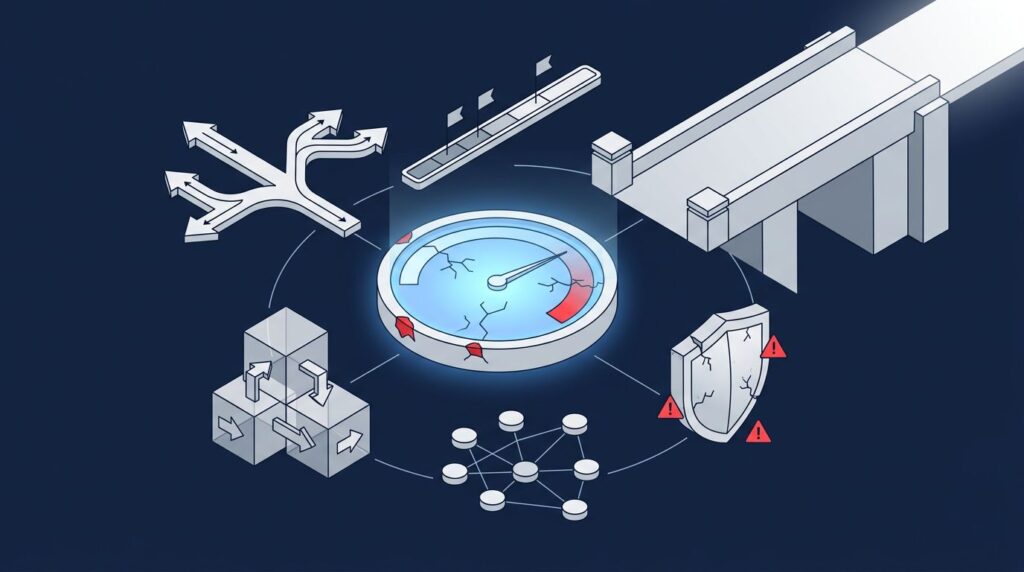
A cyber maturity score can make the board packet look neat while the real risk stays fuzzy. That is the trap. You get a number, a trend line, and a clean chart, but you still do not know what breaks first, how much it costs,
- CTO Input
You can interview a polished CTO candidate for weeks and still miss the real question. Will this person give you clearer ownership, a usable roadmap, and steadier decisions, or just a better story? That is where a cto hiring scorecard matters. It forces you to
- CTO Input
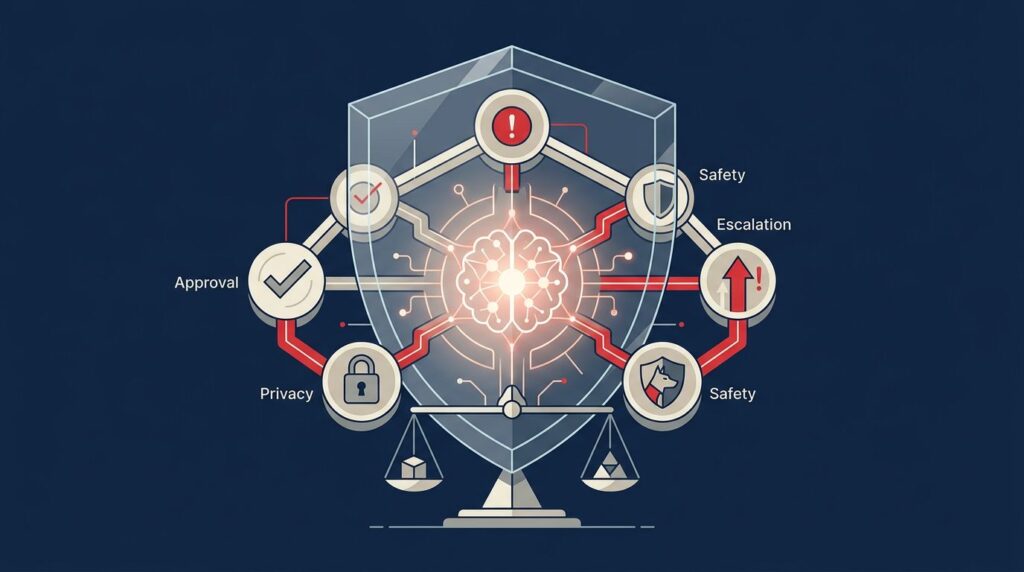
When a director says, “We have an AI policy,” it sounds calm and controlled. It suggests that the boardroom problem with AI has been solved. It creates the illusion that someone has thought through the complexities of this new landscape. However, a policy on paper
- CTO Input
AI moves fast, and the pressure for a successful AI transformation moves even faster. If you do not have an IT department, the danger is not that you will miss the trend. The danger is that you will buy tools before you know what problem
- CTO Input
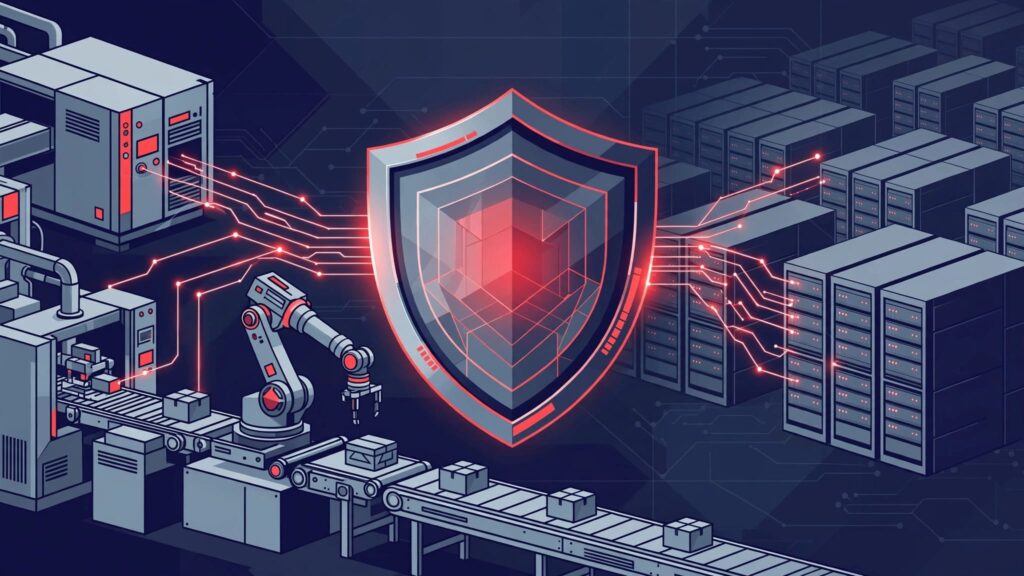
When your business runs on warehouses, field teams, ERP systems, service desks, and vendors, the wrong technology leader slows everything down. Making the right choice between a fractional CIO vs fractional CTO is often confusing, as the titles can sound interchangeable until you trace where
- CTO Input
A fractional CTO is supposed to bring order to startups and small businesses. If the role now feels like a soft landing for bigger problems, the business may have outgrown the capacity of a part-time chief technology officer. That usually does not show up as
- CTO Input
Your IT team can be busy and still be reactive. Tickets get closed, vendors get chased, dashboards get sent, and the business still feels one surprise away from a bad week because of the inherent limitations of reactive IT support models. That is usually when
- CTO Input
A successful AI pilot program can save your team significant time, while a poorly managed one often creates a complex workflow that no one is accountable for. If you manage a smaller company without dedicated IT staff, that risk is very real. Today, generative AI
- CTO Input
The first budget surprise in a deal is usually not the purchase price. It is the cleanup that follows. If you wait until after the letter of intent, you are often negotiating with the clock against you. Skipping thorough IT due diligence early in the
- CTO Input
Your ecommerce business might look healthy from the outside, but retail brands in the growth stage often leak time, margin, and confidence underneath the surface. When you start looking for fractional CTO ecommerce help, you usually are not asking for more opinions. You are trying
- CTO Input
If you only look at IT activity once a month, you are looking at the wrong thing. You do not need a pile of system reports; instead, you need a small set of metrics where every key performance indicator helps you determine whether technology is
- CTO Input
Making your first AI hire is not about looking current or following the latest industry trends. It is about whether AI work has become regular, useful, and too important to leave as a side task. While a startup might approach this by testing tools with
- CTO Input
A deal can look clean until you ask the wrong questions. The seller has a polished deck, the demo runs fine, and everyone sounds confident. Then you start digging and find technical debt, vendor dependence, shaky security, and a roadmap held together by hope. That
- CTO Input
The wrong technology help gets expensive fast, even when the invoice looks reasonable. If you hire a consulting firm when you really need executive ownership, you get analysis and still carry the mess. If you hire a fractional CTO when you only need a bounded
- CTO Input
SEO title: Due Diligence Process The 2026 Leader's Playbook for CEOs Meta description: A practical due diligence process guide for CEOs facing M&A scrutiny. Learn how to scope the work, assess risk, report findings, and build a 90-day action plan. Slug: due-diligence-process-leaders-playbook A deal shows
- CTO Input
If your IT budget feels too high, too low, or impossible to defend, you are probably staring at the wrong number. Rather than fixating on a single figure, you should be evaluating your IT spending as a percentage of revenue to see if your investment
- CTO Input
In the fast-paced world of M&A transactions, a mid-market deal rarely falls apart because of one ugly system. Instead, these acquisitions typically collapse because the buyer identifies a pattern they do not trust. That pattern emerges quickly during the evaluation phase. Weak ownership, messy reporting,
- CTO Input
You can spend the right amount and still get the wrong result. That happens when the budget is built from history, vendor pressure, and leftover habits instead of the way your business actually runs. In 2026, typical IT budget benchmarks for mid-market companies generally land
- CTO Input
If you're asking what governance, risk, and compliance is, you're probably not looking for a textbook definition. You're trying to solve a more immediate problem. The board is asking sharper questions. Customers want stronger assurances. A regulator, insurer, acquirer, or enterprise buyer may be pressing
- CTO Input
You do not hand out equity because the conversation feels important. You offer it when the work is tied to real outcomes, real risk, and real business value. That distinction matters. Many non-technical founders rely on a fractional CTO to navigate complex technical leadership gaps.
- CTO Input
A monthly CEO IT manager meeting can either sharpen your control or waste your time. Unlike a general management team meeting that covers broad operational topics, this session must remain laser-focused on technology as a driver of value. Too many of these meetings turn into
- CTO Input
If you run a 100-person company, your IT budget 2026 is not a trivia question. It is a critical component of your operational success, requiring a shift from guesswork to strategic IT budget planning to ensure you have real control over your resources. Most teams
- CTO Input
The first 30 days with a fractional CTO matter more than most teams expect. If you get the start wrong, you end up with endless meetings, unsolicited opinions, and a long list of problems that no one owns. If you get it right, you gain
- CTO Input
An AI vendor evaluation can look sharp and still miss the mark. Without a CTO in the seat, it is easy to get pulled toward the demo, the promise, and the glossy deck, then discover later that the tool does not fit your workflow, data,
- CTO Input
Every Chief Technology Officer can look solid right up until rapid growth starts asking harder questions. When the technical stack expands and business demands shift, the ability to help your CTO scale becomes the deciding factor in long-term success. The board will soon want cleaner
- CTO Input
Digital transformation usually looks expensive before it looks useful. You approve new platforms. The teams promise better reporting, faster execution, cleaner customer experience, and less manual work. Then six months later, costs are up, delivery is slower, and the update in the leadership meeting still
- CTO Input
A sale in the context of mergers and acquisitions exposes everything. Weak systems, messy ownership, duplicate tools, and half-finished work show up fast when a buyer starts asking hard questions. If your tech stack is hard to explain today, it will be harder to defend
- CTO Input
The smoothest software demo can still be the wrong purchase. When you do not have a technical team, a professional software vendor evaluation gets messy fast. Sales pitches sound confident, security claims blur together, and every option seems to promise faster growth. What you need
- CTO Input
A fundraise puts your technology story under a bright light, forcing you to prioritize investor readiness well before you open your data room. Investors do not care that your team is busy; they care whether your business can explain its systems, security risks, and long-term
- CTO Input
A familiar moment plays out in boardrooms every week. A director asks, “What would a serious data breach cost us?” The CEO looks to the CFO. The CFO looks to the CIO or security lead. Then someone gives an industry average, adds a few qualifiers,
- CTO Input
When your technical co-founder leaves, the first problem is rarely the codebase. It is control. Often, one person held the architecture, the vendor context, the product shortcuts, and the answers that no one bothered to write down. This sudden founder departure leaves the remaining founding
- CTO Input
AI ideas pile up fast. With the industry-wide rush to adopt generative AI models, businesses are quickly overwhelmed by a flood of vendors, pilots, and half-finished promises. If you do not have a clean way to sort through the noise and prioritize high business impact,
- CTO Input
AI is easy to buy and hard to turn into business value. You can spend money fast and still end the quarter with the same slow workflows, the same messy data, and the same board questions. Your job is not to fund every shiny use
- CTO Input
AI is easy to buy and hard to turn into business value. You can spend money fast and still end the quarter with the same slow workflows, the same messy data, and the same board questions. Your job is not to fund every shiny use
- CTO Input
AI is not what usually breaks the business. AI ownership is. You can buy the tool fast. You can pilot it next week. You can even get a decent demo in an hour. But if nobody owns the rules, the data, the approvals, and the
- CTO Input
Growth makes weak operating habits impossible to hide. What worked when the company was smaller starts failing under pressure. Requests come in through side channels, incidents get handled by whoever notices first, and nobody can give a crisp answer on what technology owns, supports, or
- CTO Input
AI can save time, or it can create a faster version of the same old mess. If the use case is fuzzy, the data is weak, or nobody owns the decision, the tools do not fix that. They expose it. That is why an AI
- CTO Input
You do not find AI business opportunities by starting with tools. You find them where work is slow, repetitive, and harder to trust than it should be. That usually means your team is spending too much time on handoffs, approvals, copying data between systems, or
- CTO Input
When a board brings in an interim CTO, it is rarely because the engineering team needs more activity. More often, it is because leadership requires immediate clarity, a situation frequently seen in private equity portfolios or high-growth environments where stakes are high. The seat is
- CTO Input
Technology usually starts breaking in plain sight long before anyone names the problem. Projects slip. Basic requests take too long. The monthly technology bill gets bigger, but leadership still can't get a straight answer on what is stable, what is risky, and what is improving.
- CTO Input
Most technology budgets do not fail because you bought the wrong software. They fail because no one can explain what each dollar is meant to change. When ownership is blurry, spend turns into residue. Vendors steer. Managers patch. The board gets a report, but not
- CTO Input
When nobody owns the technology roadmap, the business does not feel confused in one neat place. It feels it everywhere. Projects slip, vendors fill the vacuum, reporting gets softer, and leadership starts making expensive decisions without a clear map. That is how technology roadmap ownership
- CTO Input
Boards do not need to become AI engineers to govern AI well. They need clearer ownership, better questions, and reporting that tells the truth before the risk gets expensive. On AI governance boards, the job is not to chase every technical detail. It is to
- CTO Input
Your board does not care that AI is exciting. It cares whether AI helps you make better decisions, move faster, and avoid a mess you cannot defend later. That is why the AI questions for CEOs are not really about tools. They are about business
- CTO Input
You can spend a lot on technology and still not move the business forward. That is the trap many leadership teams fall into. The budget looks busy. The company still feels stuck. The real question is not whether you spend enough. It is whether the
- CTO Input
Vendors can be useful partners. They should not become the people who decide where your company is going. That is how a vendor-driven technology strategy starts. One product choice leads to another. One renewal shapes the next quarter. Before long, your roadmap follows vendor calendars
- CTO Input
A software contract renewal can look harmless right up until it locks in another year of drift. For you, this is not just paperwork. It is a decision about cost, control, data, risk, and how much friction you are willing to keep paying for. If
- CTO Input
A board does not need another slide deck full of projects. You need a technology roadmap that tells you what technology is buying, what it is costing, and what risk you are carrying. When technology spend goes up but confidence does not, the problem is
- CTO Input
Growth-stage companies and startups rarely stall because they lack tools. They stall because nobody owns the technology decisions that now affect revenue, risk, and execution. If you are weighing the fractional CTO vs interim CTO decision, the real question is simpler than the titles make
- CTO Input
When technology feels out of control, the budget is usually not the real problem. The real issue is that ownership, priorities, and risk are spread across too many people and too many tools. That is how CEOs end up paying for motion without getting control.
- CTO Input
A fractional CIO is a part-time or contract Chief Information Officer who gives you executive-level technology leadership without the cost or commitment of a full-time hire. These engagements commonly range from about 10 hours per month up to 20 hours per week, which makes the
- CTO Input
The wrong fractional CTO can cost you months, not just money. If technology is already tied to growth, reporting, customer trust, or risk, you cannot afford a leader who sounds sharp but leaves ownership fuzzy. The best fractional CTO questions do one thing well. They
- CTO Input
You can close the deal and still lose the value in the first 90 days. That happens when systems stay split, vendors keep pulling in different directions, and nobody owns the real decisions. Poor post-merger integration often leaves companies struggling with duplicate tools, fragmented data,
- CTO Input
Your first 30 days with a fractional CTO should make the business easier to run. If it does not, you are paying for commentary, not leadership. That first month is where a good executive turns fog into facts. You should get a clear read on
- CTO Input
Your company usually does not wake up one day and decide it needs senior technology leadership. The signs show up first as friction. Projects slip. Reporting gets harder to trust. Vendors start shaping decisions. The board asks sharper questions, and the answers are not clean
- CTO Input
The moment technology decisions outgrow the CEO is usually quiet. It shows up as slower approvals, fuzzy ownership, and a board that wants answers before you have them. You can still lead the business. You just can’t keep carrying every technical call on instinct alone.
- CTO Input
You can have a good MSP and still have bad technology leadership. That is where a lot of leadership teams get stuck. The service desk is moving. The tickets are closing. But nobody is making the hard calls on priorities, risk, or direction. So the
- CTO Input
The fractional CTO cost you see on a proposal is only part of the story. If you buy hours but never change ownership, reporting, or decision quality, you pay for motion and still keep the drag. In 2026, you can expect hourly rates around $200
- CTO Input
When growth starts creating drag, you do not need more tech chatter. You need someone who can sort signal from noise, make hard calls, and help you stop paying for confusion. That is where a fractional CTO comes in. If you are dealing with a
- CTO Input
You do not need a polished deck if the real problem is unclear ownership. You need someone who can tell you what matters, what does not, and what to do next to drive your digital transformation. That is where a technology strategy consultant often beats
- CTO Input
You can waste a lot of money by hiring the right talent for the wrong job. That happens more often than most leaders admit, especially when the question is fractional CTO vs. IT consultant. One is there to own executive technology leadership. The other is
- CTO Input
The wrong CTO hire can cost you months, but a prolonged gap in leadership can cost you even more. For many startups, the sudden departure of a chief technology officer can stall growth and create confusion across the organization. When your technology leader leaves, the
- CTO Input
You closed the deal. The press release is out. People congratulate you for “getting it done.” Then the actual work hits. Two companies now have to operate as one, and the gap between legal ownership and operational control is wider than most CEOs expect. Access
- CTO Input
The deal model says you're buying growth, capability, and strategic advantage. The uneasy part is that a large share of that value may sit inside systems your team hasn't really inspected yet. That's where CEOs get trapped. The strategy is clear. The revenue story is
- CTO Input
When technology starts slowing decisions, you feel it everywhere. Projects drag, vendors get louder, reporting gets weaker, and the business feels harder to run than it should. That is where fractional CTO services in Maine fit. If you do not need a full-time executive yet,
- CTO Input
Estimating the technology strategy consultant cost in 2026 is often simple to quote but difficult to interpret. While many businesses browse various IT consulting services, you can compare hourly rates all day and still end up purchasing the wrong solution for your needs. For a
- CTO Input
If your technology feels expensive but hard to trust, the problem may not be the stack. It may be the kind of leadership you have around it. A managed services provider keeps systems running. A fractional CTO helps you decide what should happen next, why
- CTO Input
A stalled technology project or digital transformation effort can drain money, time, and patience without offering much in return. The harder part is that you may not know whether you should fix it, rework it, or stop it entirely. That question matters because not every
- CTO Input
SEO title: Leadership Transition Technology Support Playbook for CEOs and Boards Meta description: A practical leadership transition technology support playbook for CEOs and boards. Secure access, stabilize operations, define interim ownership, and prepare a clean handoff. Slug: leadership-transition-technology-support-playbook A technology leader resigns on a Tuesday.
- CTO Input
A software project behind schedule and over budget is not just late. It is already telling you something about scope, ownership, or leadership. If you keep treating it like a project plan problem, you will probably pay for the same mistake twice. As CEO, your
- CTO Input
If your interim CTO spends week one talking about tools before people, you may already be having the wrong conversation. The first seven days are not for grand plans. They are for getting a clean read on what is broken, who owns it, and what
- CTO Input
When you are evaluating a potential transaction in the private equity or M&A landscape, the cleanest story in the room is often the least trustworthy. Technology due diligence serves as a core pillar of a successful investment thesis, allowing you to verify whether the systems,
- CTO Input
If your technology migration is chewing through money, slipping every deadline, and turning weekly leadership meetings into blame sessions, you do not have a software problem first. You have a technology transition support problem. That distinction matters. CEOs and COOs often get sold a system,
- CTO Input
If you can’t explain technical debt in money, it stays stuck in the IT bucket. That is where good decisions go to die. You already know the pattern. The system gets older, the team works around it, costs creep up, and the business keeps paying
- CTO Input
Ninety days is long enough to determine if your fractional CTO is creating real value or simply staying busy. For many SMEs, the primary objective is navigating digital transformation in a way that produces measurable ROI. If you are a CEO, you do not need
- CTO Input
When external stakeholders, internal stakeholders, and leadership are pulling in different directions, you do not have a simple communication problem. You have a control problem. The signs show up fast. Decisions slow down, and budgets get defended instead of used well. People keep doing work,
- CTO Input
A buyer asks for the technology diligence list, and the mood changes fast. Until that moment, technology can sit in the background as a cost line, a growth enabler, or a source of occasional frustration. Once diligence starts, it becomes evidence. That's the shift most
- CTO Input
A big modernization plan looks tidy in a meeting. It falls apart fast once you ask who owns what, what changes first, and how much risk you can carry while the work is underway. You do not need to swallow the whole thing at once.
- CTO Input
You can lose a board conversation fast when you explain vendor risk like a security report. Directors do not need your procurement notes. They need to know whether a vendor can slow growth, expose the business, or leave you stuck when something breaks. If you
- CTO Input
You can add developers fast and still move slowly. That happens when your team’s efforts are not directly aligned with your primary business goals. When your company grows, informal technology habits stop being enough. You need a technology roadmap, clearer ownership, and a commitment to
- CTO Input
Growth is supposed to create momentum. Instead, it often exposes the weak spots you could ignore before. The systems still work, but the reporting gets messy, the vendors get louder, and ownership gets blurry. That is when you need a 90-day technology plan that brings
- CTO Input
When you sign a fractional CTO contract, you are not buying a title. You are buying clearer ownership around technology decisions for your startup that you can no longer leave fuzzy. If the contract is vague, you get motion without control. If it is tight,
- CTO Input
A tech project can finish on time and still leave your business in the same place. That is the trap. You ship the system, close the ticket, and move on. Then the real problem comes back, because the business never gained a lasting ability. It
- CTO Input
AI can make your team faster. It can also make mistakes spread faster. That is why AI experimentation vs governance matters. One side is a test. The other is the set of rules that keeps the test from spilling into the business. If you blur
- CTO Input
SEO title: M&A Technology Due Diligence for CEOs and Boards Meta description: A practical, board-level guide to m&a technology due diligence. Learn how to assess technical risk, translate red flags into financial impact, and make defensible deal decisions. Slug: m-and-a-technology-due-diligence-executive-playbook You're close to signing. Financial
- CTO Input
Your dashboard can look polished and still be almost useless. If the numbers mean different things to different people, you are not looking at reporting. You are looking at organized confusion. That is why dashboard definitions matter more than most teams admit. When the language
- CTO Input
A technology steering committee, or IT steering committee, fails fast when it meets to talk instead of deciding. If your meetings end with more reporting requests, more follow-up work, and the same unresolved ownership, you do not have governance. You have a calendar invite. You
- CTO Input
When your technology team starts feeling busy but not useful, the problem usually isn’t effort. It’s a lack of overall direction that impacts team productivity. You may have good people, tools, and meetings, yet the business still feels stuck. Decisions drag. Reporting feels thin. Vendors
- CTO Input
Most growing companies do not need a louder security program. They need clearer ownership. Once the business gets bigger, the old habits stop working. Vendors get more influence. Reporting gets harder to trust. One missed control starts looking like a pattern instead of an exception.
- CTO Input
If you're buying a company and the deal model assumes growth, synergies, or operational scale, acquisition technology due diligence can't be an IT side task. It's part of underwriting the deal. Too many buyers still treat it like a late-stage checklist. Someone asks for an
- CTO Input
Revenue rarely breaks all at once. It leaks when technology starts making quiet decisions for you. One project slips. A vendor becomes the default voice. Reporting gets busier, but less useful. That is technology drift. You usually feel it before you can prove it, and
- CTO Input
A Chief Technology Officer vacancy gets expensive long before the resignation is public. Decisions slow, vendors get louder, and the board starts asking for clarity you do not have. If your business now depends on technology for growth, execution, reporting, customer trust, or risk management,
- CTO Input
Investing in custom software development can resolve a significant operational bottleneck, or it can become an expensive way to buy more confusion. As part of a larger digital transformation strategy, a custom software development project requires more than just technical expertise. The difference between a
- CTO Input
SEO title: Technical Due Diligence Consultant Guide for CEOs and BoardsMeta description: Learn what a technical due diligence consultant does, when to hire one, how to choose the right advisor, and how to turn findings into a practical post-deal plan.Slug: technical-due-diligence-consultant-guide You're about to approve
- CTO Input
A lot of companies hire security help when what they really need is ownership. A fractional CISO should not be a policy writer, ticket router, or dashboard collector. You need someone who can make risk visible, set priorities, and keep the business out of avoidable
- CTO Input
Private equity firms change the tempo fast. The deal closes, the questions get sharper, and suddenly you need fractional CTO private equity expertise because the old habit of “we’ll sort it out later” stops working. You may already have strong operators, smart engineers, and a
- CTO Input
Search Leadership Insights
Type a keyword or question to scan our library of CEO-level articles and guides so you can move
faster on your next technology or security decision.
Request Personalized Insights
Share with us the decision, risk, or growth challenge you are facing, and we will use it to shape upcoming articles and, where possible, point you to existing resources that speak directly to your situation.