
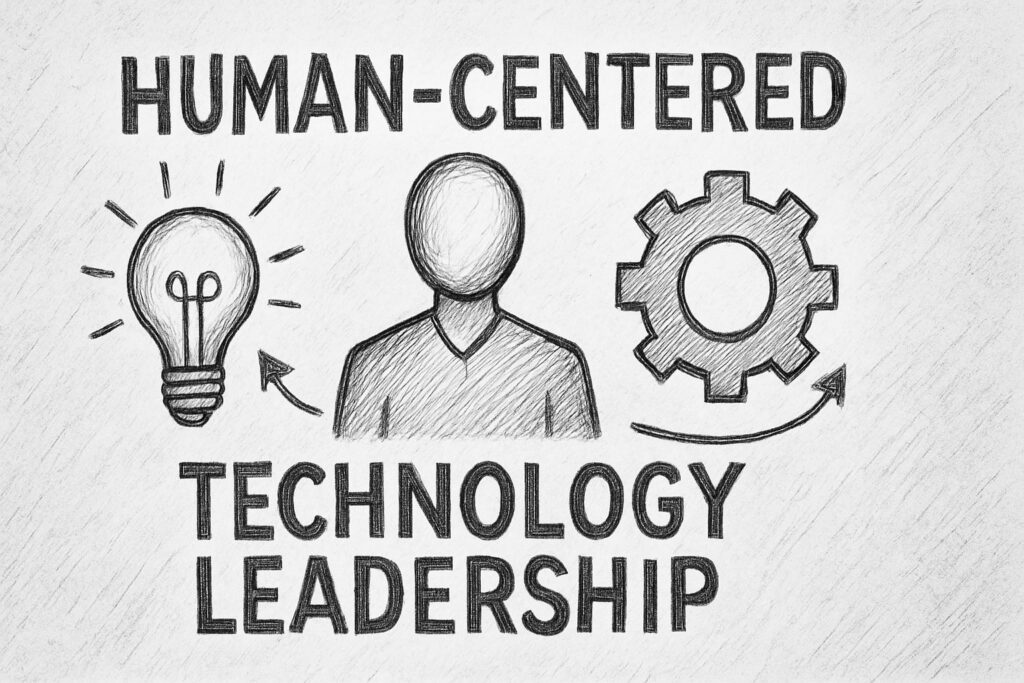
In a world where technology advances at lightning speed, leaders face constant pressure to adapt. Yet, true progress depends on more than tools and systems. This guide explores the core of human-centered technology leadership, a crucial approach for organizations seeking sustainable growth in 2026.
You will discover strategies to align technology with human needs, foster innovation, and unlock measurable business value. We will examine the shift in technology leadership, essential principles, practical steps for implementation, common roadblocks, and the key trends shaping the future.
Ready to future-proof your leadership and empower your teams? Dive into this essential guide today.
The Evolution of Technology Leadership: From Systems to People
Technology leadership has undergone a dramatic transformation in recent years. Organizations are moving away from system-centric approaches and embracing models that prioritize people at every level. This shift is not just a trend, but a necessity for sustainable growth in the digital age.

Shifting Paradigms in Technology Leadership
Traditional technology leadership focused mainly on systems, infrastructure, and efficiency. Leaders worked in silos, prioritizing technical outputs over human outcomes. Today, human-centered technology leadership demands a different mindset. Empathy, collaboration, and adaptability are now essential qualities.
Companies such as Microsoft and Atlassian have adopted people-first approaches, resulting in stronger teams and more innovative products. According to Gartner, 78% of organizations report improved performance when they implement people-centric strategies.
Digital transformation has accelerated these changes, making it clear that leaders must align technology with human needs. For further insights on aligning leadership strategy with technology, see Strategic technology leadership principles.
Why Human-Centered Leadership Matters in 2026
User experience and employee engagement directly impact business success. In 2025, Deloitte found that 89% of CIOs list culture and talent as their top technology priorities. When leaders put people first, they drive both innovation and retention.
Salesforce’s “Ohana Culture” is a prime example. By fostering a sense of belonging and purpose, Salesforce has achieved higher customer loyalty and stronger business results. Human-centered technology leadership is now a core competitive advantage, enabling organizations to adapt quickly and stand out in a crowded market.
| Statistic | Source |
|---|---|
| 89% of CIOs prioritize culture/talent | Deloitte 2024 |
| 78% report better performance with people | Gartner 2023 |
Key Drivers Accelerating the Shift
Several forces are propelling the adoption of human-centered technology leadership:
- The rise of remote and hybrid work, which requires more flexible and empathetic leadership styles.
- Growing demand for ethical technology and digital trust, as users expect transparency and responsibility.
- Increasing complexity in systems, making cross-functional teamwork essential.
- Regulatory pressures that emphasize inclusivity and accessibility in digital solutions.
- The expectations of Gen Z and Millennial employees, who value purpose-driven work and open communication.
Google’s Project Aristotle revealed that psychological safety is a key driver of productivity within teams. Leaders who foster open dialogue and mutual respect empower their teams to innovate without fear of failure.
Human-centered technology leadership also helps organizations navigate new regulations and societal expectations, ensuring long-term sustainability. By putting people at the center, companies can balance innovation with ethical considerations and build a resilient, future-ready workforce.
Core Principles of Human-Centered Technology Leadership
Organizations seeking to thrive in 2026 must embrace the core principles of human-centered technology leadership. These principles shape not only how leaders guide their teams, but also how technology aligns with the needs of employees and users. Let us break down the essential elements driving this people-first approach.

Empathy and Active Listening
Empathy is at the heart of human-centered technology leadership. Leaders who prioritize empathy build trust by truly understanding the unique needs of both their teams and end users. Active listening, through regular feedback sessions and open communication, ensures that everyone feels heard.
Techniques such as employee surveys, one-on-one interviews, and direct observation help leaders gather actionable feedback. IBM, for instance, uses design thinking workshops to foster empathy, encouraging participants to step into users’ shoes before creating solutions.
Teams led by empathetic leaders are twice as likely to report high satisfaction, according to Gallup. By embedding empathy into daily practices, human-centered technology leadership creates a culture where innovation thrives and people feel valued.
Inclusive Decision-Making
Inclusive decision-making is a cornerstone of human-centered technology leadership. Welcoming diverse perspectives in technology planning leads to better outcomes and more resilient solutions. Research from McKinsey shows that inclusive teams can achieve up to 35% higher financial returns.
Organizations can build inclusion by forming cross-functional committees and supporting employee resource groups. SAP’s Autism at Work initiative is a prime example, bringing neurodiverse talent into the innovation process and unlocking fresh ideas.
Leaders who seek out different viewpoints are better equipped to make technology decisions that serve everyone. For further guidance on executive leadership frameworks that support inclusivity, explore executive technology leadership insights.
Continuous Learning and Adaptability
A culture of continuous learning is essential for human-centered technology leadership. Leaders must encourage a growth mindset within their teams, enabling them to adapt to rapid technological change.
This mindset is reinforced through upskilling programs and ongoing professional development. Amazon’s Career Choice program empowers employees to gain new technical skills and explore different career paths. According to LinkedIn Learning, 87% of high-performing organizations invest in continuous learning.
Adaptable teams are more agile and can respond quickly to shifting business needs. By making learning a non-negotiable priority, human-centered technology leadership keeps organizations future-ready.
Ethical and Responsible Technology Use
Ethical decision-making is fundamental to human-centered technology leadership. Leaders must integrate ethical considerations into every stage of the technology lifecycle, addressing issues like bias, privacy, and transparency.
Apple’s focus on privacy-first product development is a leading example. By prioritizing responsible technology use, organizations build digital trust and safeguard their reputation.
Steps to Implement Human-Centered Technology Leadership
Implementing human-centered technology leadership requires a structured approach. By following these four essential steps, leaders can align technology initiatives with human needs, drive lasting change, and unlock business value. Let us break down each step for practical execution.

Step 1: Assess Organizational Readiness
Begin by evaluating your organization’s current state. Conduct both technology and culture audits to uncover how well your systems, workflows, and team dynamics support human-centered technology leadership. Use tools like employee engagement surveys and tech stack evaluations to gather honest feedback.
Identify any misalignments between technology objectives and core business goals. For example, a mid-sized manufacturer recently discovered that IT and production teams were working at cross purposes. By realigning their technology with business needs, they improved efficiency and morale. For a deeper dive on this process, see Aligning IT with business goals.
Prioritize transparency throughout this assessment. Open conversations reveal gaps, while data-driven insights guide your next steps.
Step 2: Define a Clear Human-Centered Vision
Articulate a vision statement that places people and positive outcomes at the center of your strategy. In human-centered technology leadership, this vision must resonate at every organizational level. Involve stakeholders from across departments to ensure buy-in and relevance.
Healthcare organizations, for instance, have succeeded by co-creating digital transformation roadmaps with clinicians and support staff. This approach ensures the vision reflects real-world needs and expectations.
Clarify how technology will enhance employee and user experiences. A compelling vision becomes the north star for all future decisions and investments.
Step 3: Build Cross-Functional Teams and Partnerships
Break down silos by forming cross-functional teams that blend technical, operational, and customer-facing expertise. Human-centered technology leadership thrives when diverse perspectives are included in planning and execution.
Consider the role of fractional CTO, CIO, or CISO leaders who can bridge expertise gaps without long-term commitments. Retail brands, for example, have achieved omnichannel success by integrating IT, marketing, and operations into unified teams.
Encourage collaboration through shared objectives and regular touchpoints. This structure enables organizations to adapt quickly to changing needs and technology trends.
Step 4: Foster Open Communication and Feedback Loops
Establish regular check-ins, town halls, and digital forums to promote transparent communication. Human-centered technology leadership depends on ongoing dialogue between leaders, teams, and users.
Leverage platforms like Slack or Microsoft Teams to facilitate real-time feedback and idea sharing. For example, technology companies that prioritize open communication report a 25 percent increase in productivity, according to Harvard Business Review.
Create simple feedback mechanisms, such as pulse surveys or suggestion channels, to capture insights. Responding to feedback demonstrates respect and accelerates continuous improvement.
To learn more and connect with a member of the CTO Input team, visit https://www.ctoinput.com.
Overcoming Common Challenges in Human-Centered Tech Leadership
Leading with human-centered technology leadership demands more than vision—it requires overcoming persistent organizational barriers. As digital transformation accelerates, leaders must address resistance, balance innovation with risk, and measure the true impact of their human-centered strategies.
Resistance to Change and Legacy Mindsets
Resistance to change is a significant barrier in adopting human-centered technology leadership. Legacy mindsets among executives and staff often slow digital initiatives. Leaders must recognize sources of resistance, such as fear of job loss, unfamiliar workflows, or skepticism about new models.
Effective strategies include:
- Clear, ongoing education about the benefits of human-centered technology leadership.
- Storytelling that connects change to personal and business outcomes.
- Delivering quick wins to build confidence and momentum.
For example, financial services firms transitioning from legacy systems often see success by involving employees early, celebrating small victories, and reinforcing a learning culture. According to McKinsey, 70% of digital transformations fail due to culture resistance, underscoring the need for persistent, people-focused leadership.
Balancing Innovation with Risk Management
Human-centered technology leadership thrives on innovation, but unchecked experimentation can introduce operational and security risks. Leaders must navigate this tension by establishing frameworks that allow for safe experimentation without compromising compliance or security.
Best practices include:
- Piloting new technologies in controlled environments.
- Encouraging cross-functional oversight to assess potential risks.
- Embedding compliance and risk management early in the innovation process.
Healthcare providers, for instance, pilot technology under strict regulatory controls, ensuring patient safety while exploring new solutions. According to PwC, 60% of tech leaders identify risk aversion as a barrier to innovation, highlighting the importance of structured risk management within human-centered technology leadership.
Measuring Success and ROI
Proving the value of human-centered technology leadership requires clear, relevant metrics. Traditional KPIs may not capture the full impact on employee engagement, customer satisfaction, or innovation.
Key measurement strategies involve:
- Tracking adoption rates, satisfaction scores, and retention.
- Leveraging data analytics to monitor progress and adapt initiatives.
- Gathering regular feedback from end-users and stakeholders.
SaaS companies, for example, assess user engagement and retention post-implementation to adjust their approach. However, 80% of leaders struggle to quantify the ROI of people-centric initiatives, according to Gartner. Developing a robust measurement framework is essential for ongoing support and investment in human-centered technology leadership.
How Fractional Technology Leadership Drives Human-Centered Transformation
Fractional CTOs, CIOs, and CISOs offer objective expertise to accelerate human-centered technology leadership. These professionals help organizations realign systems, bridge gaps, and deliver measurable outcomes without the commitment of a full-time executive. Real-world results include annual savings, increased bookings, and reduced risk for mid-sized businesses. To explore the fractional technology leadership benefits, organizations can access tailored guidance and ongoing strategic alignment.

Visit https://www.ctoinput.com to learn more and to connect with a member of the CTO Input team.
Future Trends in Human-Centered Technology Leadership
As organizations look to the future, human-centered technology leadership is set to transform with new trends shaping how leaders approach innovation and people. Staying ahead requires understanding how technology and human needs intersect, driving both business growth and employee satisfaction.
The Rise of AI and Human-Augmented Workforces
AI is rapidly becoming a core part of human-centered technology leadership. Rather than replacing people, AI is enhancing their capabilities, allowing teams to work smarter and focus on creative problem-solving. AI-driven coaching tools, for example, are now supporting employee growth and real-time feedback.
However, many organizations face a skills gap. According to the Gartner Survey on AI Skills in Management, only 8 percent of HR leaders believe their managers are ready to harness AI effectively. Bridging this gap is critical for embedding human-centered technology leadership in daily operations.
Leaders must prioritize AI literacy and foster a culture where technology augments, not overshadows, human strengths.
Personalization and Employee Experience Platforms
Personalization is redefining human-centered technology leadership, as employees increasingly expect technology tailored to their unique roles and preferences. Modern employee experience platforms now offer customizable digital workspaces, empowering individuals to choose tools and workflows that best fit their needs.
This shift is especially evident in remote-first organizations, where flexibility and user choice drive engagement. According to recent data, 72 percent of employees expect personalized tech experiences to support their productivity and well-being.
By integrating personalization into their technology strategies, leaders can boost satisfaction, retention, and overall performance.
Evolving Leadership Skills for 2026 and Beyond
The demands of human-centered technology leadership are changing, with new skills required for lasting impact. Emotional intelligence, digital literacy, and adaptability now top the list of essential traits for technology leaders. Leadership development programs are responding by placing greater emphasis on communication, empathy, and continuous learning.
According to the Harvard Business Impact 2025 Leadership Development Study, organizations are prioritizing fast, flexible, and future-focused learning to prepare leaders for tomorrow’s challenges.
For example, many tech bootcamps now incorporate empathy training and real-world team projects to ensure leaders are ready for the evolving landscape.
Navigating Regulatory and Ethical Frontiers
As technology evolves, so do regulatory and ethical expectations. Human-centered technology leadership means staying ahead of new laws on AI ethics, data privacy, and accessibility. Global organizations are adapting to frameworks such as GDPR and CCPA, as well as emerging regulations governing AI transparency and fairness.
Proactive leadership is essential for navigating these changes and maintaining trust with employees and customers. Leaders must embed ethical decision-making into every stage of technology adoption, ensuring compliance and safeguarding reputation.
As you reflect on the strategies and principles outlined in this guide, you might be wondering how your own organization measures up when it comes to aligning technology with real human needs. That’s exactly where we can help. At CTO Input, we specialize in uncovering where technology and operations may be misaligned and providing clear, actionable steps to move forward with confidence. If you’re ready to identify strengths, spot hidden obstacles, and ensure your tech supports your people and your growth goals, now is the perfect time to Get Your Technology Health Check.