
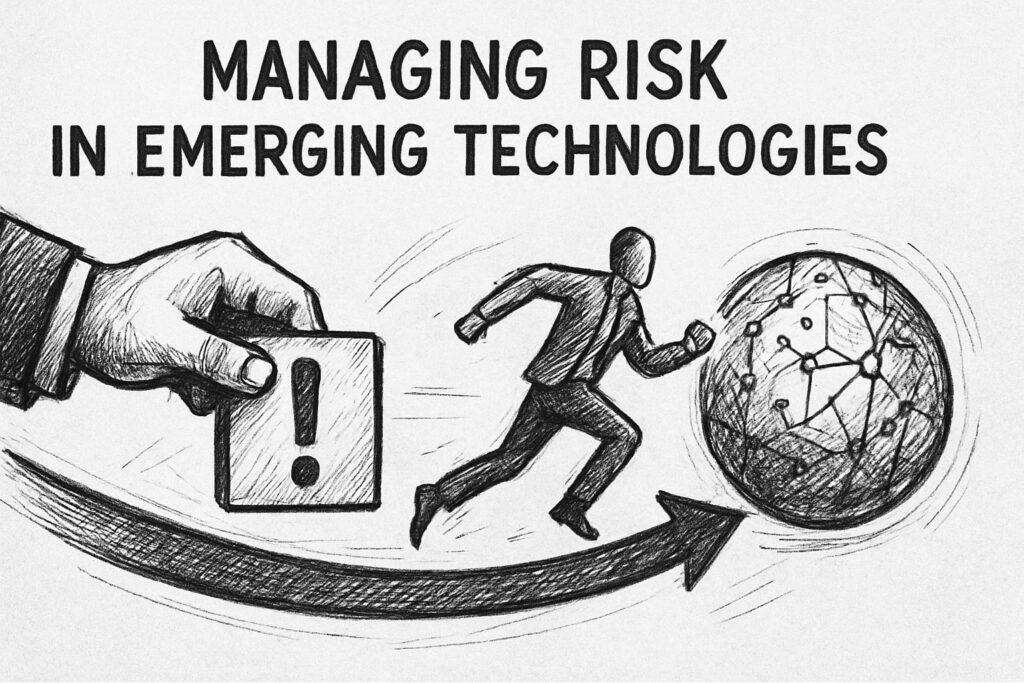
In 2025, a major financial firm suffered a costly breach when hackers exploited vulnerabilities in its AI-driven systems. The pace of technological innovation is accelerating, and so are the risks that come with adopting new tools.
Business leaders face unprecedented challenges as emerging technologies reshape every industry. Managing risk in emerging technologies has never been more critical for protecting reputation, assets, and customer trust.
This expert guide offers a practical roadmap to help organizations innovate confidently while safeguarding their future. You will discover how to identify, assess, and mitigate risks from AI, IoT, blockchain, and beyond.
Explore the evolving risk landscape, learn about key risk categories, review proven management frameworks, and see real-world case studies. Ready to lead your organization safely into the future? Start with best practices for managing risk in emerging technologies.
The 2026 Emerging Technology Risk Landscape
In 2026, the pace of technological change is accelerating, introducing both breakthrough opportunities and new, complex risks. Organizations must stay ahead by understanding the full scope of the shifting risk landscape. Managing risk in emerging technologies is now central to business strategy, as these innovations impact every industry and function.

Defining Emerging Technologies in 2026
Emerging technologies in 2026 encompass a diverse set of innovations reshaping industries. Artificial intelligence is powering automation and decision-making. Quantum computing is unlocking new capabilities in cryptography and data analysis. The Internet of Things (IoT) connects billions of devices, while blockchain secures transactions and digital identities. Edge computing brings processing closer to users, and biotech revolutionizes healthcare.
Key trends driving adoption include rapid digital transformation, demand for real-time data, and competitive pressure to innovate. Gartner and Forrester forecast double-digit growth across these sectors, with AI and IoT leading the surge. However, as organizations embrace these solutions, managing risk in emerging technologies becomes more critical. For example, integrating AI into critical infrastructure increases efficiency but also amplifies threat exposure.
Major Risk Categories for New Technologies
The expansion of emerging technologies introduces distinct risk categories. Cybersecurity vulnerabilities are multiplying, as the attack surface widens and zero-day threats become more sophisticated. Data privacy and compliance challenges grow with evolving regulations such as GDPR and CCPA. Ethical risks, like algorithmic bias and unintended consequences in AI, require continuous scrutiny.
Operational risks include integration hurdles and potential system downtime. Supply chain and vendor risks arise as organizations depend on third-party solutions. For instance, IoT device breaches in healthcare have exposed sensitive patient data and disrupted services.
A summary table of top risk categories:
| Risk Category | Example | Impact |
|---|---|---|
| Cybersecurity | AI-driven malware | Data loss, downtime |
| Data Privacy & Compliance | GDPR violations | Fines, reputational |
| Ethical | Biased AI decisions | Legal, social fallout |
| Operational | System integration failure | Workflow disruption |
| Supply Chain & Vendor | IoT breaches in hospitals | Service outages |
According to AI-powered threats in cybersecurity, AI-driven attacks and supply chain vulnerabilities are now front and center for managing risk in emerging technologies. Leaders must adapt strategies to respond to these evolving threats.
Recent Incidents and Lessons Learned
Several high-profile technology failures in 2025 underscored the urgency of managing risk in emerging technologies. Incidents included AI model exploitation, blockchain hacks, and IoT device breaches in healthcare. According to IBM X-Force, there was a 35 percent increase in AI-driven cyberattacks last year.
Regulatory fines followed, with companies facing legal actions for non-compliance and privacy violations. The business impact ranged from financial losses to reputational damage. These incidents illustrate the importance of proactive risk assessments and regular reviews.
The lesson is clear: organizations that prioritize managing risk in emerging technologies are better equipped to prevent, detect, and respond to threats. Proactive efforts reduce the likelihood of severe incidents, safeguard sensitive data, and maintain stakeholder trust.
The Evolving Role of Leadership in Risk Management
Leadership is rapidly evolving in the context of managing risk in emerging technologies. The C-suite is now directly accountable for tech risk, with expectations extending to the board of directors. Organizations are shifting from reactive approaches to building a proactive risk culture.
Board-level oversight is increasing, requiring regular reporting and clear communication about risk posture. In several cases, CEOs have resigned following major tech failures, emphasizing the strategic importance of risk management.
Today, leaders must foster transparency, champion best practices, and ensure that managing risk in emerging technologies is embedded across all business functions.
Step-by-Step Approach to Managing Risk in Emerging Technologies
Successfully managing risk in emerging technologies requires a structured, proactive approach. Organizations must address every stage, from risk identification to crisis management, to stay ahead of evolving threats. By following these five essential steps, business leaders can confidently foster innovation while minimizing critical exposures.

Step 1: Risk Identification and Assessment
The foundation of managing risk in emerging technologies is precise identification and assessment. Start by mapping your organization’s tech landscape, including AI, IoT, blockchain, and other new platforms. Use SWOT analysis, threat modeling, and scenario planning to uncover where vulnerabilities may exist.
Automated risk scanning and AI-powered platforms are vital tools. They can detect unusual activity, flagging potential threats in real time. For example, machine learning algorithms monitor IoT networks for anomalous device behavior, offering early warning of breaches.
According to Deloitte, 60 percent of organizations lack formal risk identification processes, putting them at a disadvantage. Adopting structured approaches, such as those outlined in the OECD framework on managing emerging critical risks, can help organizations standardize their assessment methods. This step sets the stage for a robust risk management lifecycle.
Step 2: Prioritizing Risks and Setting Tolerance Levels
Once risks are identified, prioritization is key in managing risk in emerging technologies. Not every risk carries the same potential impact. Organizations should use risk scoring frameworks that weigh both likelihood and impact, ensuring resources target the most critical threats.
A simple risk matrix can help:
| Likelihood | Impact | Priority |
|---|---|---|
| High | High | Critical |
| High | Low | Moderate |
| Low | High | High |
| Low | Low | Low |
Align risk tolerance with business objectives. For example, the financial sector often sets strict operational risk thresholds to safeguard customer assets and regulatory compliance. Define your organization’s risk appetite clearly, then communicate it to all stakeholders.
By focusing efforts on the most significant exposures, organizations can optimize their resources and build stronger defenses against the uncertainties of managing risk in emerging technologies.
Step 3: Implementing Controls and Safeguards
The third step in managing risk in emerging technologies is deploying robust controls and safeguards. Technical controls include encryption, access management, and anomaly detection systems. These tools protect data and systems from unauthorized access and cyber threats.
Process controls are equally important. Develop incident response plans, conduct regular security audits, and enforce compliance with regulatory requirements. For instance, blockchain projects benefit from thorough smart contract audits, which help prevent common exploits and vulnerabilities.
Verizon’s DBIR shows that companies using layered controls experience 40 percent fewer breaches. Combining technical and process controls creates a comprehensive security posture, reducing exposure to both known and emerging risks.
Step 4: Monitoring, Reporting, and Continuous Improvement
Continuous monitoring is vital to managing risk in emerging technologies. Real-time systems like SIEM and automated alerts provide immediate visibility into unusual activity. Regular reporting ensures stakeholders remain informed, supporting transparency and accountability.
Integrate feedback loops into your processes. Lessons learned from incidents, audits, and near-misses should drive ongoing improvements. For example, AI-driven adaptive security systems can automatically adjust defenses in response to new threats.
By embedding monitoring and improvement into daily operations, organizations can adapt quickly to changes, building resilience against the evolving landscape of managing risk in emerging technologies.
Step 5: Crisis Management and Incident Response
Despite best efforts, incidents will occur. Effective crisis management is crucial for managing risk in emerging technologies. Build and regularly test incident response plans to ensure readiness across teams.
Key steps include:
1. Detect and assess the incident
2. Contain and mitigate the threat
3. Communicate with stakeholders and regulators
4. Conduct post-incident review
5. Update policies and controls
Rapid containment of threats, such as AI-generated phishing attacks, limits damage and supports swift recovery. Post-incident reviews help strengthen resilience, preparing your organization for future challenges in managing risk in emerging technologies.
Key Risk Management Frameworks and Best Practices
Effectively managing risk in emerging technologies requires robust frameworks, integrated controls, and a culture that prioritizes vigilance. Organizations that master these best practices not only safeguard their assets but also create a foundation for secure innovation.

Leading Industry Frameworks for Tech Risk
Selecting the right frameworks is fundamental to managing risk in emerging technologies. Three industry standards stand out: NIST Cybersecurity Framework, ISO/IEC 27001, and the FAIR model. Each offers unique strengths for different organizational needs.
| Framework | Focus Area | Emerging Tech Adaptability |
|---|---|---|
| NIST Cybersecurity | Cybersecurity controls | Modular, now evolving for AI |
| ISO/IEC 27001 | Info security process | Scalable for cloud, IoT, biotech |
| FAIR | Risk quantification | Flexible for digital assets |
The NIST Cybersecurity Framework now includes guidance for AI systems, supporting proactive controls for complex environments. ISO/IEC 27001 is widely adopted for its structured approach to information security, making it suitable for multi-cloud and IoT deployments. FAIR enables quantitative risk analysis, helping organizations prioritize threats in digital ecosystems.
By aligning these frameworks, businesses can address regulatory requirements and strengthen their overall posture. The Compliance and cybersecurity best practices page provides actionable insights on integrating these standards into daily operations, which is essential for managing risk in emerging technologies.
Integrating Risk Management into Tech Innovation
Embedding risk management into the innovation lifecycle is key to managing risk in emerging technologies. Secure-by-design principles ensure that new solutions are resilient from the ground up.
For example, privacy-by-design is now standard in AI product launches. Teams use threat modeling during development, allowing them to identify and mitigate risks before deployment. Integrating controls into DevOps pipelines reduces the likelihood of vulnerabilities slipping through.
By making risk management part of every project, organizations foster continuous improvement and agility. This approach not only protects critical assets but also accelerates time to market by minimizing costly rework.
Building a Risk-Aware Culture
Creating a culture of awareness is crucial for managing risk in emerging technologies. Leadership must champion transparency and ongoing education.
Best practices include:
- Regular training and awareness sessions for all staff
- Leadership-led communications on tech risk priorities
- Cross-functional collaboration between IT, legal, and compliance teams
Company-wide cyber drills simulate real-world incidents, preparing teams for rapid response. When everyone understands their role, risk management becomes a shared responsibility, reducing the chance of oversights.
Leveraging Advanced Tools and Automation
Advanced tools and automation are transforming how organizations approach managing risk in emerging technologies. AI-powered platforms now detect threats in real time, enabling faster and more accurate responses.
Automated compliance monitoring ensures that controls are always up to date, even as regulations evolve. Predictive analytics anticipate emerging threats, allowing for proactive defense. For instance, real-time IoT device risk scoring identifies anomalies before they escalate.
According to the Ponemon Institute, automation can reduce incident response times by 50 percent. This efficiency empowers teams to focus on strategic improvements rather than manual tasks, making risk management more agile and resilient.
Case Studies: Successes and Failures in Managing Emerging Tech Risk
Organizations across industries face both triumphs and setbacks when it comes to managing risk in emerging technologies. Examining these real-world examples offers valuable insights, actionable lessons, and practical strategies for future efforts.

Success Story: Financial Services Adopting AI with Strong Risk Controls
In 2025, a global financial services firm embarked on integrating advanced AI models into its fraud detection and transaction monitoring. The organization prioritized managing risk in emerging technologies as a core strategy, embedding robust controls from the outset.
Continuous monitoring platforms, regulatory compliance audits, and layered technical safeguards became standard. Automated anomaly detection flagged suspicious transactions in real time, enabling swift intervention. The company also leveraged insights from AI and cyber risk management to refine its risk posture.
As a result, the firm saw a 25% drop in security incidents, improved customer trust, and seamless audits. This success demonstrates that managing risk in emerging technologies is not just about defense but also enables confident innovation and regulatory alignment.
Failure Example: Blockchain Project Breach and Its Aftermath
A high-profile blockchain startup suffered a major breach due to a smart contract vulnerability. Despite rapid growth, the company overlooked critical aspects of managing risk in emerging technologies, such as thorough code reviews and vendor assessments.
Attackers exploited the weakness, resulting in significant financial losses and reputational harm. Regulatory scrutiny followed, and several partners withdrew support. The incident underscored the necessity of proactive audits, transparent vendor vetting, and continuous improvement when managing risk in emerging technologies.
Healthcare: Managing IoT and Patient Data Risks
A leading hospital network recognized the importance of managing risk in emerging technologies as it adopted IoT-enabled medical devices. The organization implemented a multi-layered security framework, including real-time monitoring, encrypted device communications, and strict access controls.
By aligning with HIPAA and GDPR requirements, the hospital minimized data exposure risks. Over 12 months, the network reported zero major breaches, highlighting that investing in managing risk in emerging technologies leads to better patient outcomes and regulatory peace of mind.
Manufacturing: Securing Connected Factories
A multinational manufacturer faced challenges integrating legacy machinery with new IoT systems. The company embraced managing risk in emerging technologies by conducting regular risk assessments, deploying continuous monitoring, and collaborating with cybersecurity experts.
One notable success was the prevention of a ransomware attack targeting smart factory systems. The manufacturer’s approach to managing risk in emerging technologies ensured business continuity and safeguarded proprietary processes, setting a benchmark for the sector.
Lessons Learned Across Sectors
Across industries, organizations that excel at managing risk in emerging technologies share key traits: strong leadership, commitment to continuous improvement, and effective use of automation. Neglecting third-party risks and crisis planning remains a common pitfall.
For further guidance on forward-thinking strategies, explore this cybersecurity strategy for 2026 resource.
| Sector | Success Factor | Key Pitfall |
|---|---|---|
| Finance | Continuous monitoring | Vendor oversight gaps |
| Blockchain | Code audits | Lack of vetting |
| Healthcare | Regulatory compliance | Data privacy lapses |
| Manufacturing | Risk assessments | Legacy system risks |
Future-Proofing Your Organization Against Emerging Tech Risks
Organizations must look beyond today’s challenges to stay ahead in managing risk in emerging technologies. Future-proofing involves strategic foresight, agility, and a commitment to continuous learning. By developing a proactive approach, businesses can adapt to new threats and seize opportunities as technology evolves.
Anticipating the Next Wave of Risks
Staying ahead starts with anticipating emerging risks. Scenario planning and horizon scanning help organizations identify threats like quantum computing’s impact on encryption or the rise of AI-generated deepfakes in social engineering.
Leaders should regularly review industry forecasts and threat intelligence. According to Emerging cybersecurity trends in 2025, organizations must prepare for rapid shifts in attack techniques and regulatory demands. By embedding managing risk in emerging technologies into strategic planning, organizations can build resilience before threats materialize.
Building Agility and Resilience
Agility is vital for managing risk in emerging technologies. Adaptive governance models allow organizations to pivot quickly when new risks surface. Rapid response and disaster recovery capabilities are essential, especially as cloud-native infrastructure becomes standard.
A recent McKinsey study found agile organizations recover 30 percent faster from tech incidents. Best practices include:
- Regularly testing incident response plans
- Establishing cross-functional crisis teams
- Investing in automated recovery solutions
Resilience means not just surviving incidents, but learning and improving after each one.
Investing in Talent and Skills for Risk Management
A future-proof organization recognizes that managing risk in emerging technologies requires specialized talent. Upskilling teams in cybersecurity, compliance, and AI ethics is crucial. Attracting skilled risk professionals and cross-training IT and business units ensures diverse perspectives.
For example, companies have launched in-house AI ethics training to address new challenges. Encourage ongoing learning and provide resources for certifications and workshops. Talent development is a continuous investment that strengthens the organization’s risk posture.
Collaborating with Partners and Regulators
No organization can tackle risk alone. Managing risk in emerging technologies benefits from collaboration with industry partners, vendors, and regulators. Sharing threat intelligence across sectors helps identify trends early.
Participation in regulatory sandboxes allows organizations to test innovations safely. The financial sector’s joint cyber exercises are a model for building collective resilience. Establishing strong relationships with external stakeholders enhances preparedness for evolving threats.
Monitoring and Adapting to Regulatory Changes
The regulatory landscape is constantly shifting. Organizations must monitor global developments, from privacy laws to AI governance requirements. Proactive compliance strategies help organizations avoid penalties and reputational harm.
Adopting frameworks like the Unified Control Framework for AI governance ensures risk controls are integrated with emerging tech initiatives. By aligning managing risk in emerging technologies with regulatory changes, organizations stay ahead of compliance demands.
Embracing a Culture of Continuous Innovation and Risk Awareness
Future-proofing is not a one-time effort. Embedding a culture of innovation with risk awareness ensures long-term success. Encourage experimentation, but provide safety nets to minimize downside.
Institutionalize lessons learned from incidents and hold regular risk innovation workshops. By making managing risk in emerging technologies a core value, organizations empower teams to innovate confidently while staying protected.
As we’ve explored, navigating the risks of emerging technologies in 2026 requires clear strategy, proactive leadership, and a roadmap that connects tech decisions directly to your business goals. You shouldn’t have to tackle these challenges alone. If you’re ready to turn uncertainty into opportunity, let’s talk about how your organization can stay ahead of evolving risks—while using technology as a true competitive advantage. Take the next step and Schedule A Strategy Call with our experienced fractional technology leaders. Together, we’ll build a safer, smarter path to innovation and long term growth.