data protection

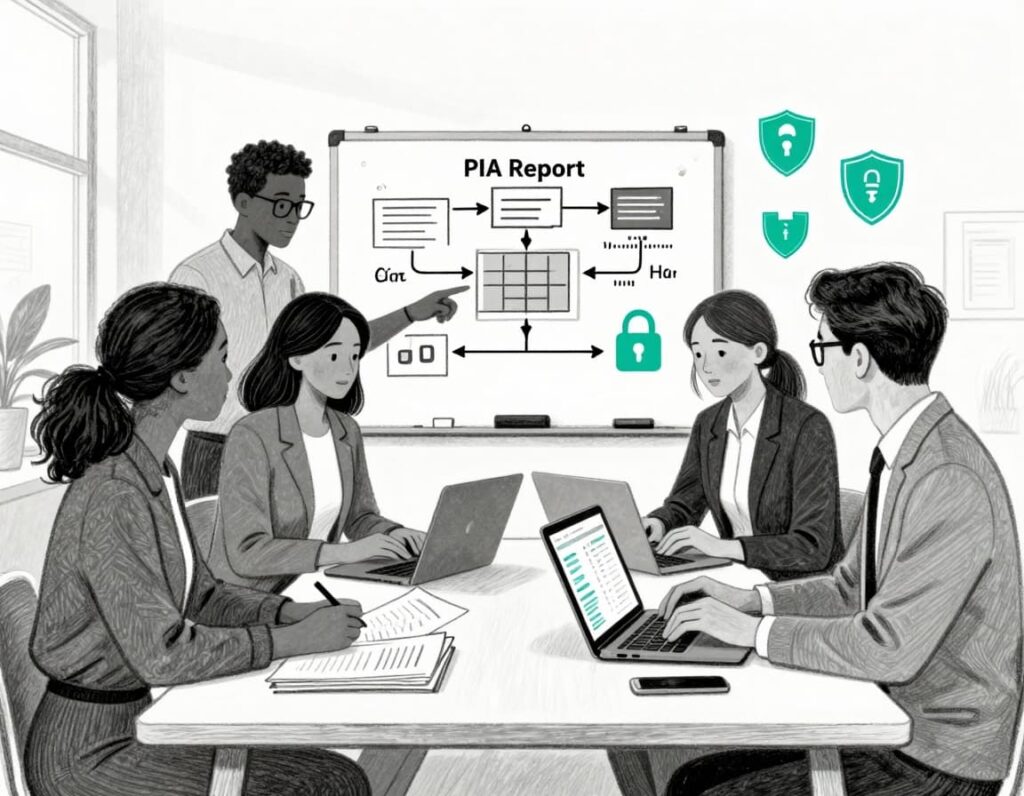
Cyber risk consulting for legal partner organizations (shared responsibility that ends finger pointing)

The law firm cybersecurity intake queue is overflowing with referrals, complicating risk management. A referral partner emails a spreadsheet “just for today.” A volunteer needs access “right now.” Then a phishing email lands, someone clicks, and suddenly you’re in the worst meeting of the year. After an incident, the first question is often: “Whose fault […]


Cyber risk consulting for legal partner organizations (shared responsibility that ends finger pointing) Read More »

An image of a leader getting executive coaching on digital strategy legal

Executive Coaching on Digital Strategy Legal: A Quiet Power Tool for Justice Leaders

The work you lead is already heavy. Case backlogs. Emergency grants. New reporting rules every year. Now AI tools, cloud systems, and cyber risks sit on top of it all. For legal nonprofits, executive coaching on digital strategy legal is no longer a nice-to-have. It is focused support that helps legal executives, such as the

Executive Coaching on Digital Strategy Legal: A Quiet Power Tool for Justice Leaders Read More »

An image of team in a justice lab data and technology support

How Justice Lab’s Data and Technology Support Strengthens Legal Nonprofits

If you run a justice-focused nonprofit, you probably feel the weight of your systems every day. Spreadsheets everywhere. Case notes in email. Fragile tools that buckle whenever a new grant report is due. This is where justice lab data and technology support comes in. In plain terms, a Justice Lab is a team that uses

How Justice Lab’s Data and Technology Support Strengthens Legal Nonprofits Read More »

An image of a team performing information governance for justice organizations

Information governance for justice organizations: from chaos to clarity

Challenges in information exchange. Shared drives that feel like a maze. People quietly pasting client details into email, chat, and AI tools because they just need to get the work done. That is the daily reality for many justice organizations operating within the justice system. Legal aid nonprofits, clinics, impact hubs, coalitions, and intermediaries in

Information governance for justice organizations: from chaos to clarity Read More »

An image of a team reducing spreadsheet overload in legal aid

From Spreadsheet Chaos to Clarity: Reducing Spreadsheet Overload in Legal Aid

Legal teams did what they had to do. Intake logs in Excel. Clinic rosters in Google Sheets. Grant reports in a dozen different files, each with its own tabs, color codes, and macros that only one person understands. Over time, those quick fixes turn into a shadow system. Dozens of trackers live in different folders

From Spreadsheet Chaos to Clarity: Reducing Spreadsheet Overload in Legal Aid Read More »

Remote Work Tools For Legal Services Teams That Protect Clients And Calm The Chaos

Remote work and hybrid arrangements are now standard for justice-focused organizations, much like in law firms. Legal professionals support advocates from home offices, co-working spaces, clinics, and sometimes from cars outside detention centers. In that mix, remote work tools for legal services teams are no longer nice-to-have. They are the backbone that keeps client stories,

Remote Work Tools For Legal Services Teams That Protect Clients And Calm The Chaos Read More »

Featured data classification guide for justice nonprofits image of data being sorted into different categories.

A Practical Data Classification Guide for Justice Nonprofits (Public, Internal, Sensitive, Restricted)

If your organization supports legal advocates, you already know the feeling: information is everywhere. Case notes in shared drives. Training rosters in spreadsheets. Partner lists in email threads. A “final” report living in five versions. A data classification policy (which is a key part of our data classification guide for justice nonprofits) is the simple

A Practical Data Classification Guide for Justice Nonprofits (Public, Internal, Sensitive, Restricted) Read More »

A team reviewing a AI Vendor Due Diligence Checklist

AI Vendor Due Diligence Checklist (Privacy, Bias, and Explainability)

Your intake queue is already loud. A report is due. A partner wants answers. Then a generative AI vendor promises to serve as your strategic technology partner and “save time” with summaries, triage, or a chatbot. That tool might also touch intake notes, safety plans, immigration status, or donor records. The risk isn’t abstract. It’s

AI Vendor Due Diligence Checklist (Privacy, Bias, and Explainability) Read More »

An image of a team using a shared crm for justice coalitions

Shared CRM For Justice Coalitions: Turning Fragmented Contacts Into Shared Power

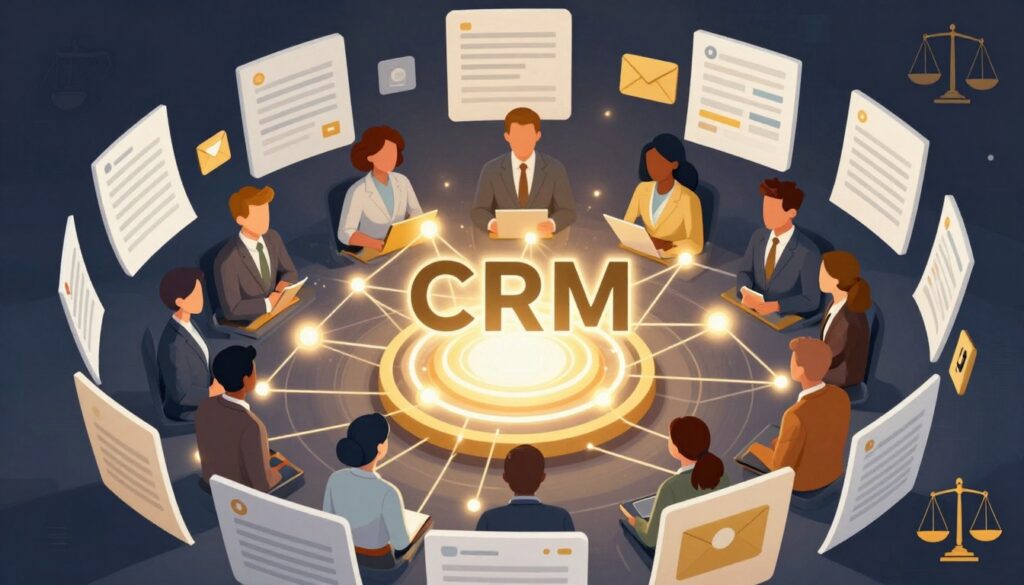
If you lead advocacy coalitions pursuing social justice as multisectoral collaboratives, you probably feel it in your bones: contacts everywhere, clarity nowhere. Spreadsheets on personal drives. Lists inside Mailchimp and Eventbrite. Notes trapped in someone’s inbox who left last month. A shared CRM for justice coalitions is a central, shared contact and relationship database across

Shared CRM For Justice Coalitions: Turning Fragmented Contacts Into Shared Power Read More »