nonprofit data management

Improving Funder Reporting for Legal Nonprofits: A Practical Field Memo

For leaders of legal nonprofits, improving funder reporting isn't about tweaking a process. It's about breaking a destructive cycle. It’s moving beyond the recurring, last-minute chaos to build a reliable, sustainable system that proves your impact without burning out your staff. This means centralizing scattered data, automating tedious manual work, and creating clear, repeatable workflows. […]

Improving Funder Reporting for Legal Nonprofits: A Practical Field Memo Read More »

A team working on data privacy strategy for access to justice organizations

Data Privacy Strategy for Access to Justice Organizations (Protect Data Without Slowing Service)

Your intake queue is already too long. Your staff is already doing triage with one eye on the clock and one eye on client safety. Then a privacy scare hits: a mis-sent email, a shared link left open, a spreadsheet copied to the wrong drive. The harm isn’t abstract. It can put a survivor at

Data Privacy Strategy for Access to Justice Organizations (Protect Data Without Slowing Service) Read More »

An image of team in a justice lab data and technology support

How Justice Lab’s Data and Technology Support Strengthens Legal Nonprofits

If you run a justice-focused nonprofit, you probably feel the weight of your systems every day. Spreadsheets everywhere. Case notes in email. Fragile tools that buckle whenever a new grant report is due. This is where justice lab data and technology support comes in. In plain terms, a Justice Lab is a team that uses

How Justice Lab’s Data and Technology Support Strengthens Legal Nonprofits Read More »

An image of a team performing information governance for justice organizations

Information governance for justice organizations: from chaos to clarity

Challenges in information exchange. Shared drives that feel like a maze. People quietly pasting client details into email, chat, and AI tools because they just need to get the work done. That is the daily reality for many justice organizations operating within the justice system. Legal aid nonprofits, clinics, impact hubs, coalitions, and intermediaries in

Information governance for justice organizations: from chaos to clarity Read More »

An image of a team reducing spreadsheet overload in legal aid

From Spreadsheet Chaos to Clarity: Reducing Spreadsheet Overload in Legal Aid

Legal teams did what they had to do. Intake logs in Excel. Clinic rosters in Google Sheets. Grant reports in a dozen different files, each with its own tabs, color codes, and macros that only one person understands. Over time, those quick fixes turn into a shadow system. Dozens of trackers live in different folders

From Spreadsheet Chaos to Clarity: Reducing Spreadsheet Overload in Legal Aid Read More »

Featured data classification guide for justice nonprofits image of data being sorted into different categories.

A Practical Data Classification Guide for Justice Nonprofits (Public, Internal, Sensitive, Restricted)

If your organization supports legal advocates, you already know the feeling: information is everywhere. Case notes in shared drives. Training rosters in spreadsheets. Partner lists in email threads. A “final” report living in five versions. A data classification policy (which is a key part of our data classification guide for justice nonprofits) is the simple

A Practical Data Classification Guide for Justice Nonprofits (Public, Internal, Sensitive, Restricted) Read More »

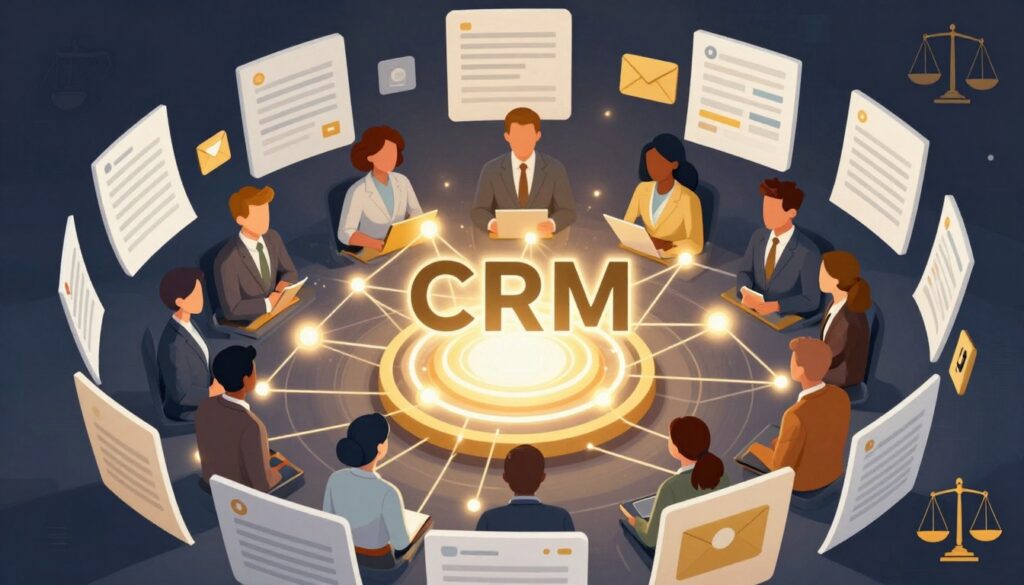
An image of a team using a shared crm for justice coalitions

Shared CRM For Justice Coalitions: Turning Fragmented Contacts Into Shared Power

If you lead advocacy coalitions pursuing social justice as multisectoral collaboratives, you probably feel it in your bones: contacts everywhere, clarity nowhere. Spreadsheets on personal drives. Lists inside Mailchimp and Eventbrite. Notes trapped in someone’s inbox who left last month. A shared CRM for justice coalitions is a central, shared contact and relationship database across

Shared CRM For Justice Coalitions: Turning Fragmented Contacts Into Shared Power Read More »

A Grant Reporting System That Doesn’t Break Every Quarter, A Practical Setup Using One Source of Truth

A Grant Reporting System That Doesn’t Break Every Quarter, A Practical Setup Using One Source of Truth

Quarterly grant reports shouldn’t feel like rebuilding a bridge while you’re driving over it. But for many justice-focused organizations, reporting season means the same scramble every time: exports from three tools, a spreadsheet no one trusts, last-minute number changes, and a quiet fear that the story won’t hold up under questions. A durable grant reporting

A Grant Reporting System That Doesn’t Break Every Quarter, A Practical Setup Using One Source of Truth Read More »

Coalition Data Sharing Agreements For Justice Coalitions: A Practical Guide

Courts, legal aid groups, community organizations, and service providers are sitting on pieces of the same story. Someone cycles through the criminal justice system, from arraignment to jail, shelter, and clinics. Their data lives in four or five systems. No one sees the full picture in time to change the outcome. That is where data

Coalition Data Sharing Agreements For Justice Coalitions: A Practical Guide Read More »

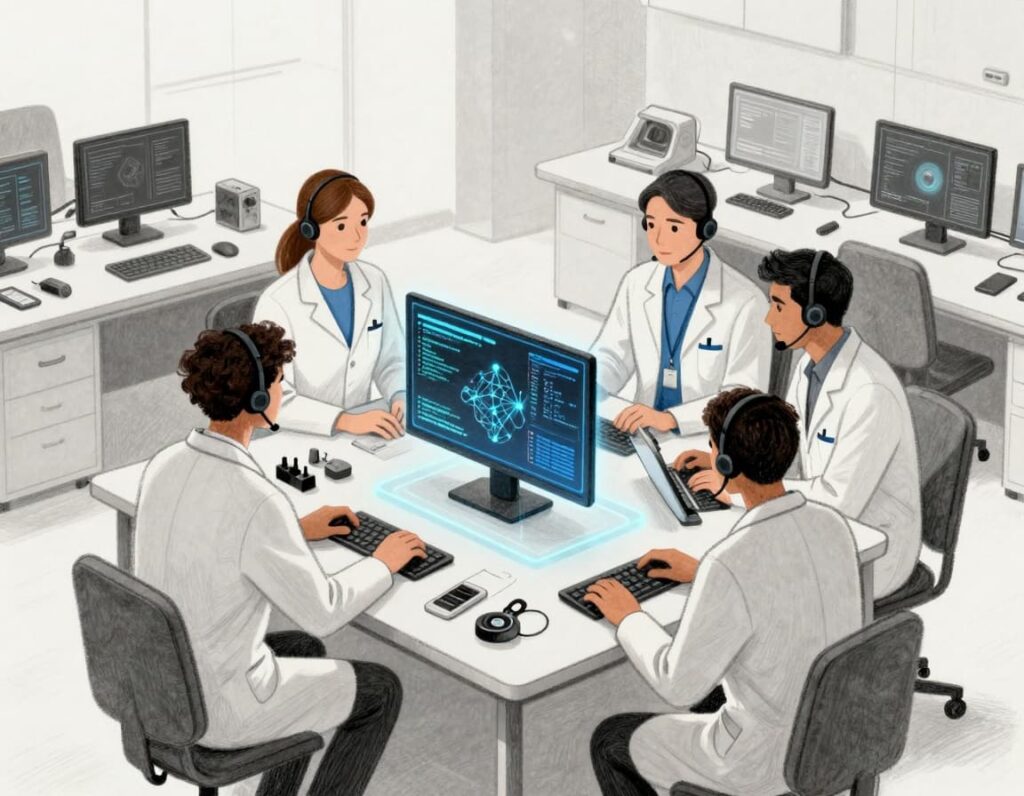
Image of a team learning about nonprofit data management.

From Spreadsheets To Shared Data: How Justice-Focused Nonprofits Data Management Can Unify Case And Program Records

Most justice-focused nonprofits were never meant to run on spreadsheets forever. Yet intake, clinics, trainings, and grant outcomes often sit in tabs and shared drives that only a few people really understand. When funders, boards, or partners ask simple questions, staff scramble. Exports, copy‑paste, late nights. People worry about privacy but do not feel they

From Spreadsheets To Shared Data: How Justice-Focused Nonprofits Data Management Can Unify Case And Program Records Read More »