
Technology is transforming every facet of business, and the stakes for leadership have never been higher. Boardrooms are now deeply invested in technology strategy, making the partnership between Boards and CTOs a decisive factor for success.
As digital transformation accelerates, cybersecurity risks grow, and the pressure to innovate mounts, leaders must rethink how they collaborate. For organizations to thrive, understanding the evolving board cto relationship is crucial.
This guide explores key shifts, challenges, and best practices shaping how Boards and CTOs work together. Discover actionable insights to help your organization leverage technology as a true competitive advantage in 2026.
The Shifting Role of the CTO
The evolving board cto relationship is reshaping what it means to be a Chief Technology Officer. No longer confined to IT operations, CTOs are stepping into the spotlight as strategic business leaders. This transformation is being driven by rapid digitalization, rising cyber threats, and mounting pressure for innovation.
From Technical Expert to Strategic Business Leader
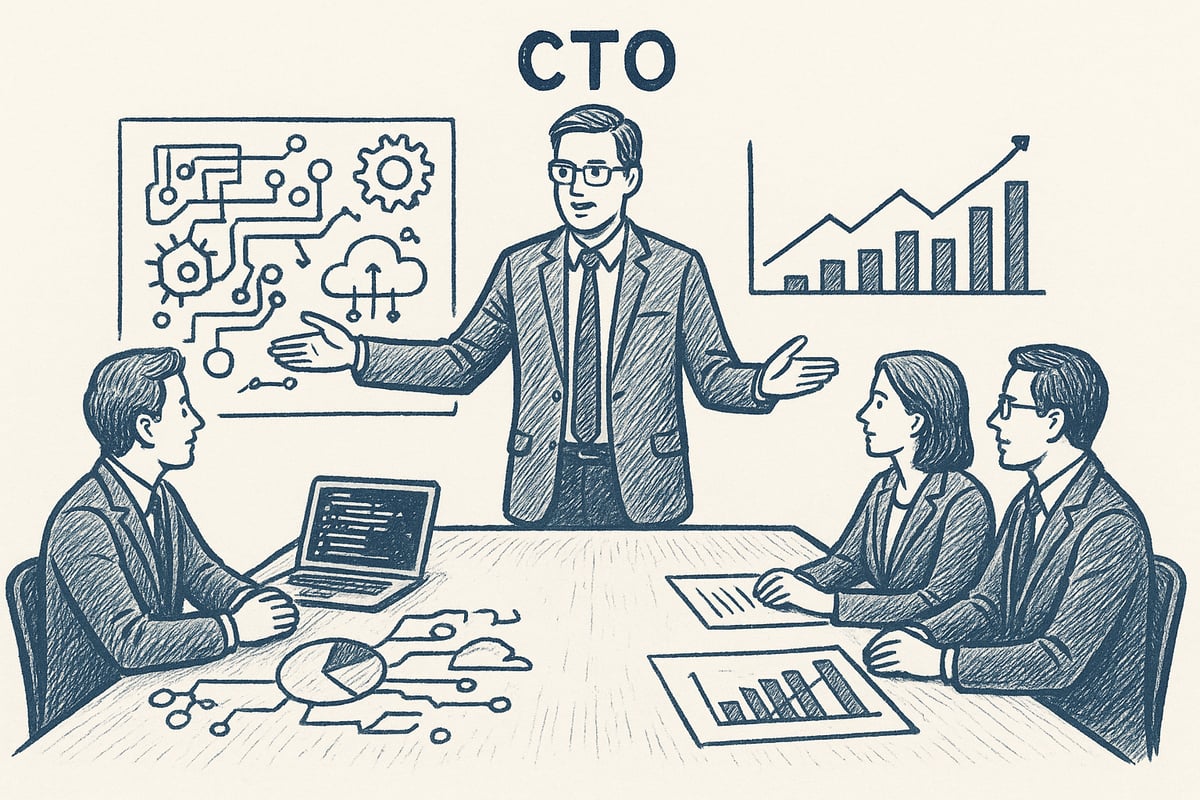
In 2026, the evolving board cto relationship is defined by the CTO’s transition from technical implementer to key driver of business strategy. CTOs are now expected to influence company vision and shape long-term plans. According to Gartner, 65% of Boards want CTOs to contribute directly to revenue growth strategies, highlighting the strategic weight of their role.
Companies that elevate CTOs to the executive table experience a 20% faster adoption of digital initiatives. This demonstrates that the evolving board-cto relationship is not just about technology, but about driving measurable business outcomes. The CTO must balance deep technical expertise with commercial insight and strong leadership.
A notable trend is the rise of the fractional CTO model, especially among mid-market organizations. These part-time executives provide strategic guidance without the full-time cost, allowing more companies to benefit from the evolving board cto relationship.
CTOs are also responsible for creating a culture of innovation and agility. They work across departments to break down silos, encourage experimentation, and accelerate change. This cross-functional influence is essential as organizations navigate constant disruption.
| Traditional CTO Role | 2025 CTO Role |
|---|---|
| IT Operations | Strategic Business Leadership |
| Project Delivery | Revenue Growth and Innovation |
| Technical Problem-Solving | Board-Level Influence |
| Siloed Department | Cross-Functional Collaboration |
The evolving board-cto relationship thus positions CTOs as catalysts for growth, not just guardians of infrastructure.
Evolving Skillsets and Expectations
As the evolving board cto relationship matures, Boards expect CTOs to demonstrate advanced communication, stakeholder management, and change leadership skills. Technical depth remains important, but today’s CTO must also translate complex technology issues into clear business impacts.
There is a growing need for CTOs to lead cross-functional teams and bridge the gap between business goals and IT execution. Cybersecurity, data governance, and compliance have moved to the forefront. In fact, Deloitte reports that 78% of Boards cite cybersecurity as a top concern requiring CTO leadership.
Staying ahead of emerging technologies like AI, IoT, and cloud is now part of the CTO mandate. Assessing their potential for business transformation is a core expectation in the evolving board cto relationship.
To meet these demands, CTOs are investing in continuous learning and building teams with diverse expertise. Many are also leveraging strategic technology leadership insights to align their approach with evolving Board expectations.
Ultimately, the evolving board cto relationship requires CTOs to be both visionary leaders and operational experts. Those who adapt quickly will help their organizations turn technology into a competitive advantage in 2026.
The Board’s Expanding Technology Mandate
As organizations navigate the evolving board cto relationship, the Board’s role in technology oversight has never been more critical. The digital landscape is shifting rapidly, and Boards must now address technology risks, innovation, and transformation as core strategic priorities. This shift is redefining both Boardroom discussions and the standards for effective governance.

Technology as a Board-Level Priority
Within the evolving board cto relationship, Boards are now holding themselves accountable for technology-driven outcomes. No longer limited to approving IT budgets, Board members are expected to oversee digital transformation, manage technology risk, and drive innovation at the highest level.
Recent research reveals that 82% of Boards have made technology a standing agenda item. This commitment reflects a broader recognition that technology decisions impact every aspect of business performance, from operational resilience to customer experience.
To meet these demands, many leading organizations have established dedicated Board technology committees. These groups focus on areas such as:
- Digital transformation strategy
- Cybersecurity posture and incident response planning
- Oversight of major technology investments
- Regulatory and compliance monitoring
For example, Fortune 500 companies now routinely form tech committees to scrutinize technology ROI, cybersecurity, and digital innovation. This trend is reinforced by increasing regulatory expectations. Boards must assess the value and risks of technology investments, not just their costs.
Additionally, Boards are turning to frameworks and best practices to strengthen their approach. For deeper insights on effective Board governance models, explore Board technology governance best practices.
By elevating technology to a Board-level priority, companies are better positioned to anticipate risks, seize digital opportunities, and foster a stronger partnership in the evolving board-cto relationship.
Board Composition and Tech Literacy
As the evolving board cto relationship matures, Board composition is adapting to meet new challenges. Organizations are actively appointing directors with technology backgrounds or digital expertise to ensure robust oversight of complex tech issues.
A growing number of Boards are investing in upskilling and training programs. These initiatives help existing members grasp essential technology fundamentals, enabling informed decision-making. Notably, Nasdaq now mandates that listed companies have at least one Board member with cybersecurity expertise, highlighting the critical importance of tech literacy.
Key trends shaping Board composition include:
- Recruitment of directors with backgrounds in IT, cybersecurity, or digital strategy
- Ongoing Board education on emerging technologies and data governance
- Emphasis on diversity to provide a broader range of perspectives for technology governance
Diversity among Board members enhances the ability to identify and manage technology risks while fostering innovation. A mix of experiences and viewpoints is essential for effective oversight in the evolving board-cto relationship.
Ultimately, Boards that prioritize tech literacy and diverse expertise are better equipped to partner with CTOs, ensuring technology becomes a true driver of business value.
Building Effective Board CTO Communication Channels
Clear, consistent communication is the backbone of the evolving board-cto relationship. As technology decisions grow more complex, Boards and CTOs must bridge gaps in language, understanding, and expectations. Without robust dialogue, strategic alignment falters and risk increases.

Overcoming Communication Barriers
Many organizations struggle with communication hurdles that hinder the evolving board-cto relationship. Common disconnects include:
- Technical jargon that confuses non-technical board members
- Differing priorities between business growth and technology infrastructure
- Varied risk appetites, especially around digital transformation and cybersecurity
To address these challenges, CTOs must translate complex technology concepts into clear business impacts. For example, using dashboards and visual reporting makes technical data accessible and actionable for the Board. This approach not only clarifies risks and opportunities but also helps the Board understand how technology drives value.
Regular, structured communication routines are essential. Monthly briefings, joint workshops, and scenario planning sessions keep everyone informed and engaged. Board liaisons or technology committees can serve as vital bridges, ensuring that feedback and concerns flow both ways.
The evolving board-cto relationship also benefits from outside perspectives. Many mid-sized companies now leverage Fractional CTO leadership benefits to bridge knowledge gaps, offering Boards expert guidance without the need for full-time technology executives.
Ultimately, investing in effective communication tools and routines is a strategic priority for any organization committed to strengthening the evolving board-cto relationship.
Best Practices for Productive Engagement
To make the most of the evolving board-cto relationship, organizations should adopt proven engagement strategies. Consider these best practices:
| Best Practice | Description |
|---|---|
| Joint goal-setting sessions | Align digital priorities and business outcomes |
| Transparency on risk/resources | Share honest updates on timelines, risks, and resource needs |
| Visual reporting | Use dashboards and visuals to simplify complex information |
| Regular workshops | Foster ongoing education and mutual understanding |
| Psychological safety | Encourage open dialogue and respect differing viewpoints |
Organizations that prioritize these practices see measurable results. For instance, companies with clear Board-CTO communication report 30% fewer project delays, according to Forbes. This highlights the tangible value of nurturing trust and openness.
Mutual respect and psychological safety are crucial elements in the evolving board-cto relationship. When both parties feel heard and valued, they collaborate more effectively and respond faster to emerging challenges.
By embedding these communication habits into their governance structures, Boards and CTOs can unlock stronger alignment and more agile decision-making, ensuring the evolving board-cto relationship delivers sustained competitive advantage.
Governance, Risk, and Compliance in the Digital Age
In the digital era, governance, risk, and compliance are no longer check-the-box activities. They are now foundational pillars for the evolving board-cto relationship. As technology becomes central to business strategy, Boards and CTOs must collaborate to manage risk, ensure compliance, and drive responsible innovation.
New Models for Technology Governance
The evolving board cto relationship demands a shift from reactive oversight to proactive technology governance. Boards are moving beyond traditional risk management, adopting frameworks that anticipate issues before they arise. This approach empowers organizations to address threats and opportunities with greater agility.
Leading frameworks such as COBIT, NIST, and ISO standards provide structured methods for managing technology risk. These models ensure that governance is not just about compliance, but about creating value and enabling innovation. Consider the following comparison:
| Framework | Focus Area | Key Benefit |
|---|---|---|
| COBIT | IT Governance | Aligns IT with goals |
| NIST | Cybersecurity | Reduces cyber risk |
| ISO 27001 | Information Security | Standardizes controls |
By integrating these frameworks, Boards can evaluate technology investments with a balanced view of risk and return. The evolving board-cto relationship requires regular review of technology risk dashboards at the Board level. These dashboards offer real-time visibility into project status, vulnerabilities, and compliance gaps.
Environmental, Social, and Governance (ESG) factors are also increasingly woven into technology strategy. Boards expect CTOs to demonstrate how digital initiatives support sustainability, ethical data use, and social responsibility. This integration strengthens trust with stakeholders and aligns technology with long-term business values.
By embracing new governance models, organizations set the stage for resilient, forward-thinking technology leadership. The evolving board-cto relationship is built on a foundation of transparency, shared responsibility, and strategic foresight.
Addressing Cybersecurity and Compliance
Cybersecurity and compliance have become top priorities for Boards and CTOs alike. The evolving board-cto relationship is defined by joint accountability for cyber risk management. Recent studies show that 70% of Boards increased cybersecurity budgets in 2025, reflecting the urgency of a robust defense.
Boards expect CTOs to provide clear, actionable insights into emerging threats and regulatory changes. Compliance demands are multiplying, with regulations like GDPR and CCPA requiring constant vigilance. CTOs must lead efforts to maintain audit readiness, implement secure architectures, and coordinate incident response plans.
Effective risk management relies on close collaboration. Routine Board-CTO briefings, tabletop exercises, and scenario planning help ensure everyone is prepared for potential breaches or compliance failures. The evolving board-cto relationship thrives when there is open dialogue and a shared commitment to continuous improvement.
For organizations seeking practical steps, leveraging compliance and cybersecurity guidance can help Boards and CTOs stay ahead of evolving risks and regulatory demands. This resource offers actionable frameworks for aligning security efforts with business strategy.
Ultimately, the evolving board-cto relationship is measured by the organization’s ability to anticipate, withstand, and recover from risk events. By prioritizing cybersecurity and compliance, Boards and CTOs protect both enterprise value and stakeholder trust.
How Fractional CTO Leadership Bridges the Board CTO Gap
Today, many mid-sized organizations face the same complex technology challenges as large enterprises, yet lack the resources for a full-time CTO. This reality creates a critical gap in the evolving board-cto relationship, where strategic technology guidance is essential for sustained growth and risk management.

Fractional CTOs are emerging as a practical solution, delivering high-level expertise and strategic oversight without the expense of a permanent executive. These professionals step in to align technology initiatives with Board priorities, ensuring that every investment supports the company’s broader business goals.
The evolving board-cto relationship also benefits from the agility that fractional leadership offers. Unlike traditional CTOs, fractional leaders can be engaged on-demand, scaling their involvement as business needs change. This flexibility is particularly valuable for organizations navigating rapid digital transformation or facing urgent cybersecurity threats.
Here is a quick comparison of the two models:
| Feature | Full-Time CTO | Fractional CTO |
|---|---|---|
| Cost | High salary, benefits | Pay-as-you-go |
| Strategic Alignment | Consistent | Tailored, on-demand |
| Speed of Engagement | Slow to hire | Immediate availability |
| Board Collaboration | Regular, internal | Focused, external |
| Breadth of Experience | Deep, company-specific | Broad, cross-industry |
Companies that embrace fractional CTOs report faster digital transformation, improved Board confidence, and measurable results. For example, organizations leveraging this model often see cost reductions, new revenue streams, and significant risk mitigation.
Fractional CTOs also help demystify complex technology topics for Board members, translating technical jargon into actionable business insights. This role is increasingly vital, as Boards expect their technology leaders to stay ahead of trends like AI and automation. For deeper insights into the evolving responsibilities of CTOs, see CTO’s Role in AI Transformation.
The evolving board cto relationship thrives on trusted partnerships. Fractional leaders act as a bridge, ensuring continuous alignment between Board vision and technology execution. They facilitate open communication, set clear expectations, and maintain transparency around risks and resources.
Ultimately, this partnership model empowers mid-sized businesses to compete at a higher level. By leveraging fractional CTO leadership, organizations gain access to executive-level guidance that keeps them agile, innovative, and well-governed within the evolving board-cto relationship.
Future Trends Shaping the Board-CTO Relationship
Anticipating future trends is essential for organizations seeking to master the evolving board cto relationship. As we look toward 2026 and beyond, both Boards and CTOs must prepare for a landscape defined by rapid technological change, new governance demands, and shifting collaboration models.
The Rise of AI, Automation, and Data-Driven Decision Making
AI and automation are rapidly redefining the evolving board cto relationship. Boards now expect CTOs to lead the charge in adopting AI-driven tools, automation solutions, and advanced analytics. According to recent industry research, 60 percent of Boards plan to increase investment in AI initiatives by 2025, making it clear that technology strategy is a board-level priority.
The evolving board cto relationship demands CTOs to not only deploy these technologies but also ensure their responsible and ethical use. This includes establishing robust AI governance frameworks, setting clear policies for data privacy, and fostering digital trust across the organization.
Key priorities for CTOs in this environment include:
- Identifying AI opportunities that align with business goals.
- Developing transparent AI governance structures.
- Ensuring compliance with data privacy regulations.
- Educating the Board about AI risks and opportunities.
As outlined in CTO Priorities in 2025, successful CTOs will focus on business impact, not just technical implementation. Their leadership is central to building a competitive edge as digital transformation accelerates.
The evolving board-cto relationship will hinge on how well Boards and CTOs collaborate to unlock the potential of AI while managing risk. With data-driven decision making at the forefront, organizations must ensure alignment on technology vision and execution.
Evolving Models of Collaboration and Oversight
The evolving board cto relationship is being shaped by new models of collaboration. Hybrid and remote work environments have prompted Boards and CTOs to adopt digital collaboration tools, real-time reporting dashboards, and secure digital Board portals. These tools enable seamless communication and faster, more informed decision making.
To support effective oversight, organizations are increasingly relying on:
- Scenario planning tools for anticipating disruptions.
- Digital Board portals for document sharing and voting.
- Real-time analytics dashboards for monitoring key initiatives.
- External advisors to provide specialized technology insights.
This evolution also brings fresh challenges. Boards and CTOs must now anticipate the impact of quantum computing, evolving supply chain risks, and shifting regulatory landscapes. The evolving board cto relationship will be tested by the need for agility and resilience in the face of these uncertainties.
Insights from CTO Predictions for 2025 highlight that Boards will look to CTOs for guidance on emerging threats and the adoption of new technologies. Proactive collaboration, continuous upskilling, and a shared commitment to innovation will define the most successful partnerships.
Ultimately, the evolving board cto relationship will thrive when both sides embrace new tools, foster open dialogue, and remain adaptable to whatever the future holds.
As we’ve explored, the Board CTO relationship is evolving quickly, and finding the right balance between technology vision and business strategy is more crucial than ever. If you’re ready to turn your technology challenges into real opportunities—or simply want clearer alignment between your Board’s goals and your tech roadmap—we’re here to help. You don’t need to navigate this complexity alone. Let’s talk about how a fractional technology executive can bring clarity, momentum, and measurable results to your organization’s next chapter. Talk to a Fractional Technology Executive