
Cyber threats are evolving at a staggering pace, putting organizations of every size at risk. As attackers grow more sophisticated, the need for effective cybersecurity has never been more urgent.
That is why top cyber security companies are prioritizing proactive, strategic measures to safeguard digital assets and strengthen resilience. Their expertise sets the standard for staying ahead of threats and minimizing risk.
In this article, you will discover nine essential strategies that leading experts use, from comprehensive risk management to cutting-edge innovation. Explore these proven approaches to secure your organization’s future and stay one step ahead.
Why Strategic Cyber Security is Non-Negotiable
The Escalating Threat Landscape
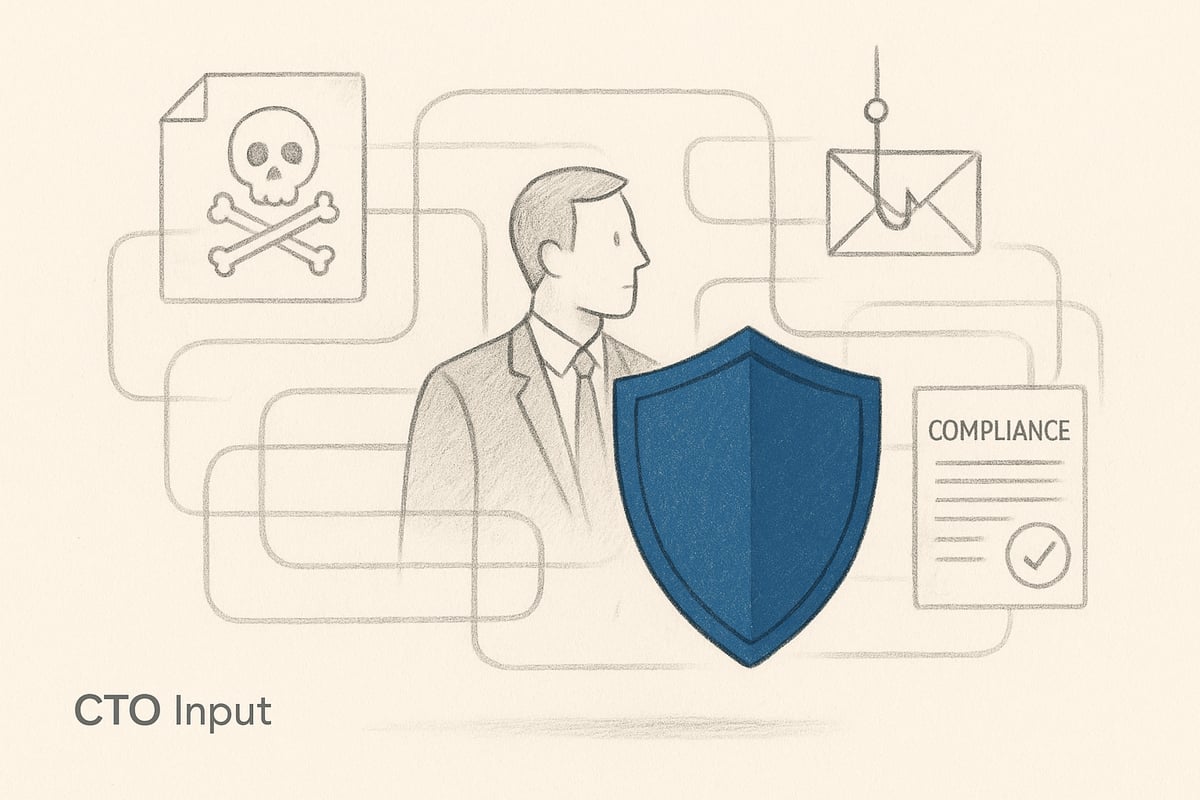
Cyber threats are no longer rare events—they are a daily reality. The frequency and complexity of cyber attacks, including ransomware, phishing, and zero-day exploits, have surged. Attackers now use advanced techniques, making it harder for organizations to spot and stop breaches before major damage is done.
For top cyber security companies, the stakes are high. Global cybercrime costs are projected to reach trillions each year. In recent incidents, businesses have faced not only direct financial losses but also lasting reputational harm and regulatory fines. For example, a single overlooked vulnerability can lead to a massive data breach, paralyzing operations and eroding customer trust overnight.
The relentless pace of these threats means that no organization is immune. Early detection and strategic defense are essential for survival. Organizations must look to top cyber security companies for proven methods to stay ahead of attackers and minimize risks.
Evolving Regulatory and Compliance Demands
Around the world, data protection regulations and cybersecurity standards continue to evolve. Laws like GDPR, CCPA, and region-specific frameworks now require organizations to maintain strict controls over personal and sensitive data. Enforcement is increasing, and penalties for non-compliance can be severe.
Top cyber security companies help organizations meet these growing demands. Continuous monitoring and detailed reporting are now expected, not optional. Failing to comply with even a single requirement can trigger investigations, hefty fines, or even class-action lawsuits. High-profile compliance breaches have led to millions in penalties and significant brand damage.
To stay compliant, businesses must regularly review their security posture, document their processes, and quickly address any gaps. This ongoing effort is as much about protecting clients and stakeholders as it is about adhering to the law.
The Business Case for Proactive Security
Effective cybersecurity is not just a technical necessity—it is a strategic business driver. Organizations that prioritize security gain the trust of customers, partners, and investors. Being proactive not only prevents losses but also positions a business as a reliable leader in its field.
Top cyber security companies understand that prevention is far less costly than remediation after a breach. Studies show that organizations with strong security programs experience fewer incidents and recover faster when attacks do occur. Executive leadership plays a crucial role in setting the tone for cyber resilience, ensuring that security is woven into every decision.
Stakeholders now expect transparency and accountability. By adopting Strategic Cybersecurity Approaches, organizations can build resilience and adapt to new threats as they arise, creating a sustainable competitive advantage.
To learn more and connect with a member of the CTO Input team, visit https://www.ctoinput.com.
Spend a few minutes exploring the rest of the articles on the CTO Input blog at https://blog.ctoinput.com
9 Essential Strategies Used by Top Cyber Security Companies
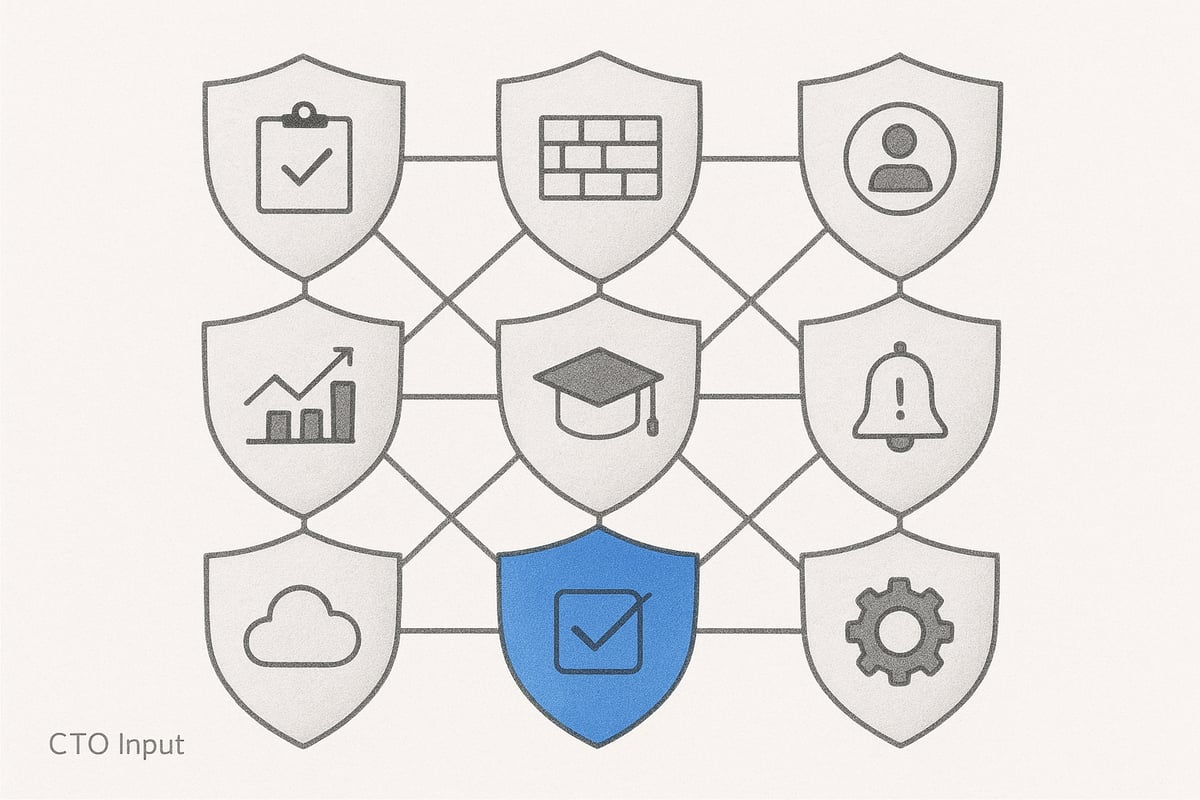
The digital threat landscape is always shifting, which means organizations must stay vigilant and forward-thinking. The most successful top cyber security companies use a blend of foundational best practices and advanced innovations to protect their clients. Below, we explore nine essential strategies that set these leaders apart.
1. Comprehensive Risk Assessment and Continuous Monitoring
Top cyber security companies start with a thorough understanding of risk. They regularly assess assets, vulnerabilities, and potential threats, ensuring nothing critical is overlooked.
Continuous monitoring is a key differentiator. By deploying automated tools that scan for anomalies and suspicious activity, these companies catch threats before damage occurs. Integrating risk management into daily business processes means every department is part of the security posture.
For example, real-time monitoring systems can detect unusual login attempts or data transfers, triggering rapid investigation. This proactive approach helps organizations prevent incidents rather than just respond to them.
2. Multi-Layered Defense Architecture
Defense in depth is a hallmark of top cyber security companies. They implement multiple layers of security across endpoints, networks, applications, and data, so a single failure does not compromise the entire system.
Key elements include:
- Firewalls and intrusion detection/prevention systems
- Network segmentation to limit lateral movement
- Application security controls
- Data encryption and secure storage
Redundancy and overlapping controls improve resilience to both internal and external threats. In one case, a layered architecture stopped a sophisticated attack by isolating affected segments and preventing escalation.
3. Zero Trust Implementation
Zero trust is a guiding principle for top cyber security companies: never trust, always verify. Instead of assuming internal traffic is safe, every access request is authenticated and authorized.
Core steps include:
- Strict identity verification for users and devices
- Least privilege access, granting only necessary permissions
- Micro-segmentation to isolate sensitive assets
Integrating zero trust with legacy infrastructure can be complex, but it significantly reduces attack surfaces. In hybrid environments, such as organizations with both on-premises and cloud systems, zero trust helps prevent unauthorized lateral movement and data breaches.
4. Advanced Threat Intelligence and Analytics
Top cyber security companies leverage advanced threat intelligence to anticipate and counter attacks. They integrate artificial intelligence and machine learning to analyze vast data streams, identifying patterns that human analysts might miss.
Real-time analytics enable quicker detection, containment, and mitigation of threats. Sharing intelligence across departments ensures everyone is aware of emerging risks and tactics.
By adopting AI-driven analytics, organizations gain a strategic edge. For more on how industry leaders use these technologies, visit AI and Cyber Risk Management. This approach results in faster detection and more effective responses to complex threats.
5. Security Awareness Training and Human Firewall
Human error is a leading cause of breaches, so top cyber security companies prioritize workforce education. They conduct regular, targeted training for all staff, ensuring everyone understands the latest threats and best practices.
Key elements of effective programs:
- Simulated phishing and social engineering exercises
- Interactive modules on password hygiene and safe browsing
- Metrics to gauge training effectiveness
Organizations see a measurable reduction in successful phishing attempts after implementing comprehensive training, transforming employees into a powerful human firewall.
6. Incident Response Planning and Rapid Recovery
Preparation is critical for top cyber security companies. They develop and test incident response plans that outline clear roles, responsibilities, and communication protocols.
An effective plan includes:
- Rapid containment and eradication steps
- Procedures for recovering data and restoring systems
- Post-incident reviews to identify lessons and drive improvements
Statistics show that organizations with robust response plans recover faster and incur fewer costs than those without. Continuous refinement ensures readiness for new and evolving threats.
7. Cloud Security and Data Protection Best Practices
As businesses embrace cloud services, top cyber security companies focus on securing these environments. They follow the shared responsibility model, clarifying which security tasks belong to the provider and which to the customer.
Best practices include:
- Strong data encryption, both at rest and in transit
- Granular access controls and regular permission reviews
- Secure configuration of cloud resources
Continuous monitoring for unusual activity in cloud workloads is essential. Robust cloud security prevents data leaks and ensures compliance in both multi-cloud and hybrid deployments.
8. Regular Security Audits and Compliance Management
Security is not a one-time effort. Top cyber security companies conduct regular audits to identify gaps and ensure alignment with industry standards and regulations.
Key practices:
- Automated compliance tracking and reporting
- Prompt remediation of audit findings
- Adherence to frameworks such as ISO 27001, NIST, or GDPR
Regular assessments reduce the risk of non-compliance penalties and strengthen overall security posture. Ongoing audits also help organizations adapt to new regulatory requirements.
9. Embracing Security Automation and Orchestration
Automation is transforming how top cyber security companies operate. By automating repetitive tasks, such as log analysis or alert triage, teams can focus on higher-value work.
Orchestration connects security tools into unified workflows, streamlining incident response and remediation. This integration means threats are detected and addressed faster, with less room for human error.
For instance, automated playbooks can contain attacks within seconds, minimizing the impact on critical business operations.
To learn more and connect with a member of the CTO Input team, visit https://www.ctoinput.com.
Spend a few minutes exploring the rest of the articles on the CTO Input blog at https://blog.ctoinput.com
Selecting and Evaluating Cyber Security Partners
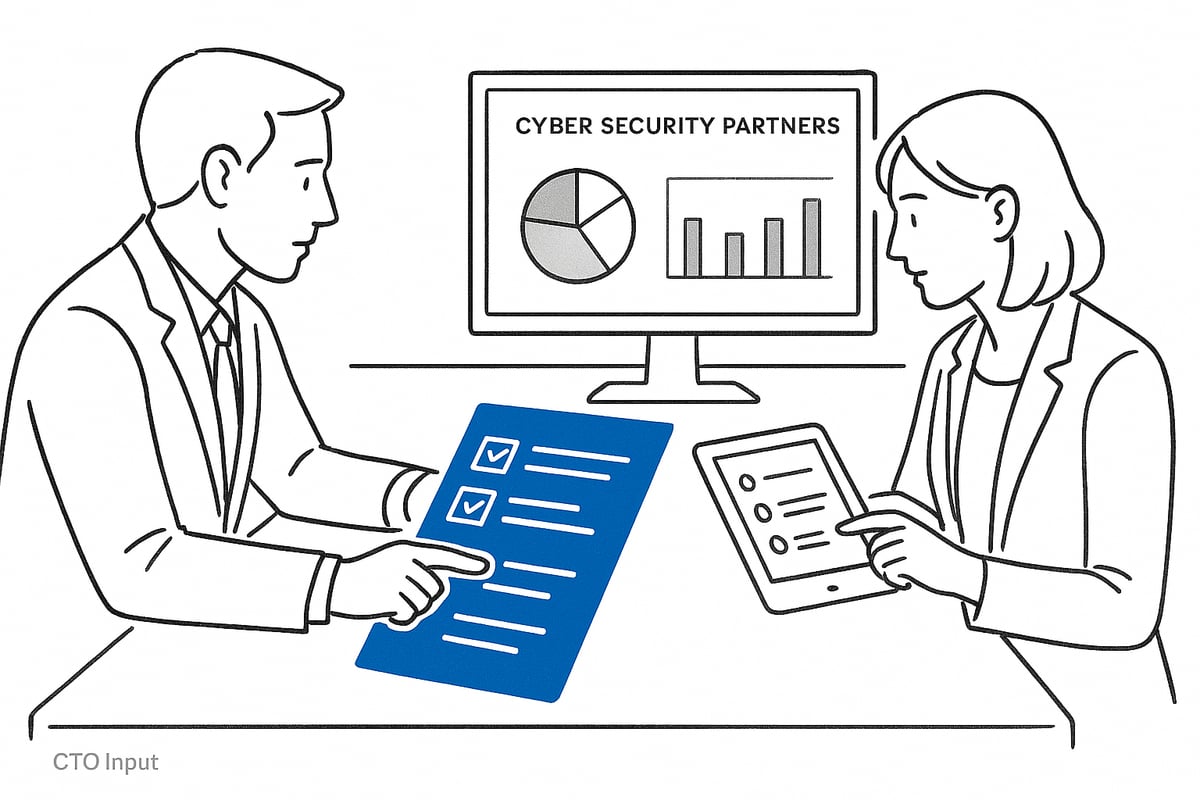
Choosing the right partner is a pivotal step for organizations seeking the protection and guidance offered by top cyber security companies. This decision impacts not only immediate security posture but also long-term resilience and regulatory alignment. To maximize value and minimize risk, a structured evaluation process is essential.
Key Criteria for Choosing Effective Solutions
When evaluating top cyber security companies, organizations should prioritize several critical factors. First, solutions must align with your risk profile and specific industry requirements. Scalability and integration capabilities ensure that as your business grows, your defenses adapt seamlessly.
Transparency is vital. Choose partners who openly share their practices, reporting standards, and incident response protocols. A strong track record of innovation and adaptation to emerging threats is non-negotiable. Compliance should be a core offering—look for vendors who can demonstrate a deep understanding of regulatory standards, as discussed in Compliance and Cybersecurity Insights.
Finally, cultural fit matters. Effective communication, shared values, and collaborative approaches ensure the partnership thrives. By focusing on these criteria, organizations can confidently select top cyber security companies that deliver measurable results.
Questions to Ask Potential Partners
Before committing, organizations should ask targeted questions to assess the true capabilities of top cyber security companies. Consider the following:
- How does the provider stay ahead of evolving cyber threats?
- What is their approach to continuous improvement and staff training?
- How do they ensure compliance, transparency, and timely reporting?
- What support and guidance are available after implementation?
- Can they provide references or case studies demonstrating successful outcomes?
These questions help reveal the company’s commitment to ongoing excellence, regulatory alignment, and customer support. By engaging in this dialogue, organizations gain clarity on whether the partner can sustain and evolve their security posture.
To learn more and connect with a member of the CTO Input team, visit https://www.ctoinput.com.
Spend a few minutes exploring the rest of the articles on the CTO Input blog at https://blog.ctoinput.com.
The Future of Cyber Security: Trends and Innovations
The digital threat landscape keeps evolving, driving organizations to rethink how they protect their most valuable assets. Top cyber security companies are leading the charge by embracing cutting-edge solutions and innovative mindsets.
Emerging Technologies and Approaches
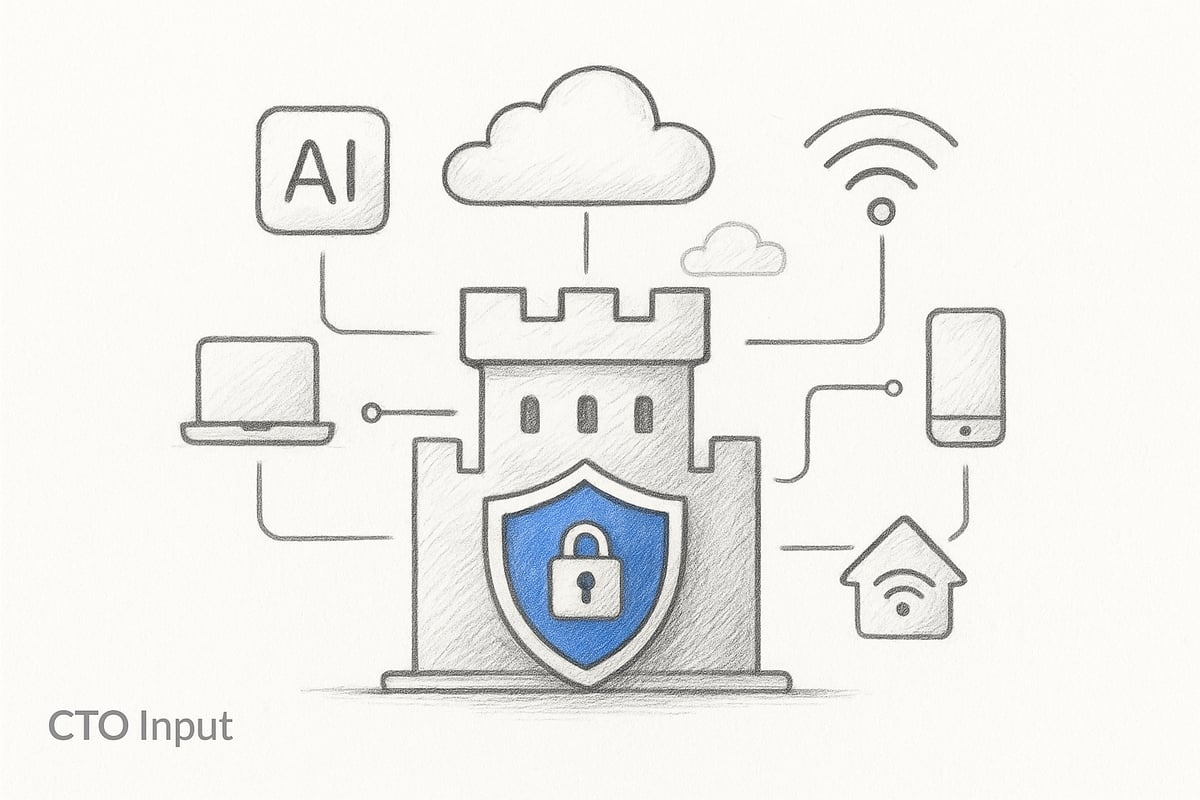
Top cyber security companies are rapidly integrating new technologies to stay ahead of adversaries. Artificial intelligence and predictive analytics are now essential, enabling faster detection of threats and smarter defense strategies. Identity and access management has grown in importance, especially as organizations expand their digital footprints.
IoT and edge devices introduce more complexity, requiring security to extend beyond traditional boundaries. There is a growing focus on privacy and data sovereignty as organizations navigate global compliance landscapes. Collaboration and intelligence sharing are now critical, as discussed in PwC’s 2026 Cybersecurity Outlook, highlighting how industry-wide cooperation helps thwart advanced threats.
AI-driven security tools are fundamentally transforming how top cyber security companies operate. They not only detect anomalies but also automate responses, a trend explored in AI’s Role in Cybersecurity Strategies. These innovations are setting new standards for resilience and adaptability.
Preparing for Tomorrow’s Threats
To prepare for future threats, top cyber security companies are prioritizing continuous learning and adaptation. Investing in talent and ongoing skill development ensures teams are ready for new challenges. Building a strong security culture across the organization is essential for long-term success.
Proactive strategies are replacing reactive approaches. This includes regular training, evolving incident response plans, and leveraging advanced tools to anticipate risks. The focus is on staying agile and resilient, regardless of how the threat landscape changes.
Organizations that follow these principles are better equipped to safeguard their assets and maintain a competitive edge. To learn more and connect with a member of the CTO Input team, visit https://www.ctoinput.com.
Spend a few minutes exploring the rest of the articles on the CTO Input blog at https://blog.ctoinput.com
As we’ve explored, staying ahead of cyber threats in 2026 means taking a proactive, strategic approach—aligning risk management, defense, compliance, and innovation with your organization’s unique needs. At CTO Input, we know turning technology from a pain point into a business advantage can feel overwhelming—but you don’t have to tackle it alone. If you’re ready to identify gaps, strengthen your defenses, and accelerate your growth with expert guidance, let’s take the first step together.
Schedule A Strategy Call
and discover how your technology can truly become your superpower.