

If you lead a justice-focused organization in 2026, you are sitting on a mountain of data and a knot of risk. Case notes in one system, intake in another, program data in spreadsheets, AI tools creeping into daily work, and funders asking for more precise, more frequent impact reports. For many executive directors and operations leaders, data strategy for legal advocacy feels like background noise until something hurts: a rushed grant report, a security scare, or a board meeting where the numbers do not match. This guide is here to cut through that noise and help you design a practical, mission-first data strategy that supports advocates, protects people, and makes impact measurement both easier and more credible.
Key Takeaways: What a Strong Data Strategy for Legal Advocacy Delivers
- Clear, trusted evidence of impact for boards, funders, and communities.
- Less staff time spent wrestling with spreadsheets and manual reporting.
- Safer handling of sensitive client and case data, with fewer scary surprises.
- A data strategy for legal advocacy that connects case work to policy and systems change.
- Frontline advocates and partners who actually use data to make smarter decisions.
Start With Mission, People, and Risk Before You Talk About Tools
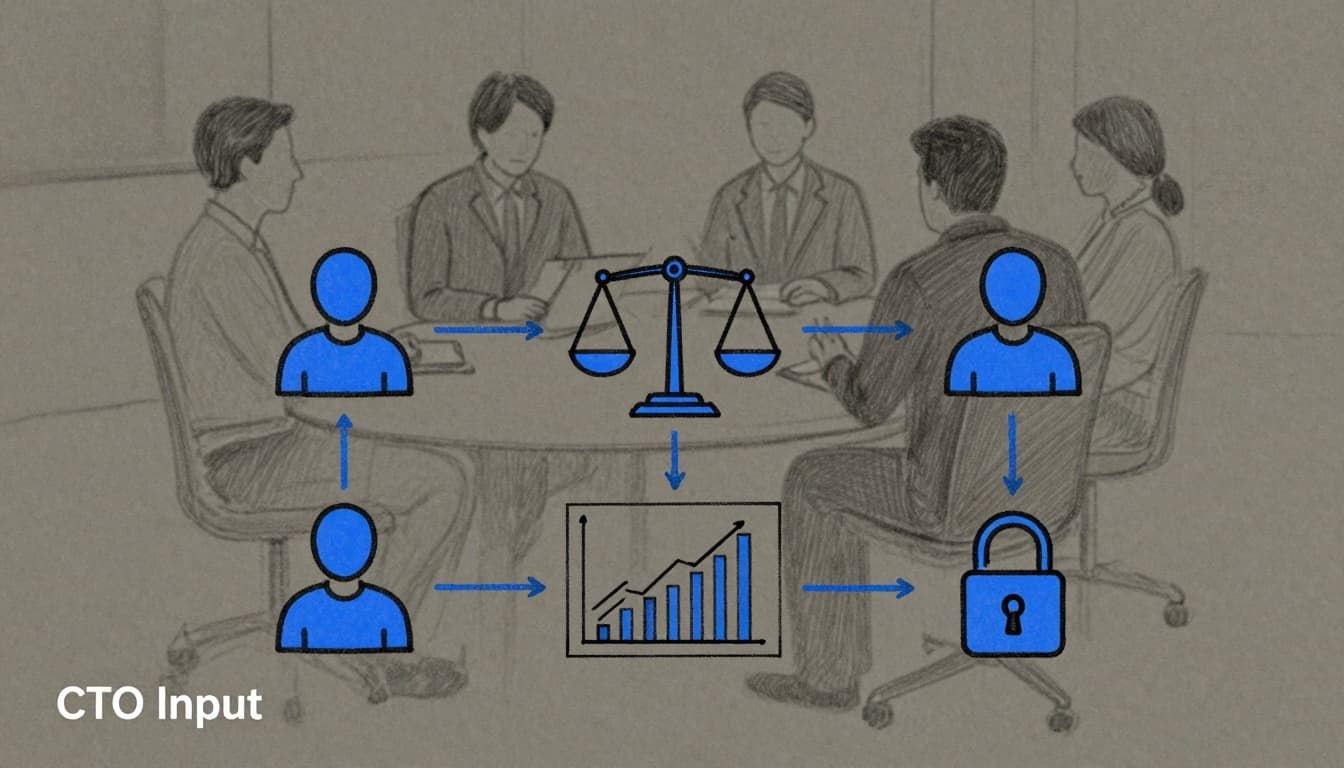
Illustration of a justice-focused data strategy roadmap connecting clients, justice outcomes, metrics, and privacy. Image created with AI.
The worst way to start a data strategy is with a software demo. The best way is with a whiteboard and your leadership team.
Before you touch tools, step back and ask three simple questions: Why do we exist, who are we accountable to, and where could data harm people if we get this wrong? Recent nonprofit work on frameworks for data strategies keeps coming back to the same anchor: mission first, systems second.
Clarify the advocacy goals your data needs to support
List three to five core goals that drive your legal and advocacy work. For example:
- Win impact cases that shift precedent.
- Expand access for a specific community.
- Support a national network of advocates with training and tools.
- Influence policy using data from real case experience.
For each goal, name the minimum data you need. Case outcomes, client demographics, systemic barriers, policy wins, court timelines, or referral patterns. Mark what is must have for safety, equity, and compliance, not just nice for a slide deck.
Do this with program, legal, and communications staff in the room. If they do not see themselves in the goals and the data, your strategy will sit in a drawer.
Map your current data reality and the biggest pain points
Next, sketch your current data map. Nothing fancy.
Name the systems you use for case tracking, grants, trainings, membership, and communications. Add where spreadsheets live: shared drives, personal laptops, legacy tools that only one staff member understands.
Then name the three worst problems. For many organizations, that list includes:
- Duplicate data entry across intake, case, and grants.
- No clear “source of truth” for case outcomes.
- Scramble and stress every time a board packet or grant report is due.
Capture a short list of “this must get better” items. That list will become the backbone of your roadmap.
Center privacy, security, and community trust from day one

Illustration of sensitive client data protected with strong access controls and security practices. Image created with AI.
Legal advocacy data is not generic nonprofit data. It includes immigration status, criminal records, youth information, and histories of violence and trauma.
Building trust into your data strategy means:
- Least-access permissions, so people only see what they need.
- Clear consent language in intake and outreach.
- Written rules for how staff use AI tools, file-sharing, and messaging apps.
Think about risk for clients, staff, and your organization, not just compliance. Resources like LSC’s Research & Data show how serious the sector is about responsible use of justice data. Treat security and governance as an act of care for your community, not as a side project for IT.
Design a Practical Data Strategy You Can Actually Execute
The goal is not a perfect diagram. The goal is a one to three year path that your team can actually follow.
A practical data strategy for legal advocacy rests on four building blocks: a clear data architecture, shared definitions and metrics, a steady impact measurement rhythm, and basic governance.
Choose a clear “source of truth” and connect the systems you already have
A source of truth is the main place you trust for each kind of data. One system for cases, another for partners, another for trainings.
Decide where core case data will live, then align intake, grants, and communications around it. In some environments, the court data itself becomes a major input, as shown by initiatives like LSC’s Civil Court Data Initiative.
You may not need a giant rebuild. Sometimes the right answer is a small integration, better naming rules, or a change to who enters what, and when. The architecture must fit your budget, staff capacity, and vendor mix.
Define shared metrics that tie case work to systems change
Impact is more than counts of intakes and closed cases. Your metrics should connect daily case work to broader change.
Examples:
- Median time from intake to a key form of relief.
- Number of policy briefs or testimonies grounded in case data.
- Change in access for a priority community over time.
- Shifts in court outcomes in targeted case types.
Keep the list small and stable. Agree on clear definitions so teams and partners are counting the same thing in the same way. For donors and policymakers who care about systemic change, guides on systemic change metrics can help you sharpen the story.
Build an impact measurement and reporting rhythm that staff can sustain

Illustration of a simple impact dashboard connecting case outcomes, policy shifts, and client access. Image created with AI.
Move from annual reporting fire drills to a steady drumbeat.
You might start with:
- Quarterly data review meetings with program leads.
- One or two simple dashboards for leadership and the board.
- A shared calendar of major grant and regulator deadlines.
Use AI and analytics tools to summarize patterns and draft narratives, but keep humans in charge of interpretation and bias checks. For more grounding on outcomes thinking, the National Council of Nonprofits’ guide on evaluation and measurement of outcomes pairs well with this kind of rhythm.
Create basic data governance so people know the rules
Governance is not a committee. It is the set of rules for who can see what, who can change what, and how you decide on new tools or uses of data.
Start with a short, living document that covers:
- Access levels for staff, volunteers, and partners.
- Data retention and deletion rules.
- AI use guidelines, including what must never be put into public tools.
- What to do when something goes wrong, from lost devices to suspected breaches.
Then name a small cross-functional group to keep it current. The test of good governance is simple: do staff feel clearer and safer about using data in their daily work?
Next Steps, FAQs, and How CTO Input Can Help You Move Faster

Operations leader reviewing legal program data and reports on a laptop.
Photo by Mikhail Nilov
You do not need a massive transformation to start. You do need a few clear moves in the next 90 days.
Three concrete next steps you can take in the next 90 days
- Run a simple data inventory workshop. Bring program, legal, and operations leaders together for two hours to map systems, spreadsheets, and top pain points. Leave with a one-page picture of your current state.
- Agree on a draft set of shared impact metrics. Pick three to five metrics that link services to change, even if the data is messy today. This becomes your north star for improvements.
- Identify one or two high-risk data issues to fix first. For example, shared logins to a case system or unencrypted files with client data. Solve those fast to show progress and reduce real risk.
FAQs on data strategy for legal advocacy and impact measurement
How do we start if our data is a mess?
Start small. Map what you have, pick three big problems, and pick one to fix in the next quarter. Progress beats perfection.
What if staff do not trust data or feel it is just for funders?
Involve them in choosing metrics and questions. Use data in internal decisions, case reviews, and learning sessions, not just reports. When they see data help clients, trust grows.
Where does AI fit into our data strategy without adding risk?
Use AI to summarize documents, draft reports, or spot patterns, but never feed it raw client identifiers or sealed information. Create clear AI guidelines and review them often as tools and laws change. Guides on aligning data collection with mission can help set the right frame.
How much should we budget for data work?
Think in phases. Start with a modest planning and cleanup budget, then invest more once you have a clear roadmap. The right spend is the one that reduces real risk and saves staff time within the first year.
How CTO Input can help you build a safe, mission-first data strategy
Many justice organizations have strong IT vendors but no senior partner who sits next to leadership and says, “Here is the data strategy for legal advocacy that fits your mission, risk, and budget.”
CTO Input fills that gap. As a fractional technology and cybersecurity partner, we help you:
- Map your current systems and risks in plain language.
- Design a realistic data and impact roadmap that boards and funders can support.
- Strengthen privacy, security, and AI governance around sensitive client data.
- Guide implementation across staff and vendors so changes actually stick.
If you are ready to move from quiet stress to clear direction, set a concrete challenge for yourself: in the next week, schedule a conversation with CTO Input about your data and impact headaches, and walk in ready to name your three worst problems.
Conclusion
A strong data strategy for legal advocacy is not about buying the flashiest case system. It is about aligning data with mission, protecting people, and making your impact visible and believable to the communities you serve and the funders who back you.
Even if your current systems feel fragile and messy, steady work on goals, architecture, metrics, and governance can reduce chaos and risk within months. The stress you feel around reports and security can shift into quiet confidence as data becomes a backbone for safe, powerful advocacy. The next move is yours: treat data as a strategic asset, not a side problem, and start building the structure your advocates deserve.