CTO Input

product decision ownership

Who Owns Product Decisions When the CTO and CPO Disagree?

When your CTO and chief product officer (CPO) disagree, product decisions should follow the decision type and delegated authority. Product leaders own product value, product strategy, and priorities; technology leaders own technical feasibility, engineering choices, and readiness within agreed business constraints. Product decision ownership becomes unclear when a choice crosses those boundaries, such as shipping

Who Owns Product Decisions When the CTO and CPO Disagree? Read More »

A CFO checks connected product activity data, an account ledger, and a financial report.

Product Usage Data: A CFO’s Trust Checklist

Before you trust product usage data, establish where it comes from, what each metric counts, and whether it reconciles with customer and financial records. Software activity can inform revenue decisions, but it doesn’t establish revenue, customer value, or renewal intent on its own. Your exposure grows when uncertain numbers enter forecasts, pricing decisions, or board

Product Usage Data: A CFO’s Trust Checklist Read More »

A red-accented shield surrounds a cloud beside dashboard panels and an evidence folder.

NIS2 Readiness for SaaS Companies Selling in Europe

NIS2 readiness means knowing whether your SaaS business falls under the law, operating the required controls, and proving they work. Selling into Europe alone doesn’t establish scope, but European customers can still demand security evidence before signing. For your leadership team, the immediate issue is clear ownership. An unanswered security questionnaire or uncertain recovery capability

NIS2 Readiness for SaaS Companies Selling in Europe Read More »

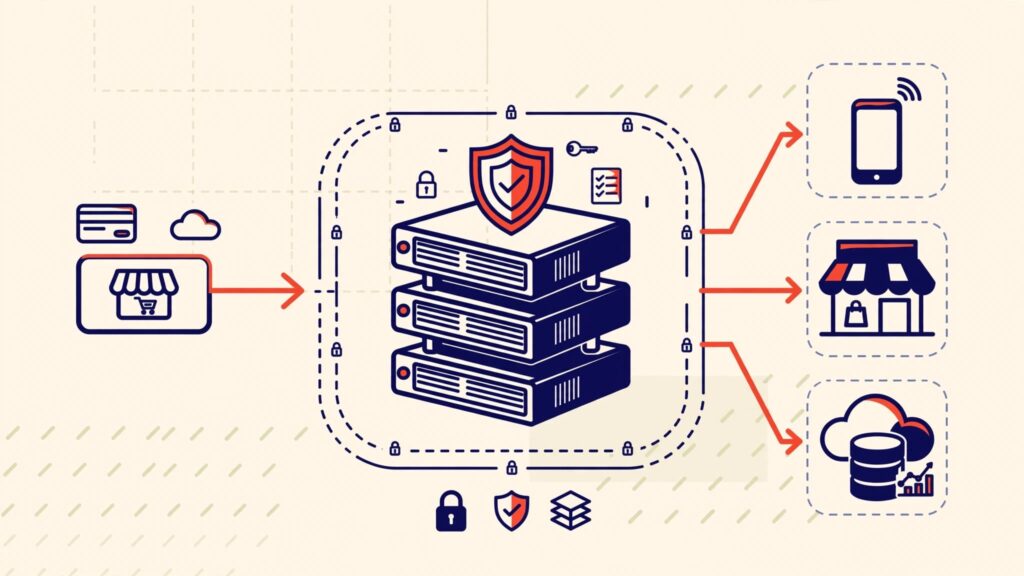
A shield protects servers as payment flows pass from a checkout gateway to outside systems.

PCI DSS Scope: A SaaS CEO’s Pre-Payments Assessment

PCI DSS scope covers the systems, people, processes, and data flows that handle cardholder data or can affect its security. Before adding payments, you need an evidence-backed boundary around that environment, because your integration choice can expand compliance work across your SaaS business. Your first decision is where card data will travel, not which payment

PCI DSS Scope: A SaaS CEO’s Pre-Payments Assessment Read More »

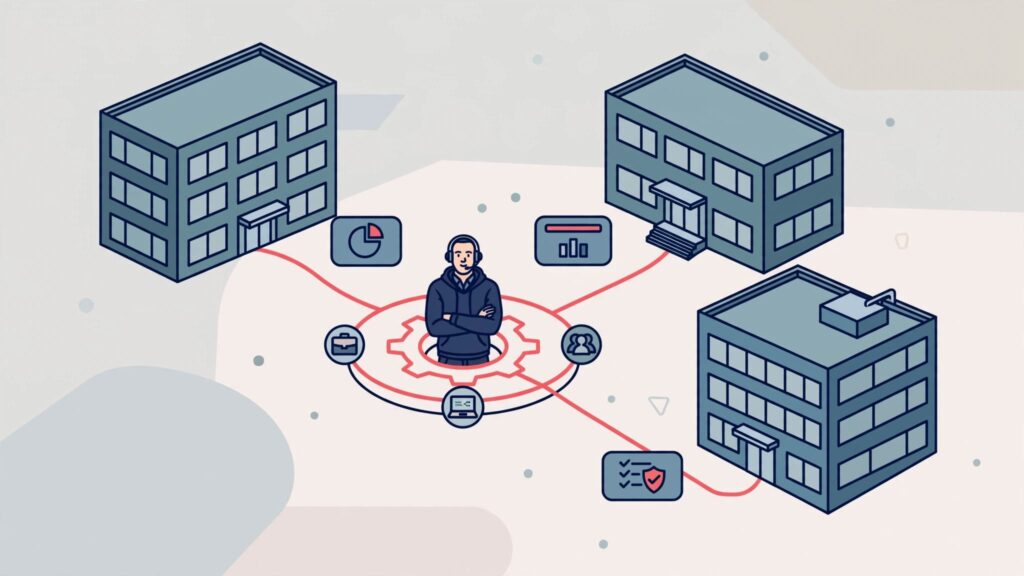
A technology executive connects a central hub to three separate office buildings.

Fractional CTO Support Across PE Portfolio Companies

For fractional CTO portfolio companies, structure fractional CTO support around portfolio-wide standards and company-level accountability, with reserved executive capacity. Each business needs a clear mandate for its fractional CTO, plus its own budget and decision rights, even when several companies share the same leader. Otherwise, your most troubled asset can consume the available time while

Fractional CTO Support Across PE Portfolio Companies Read More »

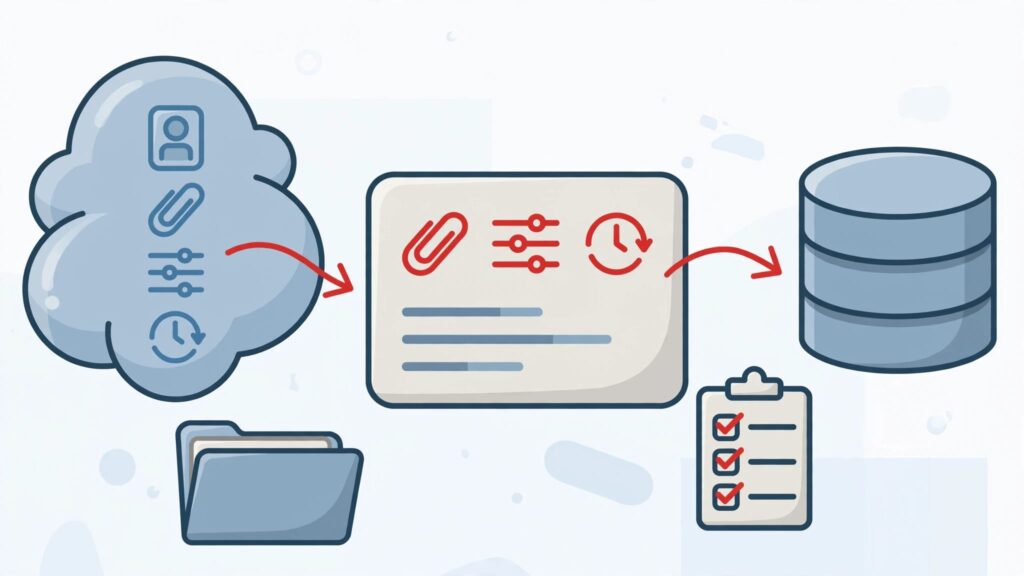
A customer record moves from a cloud system toward a standalone database.

SaaS Data Portability: A CEO’s Pre-Renewal Test

Before renewing a critical SaaS contract, require your team to export representative customer data and rebuild usable records elsewhere. SaaS data portability gives you meaningful control only when the exported information survives that test. A download button can hide missing attachments, broken relationships, and expensive migration work. Your renewal decision needs evidence of a workable

SaaS Data Portability: A CEO’s Pre-Renewal Test Read More »

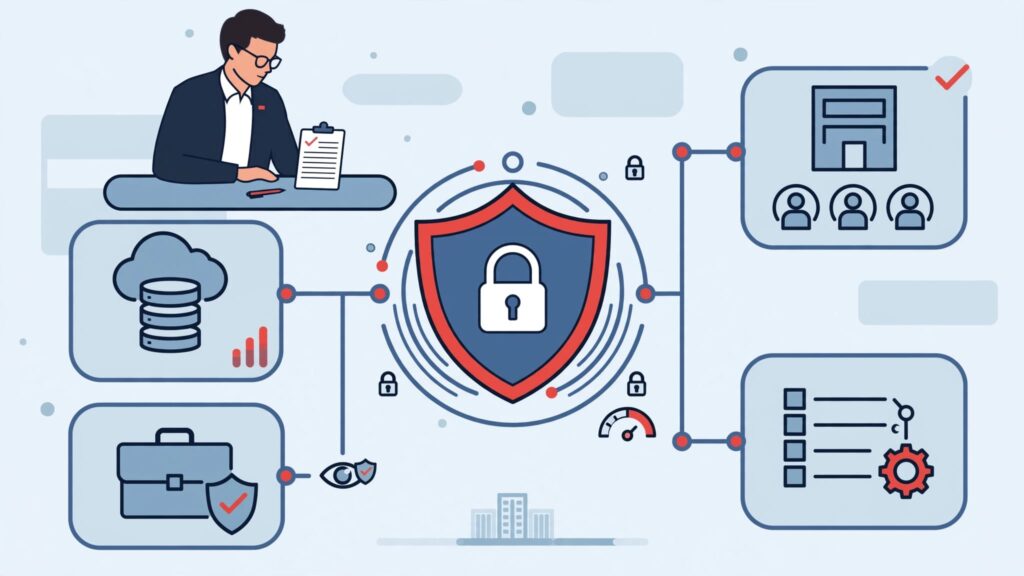
An executive reviews a shielded access hub linking separate customer workspaces.

How CEOs Should Evaluate Customer Identity Systems

Evaluate customer identity systems against your expansion plans: enterprise access, tenant isolation, privacy obligations, peak demand, and total operating cost. Before you approve new markets or larger customers, require evidence that those controls work. A weak identity layer can stall deals, expose customer data, and turn a launch into a support problem. Start with business

How CEOs Should Evaluate Customer Identity Systems Read More »

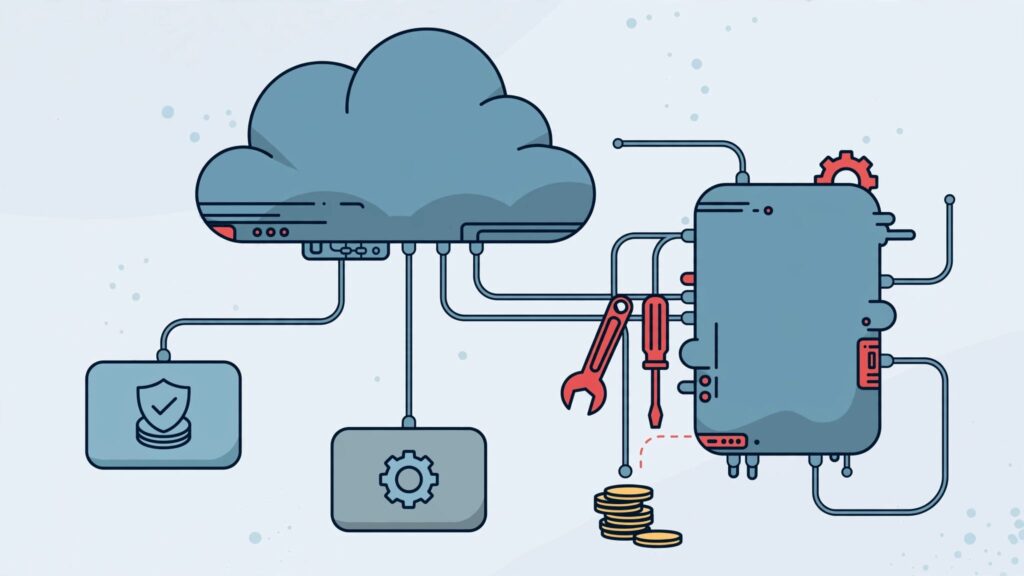
A cloud server connects customer modules as tools and cables drain a stack of coins.

When SaaS Customization Starts Eroding Gross Margin

SaaS customization starts eroding gross margin when customer-specific delivery costs grow faster than the revenue covering them. The warning signs include dedicated infrastructure, recurring engineering support, and maintenance obligations that your pricing doesn’t recover. A large contract can still be worthwhile. But you need visibility into its ongoing cost to serve, not just its subscription

When SaaS Customization Starts Eroding Gross Margin Read More »

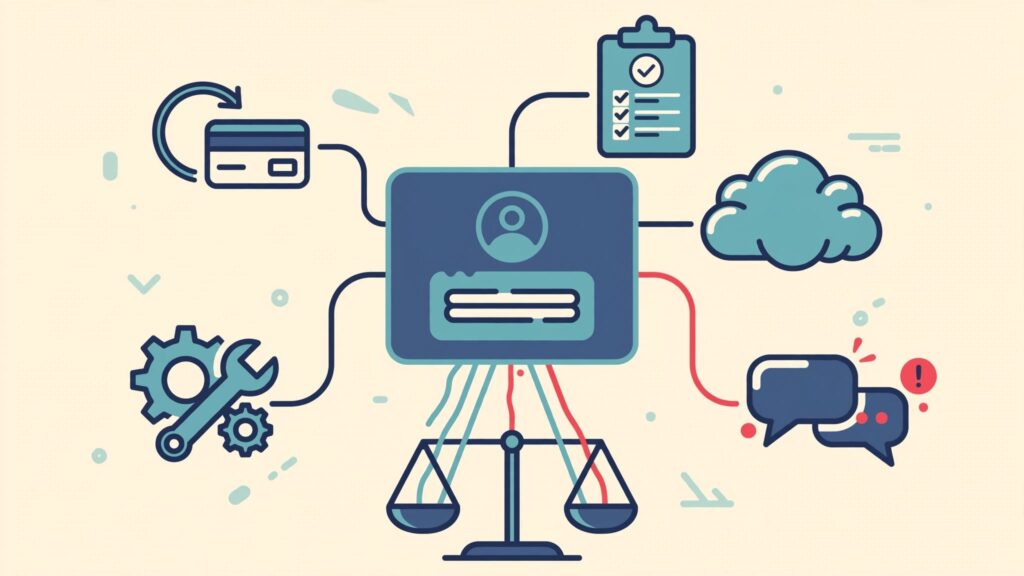
A customer account links revenue and service costs to a balanced scale.

SaaS Customer Profitability: Find Hidden Support Costs

You find unprofitable customer segments by connecting subscription revenue to the full cost of serving those customers. SaaS customer profitability becomes clearer when support effort, engineering escalations, onboarding, and infrastructure consumption sit beside account revenue. Your largest contracts can look attractive while consuming capacity your financial reporting doesn’t assign to them. Start with a cost-to-serve

SaaS Customer Profitability: Find Hidden Support Costs Read More »