
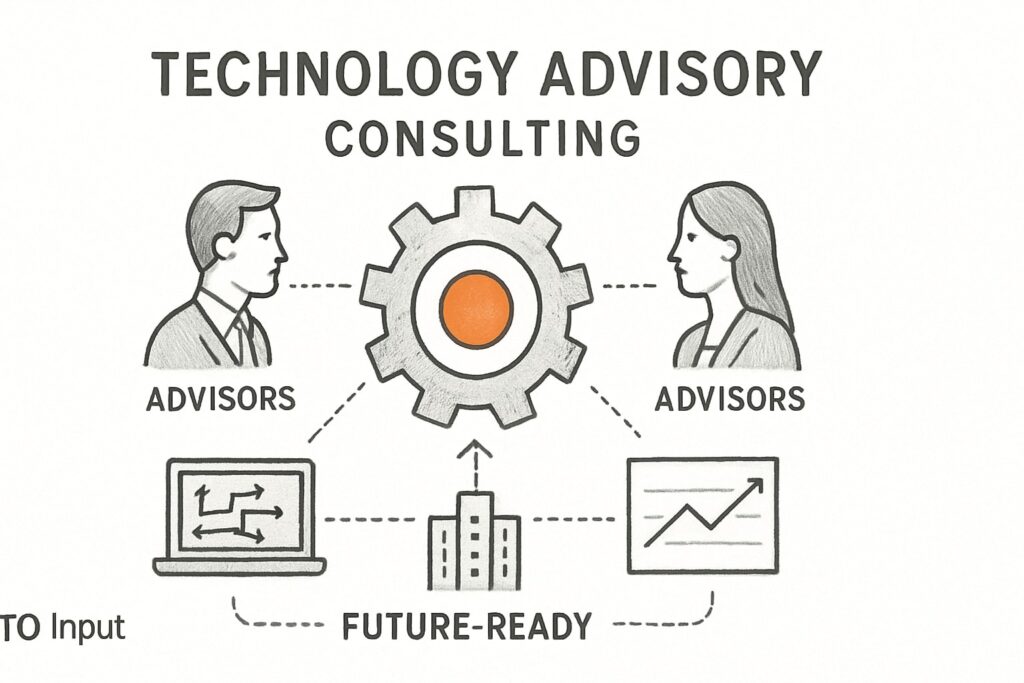
Behind every resilient, high-performing organization, tech advisors consulting quietly powers strategic growth and innovation. Yet, many leaders struggle to harness this resource, risking stalled initiatives, wasted budgets, and missed opportunities. This guide walks you through a proven roadmap to select, collaborate with, and get the most from trusted tech consulting partners. Discover how the evolving role of tech advisors can drive transformation, learn how to choose the right consultant, explore actionable frameworks, and measure real results. Ready to unlock expert guidance for your organization’s next chapter? Let’s begin.
The Evolving Role of Tech Advisors in Modern Organizations
Technology is no longer just a support function. The landscape of tech advisors consulting has shifted, placing advisors at the heart of organizational strategy. Leaders now rely on these experts not only to resolve technical issues, but to unlock business value, drive change, and foster innovation.

Shifting Expectations: From IT Support to Strategic Partnership
The role of tech advisors consulting has evolved dramatically. Where once advisors were called in to fix systems or provide ad hoc support, today they are trusted partners shaping organizational direction. In fact, 72% of organizations expect tech consultants to actively drive business strategy, according to Gartner.
Modern tech advisors do more than maintain IT infrastructure. They are catalysts for digital transformation, enabling organizations to adopt cloud solutions, automate workflows, and leverage data for competitive advantage. For example, a retail chain might engage a tech advisor to redesign its customer experience, integrating AI and analytics to personalize service.
This expanded influence positions tech advisors as agents of cultural change. By promoting operational agility, they help organizations adapt quickly in response to market shifts. For deeper insights into how strategic advisors are shaping business growth, see Gartner’s AI-Enabled Business Strategy Consulting.
Key Challenges Organizations Face Without Tech Advisory
Organizations lacking tech advisors consulting often encounter persistent obstacles. Common pain points include:
- Misaligned technology systems that do not support business objectives
- Increased security risks from outdated practices
- Inefficient processes that waste time and resources
These issues can stifle growth, inflate technology budgets, and expose organizations to compliance failures. Consider a nonprofit struggling with fragmented data systems. Without expert guidance, they face mounting reporting errors and regulatory risks, diverting focus from their mission.
The absence of tech advisors consulting also limits an organization’s ability to respond to new opportunities or threats. This can lead to missed funding, dissatisfied stakeholders, and ongoing operational headaches.
The Value Proposition of Tech Consulting
The benefits of tech advisors consulting are both tangible and measurable. Organizations that invest in expert guidance report:
- Significant cost savings through technology consolidation and process optimization
- Reduced risk by proactively managing cybersecurity and compliance
- Accelerated growth by aligning technology investments with strategic goals
For example, one nonprofit improved its reporting speed by 40% and lowered annual technology spend by adopting a roadmap developed with tech advisory support. Another business reduced data security incidents after implementing advisor-led best practices.
Ultimately, tech advisors consulting delivers clear ROI. By linking technology initiatives to business outcomes, organizations can confidently measure progress and justify investment to boards and funders.
Visit https://www.ctoinput.com to learn more and connect with a member of the CTO Input team.
Spend a few minutes exploring the rest of the articles on the CTO Input blog at https://blog.ctoinput.com
How to Select the Right Tech Advisor for Your Organization
Selecting the right tech advisors consulting partner is a pivotal decision. The right choice can accelerate digital transformation, while the wrong fit can stall progress and drain resources. Leaders must approach this process methodically to ensure optimal alignment with their organizational mission.
Defining Your Needs and Objectives
Before engaging with tech advisors consulting, clarify your business goals and technology priorities. Begin by identifying the challenges your organization faces, such as outdated systems, data silos, or security gaps.
Use a needs assessment checklist to map pain points directly to organizational objectives. Conduct stakeholder interviews across departments to gather broad perspectives. This groundwork ensures any tech advisors consulting engagement is tailored to your unique context.
List key actions:
- Survey leadership and staff about technology frustrations.
- Document mission-critical processes that need improvement.
- Prioritize objectives based on impact and urgency.
A clear understanding of your needs sets the stage for a productive partnership.
Evaluating Tech Advisor Expertise and Fit
Not all tech advisors consulting firms bring the same value. Assess candidates for relevant industry experience, technical breadth, and leadership style. Beware of generic solutions or advisors who lack an understanding of your sector.
Compare potential partners by reviewing past client outcomes and asking for references. For a deeper look at the nuances between types of advisors, see this guide on how to select a technology advisor.
Consider creating a comparison table:
| Criteria | Advisor A (Sector Expert) | Advisor B (Generalist) |
|---|---|---|
| Industry Experience | High | Moderate |
| Technical Breadth | Broad | Narrow |
| Leadership Approach | Collaborative | Directive |
Making an informed choice reduces the risk of misalignment and ensures your tech advisors consulting partner is the right fit.
Assessing Approach, Communication, and Cultural Alignment
Effective tech advisors consulting partners communicate in clear, jargon-free language. Transparent processes and regular updates are essential for building trust and momentum.
Align advisor recommendations with your organization's culture and capacity for change. Remember, 65% of failed tech projects cite poor communication as a root cause (PMI). Seek advisors who foster open dialogue, listen actively, and adapt their approach to your team's strengths.
Checklist for alignment:
- Does the advisor explain recommendations in plain language?
- Are processes transparent and repeatable?
- Is there a plan for ongoing feedback and adjustment?
A strong cultural fit enhances collaboration and increases the likelihood of project success.
CTO Input: Strategic Technology Alignment for Mission-Driven Organizations
CTO Input delivers tech advisors consulting with a justice-literate, accessible approach tailored to mission-driven organizations. Their fractional CTO, CIO, and CISO services fill expertise gaps for teams without in-house leadership.

Clients have achieved faster reporting, improved data security, and reduced technology spend through CTO Input's end-to-end support. Their actionable, board-ready roadmaps turn complex challenges into clear next steps.
If you are seeking a partner who brings technical depth, strategic vision, and a commitment to your mission, CTO Input offers a no-pressure call to explore your needs. Take the first step toward unlocking the full value of tech advisors consulting.
To learn more and connect with a CTO Input team member, visit https://www.ctoinput.com.
Spend a few minutes exploring the rest of the articles on the CTO Input blog at https://blog.ctoinput.com.
Proven Consulting Frameworks and Methodologies for Success
Unlocking value from tech advisors consulting requires a disciplined approach rooted in proven frameworks. These methodologies ensure technology investments drive real change, minimize risk, and deliver measurable outcomes. Let us walk through each stage of the consulting lifecycle and explore how a structured process maximizes results.

Discovery and Assessment
The foundation of successful tech advisors consulting engagements is a comprehensive discovery and assessment phase. Consultants use techniques such as workflow audits, data flow mapping, and security gap analysis to uncover hidden inefficiencies and risks. For example, a deep-dive assessment might reveal that manual data entry is slowing down reporting cycles or that access controls are outdated.
A clear understanding of the current state prevents rushed decisions and misaligned investments. Effective tech advisors consulting partners leverage structured methodologies to align technology with organizational needs. For a detailed look at these assessment approaches, see Technology assessment and consulting frameworks.
- Workflow audits identify bottlenecks and duplication.
- Data flow mapping clarifies how information moves across systems.
- Security gap analysis pinpoints vulnerabilities and compliance gaps.
By investing in a robust assessment, organizations set the stage for targeted improvements.
Roadmap Development and Prioritization
Once challenges are identified, tech advisors consulting experts translate findings into actionable roadmaps. A phased approach ensures that both short-term wins and long-term strategic goals are addressed. Tools like Gantt charts and milestone planning break large initiatives into manageable phases, aligned with mission and available resources.
A realistic, staged roadmap is essential for sustainable change. Tech advisors consulting specialists prioritize projects based on impact, risk, and readiness, ensuring that each step builds momentum. This clarity helps organizations avoid the trap of trying to do everything at once and instead focus on initiatives that drive the greatest value.
- Define phases: Immediate fixes, mid-term upgrades, long-term transformation.
- Use visual tools: Gantt charts, milestone trackers.
- Align with funding and mission priorities.
With a clear plan, leaders gain confidence and teams know what to expect.
Implementation and Change Management
Turning plans into results requires expert implementation and change management. Tech advisors consulting professionals guide organizations through vendor selection, system rollouts, and staff training. Change management is often the critical success factor, as even the best technology can fail without user adoption.
Best practices include open communication, early stakeholder involvement, and iterative feedback loops. According to McKinsey, 70% of digital transformation failures are tied to weak change management, underscoring its importance.
- Communicate clearly: Set expectations and provide regular updates.
- Involve stakeholders: Workshops and pilot projects foster buy-in.
- Gather feedback: Adjust plans based on real-world input.
A structured approach keeps projects on track and maximizes adoption.
Measurement and Continuous Improvement
The journey does not end at launch. Measuring progress is a core part of tech advisors consulting frameworks. Key performance indicators (KPIs) such as reporting speed, security incident frequency, and user adoption rates provide objective evidence of success. Real-time dashboards empower boards and funders with actionable insights, enabling fast responses to shifting needs.
Continuous improvement ensures that technology investments remain aligned with organizational goals. Regular reviews and iterative enhancements help sustain results and build internal capacity for ongoing evolution.
For more expert guidance on turning technology into your organization’s superpower, visit https://www.ctoinput.com to learn more and connect with a member of the CTO Input team.
Spend a few minutes exploring the rest of the articles on the CTO Input blog at https://blog.ctoinput.com.
Maximizing Value: Best Practices for Tech Advisor Collaboration
Effective tech advisors consulting partnerships are built on a foundation of trust, clear expectations, and ongoing collaboration. By following structured best practices, organizations can unlock the full value of their tech advisors consulting relationships and drive meaningful results.

Building Trust and Setting Expectations
Trust is the cornerstone of any successful tech advisors consulting engagement. Begin by establishing clear roles, responsibilities, and communication cadences. Open dialogue ensures everyone understands project objectives and the metrics for success.
Set expectations early with documented deliverables, timelines, and feedback channels. Regular check-ins foster transparency, helping advisors and stakeholders stay aligned. When both parties share a commitment to clarity, the tech advisors consulting process delivers maximum impact.
- Define project goals collaboratively
- Agree on communication methods and frequency
- Document responsibilities for all involved
Fostering Internal Buy-In and Engagement
Achieving real change with tech advisors consulting requires strong internal engagement. Involve leadership, staff, and board members from the outset to encourage a sense of ownership and shared purpose.
Host interactive workshops, feedback sessions, and pilot projects to build momentum. These activities help demystify new technologies and ensure recommendations resonate with team members. By nurturing engagement, tech advisors consulting initiatives become a collective effort rather than an external imposition.
- Invite stakeholder input during planning
- Run pilot programs to showcase quick wins
- Provide ongoing training and support
Ensuring Accountability and Measurable Outcomes
Accountability is essential for realizing the full value of tech advisors consulting. Link technology initiatives directly to business outcomes and mission impact. Use progress dashboards and regular performance reviews to track results in real time.
Clearly defined KPIs make it easier to measure success and adjust strategies as needed. Regularly revisit goals and celebrate achievements to sustain motivation. This approach transforms tech advisors consulting from a one-time project into a cycle of continuous improvement.
- Set clear, measurable KPIs
- Schedule periodic reviews with advisors
- Align technology projects to organizational goals
Avoiding Common Pitfalls
Even the best tech advisors consulting partnerships can encounter challenges. Common mistakes include over-customization, scope creep, and neglecting staff training. To prevent these, define scope up front, implement phased rollouts, and provide continuous support.
Referencing McKinsey’s Guide to Avoiding Digital Transformation Traps can help organizations anticipate and sidestep common traps that derail digital initiatives. By learning from proven strategies, tech advisors consulting projects stay on track and deliver sustainable results.
- Avoid over-engineering solutions
- Stick to agreed project milestones
- Invest in ongoing skills development
For more guidance on maximizing the value of tech advisors consulting, visit https://www.ctoinput.com to connect with a CTO Input team member. Explore additional actionable insights on the CTO Input blog at https://blog.ctoinput.com.
Measuring Success: KPIs and Long-Term Impact of Tech Consulting
Measuring the impact of tech advisors consulting is essential for demonstrating value, supporting ongoing investment, and driving organizational learning. By defining clear metrics and regularly tracking progress, leaders gain insight into both immediate wins and sustained benefits.
Defining Success Metrics
Success in tech advisors consulting hinges on identifying the right key performance indicators (KPIs). These should align with organizational goals and be meaningful to leaders, staff, and funders. Common metrics include:
- Cost savings from optimized technology spend
- Reduction in security incidents or compliance gaps
- Faster reporting and improved operational efficiency
Conducting an initial assessment helps set baselines and targets. For further guidance on how tech advisors ensure technology strategy supports business outcomes, see Aligning IT with business goals.
Quantifying ROI and Business Value
Organizations need to clearly demonstrate the return on investment from tech advisors consulting. Calculating ROI involves comparing pre- and post-engagement data in areas such as:
- Annual technology expenses
- Incident response times
- Staff productivity and user adoption rates
On average, organizations report up to 25 percent savings on annual tech budgets after successful consulting projects. These quantifiable benefits make a compelling case for continued investment in tech advisors consulting.
Sustaining Results and Continuous Improvement
To ensure long-term impact, organizations must integrate lessons learned from tech advisors consulting into their daily operations. Building capacity for ongoing technology management means:
- Training staff to use new systems effectively
- Establishing regular review cycles for KPIs
- Adapting strategies as needs evolve
Continuous improvement is vital. Organizations that monitor metrics over time and adjust their approach maintain momentum and maximize the value of their consulting partnerships.
Real-World Case Studies
Case studies highlight the lasting impact of tech advisors consulting. For example, a nonprofit reduced reporting time by half and improved data security within months of adopting a tailored roadmap. Another organization saw a 20 percent drop in technology spend while boosting staff adoption of new tools.
Lessons from these cases emphasize the importance of clear metrics, executive buy-in, and choosing advisors with sector expertise. For deeper insights into strategies that drive measurable growth, explore Strategic technology advisor secrets.
To learn more and connect with a member of the CTO Input team, visit https://www.ctoinput.com. Spend a few minutes exploring more articles on the CTO Input blog at https://blog.ctoinput.com.
As you look ahead to 2026, having a clear technology strategy is no longer optional—it’s essential for real progress. You’ve seen how aligning tech decisions with business goals can transform everyday frustrations into real competitive advantages. If you’re ready to take the next step and want a practical, expert perspective tailored to your unique needs, let’s connect. We can help you clarify your direction, identify opportunities, and start building your roadmap to success together. Take the first step toward making technology your superpower—Schedule A Strategy Call today.