
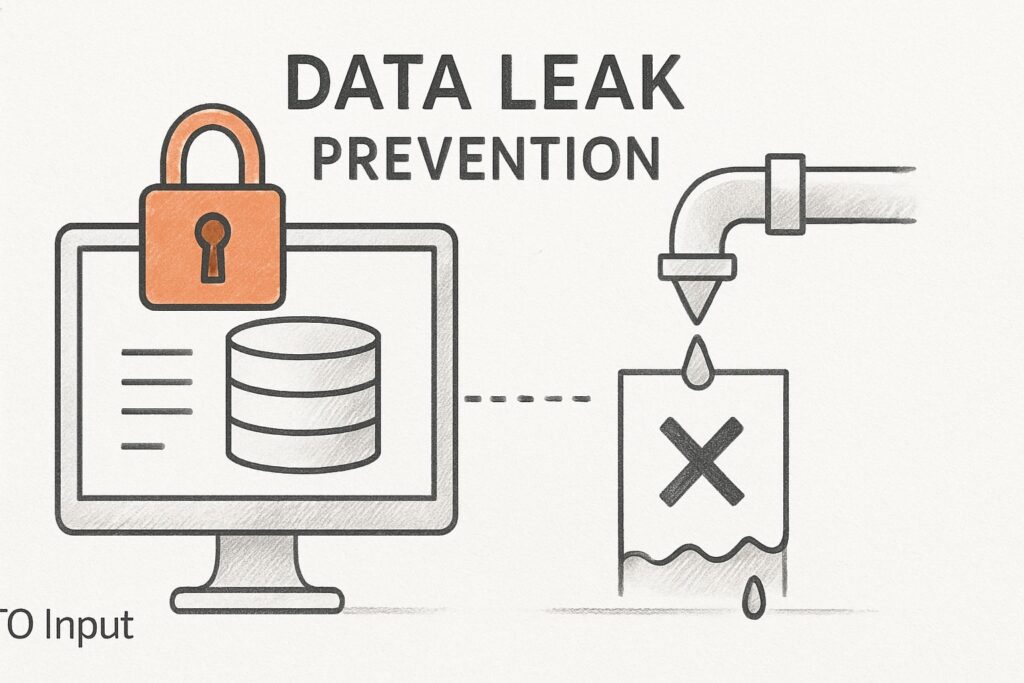
Did you know that over half of organizations have experienced a data leak in the past year, resulting in millions lost and reputations damaged? As digital threats become more complex and cybercriminals adopt new tactics, the urgency for effective data leak prevention continues to grow. Protecting sensitive information is not just a technical challenge, it is essential for maintaining trust and ensuring business continuity. In this guide, you will find clear, actionable steps to help prevent leaks before they occur. We will cover the realities of data leaks, how to spot vulnerabilities, proven strategies for data leak prevention, building a culture of protection, and the latest technology to keep your organization secure.
Understanding Data Leaks: Risks and Realities
Data leaks are a growing concern for organizations of all sizes. As data volumes expand and digital ecosystems become more complex, the risk of sensitive information slipping through the cracks rises. Understanding the risks and realities of these incidents is the first step in effective data leak prevention.

What Is a Data Leak?
A data leak occurs when sensitive information is exposed unintentionally. Unlike a data breach, which typically involves deliberate intrusion, data leaks often stem from mistakes or overlooked vulnerabilities.
Common sources include:
- Human error, such as sending confidential files to the wrong recipient
- System vulnerabilities, like misconfigured databases
- Third-party access, where partners or vendors mishandle data
Examples range from accidental email disclosures to unsecured cloud storage. Identifying these risks is foundational for data leak prevention.
The Impact of Data Leaks
The consequences of a data leak can be severe. Organizations may face significant financial loss, with the average cost per incident running into millions. Reputational damage can erode customer trust, making recovery difficult.
Regulatory consequences are also a major concern. Laws like GDPR and HIPAA impose strict penalties for mishandling data. Real-world incidents, such as large-scale leaks in healthcare or finance, have led to fines and public scrutiny. Effective data leak prevention is essential to minimize these impacts.
Common Causes and Attack Vectors
Data leaks are triggered by multiple causes and attack vectors. Phishing and social engineering schemes trick employees into revealing credentials. Insider threats, both malicious and accidental, can result in unauthorized disclosures.
Other common factors include:
- Unpatched software vulnerabilities
- Misconfigured systems or cloud environments
Addressing these root causes is a core component of any data leak prevention strategy. For more real-world context, see The three most likely cyber incidents.
Data Leak Trends and Statistics
Recent industry data shows a marked increase in data leaks, especially as remote work and cloud adoption surge. The frequency and scale of incidents have grown, with thousands of records exposed in a single event.
Certain sectors are more vulnerable:
- Healthcare organizations often face targeted attacks due to valuable patient data
- Legal and finance industries deal with sensitive client information
Tracking these trends helps refine data leak prevention efforts and prioritize resources where they are needed most.
Why Prevention Is Critical
Proactive data leak prevention is more cost-effective than reacting after an incident. The long-term impact of repeated leaks includes lost business, higher insurance premiums, and damaged relationships.
Maintaining trust and meeting compliance standards provide a competitive edge. Organizations that invest in continuous improvement and strong security culture are better equipped to handle evolving threats.
Step 1: Identify Your Data Vulnerabilities
Understanding your organization's unique risks is the foundation of effective data leak prevention. Before implementing advanced technologies or training, you must first uncover where your data is most exposed. This step-by-step process ensures you address vulnerabilities systematically, reducing the chance of costly incidents.

Mapping Sensitive Data
Begin by cataloging all sensitive information your organization handles. This includes personally identifiable information, financial records, and proprietary assets. Automated discovery tools can scan networks and storage to reveal hidden data silos.
Mapping data flows across departments helps visualize where data enters, moves, and exits your systems. For example, a midsize company might track employee HR files, customer databases, and intellectual property across cloud and on-premises environments.
Employee data is especially vulnerable, making it crucial to follow Employee data protection best practices as part of your data leak prevention plan. Regularly update your inventory to reflect business changes.
Assessing Access Controls
Evaluate who can access which data. Over time, privilege creep can allow users unnecessary access, increasing risk. Review permissions for each user and system, paying special attention to shared accounts and weak authentication methods.
Excessive access rights can lead to accidental or intentional leaks. In one case, a marketing manager accessed confidential payroll data due to outdated permissions. Implementing strict access management is a cornerstone of data leak prevention.
Regular audits help identify and correct these issues before they become major problems.
Evaluating Third-Party Risks
Vendors and partners often require access to your systems, adding another layer of complexity to data leak prevention. Implement robust vendor risk management practices to assess and monitor third-party access.
Review supply chain vulnerabilities, as breaches can originate from less-secure partners. Create a due diligence checklist that includes security certifications, incident response capabilities, and contractual obligations.
Recent incidents have shown that weak third-party controls can compromise even the most secure organizations. Maintain transparency with partners regarding data handling expectations.
Reviewing Security Policies and Procedures
Effective data leak prevention depends on up-to-date policies and procedures. Regularly review and update your security policies to reflect new threats and compliance requirements.
Check for gaps in incident response plans and data handling processes. Are employees trained on proper procedures? Are controls enforced consistently across the organization?
Frequent policy reviews ensure your team is prepared and reduces the risk of overlooked vulnerabilities. Document all changes and communicate them to relevant stakeholders.
Using Risk Assessment Tools
Leverage established frameworks like NIST or ISO 27001 to guide your risk assessments. Automated vulnerability scanning solutions can identify weaknesses in your infrastructure.
Track metrics such as the number of discovered vulnerabilities, remediation time, and risk trends over time. These measurements support ongoing data leak prevention efforts.
Continuous risk evaluation allows you to adapt to new threats quickly. Integrate findings into your broader security strategy for a proactive defense posture.
Step 2: Implement Robust Data Leak Prevention Strategies
The foundation of effective data leak prevention lies in a blend of technology, process, and people. By implementing robust strategies that address all angles, you can dramatically reduce the risk of unauthorized data exposure. Let’s explore the essential tactics every organization should adopt.

Data Encryption Best Practices
Data encryption is a cornerstone of data leak prevention. Encrypt information both at rest and in transit to ensure that, even if intercepted, data remains unreadable to unauthorized parties. Strong key management practices are essential, including secure generation, storage, and rotation of encryption keys.
Adhering to industry standards, such as AES-256, helps meet regulatory requirements for data protection. For a deeper understanding of compliance and encryption standards, visit Compliance and cybersecurity essentials. Regular audits of encryption protocols ensure ongoing effectiveness and help maintain trust with clients and regulators.
Access Management and Zero Trust
Access management is vital for data leak prevention. Implement the principle of least privilege, ensuring users only have access to the data necessary for their roles. Multi-factor authentication (MFA) provides an additional layer of security beyond passwords, reducing the risk of compromised accounts.
Zero trust architectures further strengthen defenses by continuously verifying users and devices before granting access. Consistent review of access rights prevents privilege creep, where users accumulate permissions over time. Strong identity management policies are essential for minimizing insider threats and accidental leaks.
Employee Training and Awareness
Human error remains a leading cause of data leak prevention failures. Regular security awareness programs educate employees on recognizing phishing attempts, social engineering tactics, and proper data handling procedures. Phishing simulation exercises are effective tools for testing and reinforcing employee vigilance.
Measuring the effectiveness of training is crucial. Use periodic assessments, feedback surveys, and incident tracking to identify areas for improvement. A well-informed workforce forms the first line of defense against data leaks, making ongoing education a priority.
Secure Configuration and Patch Management
Keeping systems updated is critical for data leak prevention. Unpatched software and misconfigured endpoints create vulnerabilities that attackers can exploit. Establish a routine schedule for applying security patches to operating systems, applications, and firmware.
Hardening configurations on servers and endpoints, such as disabling unnecessary services and enforcing strong authentication, reduces the attack surface. Automated patch management tools streamline the update process, ensuring no critical fixes are missed and minimizing the window of exposure.
Data Loss Prevention (DLP) Solutions
DLP technologies are designed to detect and prevent unauthorized data transfers. These tools monitor data across endpoints, networks, email, and cloud platforms, alerting administrators to suspicious activities. Integration with existing security infrastructure enhances visibility into potential leaks.
Effective DLP deployment involves setting clear policies for data classification and handling. Configure rules to block or quarantine sensitive information before it leaves the organization. Regularly review DLP logs and incident reports to adapt to evolving threats and improve overall data leak prevention.
Step 3: Build a Culture of Data Protection
Creating a sustainable culture of data protection is fundamental for effective data leak prevention. It is not just about deploying technology, but about embedding security in every organizational layer. This step explores how leadership, ongoing audits, incident planning, transparency, and continuous learning come together to form a resilient defense.
Leadership Commitment and Accountability
Leadership involvement is the cornerstone of any successful data leak prevention strategy. When executives prioritize security and assign clear responsibilities, it sets the standard for the entire organization. Designating data protection champions ensures that security initiatives receive the necessary resources.
Recent insights on insider threats in cybersecurity highlight the importance of leadership vigilance. By fostering accountability at the top, organizations can address internal and external risks more effectively.
Regular Security Audits and Testing
Ongoing security audits are essential for identifying vulnerabilities before they can be exploited. Regular penetration testing and vulnerability assessments help organizations validate their controls and adapt to evolving threats.
A comprehensive audit schedule should include both technical and procedural reviews. This proactive approach to data leak prevention uncovers gaps and ensures that policies remain effective and up to date.
Incident Response Planning
A well-prepared incident response plan is a critical element in minimizing the impact of a potential data leak. Organizations should define clear roles, communication channels, and escalation paths to ensure swift action when breaches occur.
Frequent rehearsals and post-incident reviews help teams identify areas for improvement. By integrating incident response into their data leak prevention framework, companies enhance their readiness and resilience.
Encouraging Reporting and Transparency
Promoting a culture where employees feel safe reporting potential issues can dramatically reduce the risk of unnoticed leaks. Anonymous reporting channels and positive reinforcement for proactive security behavior foster openness.
Organizations that celebrate transparency and quick reporting often prevent incidents from escalating. Recognizing employees who contribute to security builds trust and reinforces the value of vigilance.
Continuous Improvement and Learning
The threat landscape is always changing, so continuous improvement is vital for effective data leak prevention. Organizations should participate in industry forums and threat intelligence sharing to stay informed.
Consulting resources such as Data Protection Best Practices 2025 can help teams benchmark their practices and implement new safeguards. Regularly updating training and incorporating feedback ensures long-term protection.
To learn more and connect with a member of the CTO Input team, visit https://www.ctoinput.com.
Spend a few minutes exploring more articles on the CTO Input blog at https://blog.ctoinput.com.
Leveraging Technology and Expert Guidance for Ongoing Security
Staying ahead of cyber threats requires organizations to integrate advanced technology and expert insight into their data leak prevention strategy. By leveraging innovative tools, aligning security with business operations, and partnering with experienced professionals, you can build resilience and ensure ongoing protection.
Advanced Security Technologies
Modern data leak prevention relies on a dynamic suite of technologies to detect, respond to, and mitigate risks before they escalate. Artificial intelligence and machine learning can identify unusual data access patterns, while automated threat response tools enable rapid containment of incidents. Cloud security advancements, such as containerization and robust identity management, further reduce exposure. For forward-looking organizations, reviewing a cybersecurity strategy for 2026 provides a roadmap to adopting these tools and aligning security investments with emerging threats.
Integrating Security into Business Processes
Embedding data leak prevention controls within business workflows ensures protection is not an afterthought. Secure software development lifecycle (SDLC) practices, like code reviews and automated testing, help eliminate vulnerabilities early. Integrating access controls and monitoring within key applications strengthens overall defenses. Cross-functional collaboration between IT, legal, and operations teams is essential for identifying risks and ensuring seamless implementation of security measures.
Choosing the Right Security Partners
Selecting the right partners is vital for effective data leak prevention. Evaluate cybersecurity vendors based on expertise, responsiveness, and relevant certifications. Managed security services offer continuous monitoring and threat intelligence, while in-house teams provide institutional knowledge. Third-party audits and certifications, such as SOC 2 or ISO 27001, offer assurance that your partners adhere to industry standards and best practices.
How CTO Input Empowers Organizations to Prevent Data Leaks
CTO Input specializes in strategic alignment and cybersecurity leadership, helping organizations establish and optimize data leak prevention frameworks. Their fractional CTO and CISO services support risk assessments, compliance initiatives, and the acceleration of data protection strategies. Justice-focused nonprofits and mission-driven organizations have benefited from reduced risk, improved compliance, and streamlined operations through CTO Input’s guidance.

Measuring Success and ROI
Measuring the effectiveness of data leak prevention requires clear performance indicators. Track metrics such as incident response times, number of prevented leaks, and compliance audit results. Demonstrating value to stakeholders involves regular reporting and analysis of these indicators. Continuous monitoring and iterative improvement ensure your security posture evolves alongside emerging threats.
Visit https://www.ctoinput.com to learn more and connect with a member of the CTO Input team.
Spend a few minutes exploring the rest of the articles on the CTO Input blog at https://blog.ctoinput.com
You’ve just explored practical steps to protect your organization from costly data leaks and future-proof your security posture for 2026 and beyond. But every business is unique, and knowing exactly where your vulnerabilities lie can make all the difference. If you want tailored insights into your current technology health, including data protection gaps and actionable improvements, I recommend you Get Your Technology Health Check. It’s a smart, proactive move that can boost your confidence and help your systems support your strategy. While you’re here, feel free to explore more expert guidance on the CTO Input blog!