
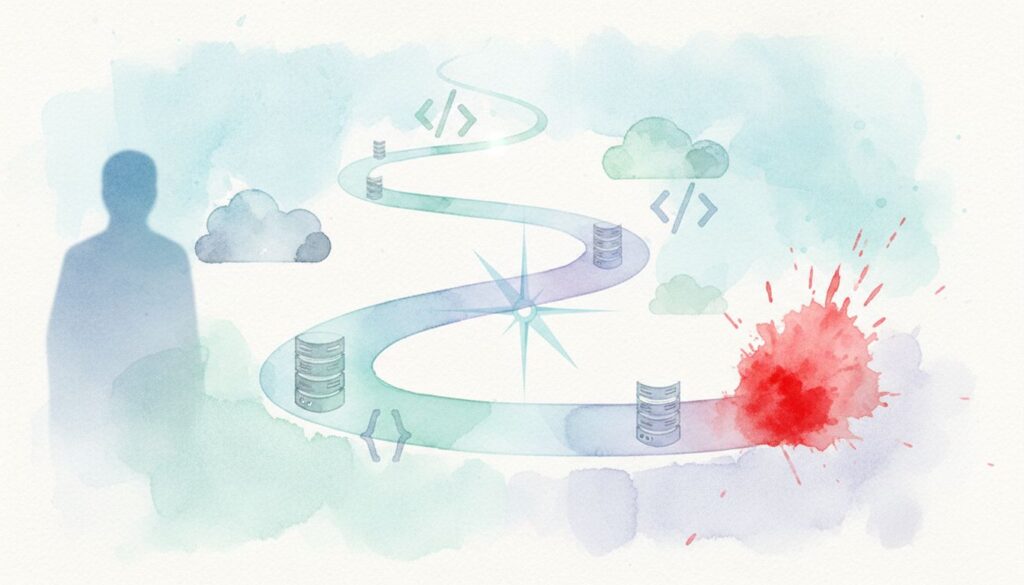
Your vendor should support your plan. They should not become your plan.
When a roadmap starts bending around renewals, product limitations, and sales pitches, you have a control problem. You may still have a strong team. But if your business keeps adjusting to the vendor instead of the other way around, your vendor technology strategy has drifted.
The warning signs are usually plain once you know where to look. The good news is that you do not need a full reset to fix it.
Key takeaways: what to watch first
- If your roadmap follows the vendor’s roadmap, your business has lost some decision rights.
- If vendor language shows up more than business language, the vendor is steering the conversation.
- If you cannot explain why a tool exists without naming the product, you may be stuck in lock-in.
- If your team only gets serious during renewals, you are reacting instead of leading.
Keep those four questions in mind as you read. They will tell you more than a polished sales deck ever will.
Signs your vendor is shaping decisions
A healthy vendor gives input. A dominant vendor sets the tempo.
You can see it when product updates change your priorities, not just your feature list. You can see it when your internal team says, “that’s how the platform works,” as if that settles the business case. You can see it when new projects are approved because the vendor recommended them, not because they support growth, service, or risk reduction.

A few practical tells show up fast:
- Your roadmap changes whenever the vendor changes direction.
- Your team talks about products before outcomes.
- Renewal dates drive budget timing.
- No one can explain the business case in plain language.
If reporting is weak, the vendor usually fills the gap. That is a bad trade. The board and leadership team need visibility they can trust. A board and funder reporting readiness checklist can help you see whether your reporting still serves leadership, or just documents activity.
If you cannot explain the business case without the product name, the vendor is already steering.
The hidden costs of vendor dependence
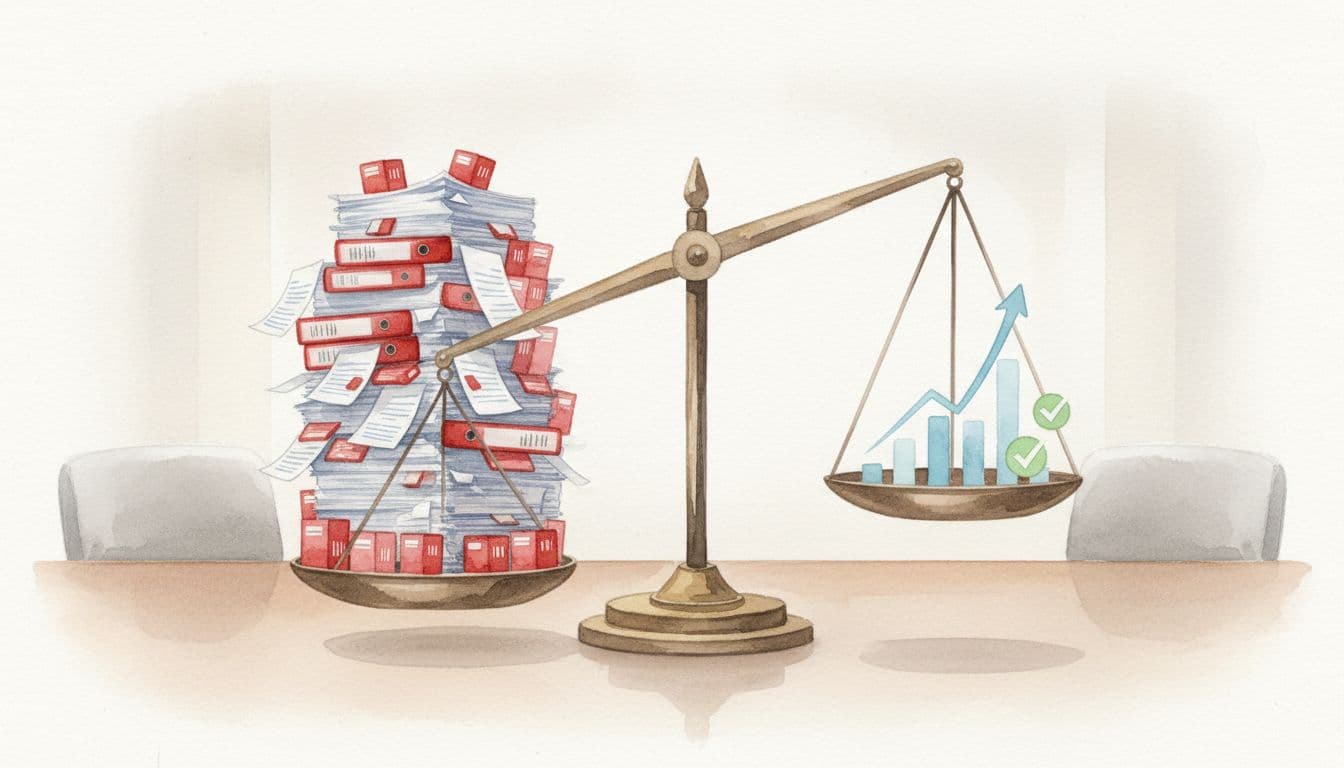
The cost is not only the invoice. It is the slower pace, weaker leverage, and shrinking room to choose.
When your team builds around one vendor’s rules, you lose options. When the vendor changes pricing or terms, you feel it everywhere. When your stack becomes hard to leave, every future decision gets more expensive.
The U.S. Government Accountability Office has warned about this pattern in its report on restrictive licensing and vendor lock-in. The same dynamic shows up in private companies when no one owns the job of managing it.
The real damage is leadership-level. You start planning around what the vendor will allow. You stop asking what the business needs first. Then you end up defending a stack you never meant to build.
That is where access, offboarding, and incident response matter. If your vendor still has broad system access, or no one can say what happens when the contract ends, your control is thinner than it looks. A vendor access and offboarding checklist gives you a clean way to test that risk.
It also helps to stop treating renewals like the only checkpoint. NPI’s guidance on mitigating IT vendor lock-in risk makes the same point. You need structured review points before the contract trap closes.
How to regain control without ripping everything out
You do not need drama. You need decision rights.
Start by asking three questions:
- What business outcome does this vendor support?
- Who inside your organization owns the decision?
- What happens if you stop using this tool for 30 days?
If the answer to any of those is fuzzy, you have found your opening.
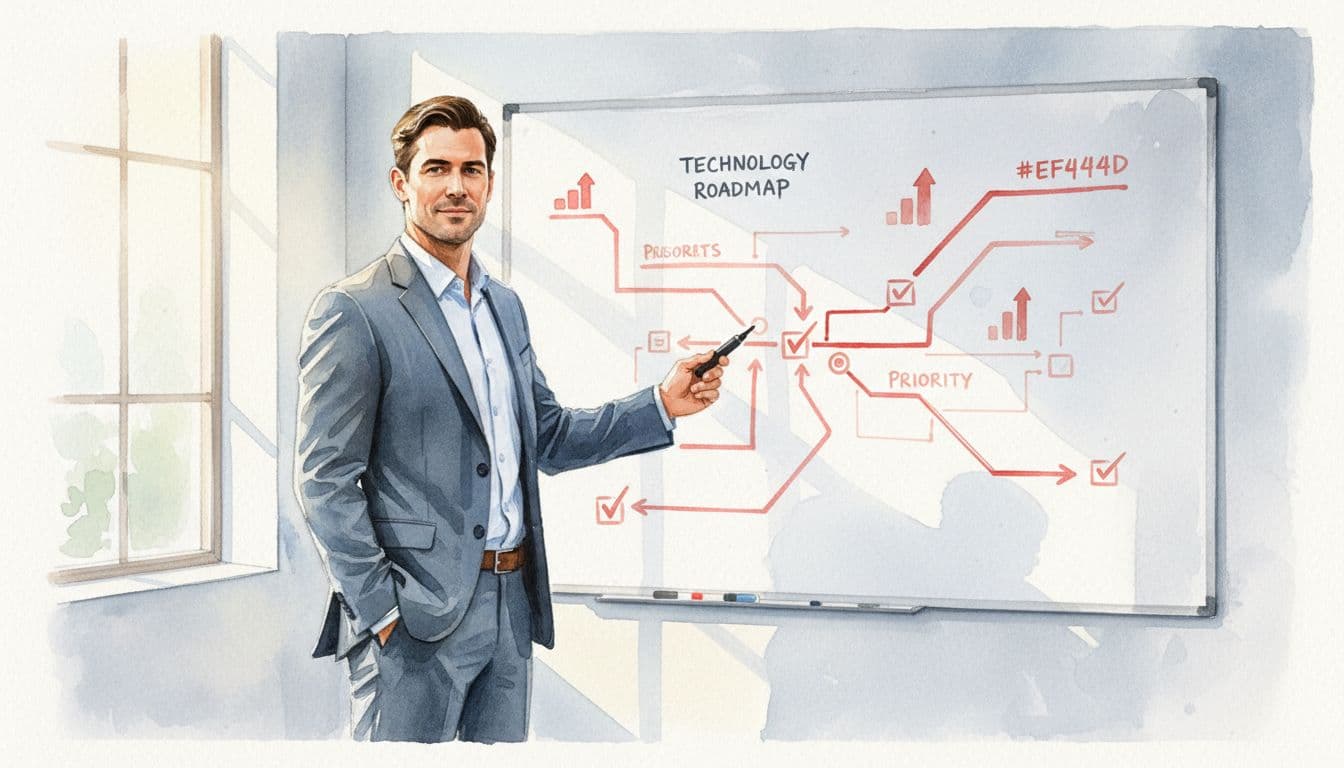
Next, reset the conversation around outcomes, not features. Your vendor can still be useful, but the agenda should come from you. That means business goals first, architecture second, product talk last.
If you need a simple way to bring order back, a metrics that matter one-page dashboard can keep the focus on what leaders actually need to see. When you can track a few meaningful measures, vendor noise gets easier to spot.
Then lock down the basics. Limit access. Document ownership. Build an exit path. Put incident response in writing. If something goes wrong, you do not want to improvise under pressure. A vendor incident response plan maker helps you pre-build that discipline.
The goal is simple. You want the vendor to fit your strategy, not define it.
FAQ
How do you tell the difference between vendor input and vendor control?
Vendor input helps you make a better decision. Vendor control shows up when the vendor’s limits, timelines, or incentives decide the decision for you. If your team keeps saying, “the platform doesn’t do that,” ask whether that is a true constraint or just a convenient excuse.
What if the vendor is good, but too influential?
That happens. Good vendors can still pull your strategy off course if you let them sit too close to the steering wheel. Keep the relationship, but tighten ownership, reporting, and renewal discipline.
Should you replace the vendor right away?
Not always. First, test the business case, access model, and exit risk. Sometimes the answer is to change the relationship, not the tool. Sometimes the tool is fine and the governance is the problem.
Conclusion
If your vendor keeps shaping your roadmap, you are carrying more risk than you need to. The signs are usually clear, the costs are real, and the fix starts with ownership.
You do not have to rip out your stack to get control back. You need clearer decisions, better reporting, and a business-first view of what the vendor should and should not decide.
That is how you get your strategy back, one decision at a time.