

The real cost question is not just what you pay the fractional CTO. It’s what you keep paying when technology keeps drifting, decisions slow down, or nobody is clearly in charge.
You usually start looking for this help when the business is under pressure. Maybe there’s a leadership gap. Maybe a major project is slipping. Maybe the board wants cleaner answers. Or maybe technology has become too important to keep running on habit and vendor instinct.
The answer depends on scope, urgency, and the kind of leadership support you need. A light advisory role costs differently than a hands-on executive stepping into a messy transition.
Key takeaway: budget based on business need, not just hourly rate. If the work is meant to improve ownership, visibility, and execution, the cheapest option is not always the least expensive one.
What a fractional CTO actually does for your business
A fractional CTO is not there to fix laptops or chase ticket queues. You are paying for executive judgment. That means someone who can connect business goals to technology decisions, then help leadership act on them.
This role sits above the daily noise. It looks at priorities, vendors, reporting, risk, and execution as one system. If your company has grown past informal technology management, but you do not yet need a full-time senior hire, this model can fill the gap without adding permanent overhead. A fractional CTO services engagement is usually about bringing order to a business that has outgrown guesswork.

The problems a fractional CTO helps you solve
A good fractional CTO reduces confusion more than they add meetings. That matters.
They help when ownership is fuzzy, reporting is thin, tool sprawl is getting expensive, or vendors are shaping decisions more than leadership is. They also help when projects keep sliding, risk is building, and no one can give you a straight answer about what is done, what is late, and what is exposed.
The point is control. Not control for its own sake, but control that lets you lead with confidence.
Why this is different from hiring a consultant or MSP
A consultant usually comes in to solve a defined problem. An MSP usually handles ongoing support. That can be useful, but it is not the same as executive leadership.
A fractional CTO helps lead the whole picture. They help decide what matters, what gets funded, what gets delayed, and what needs board-level attention. If you want that broader view, not just task completion, the role is different by design. You can see how CTO Input frames that work in its fractional CTO and interim services.
What you can expect to pay for a fractional CTO
If you are asking how much a fractional CTO costs, the most honest answer is this, it depends on the shape of the problem.
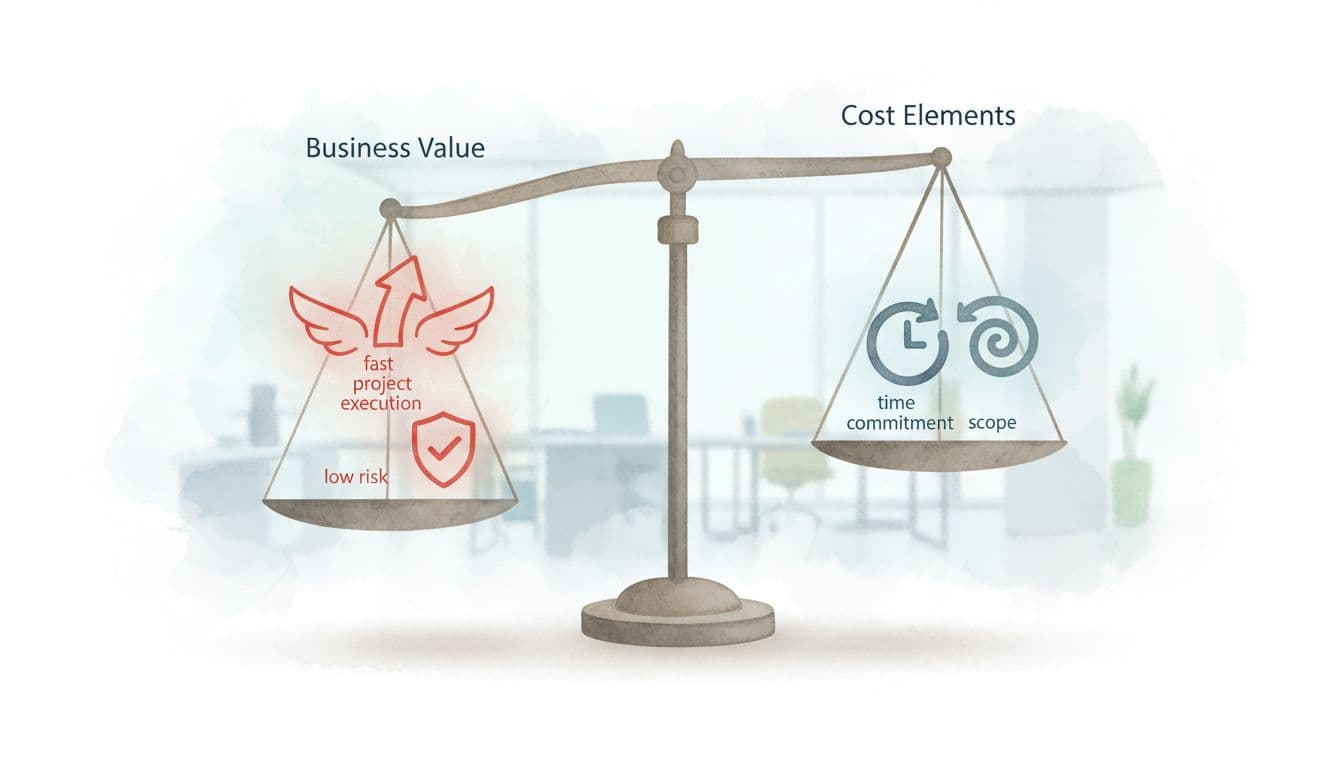
Cost changes with time commitment, urgency, team size, complexity, and whether you need ongoing leadership or a short burst of help. A business in transition will not pay the same as a company that needs steady executive oversight over several months.
This is why pricing should be read as a range of engagement types, not a single sticker price.
The main pricing models you are likely to see
Here is the simple view.
| Pricing model | Best for | Watch out for |
|---|---|---|
| Monthly retainer | Ongoing leadership, steady cadence, board or executive support | Paying for more time than you use |
| Hourly advisory work | Focused questions, short-term decisions, limited scope | Costs can rise fast if the work expands |
| Project-based support | Clear deliverables like assessments, roadmaps, or transition plans | Less useful if the real issue keeps changing |
| Interim arrangement | Leadership gaps, recovery efforts, urgent instability | Usually the highest commitment because the pressure is highest |
A retainer makes sense when the business needs continuing judgment and cadence. Project pricing is cleaner when the problem is well defined. Hourly support can work, but it gets expensive if the work is open ended and nobody is setting boundaries.
What pushes the price up or down
The price moves for the same reason the risk does, the situation is either simple or it isn’t.
Urgency raises cost because the work has to start now. A leadership gap also raises the bar, because you are not just buying advice. You are buying ownership, decisions, and continuity.
Size matters too. A larger team usually means more reporting, more alignment work, and more time spent clearing the path. The same is true if the business is under diligence, cyber pressure, or recovery after a failed initiative.
If the need is vague, the budget will be vague too. That is where buyers get burned.
How to build a realistic budget before you hire
Start with the problem, not the rate.
If you shop on price before you define the issue, you will almost always underbuy. A fractional CTO budget should begin with the outcome you need, the leadership gap you are facing, and the level of support required to move the business forward.
That is the difference between buying time and buying progress.
Budget for the outcome, not just the time
Ask what the work should change.
Do you need faster execution? Better board visibility? Stronger vendor control? Clearer priorities? Less risk? Cleaner decision-making? Those are business outcomes. They are also the right lens for evaluating cost.
A cheap engagement that does not solve the actual problem is expensive. It leaves you with the same drag, plus another round of meetings.
Plan for hidden costs beyond the CTO fee
The fee is not the whole number.
You may also need internal team time, reporting changes, cleanup work, vendor resets, process fixes, or tools you stop using once the real picture is clear. If the business has been running on workarounds, there is usually some repair work involved.
That does not mean the cost is too high. It means you are paying to remove a problem that has been hiding in plain sight.
Decide whether you need ongoing support or a short burst of help
Some companies need three to six months of steady executive guidance. Others need a focused reset, a transition plan, or a decision package that gets leadership unstuck.
The right scope keeps spending aligned with the moment you are in. If you are preparing for a transaction or leadership change, the work may be intensive and short term. If the business has been living without clear technology ownership for years, you may need something more durable.
When to hire a fractional CTO is less about timing on a calendar and more about whether the business can keep absorbing the cost of delay.
Signs you are ready to hire now instead of waiting
Waiting gets expensive when the business is already paying for confusion.
If a technology leader has left, a major initiative is slipping, the board wants better answers, or a diligence process is underway, the problem is probably bigger than a single project. The same is true after a cyber event, an outage, or a failed implementation. These moments expose weak ownership fast.
If that sounds familiar, Talk Through Your Technology Leadership Gap is usually the right next conversation.
The warning signs that your technology costs are already too high
The bill is not always obvious, but the symptoms are.
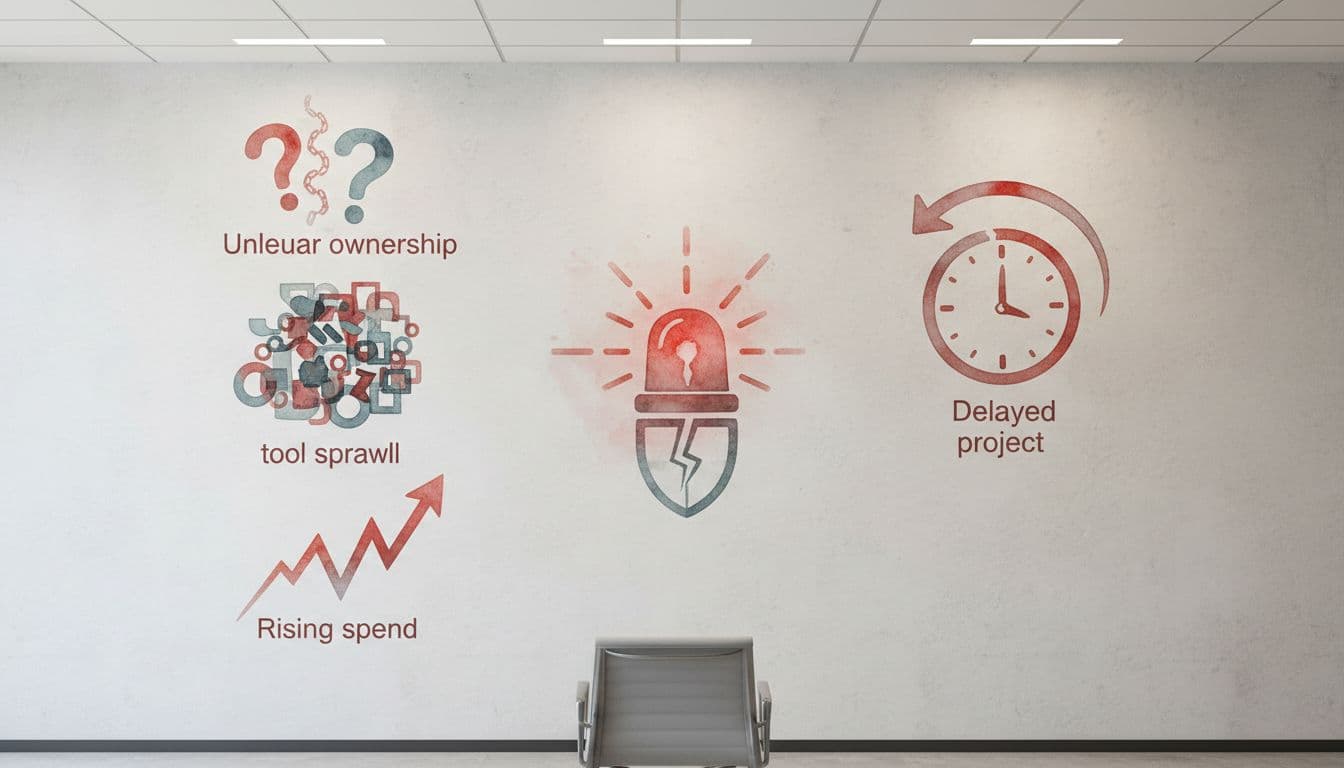
You see slower decisions. You see too many tools. You see recurring surprises. Spend keeps rising, but the business does not feel more in control. Projects stall, then get explained away. Vendors start sounding more certain than your own team.
Those are not just technology problems. They are leadership problems wearing a technology mask.
When a fractional CTO is better than a full-time hire
If you need senior judgment now, but you are not ready for a permanent executive, the fractional model gives you speed and flexibility.
That matters during recovery, transition, or growth strain. It also matters when you need to stabilize the business before you decide what the long-term leadership model should be. If you jump straight to a full-time hire too early, you may solve the title problem while leaving the operating problem in place.
Questions to ask before you sign the contract
You do not need a long checklist. You need the right questions.
Start with fit, scope, cadence, and how the work will be measured. If a provider cannot answer those clearly, the cost will probably feel fuzzy later too.
What results should you expect in the first 30, 60, and 90 days?
The first phase should reduce confusion. You should see cleaner visibility, a clearer plan, and a practical next step.
By 30 days, you should know what matters most. By 60 days, priorities should feel tighter. By 90 days, the business should have visible progress or at least a defensible path forward. If you cannot describe the expected early wins, the engagement is too vague.
How will you know the work is paying off?
Use business measures, not just activity measures.
Look for clearer priorities, fewer stuck projects, better reporting, stronger vendor control, faster decisions, and more confidence in board conversations. You should also see less rework and less time spent chasing answers.
If you want a fuller view of how this kind of leadership changes the operating picture, Executive Technology Leadership is the right lens.
Conclusion
The question is not only how much a fractional CTO costs. It is what it costs to keep operating without one.
If your business is dealing with a leadership gap, weak reporting, rising risk, or stalled execution, the right investment depends on urgency, complexity, and how much executive support the situation really needs. A lower fee is not a win if the problem stays untouched.
Budget for the decision you need, not the title you want to buy. If you want a clearer read on what is slowing growth and where the leadership gap really is, Get an Executive Technology Clarity Check.