

A full-time CTO is often too expensive for a small company. That doesn’t mean you should go without executive technology leadership.
The real question is not whether technology matters. It does. The question is which level of leadership you need right now, a full-time hire, a fractional leader, interim support, or board-level oversight. If ownership is blurry, reporting is weak, vendors have too much sway, and tech decisions feel hard to trust, you do not need more noise. You need the right kind of help.
Key takeaways
- You do not need a full-time CTO to get senior technology leadership.
- The most cost-friendly options are fractional leadership, interim leadership, and executive oversight.
- The right model depends on whether you need strategy, stabilization, or better visibility.
- If the problem is unclear, start with a focused conversation before you spend on the wrong fix.
What a CTO actually does for a small business
A good CTO is not there to “fix tech” in the narrow sense. You already have people for that. The real job is to make sure technology supports the business without creating extra drag.
That means setting direction, prioritizing work, guiding vendors, reducing risk, and helping leadership make decisions that hold up under pressure. It also means translating technical complexity into reporting you can use. You should know what is on track, what is slipping, what it costs, and who owns the next move.
A CTO gives you clearer ownership, better reporting, and a stronger link between growth plans and technology choices. That is the value.
Why this role is more than IT support
IT keeps the lights on. A CTO helps you decide which lights matter most.
That difference matters. IT is about operations, support, and day-to-day stability. Executive technology leadership is about tradeoffs, priorities, and the next 12 months. If you are growing, changing systems, or facing board questions, you need someone thinking at that level.
If your business is asking, “Do I select a fractional CISO or a full-time ciso?” the logic is the same. Don’t buy a title for comfort. Buy the level of leadership your risk and complexity actually require.
The hidden cost of not having one
When no one owns the big picture, you start paying for it in small ways first. Tools pile up. Decisions slow down. Vendors shape the roadmap. Reporting gets fuzzy. Risk sits in the background until it gets expensive.
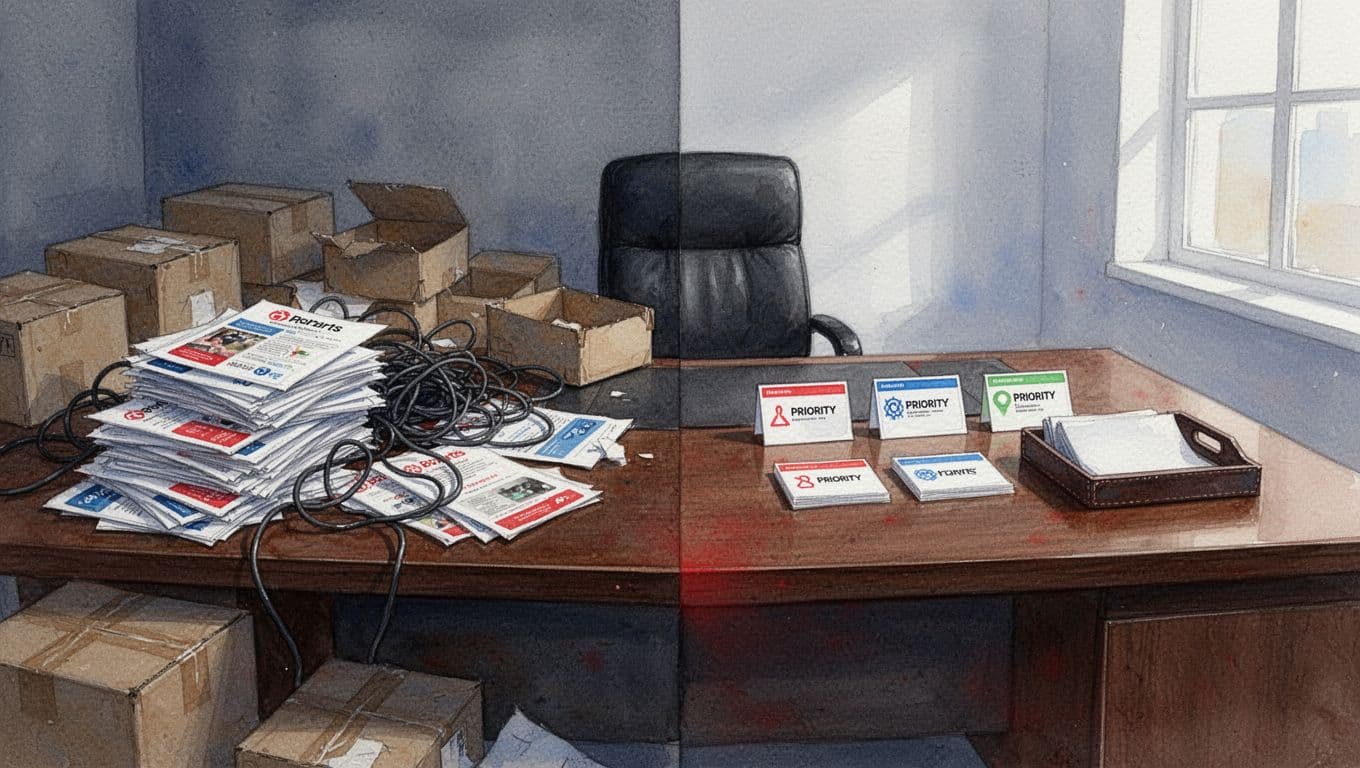
Those costs are not always loud. They show up as wasted spend, missed deadlines, and leaders who stop trusting the information in front of them. A company can survive a messy quarter. It has a harder time surviving a pattern.
Why a full-time CTO is often out of reach for a small company
A full-time CTO is not cheap. Salary is only part of the bill. You also carry benefits, bonus, equity, recruiting time, onboarding, and the risk of making the wrong hire. For many small companies, that is a big commitment.
And sometimes it’s the wrong shape of spend. You may only need senior guidance a few days a month, or during a transition, or while you clean up a leadership gap. In that case, a full-time seat is overkill. The problem is not that technology leadership is too expensive. The problem is that the wrong format is too expensive.
When the budget is real, but the need is still urgent
This is where many leadership teams get stuck. The business needs stronger direction now, but the budget can’t support a full-time executive yet.
That shows up during growth strain, a board asking harder questions, cyber pressure, acquisition prep, or when a senior leader leaves and nobody can absorb the gap cleanly. Urgency does not automatically mean full-time hiring. It means you need the right level of help fast.
Why buying more tools is not the same as buying leadership
A dashboard does not create judgment. A consultant does not create ownership. More software does not fix weak decision rights.
Too many companies spend more on tools than on leadership, then wonder why confidence is still low. If vendors are driving the roadmap, the stack may grow, but clarity won’t. You end up with more moving parts and no stronger grip on the business.
Budget-friendly executive technology leadership options that actually work
Affordable does not mean weak. It means matched to the moment you’re in.

### Fractional CTO leadership for steady guidance
Fractional CTO leadership gives you senior thinking without a full-time salary. It fits when technology is too important to leave informal, but not big enough to justify a permanent executive seat.
This is a strong fit when you need priorities sharpened, vendors managed better, reporting tightened up, and tradeoffs made with more discipline. If you want a practical place to start, fractional CTO leadership is often the best first step.
Interim CTO leadership when things cannot wait
Interim leadership is for disruption. A CTO leaves. A major initiative slips. The board needs answers. A cyber issue, outage, or failed project exposes weak ownership.
In those moments, you do not need a long search. You need someone who can step in, steady the team, make decisions, and restore control. Interim CTO support is built for that kind of pressure.
Executive oversight when you do not need a new person in the seat
Sometimes the team already exists. The problem is not headcount. The problem is visibility.
You may have technical managers, internal staff, and vendors, but leadership still can’t get a clean answer. Who owns what? What’s delayed? What’s at risk? What is the actual plan? In that case, oversight can be the most cost-effective fix. If that sounds familiar, Talk Through Your Technology Leadership Gap can help you sort out the next move.
How to tell which option fits your company best
Start with the pressure you’re under, not the title you think you should hire.

| If you need… | Look at… | Best fit | | — | — | — | | Ongoing direction | Strategy, priorities, vendor control | Fractional CTO | | Immediate stabilization | Leadership gap, urgent confusion, board pressure | Interim CTO | | Better visibility | Reporting, ownership, decision rights | Executive oversight |
If you’re still unsure, ask one blunt question: do you need strategy, stabilization, or visibility? That question cuts through a lot of expensive guessing.
Choose fractional leadership if you need ongoing direction
Pick this when the business is growing, the stack is getting messy, priorities keep shifting, or technology spend is rising faster than confidence. You need executive judgment on a recurring basis, not a full-time salary.
Choose interim leadership if the situation is unstable
Pick this when there is a sudden departure, a slipping project, a cyber event, or a board that wants answers now. Speed matters here. So does calm.
Choose oversight if the problem is visibility, not headcount
Pick this when the team exists, but leadership still cannot see what is happening in plain language. That usually means reporting, ownership, or governance needs work. You do not need another operator. You need better executive structure.
What you should expect from a good budget-friendly CTO option
The right support should make leadership cleaner, not busier. You should feel less fog, not more meetings.

### Clearer decisions and fewer surprises
A good partner helps you separate signal from noise. You should know what matters now, what can wait, and what needs a decision. That is how you stop making calls in the dark.
Better visibility into spend, risk, and execution
You should be able to see where money is going, what is late, what is exposed, and who owns the next step. If you cannot answer those questions quickly, the problem is bigger than the software.
A calmer operating rhythm for your team
The best executive technology support creates structure without drama. Teams work better when the plan is clear, the owner is known, and the definition of success is plain. That is how you get less churn and fewer fire drills.
When it makes sense to bring in outside help now
Waiting often costs more than acting. If reporting is weak and technology is already slowing growth, a small delay can turn into a long one.
If you need a first step, Get an Executive Technology Clarity Check. You do not need to solve everything on that call. You do need a clean read on what is actually broken.
Signs you should not wait for a full-time hire
Watch for repeated delays, rising vendor confusion, board pressure, hidden risk, or a leadership gap that keeps getting papered over. If those are in the room, a temporary or fractional fix may be smarter than waiting months for a perfect hire.
How a short clarity call can save months of guesswork
A short conversation can tell you whether the real problem is leadership, reporting, vendor control, or something else entirely. That matters because the wrong diagnosis leads to the wrong spend. A board-ready view is often the missing piece, not another tool.
Conclusion
A small company can absolutely afford executive technology leadership. You just need the right model for your stage, your pressure, and your budget.
If you need strategy, choose fractional support. If you need stabilization, choose interim help. If you already have people but not enough clarity, choose oversight. The cost of guessing is usually higher than the cost of getting the right kind of help.
The real win is not hiring a title. It is getting clearer decisions, stronger ownership, and technology leadership you can trust.