

Investors are not only buying your growth story. They are checking whether your technology can support the business they are backing.
They want signs of control, clear ownership, solid reporting, and low hidden risk. If your answers are sharp, trust moves faster. If your visibility is weak, the deal slows down, or it stalls. Think of this as a practical guide to technology due diligence for founders, CEOs, and COOs who want to be ready before the hard questions start.
Keep these three questions front and center:
- Does your technology support the business plan?
- Do your leaders know who owns what?
- Can you explain the real risks without guessing?
Investors are not buying your tool stack. They are buying your ability to run the business without surprises.
The first thing investors want to know: can your technology support the business plan?
Investors do not care whether your stack is fancy. They care whether it helps you grow, hold steady, and deliver on what you promised.
That means they are looking for fit. Does your technology help revenue, customer experience, speed, and scale? Or is it holding the business together with duct tape and hope? If your systems are already straining at the current size, investors will assume the strain gets worse after new money lands.

Does your tech stack match where the business is going?
This is where stage matters. A stack that works for a small, hands-on team can become a problem once growth picks up. Informal setups are fine until they start creating delays, handoffs, and blind spots.
Investors want to know whether your systems were built for the business you have now, not the one you had two years ago. If the company has outgrown founder-led decisions, vendor-led fixes, or a patchwork of side tools, they will notice.
Can you explain why your technology spend is worth it?
This question is never just about cost. It is about value.
Investors want to see a straight line between spend and result. If technology is helping you move faster, serve customers better, or reduce risk, say so in plain language. If spend is mostly keeping the lights on, say that too. The issue is not spending money. The issue is spending money without a clear business return.
What investors need to see in your leadership, ownership, and decision making
Technology problems get expensive when nobody owns the decisions. Investors know that. So they look for leadership structure, not just technical activity.
They want to know who makes decisions, who is accountable, and how fast the team can respond when priorities shift. If ownership is blurry, reporting is weak, or decision rights are fuzzy, they assume the same confusion will show up under pressure. If you want a broader view of how executive control changes the picture, executive technology leadership is the right lens.

Who owns strategy, delivery, and risk?
Investors do not want shared assumptions. They want named owners.
If no one clearly owns strategy, delivery, and risk, the business slows down. Work gets duplicated. Follow-through gets weak. People wait for someone else to decide. That is fine in a small, informal setup. It is not fine when someone is writing a check and expecting discipline.
Do you have a reporting rhythm leadership can trust?
A dashboard is not the same thing as usable reporting.
Investors want to see whether leadership gets the right signals on time. They want board-level visibility into delivery, spend, and risk. They also want to know whether bad news surfaces early, or only after the damage is done. Clean reporting tells them the leadership team is paying attention. Pretty charts do not.
Are vendors helping you, or quietly steering the roadmap?
This one comes up fast when a company depends too much on outside help.
Investors want vendors to support the plan, not shape it. If every major choice flows through a supplier, the business loses control. That is where teams start drifting into tool sprawl, duplicate spend, and roadmap creep. If that sounds familiar, fractional CTO services can help restore the control point at the leadership level.
The risks investors look for when technology is hard to trust
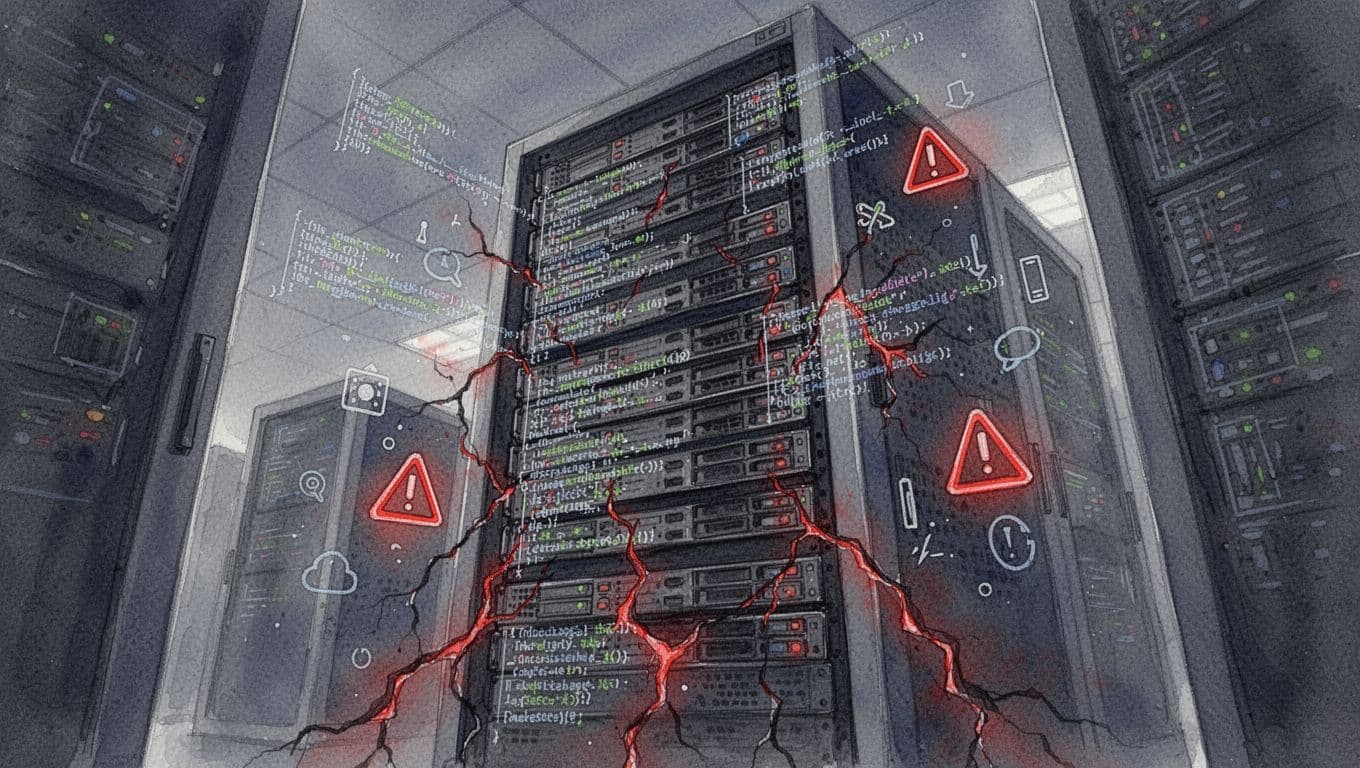
Investors are not looking for perfection. They are looking for hidden drag.
That means they watch for weak cybersecurity posture, old systems, messy data, overreliance on heroics, and projects that keep slipping. One bad sign does not kill a deal. A pattern of vague answers does. If you need a better handle on how interim support changes this picture, the interim CTO view is worth understanding.
Is cyber risk visible, or are you guessing?
Investors want to know whether you can name your real risks.
Can you point to the main exposures, the people responsible, and the work already underway? Or are you still using broad language because the picture is unclear? Vague cyber answers make investors nervous because they suggest weak oversight.
Are your systems and data reliable enough for real decisions?
If your leaders do not trust the numbers, investors will feel that right away.
They will ask where the source of truth lives, how often data is checked, and whether the business is making decisions on stale or inconsistent reports. When data is shaky, confidence is shaky too. That is a problem long before it turns into a technical one.
Is technical debt hiding a future cost?
Investors accept complexity. They do not like surprise costs.
Old systems, deferred work, and brittle processes are all part of running a real business. The issue is whether you can explain the path forward. If the roadmap has no clear shape, investors assume the next round of repairs will be expensive and distracting.
How to prepare your technology story before investors ask the hard questions
Preparation is not about sounding perfect. It is about showing control.
You need clear, plain-language answers about systems, people, risk, and plan. If the answers feel scattered, that is your signal to tighten the story before diligence, a funding round, or a buyer conversation. If technology decisions feel scattered, risky, or too dependent on the wrong people, start with Get an Executive Technology Clarity Check.
Gather the facts investors will ask for
Be ready to explain your major systems, key dependencies, security basics, roadmap status, vendor roles, and open risks.
You do not need to drown people in detail. You do need a clean answer to the questions they will ask twice. If your team cannot get those facts in one place, that is a problem worth fixing now, not later.
Turn technical detail into business language
Investors want business terms, not technical fog.
Talk about uptime, growth, customer impact, cost, speed, and risk. Explain what a system does for the business, what happens if it fails, and what it costs to keep it healthy. That is how you move the conversation out of the weeds and into decisions that matter.
Fix the biggest gaps before they become a deal problem
Start with ownership. Then reporting. Then obvious bottlenecks.
If no one clearly owns the result, the issue will show up in diligence. If leaders cannot explain the numbers, the issue will show up in diligence. If a vendor is steering too much, the issue will show up in diligence. When the business is moving toward a round, sale, or transition, Prepare Technology for Diligence or Transition is a smart place to start.
Conclusion
Investors are not just asking about technology. They are judging leadership maturity, control, and readiness.
If you can show clear ownership, honest reporting, and a believable plan, you reduce risk fast. You also make the business easier to trust, which matters more than a polished stack.
Get your technology story in shape before the next round, buyer conversation, or board review. If the business is in growth, transition, or diligence, it may be time to Talk Through Your Technology Leadership Gap.