
Series B investors don’t expect a risk-free company. They do expect you to know where your risk sits, who owns it, and what happens when something goes wrong.
Strong SaaS security is no longer a technical side project. It affects customer trust, diligence speed, enterprise sales, valuation discussions, and your ability to keep operating under pressure.
The goal is not to build a perfect control environment before the round. It is to build a clear, defensible one.
Key Takeaways
- Investors look for operating evidence, not polished policy documents and vague assurances.
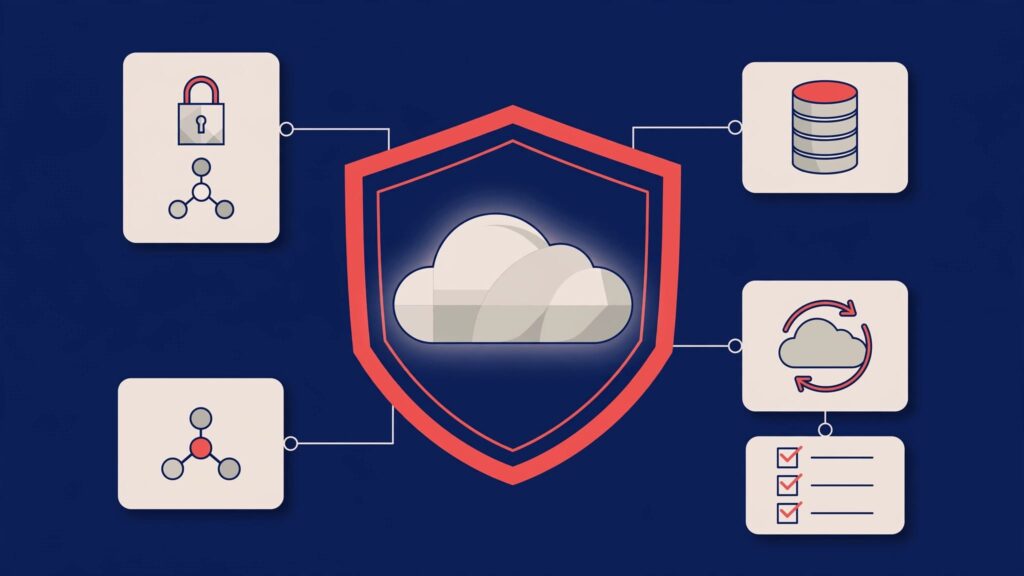
- Your security story should connect access, product risk, data, vendors, recovery, and ownership.
- A SOC 2 report can help, but it does not replace sound technology governance or tested controls.
- Material gaps do not always stop a round. Hidden gaps, unclear owners, and weak remediation plans can.
- A concise technology roadmap, named risk owners, and board-ready reporting show that leadership is in control.
The question behind most diligence requests is simple: can this company protect customer trust while it grows?
Investors Are Testing SaaS Security Maturity
Investors are not trying to run your security program for you. They are testing whether your company has the leadership discipline to manage risk as complexity rises.
A technical due diligence review often covers customer data, privileged access, cloud accounts, critical systems, incident history, recovery plans, privacy obligations, and third-party risk. Your technology due diligence guidance should help leadership answer those questions before the data room opens.
They want clear ownership
Someone should own the full security picture. That does not mean one person performs every task. It means one executive can explain the exposure, the open decisions, and the plan.
Founder-led technology decisions can work early on. Before Series B, they often become a technology leadership gap. Engineering may own the product. IT may own identity. Legal may own privacy. Finance may approve vendors. If no one connects those decisions, risk gets buried between functions.
Your technology leadership needs to show stronger ownership across security, delivery, vendors, data, and budget. That is executive technology leadership, not a longer list of security tools.

They want business answers, not technical noise
An investor may ask about multi-factor authentication, backups, penetration tests, or vulnerabilities. The deeper question is whether an incident could stop revenue, breach customer commitments, or force an expensive cleanup.
You should be able to explain your cyber risk appetite in plain language. For example, you may accept a short outage in an internal reporting tool. You should not accept weak access controls around production systems or customer data.
That distinction turns cybersecurity oversight into a business discussion. It also gives investors a more credible view of your technology risk management.
Build SaaS Security Evidence Investors Can Trust
A good security posture is visible in the way your business operates. Policies matter, but policies without records, reviews, and follow-through are only promises.
NIST Cybersecurity Framework 2.0 is a useful organizing structure. Its six functions, Govern, Identify, Protect, Detect, Respond, and Recover, give you a practical way to map your control environment and technology roadmap.
Start with identity, access, and systems
Create a current systems inventory. Include production environments, source-code repositories, cloud accounts, customer-support platforms, finance tools, analytics systems, and AI tools that handle company or customer data.
Then test the basics:
- Multi-factor authentication should cover important accounts, especially privileged access.
- Access reviews should show who has production, customer-data, and administrator rights.
- Offboarding should remove accounts, tokens, shared credentials, and vendor access promptly.
- Security logs, vulnerability reports, and remediation records should be available when asked.
Tool sprawl and shadow IT create more than wasted spend. They create unknown data stores, unmanaged accounts, and weak vendor management. A simple owner, purpose, cost, and data classification for each material system can bring order quickly.
Treat customer data and vendors as core risk
Data governance is not a document for legal to maintain alone. You need a data governance framework that makes access rights, retention, sharing, data quality, and privacy ownership visible.
Review where sensitive data lives, how it moves, and which vendors can access it. Your vendor due diligence should cover security practices, breach notification obligations, subcontractors, data use, service continuity, and exit rights.
A vendor incident response plan should name who acts if a critical provider suffers an outage or breach. Vendor offboarding matters too. When you leave a provider, revoke access, recover data, confirm deletion terms, and document the handoff.
Prove Your Controls Work Under Pressure
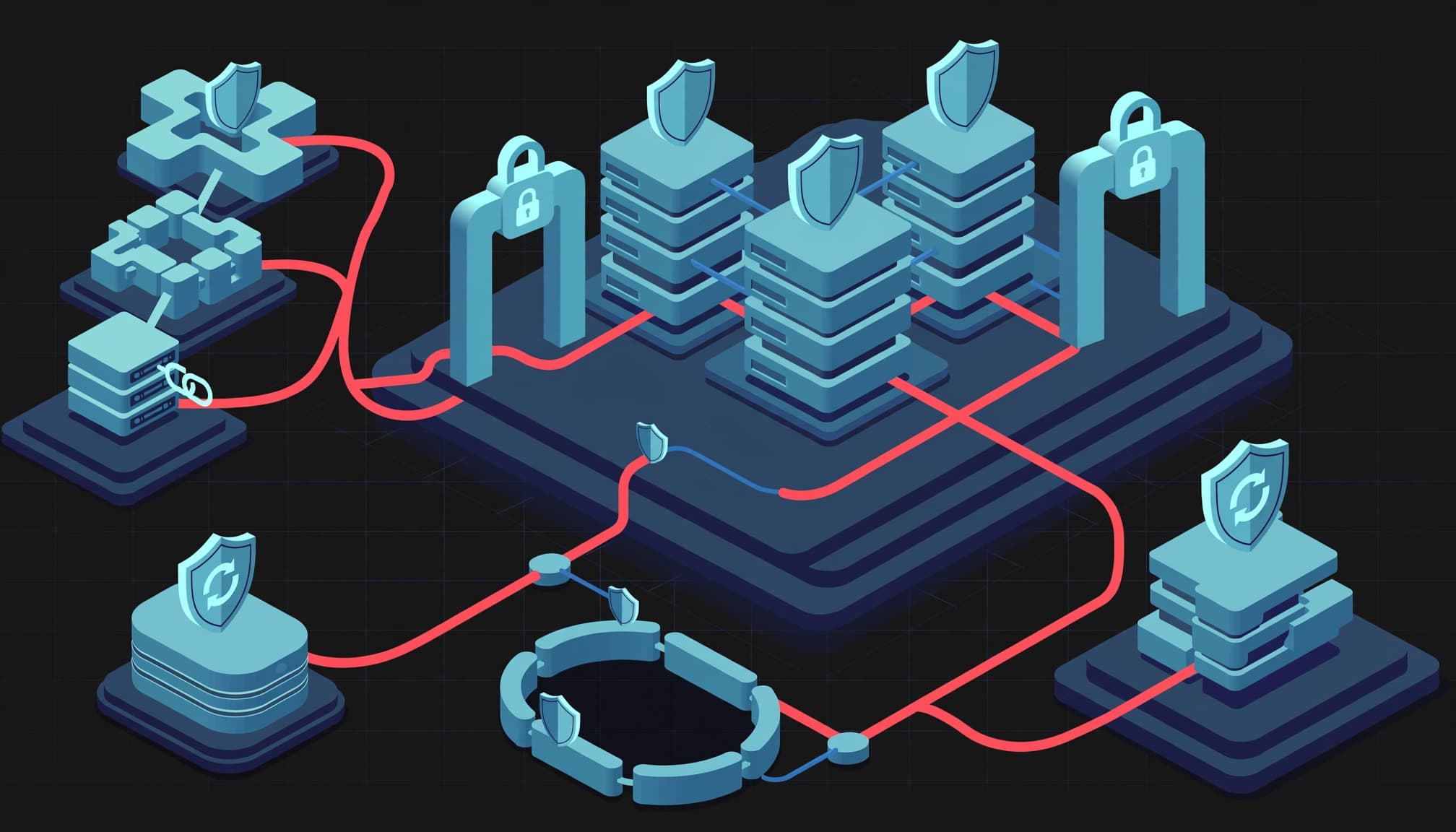
A Series B investor may accept a known gap. They will be less comfortable with a company that cannot show whether its controls work.
Make product security part of delivery
Your secure development work should cover code review, dependency management, vulnerability scanning, testing, release controls, and production change approvals. Technical debt is not automatically a problem. Unexplained technology debt, unsupported components, and a growing remediation backlog can become a problem fast.
Technical due diligence should also test intellectual-property ownership, open-source obligations, system architecture, key integrations, and key-person dependency. If your platform depends on one engineer who understands a critical service, say so and show the plan to reduce that exposure.
SOC 2 can support this work. It is a voluntary AICPA framework that assesses how service organizations protect customer data across five trust-service areas. A current SOC 2 overview can help you set expectations, but the report is not a substitute for working controls.
Test response and recovery before diligence
Business continuity planning and disaster recovery planning need evidence. Run an incident-response tabletop. Test a backup restore. Record what happened, what failed, who owned the fix, and when it closed.
An executive incident response checklist should cover decision rights, customer communications, legal escalation, containment, recovery, and leadership updates. Incident response readiness is calmer when those choices are settled before an incident.
Public-company rules offer a useful benchmark, even though they do not apply directly to most private SaaS companies. The SEC’s cybersecurity disclosure requirements require public companies to disclose material incidents within four business days after a materiality determination. The broader lesson is clear: leadership needs facts quickly when cyber risk becomes material.
Put the Right Evidence in Your Data Room
Diligence slows down when evidence sits in inboxes, private folders, and the memory of one technical leader. A good data room is not a security theater project. It is an organized record of how the company operates.
Include evidence, not only policies
Your technology data room checklist should include current policies, risk assessments, penetration-test summaries, incident history, access-review records, backup and recovery tests, insurance information, key vendor contracts, and material security questionnaires.
Add a risk register that shows each material finding, business impact, accountable owner, mitigation plan, deadline, and review trigger. If you have accepted a risk, explain why and identify who approved it.
You do not need hundreds of files. You need the files that answer reasonable questions without a week of follow-up.
Show the remediation plan
A 12-month technology roadmap should separate urgent security work from longer-term improvements. It should identify the owner, cost range, dependencies, and expected business outcome for each major item.
A one-page technology strategy can be enough for an investor conversation if it shows how security supports growth, customer trust, delivery capacity, and technology spend optimization. Your roadmap should not pretend every issue will close next quarter. It should show that leadership understands the order of work.
Give the Board a Governable View of Risk
Technology governance for boards is not a monthly list of tickets or threats. Directors need risk that they can see, question, and govern.
Report the decisions that matter
Board-ready technology reporting should show the few risks that could affect revenue, customers, operations, or financing. For each item, include the exposure, business consequence, current control, gap, owner, funding need, and decision required.
This is board cybersecurity reporting, not a technical fire hose. Your board technology risk questions can help shape a board-ready risk summary that stays focused on accountability and tradeoffs.
A technology dashboard should also show progress against major remediation work. Cost-per-outcome reporting is better than activity reporting. The board needs to know what the company is buying, what risk is reducing, and what remains open.
Close the leadership gap without rushing a hire
You may not need a full-time CISO or CTO before Series B. You do need clear executive ownership.
A fractional CTO, interim CTO, or part-time CTO can provide technology strategy, strategic technology planning, and an IT strategy and roadmap while you decide what permanent leadership structure fits. Where security ownership is the immediate issue, fractional CISO services, a virtual CISO, or an interim CISO can establish reporting, risk reviews, and incident-response discipline.
The right choice depends on the problem. A fractional CTO is not a substitute for a security leader in every case. An outsourced CTO model also should not become a way to avoid CEO technology decisions. Leadership can be shared. Accountability cannot.
Frequently Asked Questions
Do investors require SOC 2 before Series B?
Not always. Enterprise-focused SaaS companies often face stronger customer and investor pressure for SOC 2 evidence. What matters most is whether you can show a live control environment, honest gap assessment, and credible plan.
What SaaS security issues concern investors most?
Weak privileged access, missing multi-factor authentication, untested backups, unclear incident response, unmanaged vendors, unsupported systems, privacy gaps, and unresolved high-risk vulnerabilities usually attract attention. Investors also look for technical debt that could limit growth or require unplanned spend.
When should you bring in outside technology leadership?
Bring in support when security, vendors, delivery, and technology priorities no longer have one clear owner. A technology health check can separate a manageable cleanup list from a leadership problem that needs stronger direction.
For a practical starting point, Get an Executive Technology Clarity Check to identify what is slowing growth, where risk is building, and what needs executive ownership first.
Build a Security Story That Holds Up
Before Series B, you do not need to claim perfection. You need to show that security is understood, owned, tested, and connected to the business.
The strongest SaaS security story is clear about current risk, honest about gaps, and disciplined about the next decisions. That gives investors something more useful than reassurance. It gives them evidence of confident leadership under pressure.