
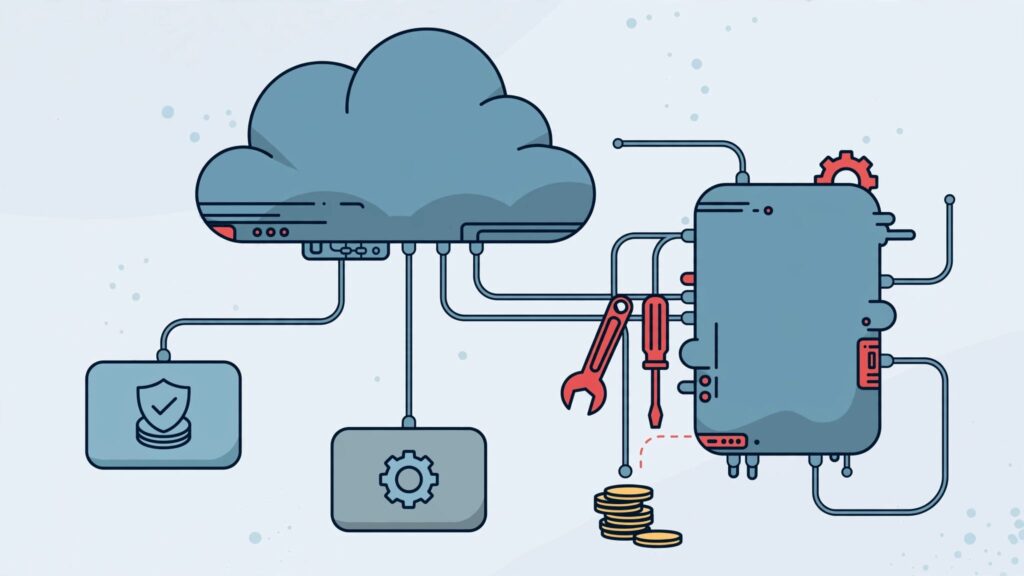
SaaS customization starts eroding gross margin when customer-specific delivery costs grow faster than the revenue covering them. The warning signs include dedicated infrastructure, recurring engineering support, and maintenance obligations that your pricing doesn’t recover.
A large contract can still be worthwhile. But you need visibility into its ongoing cost to serve, not just its subscription value or initial build estimate.
Start by separating delivery economics from development spending, then decide which customer commitments deserve continued investment.
Key Takeaways for SaaS Leaders
- Measure subscription and implementation margins separately before reviewing the blended result.
- Include recurring hosting, support, third-party services, and maintenance obligations in your customer profitability analysis.
- Keep cost classifications consistent. Moving expenses outside COGS doesn’t reduce company spending.
- Give customization exceptions an owner, a margin threshold, and a review date.
How Customization Changes SaaS Gross Margin
Configuration and custom code create different obligations
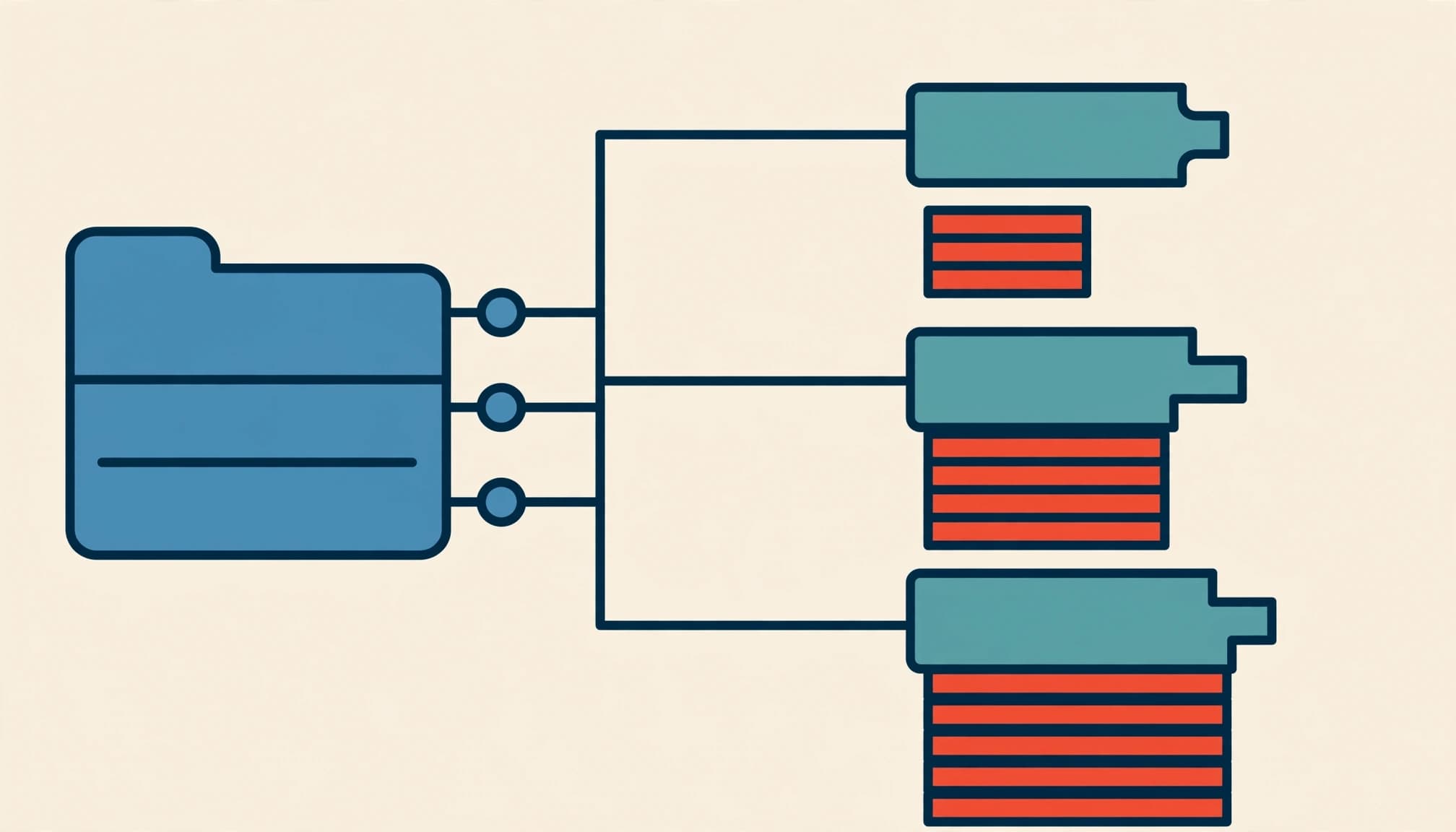
Configuration within a shared product is inexpensive to repeat and offers better scalability than customer-specific code. Custom code can require separate testing, release coordination, specialized support, and ongoing maintenance, increasing direct costs after implementation.
Dedicated environments add another layer. Isolated infrastructure or specific security controls can raise hosting costs and require recurring support. Those requirements can support a valuable contract, but your price must cover their continuing cost.
Review dedicated hosting economics before promising an environment that will outlive the initial implementation.
The warning appears in recurring work
Customization becomes a margin problem when each new customer requires substantial additional delivery capacity. Revenue grows, but the business gains little operating efficiency.
Look for accounts that repeatedly need engineering intervention, complex integrations that fail during upgrades, and recurring support or maintenance tied to one employee.
Also distinguish gross-margin erosion from roadmap displacement. New development may sit outside COGS while still delaying reusable product improvements. That opportunity cost matters, but it shouldn’t become an invented expense in your margin calculation.
Define SaaS COGS Before Comparing Margins
SaaS gross margin measures the amount remaining after direct costs of delivering the service. The gross margin formula is:
SaaS gross margin = (Revenue – Cost of Goods Sold (COGS)) / Revenue
Multiply the result by 100 to express it as a gross margin percentage.
Include the costs of delivering the service
SaaS COGS typically includes hosting fees, production infrastructure, and customer support, plus third-party service costs such as payment processing or monitoring tools. Production operations and attributable onboarding labor can also belong in delivery costs.
For customized accounts, identify dedicated resources, production API charges, specialist support, and customer-specific operational work. Otherwise, a company-wide average can conceal expensive commitments.
Use recognized amounts and associated delivery costs for the same period. Cash collected, contract value, and annual recurring revenue aren’t interchangeable with recognized revenue.
Keep operating expenses distinct
Gross margin excludes other operating expenses, including sales, marketing, administration, and generally new-product development.
Mixed roles require documented allocation. An engineer maintaining production and building new features performs different activities. Likewise, a cloud invoice can contain both production infrastructure and development environments.
Finance should establish consistent treatment with engineering input. Custom work doesn’t automatically belong entirely in COGS.
Reclassifying an expense can improve reported gross margin without improving the underlying business economics.
Calculate Gross Margin in Google Sheets
Use this simple SaaS gross margin calculator in Google Sheets to build a calculation that finance and engineering can reconcile:
- Label A1 “Total Revenue”, B1 “Cost of Goods Sold (COGS)”, and C1 “SaaS Gross Margin”.
- Enter recognized revenue in A2 and the corresponding delivery costs in B2.
- Enter
=(A2-B2)/A2in C2, then format C2 as a percentage.
The following calculation shows the effect of reducing delivery costs while the top line remains unchanged.
| Measure | Before cost reduction | After cost reduction |
|---|---|---|
| Revenue | $2,000,000 | $2,000,000 |
| COGS | $600,000 | $500,000 |
| Gross profit | $1,400,000 | $1,500,000 |
| Gross margin | 70% | 75% |
A $100,000 COGS reduction raises the gross margin percentage from 70% to 75%, a five-point increase. Architecture improvements and lower third-party costs can produce that result, provided they reduce total delivery costs rather than shift spending elsewhere.
Count migration work, replacement services, and added support when assessing savings. Lower infrastructure spending isn’t a better outcome if outages or customer churn consume the benefit.
Separate Implementation Costs From Recurring Obligations
Show services economics before the blended total
An implementation fee can recover initial work while leaving years of maintenance underpriced. Conversely, low-margin onboarding can reduce blended gross margin even when subscription delivery becomes more efficient.
Report subscription and professional services revenue with their respective delivery costs. Then show the combined result. Recognize the implementation fee according to the applicable accounting treatment, rather than assuming an upfront invoice belongs entirely in the signing month.
Your customer implementation cost model should include delivery labor, outside services, rework, and support before handoff. Free onboarding still consumes resources.
Assign shared costs using documented rules
Charge dedicated resources to the customer or segment they support. Group shared infrastructure into documented cost pools, then use allocation drivers that reflect consumption.
Apply the same discipline to shared support and production operations. A defensible technology cost allocation approach makes assumptions visible instead of burying them in a company average.
Finance, product, and engineering should explain the same numbers. Keep allocation methods stable enough to distinguish real improvement from measurement changes.
Finally, combine one-time and recurring obligations in a 12-month account forecast. Keep their individual economics visible within that broader view.
Five Ways to Improve Margin Without Weakening Growth
A healthy margin leaves more revenue available for growth and profit. A falling margin can indicate weak cost control or difficulty scaling. Neither figure explains the cause by itself.
Use five practical levers:
- Reduce COGS by removing idle production resources, unnecessary data movement, and unused third-party services. Measure net savings after implementation costs.
- Use a clear pricing strategy to separate product access, implementation, and ongoing commitments. Apply price optimization to cover dedicated capacity, specialized support, and material scope changes.
- Improve cost efficiency by reducing repeatable delivery effort. Standardize integrations and automate onboarding to improve scalability. Prioritize recurring sources of rework over isolated inconvenience.
- Protect customer retention by preserving reliability and useful support. Evaluate gross margin alongside CAC and lifetime value, because acquisition spending and churn affect overall economics.
- Invest in product differentiation that multiple customers will buy. Reusable capabilities can strengthen margins without creating a separate product for one account. Limit bespoke work, charge enough to cover continuing obligations, or decline it.
High margins give you more room to set rates. Low margins may require higher prices, narrower scope, or lower delivery costs.
A lower-margin strategic account can still be justified. Record the expected commercial benefit, the investment limit, and when the exception expires. “Strategic” shouldn’t remove the requirement for an accountable business case.
Give Customization Decisions Executive Ownership
Set approval rules before sales makes commitments
Finance should own cost definitions and reconciliation. Product should own reusable capability decisions. Engineering should estimate delivery effort and continuing technical obligations.
Name one executive owner for the combined decision. When a technology leadership gap leaves those tradeoffs unresolved, a fractional CTO or interim CTO can establish ownership alongside the existing team.
Before approval, compare a 12-month forecast against your margin threshold. Test lower utilization, higher support demand, and slower onboarding. Record which scenarios pass.
Your technology roadmap should also show displaced work. That makes technical debt management and customer commitments part of one business decision.
Report decisions, not infrastructure invoices
Review allocation methods and unit-cost drivers monthly. Track account-level implementation hours, support demand, dedicated infrastructure usage, and recurring engineering or maintenance work. Rising costs can reveal when customer-specific complexity is growing faster than an account’s economics.
For quarterly board-ready reporting, show subscription and blended margin, segment profitability, and material customization exceptions.
Explain whether changes came from pricing, consumption, supplier rates, efficiency, or accounting treatment. Include actual savings, outstanding commitments, and decisions requiring approval.
Use consistent financial metrics in performance reviews, strategic planning, cost-cutting decisions, and investor meetings. Keep the SaaS financial metrics framework consistent across those discussions.
Use these reports to assess the business’s financial health and support technology due diligence. Buyers need to understand whether growth depends on repeatable software economics or increasing customer-specific labor.
Frequently Asked Questions
When does customization become financially unhealthy?
Customization becomes unhealthy when its continuing delivery costs exceed your approved economics without a documented strategic benefit.
Compare account and segment trends. Rising revenue accompanied by proportionate increases in support, infrastructure, and operational engineering deserves attention, even if the company-wide margin looks stable.
Is a high SaaS gross margin the same as profitability?
No. Gross margin excludes operating expenses that still affect your bottom line.
A high margin supports profitability and sustained growth, but it doesn’t prove either. Review delivery economics alongside operating expenses, customer acquisition cost, lifetime value, and retention. Otherwise, strong service delivery can obscure expensive acquisition or weak customer outcomes.
Should you stop accepting custom requests?
Accept requests that create reusable value or carry pricing that covers their obligations. Narrow, reprice, or decline requests that exceed your delivery capacity or approved margin limits.
At renewal, revisit actual support demand and maintenance costs before carrying the same commitments forward.
Make the Next Customization Decision With Clear Economics
Customization earns its place when customer value supports the full delivery commitment. Your strongest safeguard is clear ownership backed by consistent costs and visible account economics.
Start with your most demanding accounts. Separate implementation work from recurring obligations, then decide what to standardize, reprice, or stop.
If those decisions remain scattered across sales, finance, and engineering, Get an Executive Technology Clarity Check to establish sharper priorities and a practical next step.