
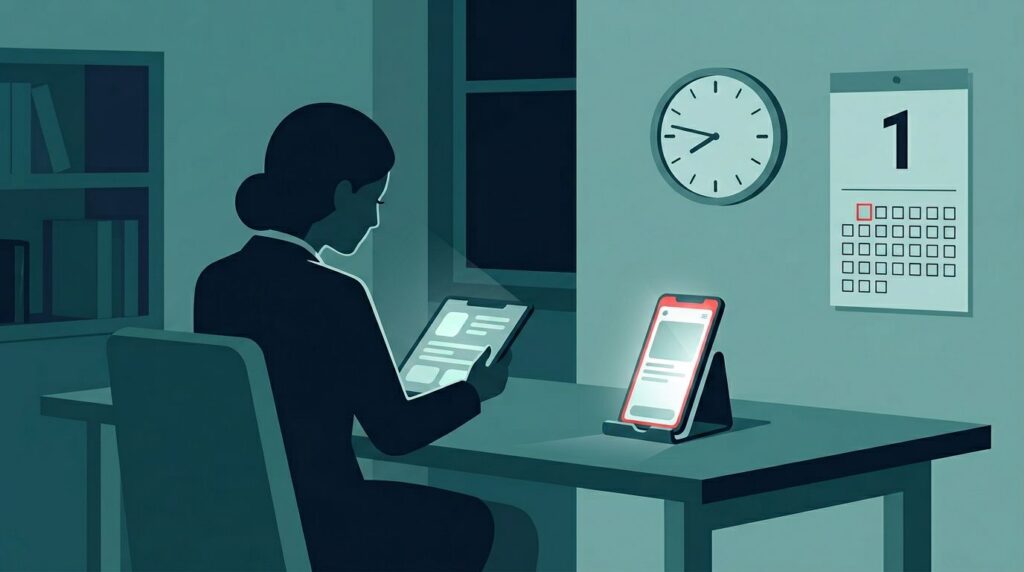
What happens when potential clients call at 8:47 PM and no one owns the line? In legal aid, that missed contact can mean a lost hearing, another unsafe night, or a person who never tries again.
Most teams do not ignore after-hours demand. They inherit it. Phones, forms, voicemail, and partner referrals keep moving even after staff leave during non-business hours. Without a plan, your team starts each morning in catch-up mode. A 30-day after-hours legal intake plan gives you a workable way to respond without burning out staff or exposing client data.
Key takeaways
- You do not need 24/7 coverage to improve 24/7 availability.
- Start with one owner, one queue, and clear triage rules.
- Build structured legal intake services your team can sustain for 90 days, not three days.
- Track response time, escalation, and handoff success from day one.
Why after-hours legal intake matters to legal aid
After-hours legal intake often gets treated like overflow. That is the first mistake. Evening and weekend contacts can carry the highest urgency because potential clients reach out when they are off work, out of court, or finally in a safe place to speak.
When coverage is weak, three things happen fast. Response times drift, denying clients an immediate response. Staff create side systems, such as personal phones, inbox rules, and handwritten notes, leading to fragmented interactions that lack empathetic communication. Then leadership loses visibility. You cannot see volume, urgency, or fairness with confidence.

A missed evening intake is not only a service delay. It is an access problem and a reporting problem.
The fix starts with ownership. Decide which channels count as official intake after hours. Name who monitors them. Set the minimum data you need, and no more. If your team already struggles with dropped handoffs and intake overload in your client intake process, this intake-to-outcome checklist can help you spot the weak points before you add coverage.
Days 1 through 10, map demand, risk, and triage rules
Start with facts, not assumptions. Pull the last two to four weeks of legal inquiries from calls, web forms, voicemail, texts, and partner referrals. Look at when contacts arrive, which programs they touch, and which matters need same-day review.
You are looking for patterns, not perfection. Maybe immigration requests spike on Sunday nights. Maybe family safety matters come in after court closes. Maybe partner referrals arrive by email and sit untouched until morning. Those patterns should drive your plan.
Next, set triage rules in plain language to support lead qualification. Define what counts as emergency escalation, what gets a next-business-day callback, and what should go straight to self-help content or a partner queue so you can screen leads effectively. Keep your after-hours data standard short. Name, safe callback method, language, issue type, and urgency are often enough at first contact.
This is also the moment to set privacy guardrails for your legal intake services. Do not collect more sensitive detail than you need. Confirm safe contact rules. Keep staff out of personal devices and side channels. If intake is coming through too many doors, the single front door intake guide can help you move toward one queue and one owner.
Days 11 through 20, choose a coverage model your team can sustain
By the second week, you should know your demand pattern well enough to pick a real model. The goal is reliable coverage, not heroics.
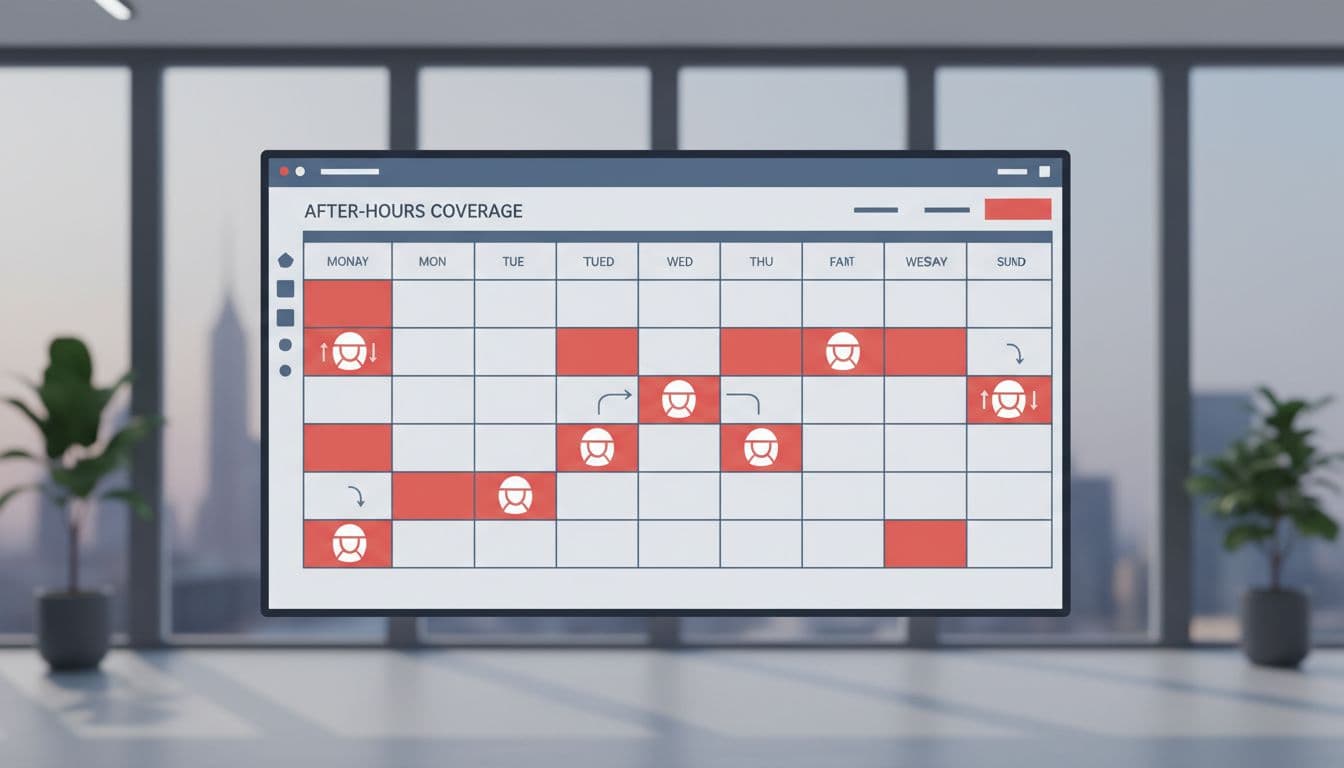
This quick comparison of coverage models, including call answering services like law firm answering service, helps frame the tradeoffs:
| Model | Good fit | Main risk |
|---|---|---|
| Rotating staff coverage | Lower volume, broad staff knowledge | Burnout |
| Law firm answering service plus callback | Basic screening only | Weak training |
| On-call advocate or attorney | High-risk matters | Cost strain |
| Hybrid model | Mixed demand, limited staff | Blurred ownership |
Most legal aid teams do best with a hybrid. For example, you might use legal intake specialists as a trained intake layer for first contact, then escalate only true urgent matters to an on-call advocate or virtual receptionist. That keeps skilled staff available without asking them to live on the phone.
Now build the script for your legal intake services. Every after-hours contact needs the same backbone: acknowledgment, safe callback method, urgency check, minimum intake fields, and the next step. Keep promises tight. If no attorney will review the matter overnight, do not imply legal advice is coming before morning.
Finally, set handoff rules for the next business day. Who owns follow-up by 9 AM? Where does the record live, with CRM integration to improve lead conversion rates for cases that fit the program’s criteria? What counts as accepted, pending, or closed? If you refer people to outside partners, use a closed-loop referral playbook so “sent” does not become your final status.
Days 21 through 30, launch small and measure what matters
Start with one program, one evening block, or one weekend window. A pilot to streamline operations gives you cleaner feedback and lowers the chance of staff confusion. You can widen coverage after the first two weeks of live use.
Train with real scenarios. Run through unsafe-home callbacks, detention-related urgency, court deadlines, Spanish-speaking contacts requiring bilingual support, and partner referrals with missing details. Mastering legal terminology helps staff handle complex escalations. Good training reduces drift. It also helps staff stay calm when volume rises.

Track a short set of numbers from day one: after-hours contacts received, first response time, urgent escalations, and contacts with no confirmed follow-up. Those four numbers will tell you whether your legal intake services are improving access or whether the plan is only moving work into the next day.
Share results weekly with operations and program leads. That rhythm matters. It gives you clearer visibility, tighter ownership, and better decisions before bad habits harden.
FAQs about after-hours legal intake
Do you need live 24/7 coverage?
No. Many legal aid teams improve access with defined evening and weekend response windows using call answering services, instead of full 24/7 availability. The key is a clear promise and a reliable follow-through on after-hours legal intake.
Should attorneys handle every after-hours contact?
Usually not. Legal intake specialists from a law firm answering service can manage first contact, basic screening, and escalation. Reserve attorney time for matters that meet your urgency rules.
What should you avoid collecting after hours?
Avoid detailed facts you do not need yet. Collect the minimum needed to route safely, protect privacy, and make a timely next step.
How does after-hours legal intake for legal aid differ from personal injury law firms?
Personal injury law firms often prioritize aggressive lead capture around the clock, while legal aid focuses on sustainable triage. Call answering services help legal aid teams capture every lead through efficient appointment scheduling by a live operator, without the high-volume pressure.
Does after-hours legal intake offer cost savings?
Yes. Legal intake services deliver cost savings by handling routine calls, freeing attorneys for billable work and enabling outbound intake for critical follow-ups.
A 30-day plan will not fix every intake problem. It will, however, stop silence from deciding who gets help and who does not.
That is the real value of after-hours legal intake. You gain clearer visibility, stronger ownership, and a calmer start to each day because your team knows what happened after the office closed.