
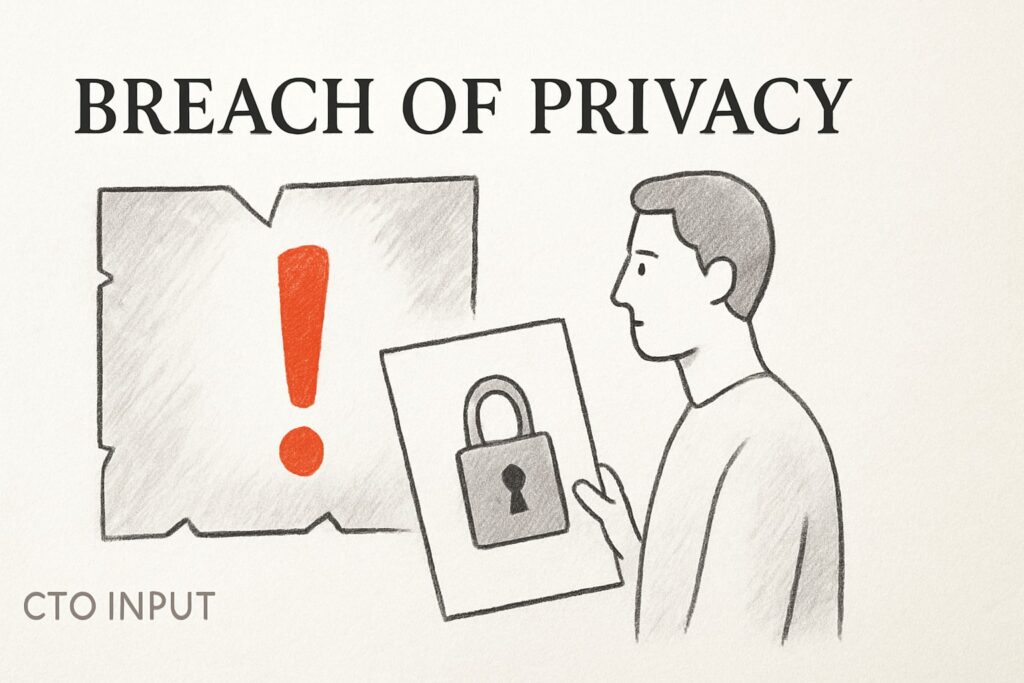
Imagine waking up to discover your most sensitive information in the wrong hands—bank accounts drained, private photos leaked, or even your identity stolen. The reality of a breach of privacy is more common than many realize, with consequences that can be both immediate and long-lasting.
This guide is designed to help you understand the true impact of a breach of privacy, recognize the latest threats, and take practical steps to protect your personal data before it is too late. You will learn about common vulnerabilities, proven protection strategies, and what to do if your privacy is ever compromised.
Take control of your digital life, safeguard your information, and ensure your peace of mind. Visit CTO Input to learn more and connect with a member of the CTO Input team. Spend a few minutes exploring the rest of the articles on the CTO Input blog.
Understanding Breach of Privacy: What It Means and Why It Matters
Understanding a breach of privacy is fundamental to protecting your personal data in today's digital environment. The concept goes beyond simple data loss, encompassing any unauthorized access, disclosure, or use of personal information. It is important to distinguish between a breach of privacy, a data leak, and a privacy violation. While a data breach typically involves a cyberattack leading to stolen information, privacy violations can also occur through misuse of data or failure to safeguard it. Both legal and ethical implications arise when privacy is compromised, potentially resulting in regulatory penalties and loss of trust.
Defining a Breach of Privacy
A breach of privacy occurs when personal or sensitive information is accessed or disclosed without authorization. Unlike accidental data leaks, which may result from technical errors, a breach of privacy often involves intentional actions or negligence. Laws and regulations are designed to protect individuals from such incidents, and organizations must navigate both ethical and legal responsibilities when handling data.
Types of Privacy Breaches
There are multiple ways a breach of privacy can occur:
- Cyberattacks such as phishing, malware, and ransomware target digital systems.
- Internal threats may arise from employee negligence or insider leaks.
- Physical breaches involve lost devices or unsecured paper records.
- Third-party and vendor vulnerabilities can expose information beyond your direct control.
Recognizing the different forms of breach of privacy helps individuals and businesses design effective safeguards.
Real-World Examples and Consequences
Major incidents like the Facebook and Equifax breaches have demonstrated how a breach of privacy can affect millions. Victims may face identity theft, financial loss, and lasting reputational harm. For businesses, the consequences can include fines, lawsuits, and erosion of customer trust. These events highlight the broad impact a breach of privacy can have on society.
Why Privacy Is More Vulnerable Today
The risk of a breach of privacy is higher than ever. The widespread use of connected devices, from smartphones to smart home technology, has expanded the attack surface. Increased sharing of personal data with apps and online services further amplifies exposure. Cybercriminals now use more sophisticated tactics, including social engineering, to exploit weaknesses in outdated security systems. Staying vigilant is crucial to reducing the likelihood of a breach of privacy.
Key Statistics and Trends
Recent data reveals a significant rise in global privacy incidents. For example, according to the Q1 2025 Data Breach Report, the number of reported breaches continues to climb, exposing billions of records each year. Human error remains a leading cause, while the average financial cost per incident keeps rising. These trends underscore the urgent need for proactive privacy protection.
Visit CTO Input to learn more and connect with a member of the CTO Input team.
Spend a few minutes exploring the rest of the articles on the CTO Input blog at https://blog.ctoinput.com.
Common Vulnerabilities: How Personal Data Gets Compromised
Personal data is exposed to a range of vulnerabilities every day. Understanding these weak points is key to preventing a breach of privacy before it happens.
Digital Vulnerabilities
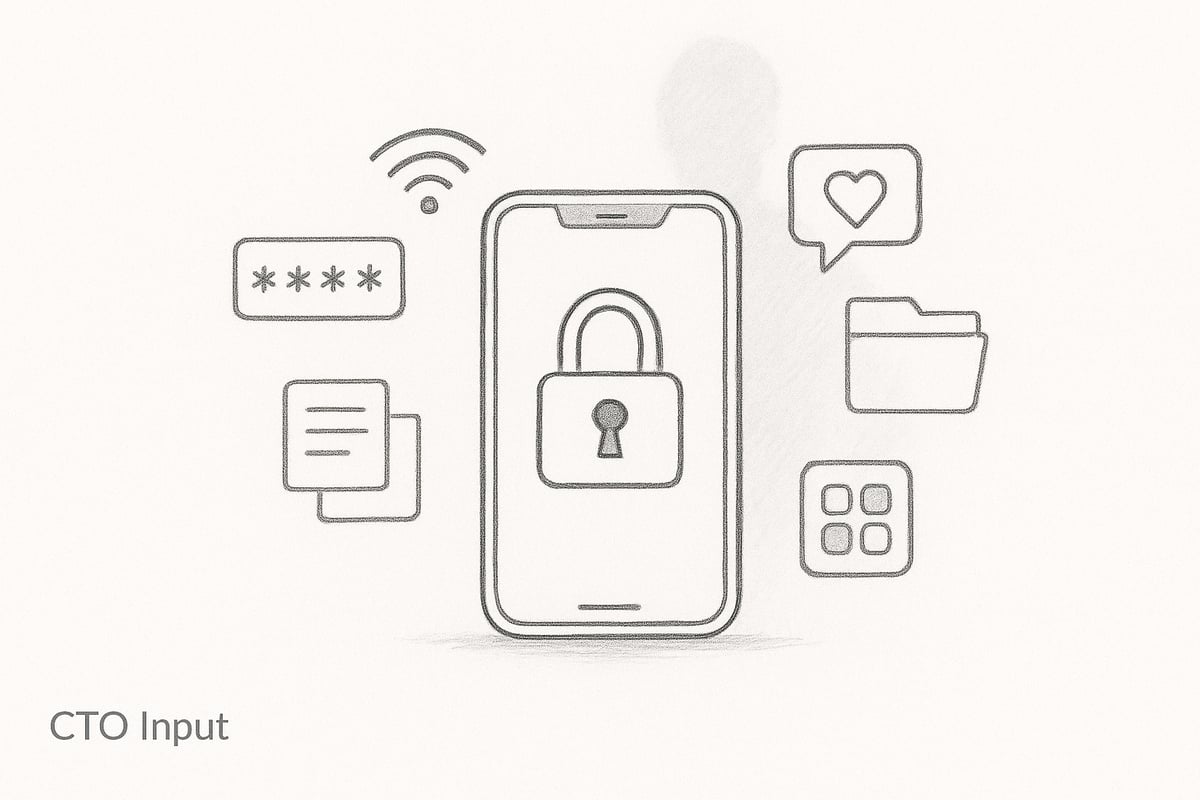
Digital threats are among the most common sources of a breach of privacy. Weak passwords and the reuse of the same password across multiple accounts open the door to hackers. Unsecured Wi-Fi networks, especially public ones, make it easy for attackers to intercept your data.
Outdated software and devices without the latest security patches are prime targets for cybercriminals. Phishing emails and social engineering tactics are designed to trick you into revealing sensitive information or clicking on malicious links.
- Use strong, unique passwords
- Avoid unsecured Wi-Fi for sensitive tasks
- Update devices and software regularly
Each of these steps helps reduce the risk of a breach of privacy.
Physical Vulnerabilities
Physical vulnerabilities can also lead to a breach of privacy. Lost or stolen laptops and smartphones often contain unencrypted personal information, making them valuable to thieves.
Storing sensitive documents in unlocked drawers or public spaces can result in unauthorized access. Even simple acts like shoulder surfing—where someone watches you enter a password—can compromise your information.
Keeping devices locked and documents secure helps prevent these risks.
Social Media and Oversharing
Oversharing on social media puts personal information at risk and increases the chance of a breach of privacy. Publicly posting your birthdate, address, or travel plans gives cybercriminals useful details.
Geotagging photos or sharing your location in real time can expose your whereabouts to strangers. Public social profiles make it easier for attackers to gather information for social engineering schemes.
Review privacy settings and limit what you share to help protect against these threats.
Third-Party and App Risks
Your personal data is often at risk when using apps and online services. Many apps request unnecessary permissions, leading to what's known as permissions creep. This practice results in more data being collected than is needed.
Using untrusted platforms or sharing data with unfamiliar vendors raises the risk of a breach of privacy. Always vet app permissions and stick with reputable providers. Regularly audit the apps and services connected to your accounts.
Human Error and Insider Threats
Mistakes by employees or insiders are a frequent cause of privacy incidents. Sensitive data may be mishandled, accidentally shared, or forwarded to the wrong recipients. Lack of security awareness and training compounds these risks.
For organizations, adopting employee data protection best practices can reduce insider threats and help prevent accidental breaches.
Visit CTO Input to learn more and connect with a member of the CTO Input team.
Spend a few minutes exploring the rest of the articles on the CTO Input blog at https://blog.ctoinput.com.
Proactive Strategies: How to Protect Your Personal Data
Protecting yourself from a breach of privacy requires proactive steps, not just reactive measures. By implementing strong habits and leveraging the right tools, you can significantly reduce your risk. Let us walk through practical strategies you can apply today.
Strengthening Digital Defenses
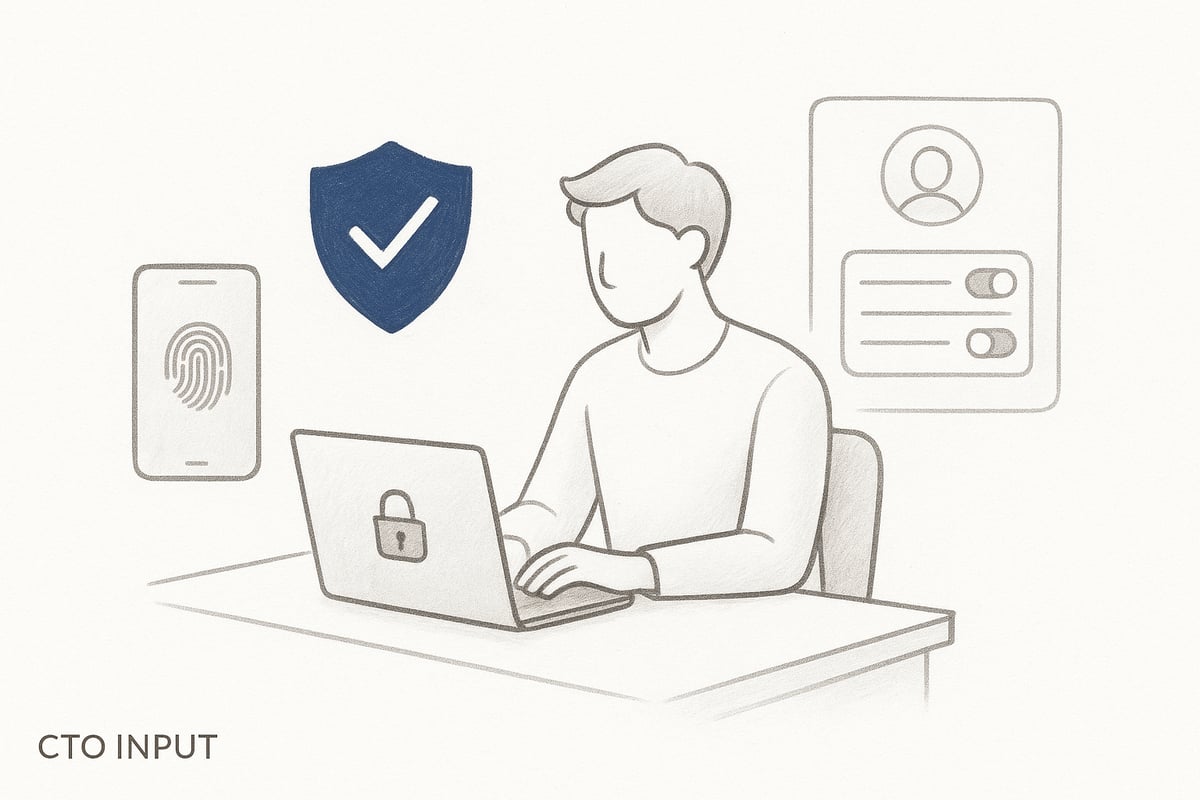
Start with the basics to prevent a breach of privacy. Use strong, unique passwords for every account and rely on a reputable password manager to keep them secure. Enable multi-factor authentication wherever possible, adding an extra layer of defense against unauthorized access.
Keep your devices and apps up to date with the latest security patches. Secure your home and public Wi-Fi networks by using robust encryption and changing default credentials. For deeper guidance on regulatory requirements and cybersecurity best practices, explore the Compliance and cybersecurity essentials resource.
Regularly back up critical data in a secure location. These foundational steps help create a digital environment that is far less vulnerable to common threats.
Managing Social Media and Online Presence
Social media is a common entry point for a breach of privacy. Review your privacy settings on every platform and limit the personal information you share publicly. Avoid posting sensitive details such as your location, travel plans, or financial status.
Be cautious with geotagging and location-based features, as these can reveal your whereabouts to potential attackers. Audit your friend and follower lists periodically, removing unknown or suspicious contacts. Think twice before sharing posts or photos that could expose you or your family members to risk.
A mindful approach to your online presence makes you a less attractive target for social engineering and data harvesting.
Safeguarding Physical Devices
Physical security is just as important as digital protection when it comes to a breach of privacy. Always enable device encryption on laptops, smartphones, and tablets. This ensures that even if a device falls into the wrong hands, your data remains protected.
Set up remote wipe and location tracking features, allowing you to erase data or locate your device if it is lost or stolen. Use strong PINs, passwords, or biometric locks to prevent unauthorized access.
Keep sensitive documents in secure, locked spaces and shred paper records when no longer needed. Physical vigilance closes gaps that cyber defenses cannot address alone.
Evaluating and Managing Third-Party Risks
Many breaches occur when third-party apps or services mishandle your data. Before downloading any app or registering for a new service, review their privacy policies and data sharing practices. Limit permissions to only what is necessary for the app's core function.
Stick to reputable app stores and established service providers. Regularly audit your connected apps and revoke access for those you no longer use.
Be aware of "permissions creep" where apps request more access over time than initially needed. Proactively managing third-party risks is essential for reducing your overall exposure to a breach of privacy.
Building a Culture of Security Awareness
Human error remains a leading cause of breach of privacy incidents. Foster a culture of security awareness in your home and workplace. Educate yourself and others about phishing, scams, and evolving cyber threats.
Encourage regular security audits and assessments. Share best practices for password management, device security, and safe browsing.
Promote open communication about suspicious emails or unusual activity. By making security a shared responsibility, you strengthen your collective defense against privacy threats.
Visit CTO Input to learn more and connect with a member of the CTO Input team. Spend a few minutes exploring more privacy, security, and technology articles on the CTO Input blog.
What To Do If Your Privacy Is Breached: Step-by-Step Response
The moment you suspect a breach of privacy, every second counts. Your response can make the difference between a contained incident and long-term damage. Here is a clear, step-by-step guide to help you take control and minimize harm.
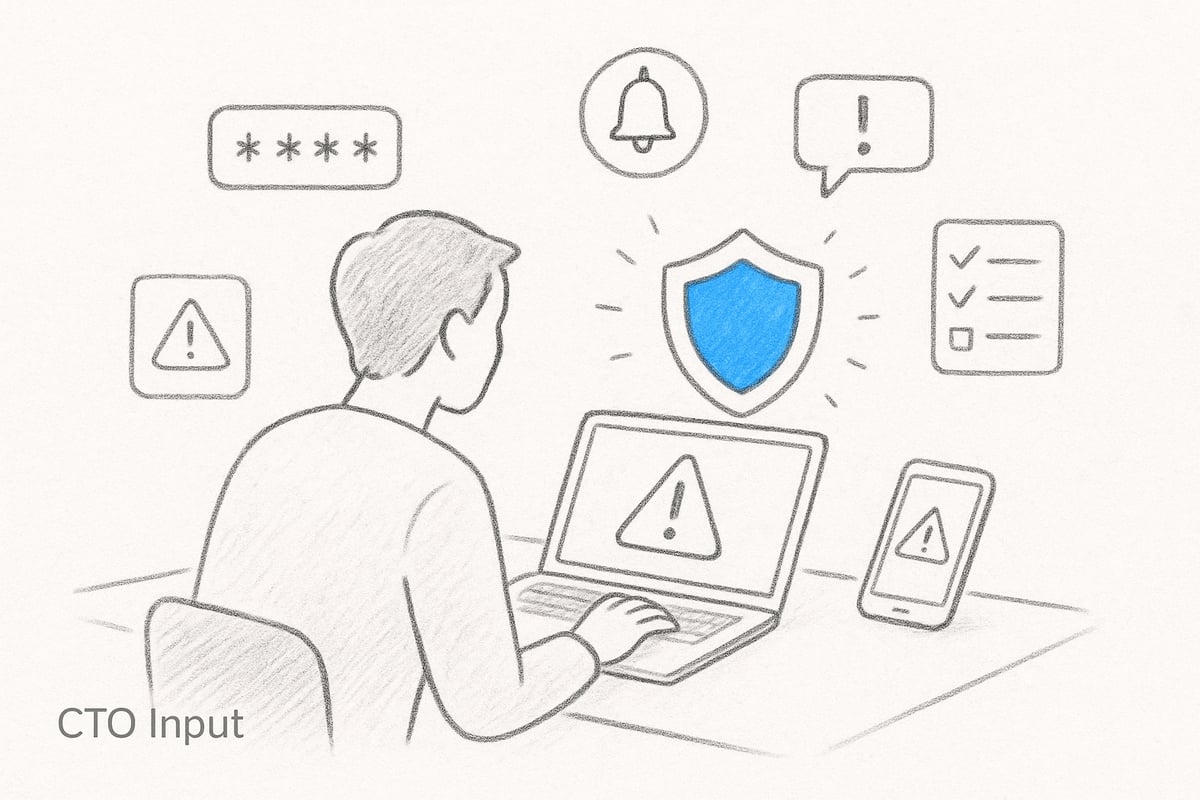
Step 1: Identify and Contain the Breach
Start by recognizing warning signs of a breach of privacy. Are there unfamiliar logins, password change alerts, or financial transactions you do not recognize?
Act fast to limit exposure:
- Disconnect affected devices from the internet
- Log out of active sessions
- Change credentials on unaffected devices
Quick containment prevents further loss of sensitive data and protects your digital footprint.
Step 2: Secure Your Accounts and Devices
Immediately secure all accounts linked to the breach of privacy. Reset passwords using a strong, unique combination for each account. Enable multi-factor authentication wherever possible.
Scan all devices for malware or unauthorized software. If your financial details are involved, notify your bank and set up alerts for suspicious activity. Prompt action can limit the financial impact of a breach, as detailed in resources such as the Cost of a Data Breach Report 2025.
Step 3: Notify Relevant Authorities and Affected Parties
Report the incident to law enforcement, your employer, or regulatory bodies as appropriate. Timely notification is crucial for compliance and can assist in investigations.
Let friends, family, or colleagues who may be affected know about the breach. Clear communication helps others take precautions and prevents further spread of the issue.
Step 4: Monitor and Mitigate Ongoing Risks
After a breach of privacy, vigilance is essential. Set up credit monitoring and fraud alerts with major credit bureaus. Regularly review your account activity for any unfamiliar transactions.
If necessary, freeze your credit to block new accounts from being opened in your name. Active monitoring ensures that any secondary risks are caught early.
Step 5: Learn and Prevent Future Breaches
Conduct a thorough review of how the breach occurred. Update your security practices to address any vulnerabilities exposed by the incident.
Invest in ongoing education and awareness for yourself and your team. Use the lessons learned to strengthen your defenses and reduce the chance of another breach of privacy.
Protecting your personal data is an ongoing process. For more expert guidance, visit CTO Input to connect with a member of the CTO Input team. Spend a few minutes exploring additional articles and resources on the CTO Input blog.
The Future of Privacy Protection: Trends, Technologies, and Regulations
The landscape surrounding breach of privacy is rapidly changing. As digital threats evolve, so do the tools, laws, and mindsets needed to protect sensitive information. Staying ahead means understanding where privacy protection is headed and how new technologies and regulations will influence your security strategy.
Emerging Technologies for Privacy
Innovative technologies are reshaping the future of breach of privacy prevention. Artificial intelligence now detects threats in real time, identifying suspicious activity before it escalates. End-to-end encryption advancements ensure that only intended recipients can access sensitive messages or files.
Decentralized identity solutions, like blockchain and self-sovereign identity (SSI), are gaining ground, allowing users to control their digital credentials without relying on centralized databases. New research, such as Protego: Privacy Protection Against Face Recognition, highlights how technology is also combating unauthorized facial recognition, a growing privacy concern. For a forward-looking approach to these issues, see the Cybersecurity strategy for 2026.
Evolving Regulations and Compliance
Laws protecting against breach of privacy are becoming stricter around the globe. Regulations like GDPR and CCPA set clear standards for how companies collect, store, and use personal data. These frameworks give individuals more power over their information, including the right to access, correct, or delete their records.
Compliance is no longer optional. Organizations face significant fines and legal consequences for failing to protect consumer data or for mishandling breach of privacy incidents. Staying informed about evolving regulations is essential for both businesses and individuals.
The Role of Businesses and Organizations
Companies play a pivotal role in preventing breach of privacy. They must adopt transparent data handling practices, notify users promptly about incidents, and continuously improve their security measures.
Key responsibilities include:
- Regular employee security training
- Ongoing risk assessments and audits
- Clear communication with stakeholders about privacy practices
Building trust starts with a company’s commitment to privacy and proactive breach of privacy prevention.
Consumer Empowerment and Digital Literacy
Individuals are gaining more tools to manage their own privacy. Apps and browsers designed with privacy in mind let users monitor data exposure and block trackers.
Digital literacy is critical. Understanding phishing, password hygiene, and how to review app permissions can lower the risk of a breach of privacy. Empowered consumers make informed choices, reducing their vulnerability in an increasingly connected world.
Predictions and Challenges Ahead
The future will bring new privacy challenges. Threats will become more sophisticated as technology advances. Balancing convenience and security will remain a central issue, as people seek seamless digital experiences without sacrificing privacy.
Staying vigilant and adaptable is the best defense against the next wave of breach of privacy risks.
Visit CTO Input to learn more and connect with a member of the CTO Input team. Spend a few minutes exploring the rest of the articles on the CTO Input blog.
Visit CTO Input for Expert Technology and Privacy Guidance
When facing the challenges of a breach of privacy, having the right technology partner can make all the difference. CTO Input specializes in helping organizations turn technology risks into competitive advantages, with expert guidance tailored to your business needs.
Their team provides strategic technology alignment, cybersecurity leadership, and actionable roadmaps to strengthen your data protection. Whether you need ongoing executive support or targeted solutions for securing remote work environments, CTO Input offers access to seasoned fractional CTOs, CIOs, and CISOs who understand the evolving landscape of privacy and security. Learn more about these solutions in their article on securing remote work environments.
Take the next step in protecting your organization from breach of privacy incidents. Visit CTO Input to connect with an expert, and spend a few minutes exploring the latest insights on the CTO Input blog.
You've now seen how quickly privacy threats can evolve and how vital it is to stay ahead of risks, whether you're managing personal or organizational data. If you’re ready to turn technology from a source of anxiety into a true advantage, let’s take the next step together. I invite you to Schedule A Strategy Call so we can discuss your specific challenges and build a clear, actionable plan for stronger data protection. Your privacy matters—and with the right guidance, you can move forward with confidence and peace of mind.