

You can have a full calendar, a clean ticket queue, and a team that never seems to stop moving, and still feel stuck. That’s the part leaders hate, because it looks like progress until you check the business results.
The problem usually isn’t laziness or weak talent. It’s a leadership and structure problem, where effort is real but the target is fuzzy, the owners are unclear, and the reporting tells you what happened without telling you what changed. If you’re not sure where the real problem starts, a clarity check can help you sort out the next sensible step.
Key takeaways for leaders
- Busy is not the same as useful. A team can close tasks all day and still miss the business outcome.
- Unclear goals create fuzzy work. If nobody can name the result, the work drifts.
- Ownership changes everything. When the business does not own the outcome, priorities slide.
- Too many tools create more motion, not less. Duplicate systems and vendor pressure add work fast.
- Better reporting should drive decisions. If the dashboard does not change what leaders do, it is decoration.
If the work is loud but the business is flat, the scorecard is broken somewhere.
When busy work replaces real progress
Motion and momentum are not the same thing. One looks active. The other changes the business.
You see the difference when your team spends its time in meetings, answering requests, patching systems, and chasing the next fire. The week looks full. The output looks respectable. But revenue does not move, customer experience stays clunky, and risk is still sitting in the same place.

The trap is simple. Activity is easy to count. Business impact takes more honesty. You can measure tickets closed, hours spent, meetings held, and releases shipped. None of that tells you whether the company is faster, clearer, safer, or more profitable.
How activity gets mistaken for value
Leaders do this all the time. A long task list feels like control. A packed calendar feels like traction. A quick fix feels like progress because the pain stopped for a moment.
That works until it doesn’t. The team starts optimizing for what is visible, not what matters. They answer the request in front of them instead of the problem behind it. That is how you end up with duplicate tools, half-finished projects, and reports that generate data but not decisions.
What progress should look like instead
Real progress is easier to feel than to fake. You see fewer handoffs. You make decisions faster. Manual work drops. Rework falls off. Customers hit fewer dead ends. Leaders can look at reporting and know what needs attention now.
If the team is busy, ask a simple question, what changed in the business because of that work? If the answer is vague, the activity may be real, but the progress is not.
Why technology teams get stuck in motion without direction
Most technology teams do not lack effort. They lack clear direction, real decision rights, and a shared view of what matters most.
That is where the technology leadership gap shows up. Not in a dramatic collapse, but in a steady drift. The team keeps moving. The company keeps spending. Yet nobody can say, in plain language, what the technology work is supposed to change.

The work is not tied to business goals
When the business goal is fuzzy, the work gets fuzzy too. Teams build, fix, report, and integrate without a clean line to revenue, service quality, margin, or risk.
That creates safe activity. Nobody gets blamed for doing work. But the team may be doing the wrong work, or doing the right work in the wrong order. If the goal is growth, the roadmap should show growth. If the goal is control, the work should reduce confusion and exposure.
No one owns the outcome
A project can have a technology owner and still have no real owner. That happens when the business never claims the result.
Technology can deliver the task, but the business has to own the outcome. Otherwise priorities drift, approvals slow down, and every decision becomes a debate about who was supposed to decide. That is a classic sign that you need more than technical effort, you need executive technology leadership.
Vendors and tools start steering the roadmap
When internal leadership is weak, outside providers fill the gap. Vendors start shaping priorities. Tool sprawl grows. Duplicate systems stick around because nobody wants to make the hard call.
That does not reduce work. It multiplies it. Your team spends more time managing the stack than using it to move the business.
The hidden costs your team may not see right away
Busy technology teams create costs that show up slowly. By the time you notice them, they are already expensive.
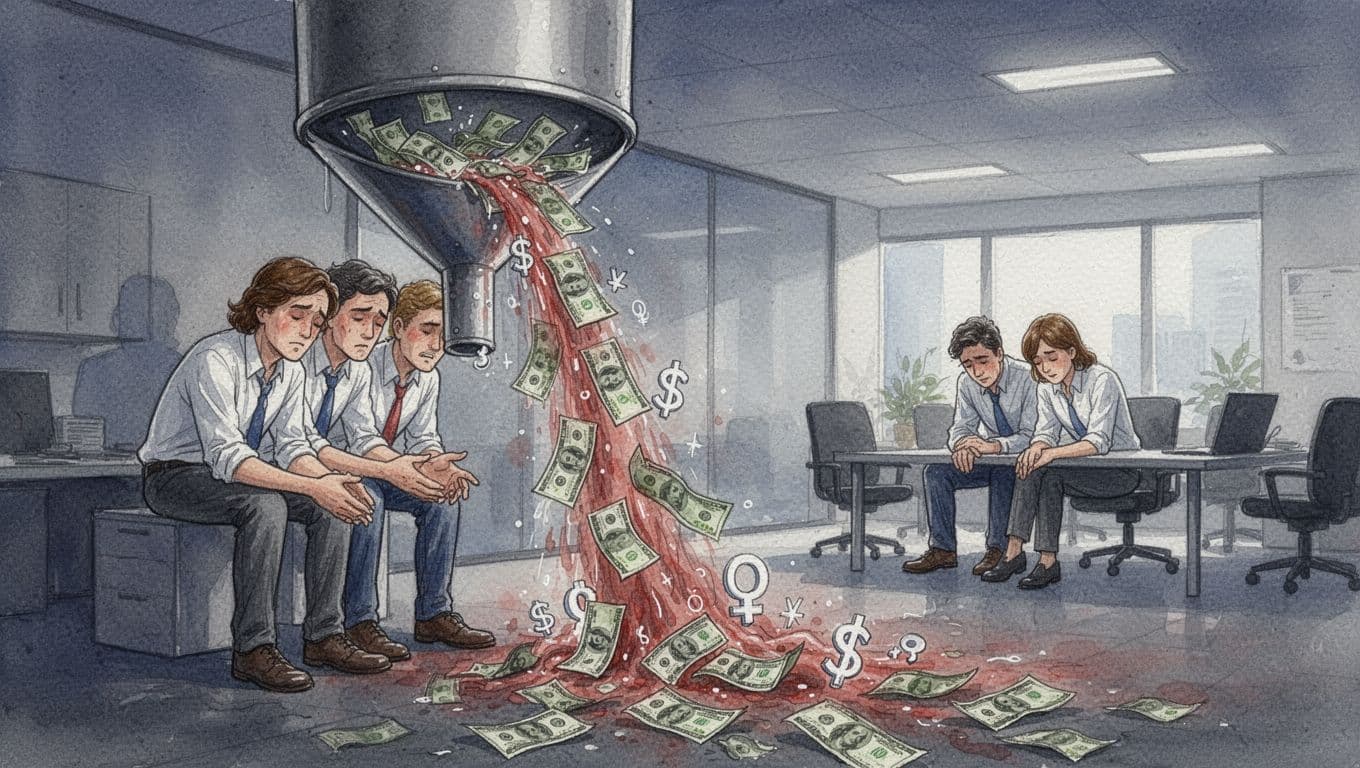
The obvious cost is spend. The quieter costs are slower launches, weaker trust, and tired people who have stopped expecting the system to get better. If your tech budget keeps rising but confidence does not, you are not alone. That is exactly why many leaders have to face tech spending ROI before they can make sense of the mess.
Why money keeps going out without more confidence coming back
Spend leaks out through low-use licenses, duplicate platforms, stalled implementations, and integrations that were approved before anyone asked the harder questions.
A tool gets added because one team needed help. Another gets added because the first one did not fully solve the problem. Then a third arrives to patch the gap. Pretty soon you are paying for overlap, and no one can explain why the stack is so big.
How busy systems create tired teams
Constant fire drills wear people down. So do manual workarounds and priorities that change every week.
Your best people stop using their judgment and start using survival habits. They fix the same issue over and over. They stop bringing sharper ideas because the system rewards cleanup, not progress. That is where morale starts to slip, and turnover risk follows.
What leaders can do to turn effort into results
This is not a blame exercise. It is a leadership reset.
If the team is busy but the business is not moving, start by making fewer things matter more. Then make those things visible. That is how you get out of the fog and back into control. A practical business-aligned technology strategy is not about adding more process. It is about linking technology to the business in a way people can actually run.

Ask three simple questions about every project
For every major project, ask three things. What business goal does this support? Who owns the result? What breaks if you do not do it?
Those questions cut through noise fast. If nobody can answer them clearly, the project is probably being carried by momentum instead of strategy.
Reduce the number of things your team is trying to do at once
Less chaos often creates more progress. That sounds backwards until you live it.
Cut the work that no longer matters. Reduce overlap. Stop starting new things before old ones are stable. Protect the systems that matter most to customers, operations, and leadership. When you do that, the team gets room to finish, not just start.
Use clearer reporting to guide decisions
Good reporting does not dump more data on leaders. It answers the questions that matter. What is on track? What is at risk? What is costing too much? What needs attention now?
If your reporting cannot support decisions, it is just noise with charts on it. Better reporting gives you a cleaner operating picture and a faster path to action.
Questions leaders ask when the team is busy but the business is not moving
How do you know if the problem is effort or leadership?
If the team is working hard but the outcomes stay vague, the problem is usually direction, ownership, or reporting. Effort is probably not the issue. Clarity is.
Look for the same pattern in different places. Are priorities shifting without explanation? Are projects stuck because nobody can decide? Are leaders getting updates but not answers? Those are leadership signals, not staffing signals.
When should you get outside help?
Bring in outside help when spend is climbing, priorities keep sliding, vendors are shaping decisions, or the board wants better visibility than your current reports can give. You should also act when no one is clearly owning technology leadership and the business feels that gap every week.
If that’s where you are, Talk Through Your Technology Leadership Gap is a practical place to start. If the next move is still unclear, when to hire a fractional CTO can help you think through the decision.
Conclusion
Busy technology teams are often a symptom, not proof of progress. The real issue is usually unclear leadership, fuzzy priorities, weak ownership, and reporting that shows activity without showing impact.
When you tighten the link between technology and business results, everything changes. The work gets cleaner. Decisions get faster. The team stops spinning its wheels.
If you want a better read on what technology should change for your business, get clear on that first. If needed, Get an Executive Technology Clarity Check and start with the question that matters most, what is all this work supposed to move?