
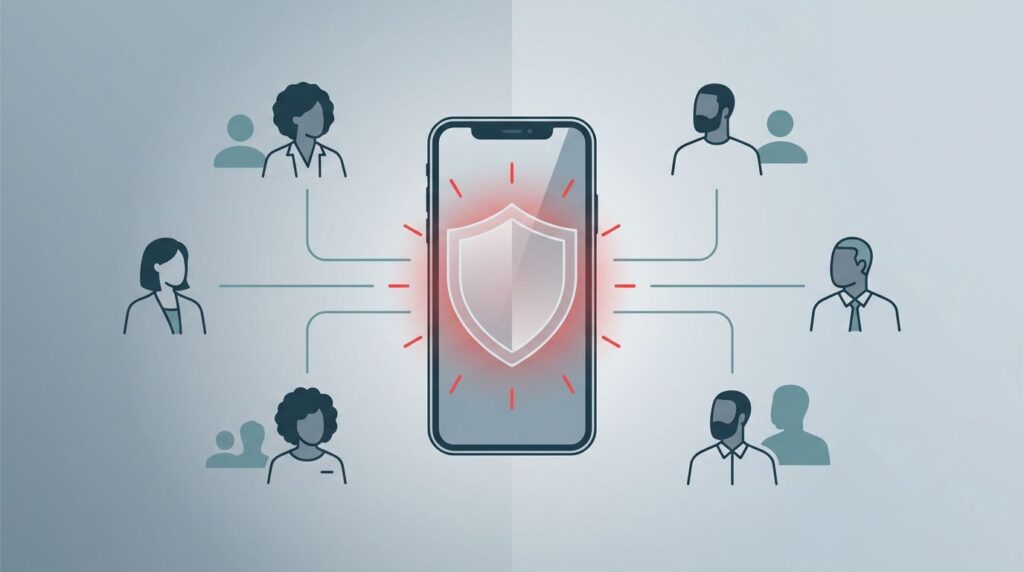
A personal phone feels harmless until it becomes a pocket archive of client risk. If your staff text clients from their own devices, speed goes up, but so do risks to client confidentiality, recordkeeping gaps, and leadership blind spots.
That tension is common in justice nonprofits. You want fast, humane communication. At the same time, maintaining a professional attorney-client relationship requires moving beyond informal texting habits, so you can’t afford dropped consent, missing text history, or sensitive details sitting in an unlocked phone. A clear client texting policy is how you keep service moving without losing control.
Key takeaways
- Personal phones create risk because client texts are hard to track, secure, and shut off.
- Your policy should define informed consent, approved use, content limits, record retention, and offboarding.
- As of April 2026, texting programs still need text message compliance with consent, clear opt-out language, and time-of-day limits under TCPA rules.
- If you must allow personal phones, treat them as a temporary exception, not your default model.
Why personal phones create more risk than convenience
Texting works. Clients answer faster. Staff can reach people who ignore email. In high-stress legal situations, that matters.
Still, a personal phone is not a neutral tool. It mixes work, family, cloud backups, app permissions, and casual habits in one place. That’s fine for lunch plans. It’s not fine for client intake, court reminders, or safety-sensitive contact rules.
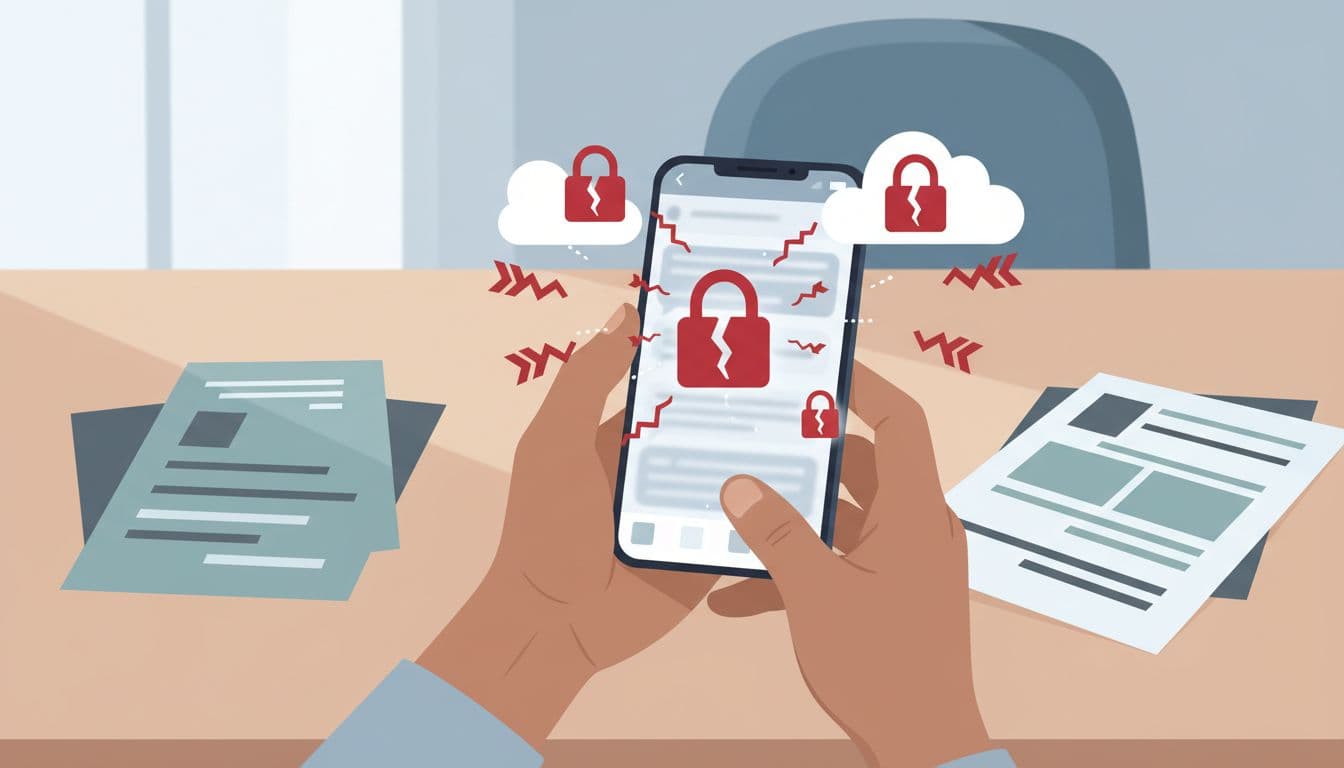
The problem isn’t only privacy. It’s also visibility. If staff text from personal devices, you may not know who contacted whom, what was promised, whether a client opted out, or whether a departing employee still holds live client threads. That’s how trust risk grows quietly. Many of the same patterns show up in broader technology challenges facing legal nonprofits, where work moves faster than governance.
As of April 2026, the FCC’s operational rules are not loose. The FCC requires prior express written consent for recurring or program-based texts, easy opt-out language, and time-of-day restrictions. Current TCPA practice also points toward honoring stop requests within 10 business days, and sending only during allowed hours, usually 8 a.m. to 9 p.m. local time. Laws like the California Consumer Privacy Act further guard against unsolicited text messages. One bad process can become an expensive one, with statutory damages and financial penalties often reaching $500 to $1,500 per improper text.
If a text thread can’t be captured, reviewed, or turned off when someone leaves, it isn’t a safe client channel.
You can see how public-facing SMS terms are handled by groups like Legal Aid Chicago and Legal Services NYC. Their examples show the same core idea: consent is not implied forever, and clients need a clear way to stop messages.
What your client texting policy must say
A workable client texting policy should answer one simple question: when is texting allowed, and under what controls?
Start with scope. Decide whether texting is allowed for appointment reminders only, intake follow-up, referral coordination, or limited case logistics. Then draw hard lines around what staff must never text, such as detailed legal advice, protected health information that could breach client confidentiality, immigration status details, or anything that could put a client at risk if seen by the wrong person.
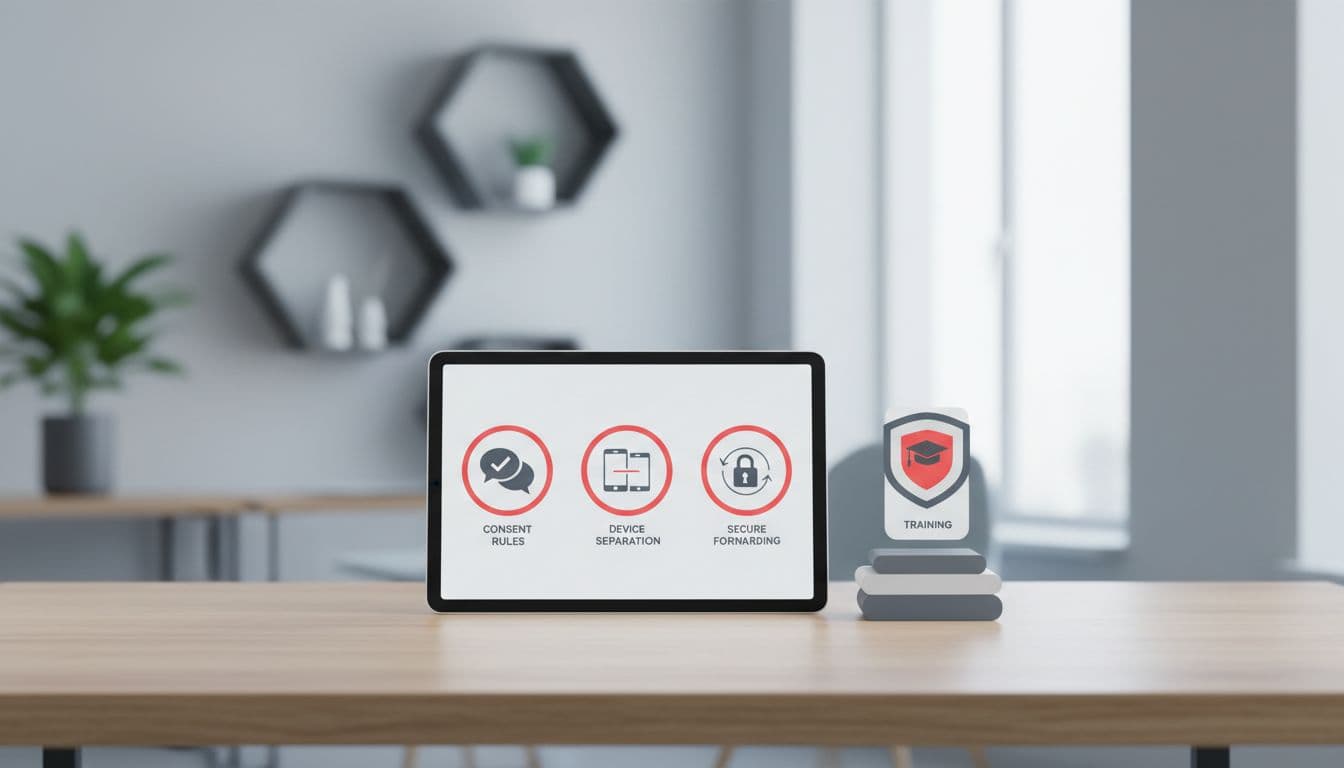
This is the minimum policy backbone:
| Policy area | What you should decide |
|---|---|
| Consent | How clients provide prior express written consent and informed consent through opt-in and written permission, how you store proof, and when consent expires |
| Safe content | What staff may text, and what must move to phone or secure portal |
| Approved devices | Whether personal phones are allowed, and under what controls |
| Logging | How text records enter the agency management system for record retention |
| Opt-out | Exact process for STOP keyword or any other clear do-not-text request via opt-out mechanism |
| Exit process | How you remove access and preserve records when staff leave |
The takeaway is simple. Your policy must turn texting from habit into process.
If intake arrives from too many channels, texting policy will fail unless you also fix the flow around it. A guide on streamlining client requests while protecting data can help you decide where text belongs and where it doesn’t.
You should also require basic device controls for data security and to uphold legal ethics. At a minimum, use screen locks, updated operating systems, encrypted backups, and a way to remove work data if the phone is lost. If you handle health-related client information, the bar rises quickly. In those cases, plain SMS often isn’t the right channel at all. Public examples such as Legal Aid DC’s SMS privacy policy make that distinction clear.
How to put the policy into practice without slowing service
A policy that lives in a folder won’t help you. Staff need a small set of rules they can remember under pressure.
Begin with one owner. Usually that’s operations, legal leadership, or a shared program and risk lead. Then standardize the client language for consent, opt-out, and safe-contact preferences, distinguishing transactional messages like appointment reminders from marketing messages or automated marketing messages. For SMS marketing, use double opt-in as a best practice. If a client says, “Don’t text me after 5,” or “Don’t mention my case,” that should be easy to record and honor.
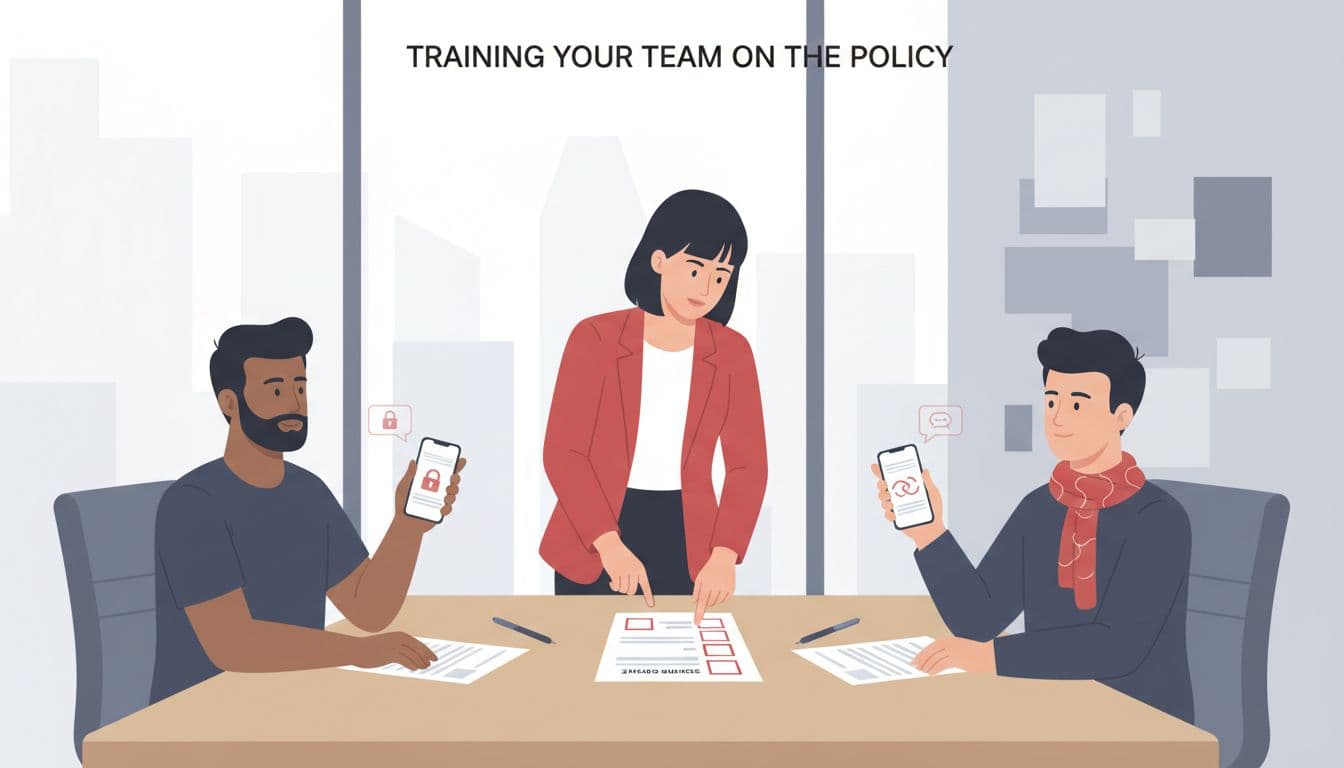
Next, train to real situations, not theory. Show staff what to do when a client texts sensitive facts, when someone uses a family member’s phone, or when a referral partner asks for details by text. Those are the moments that break policy. If your handoffs cross partners, your texting rules should line up with tracking referrals with client safety rules, so “sent” doesn’t become the end of your visibility.
Most importantly, plan your exit from personal phones. Maybe you can’t change overnight. Fine. But personal-device texting should move toward an approved app or managed channel with shared records and stronger controls. Adhering to CTIA guidelines, including time-of-day restrictions, helps avoid professional negligence and ensures better data security. A broader view of justice-focused systems planning and privacy controls helps you sequence that change without disrupting service.
FAQs
Can you ban personal phones entirely?
Yes, and many organizations should. If your client data is highly sensitive, a full ban may be simpler and safer than a partial exception, particularly to align with your privacy policy.
If a client texts first, can staff reply from a personal phone?
Only if your policy allows it and the reply stays within approved limits. Client initiation does not erase consent, record keeping, logging, or privacy duties.
Do you need opt-out language in every text?
For recurring program texts and marketing messages, that is the safest practice. For one-time administrative texts, it reduces confusion when staff or vendors change.
What’s the biggest policy mistake?
Letting texting stay informal. Once texting becomes normal service delivery, undocumented exceptions become your real system.
A strong client texting policy does not slow care. It protects it. When you define consent, limits, ownership, and records clearly with text message compliance, you prevent the risk of unsolicited text messages being sent accidentally and give your team a calmer way to communicate with clients under pressure.