
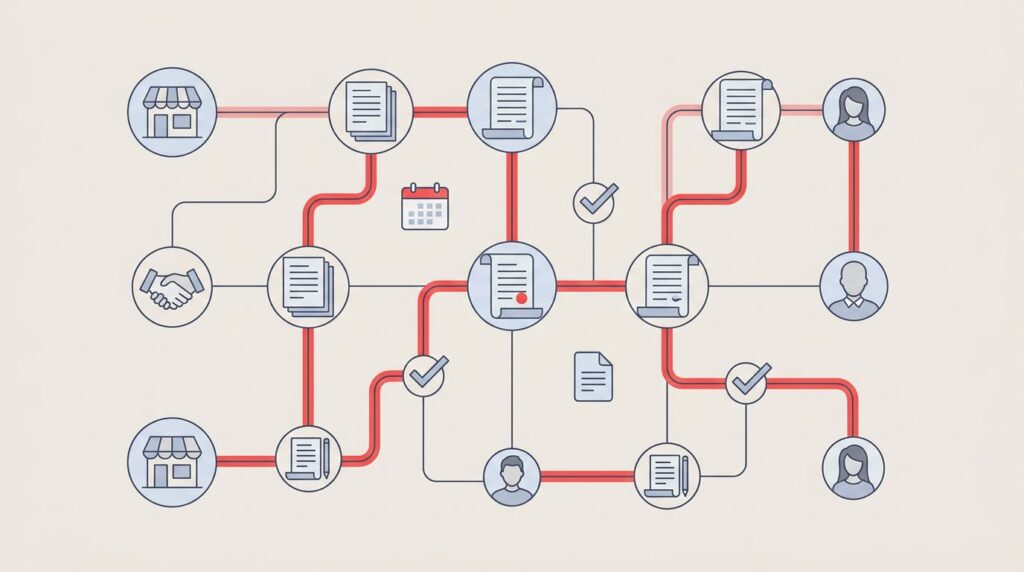
A contract doesn’t have to be bad to hurt you. It just has to renew quietly while nobody notices the notice window closed.
That is why a contract owner map matters. It gives you one clear view of the source contract owner for each vendor agreement or purchase agreement, when action is due, and what is at risk if nobody moves. If you lead a growing nonprofit, legal organization, or operating team with too many vendors and too little visibility, this simple map can stop wasted spend before it turns into a board-level problem.
The point isn’t more admin. The point is fewer surprises, stronger ownership, and better decisions. It gives you calm before the deadline, not panic after the invoice.
Key takeaways
- Auto-renewal surprises usually come from poor buyer mapping, not weak calendars.
- Contract mapping ties each agreement to one accountable person and one review path.
- You can start with a shared sheet, as long as the rules are clear.
- The map works best when finance, operations, legal, and IT share the same view aligned with the procurement business unit strategy.
Why good teams still miss renewal deadlines
Most renewal misses don’t happen because your staff is careless. They happen because ownership is split. Finance sees the invoice. Operations uses the tool. IT manages access. Legal filed the contract. Nobody owns the notice window.
Auto-renewal clauses are often buried in the general conditions. Contract interpretation gets tricky due to document order of precedence, which complicates knowing which terms apply. They’re like a fuse behind the wall. By the time you notice, the year already renewed. You pay for another term, keep unused licenses, or stay locked into terms you would have challenged.
If nobody owns the notice window, the vendor does.
This gets harder in mission-driven organizations. Staff turn over. Grants shift. Tools pile up. Meanwhile, contract files live in inboxes and old accounts stay active longer than they should. In legal and nonprofit settings, those gaps often sit beside vendor access risks after contract changes and other trust problems.
A contract owner map fixes the visibility problem first. It acts as internal controls against organizational turnover. It does not replace legal review or procurement discipline. It makes sure the right person knows what is coming, early enough to act.
What a contract owner map actually shows
Think of the map as a control panel, not a filing cabinet. Each row is one vendor agreement, such as a blanket purchase agreement. Each column answers a leadership question: Who owns it? When can you exit? What does it cost? What happens if it renews? Including details like source contract number and source system makes it even more actionable.
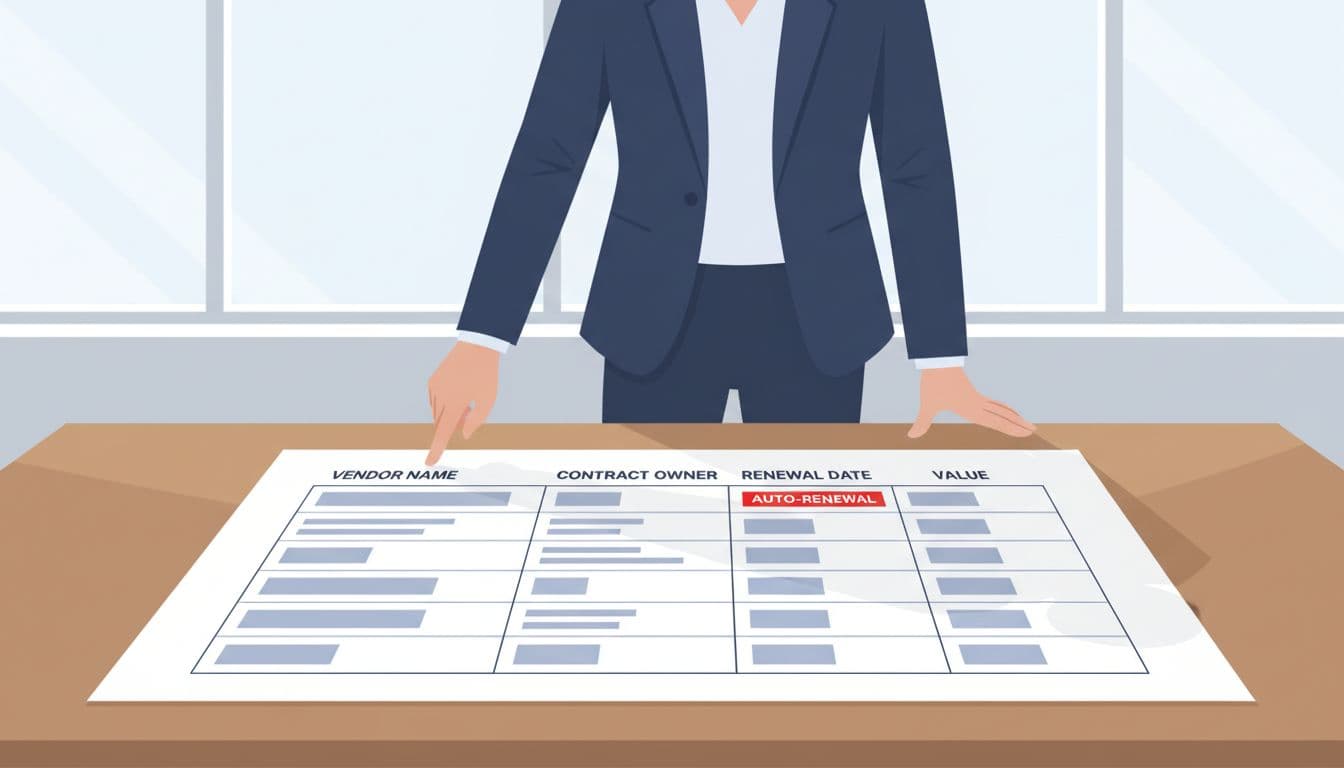
At minimum, track these fields.
| Field | Why it matters |
|---|---|
| Vendor, service, source contract number, and source system | Tells you what the contract supports and links it to the original document in its source system |
| Business owner | Creates one point of accountability |
| Renewal date and notice window | Shows when action must happen |
| Spend, usage note, and external purchase prices | Helps you spot waste before renewal by comparing contract rates to external purchase prices, with external purchase price mappings to match accounting records |
| Security or data risk | Flags contracts that need extra review |
You can add more later, such as termination terms or approval path. Don’t start there. First, make the map useful enough that leaders will trust it and simple enough that someone will keep it current.
If you want a practical view of notice periods and clause handling, this renewal notice deadline workflow is worth reading. For growing mission-driven teams, this nonprofit contract management guide also shows why contract sprawl becomes an operating issue, not just a legal one.
The key is one owner per contract. Others can still weigh in. Yet one person must be accountable for the next move.
How you build your contract owner map without new chaos
Start small. Pull your top 20 vendor agreements by spend, sensitivity, or renewal risk. If you try to map every contract on day one, you’ll recreate the same fog you’re trying to clear. Most teams begin with Microsoft Excel as a simple starting point.
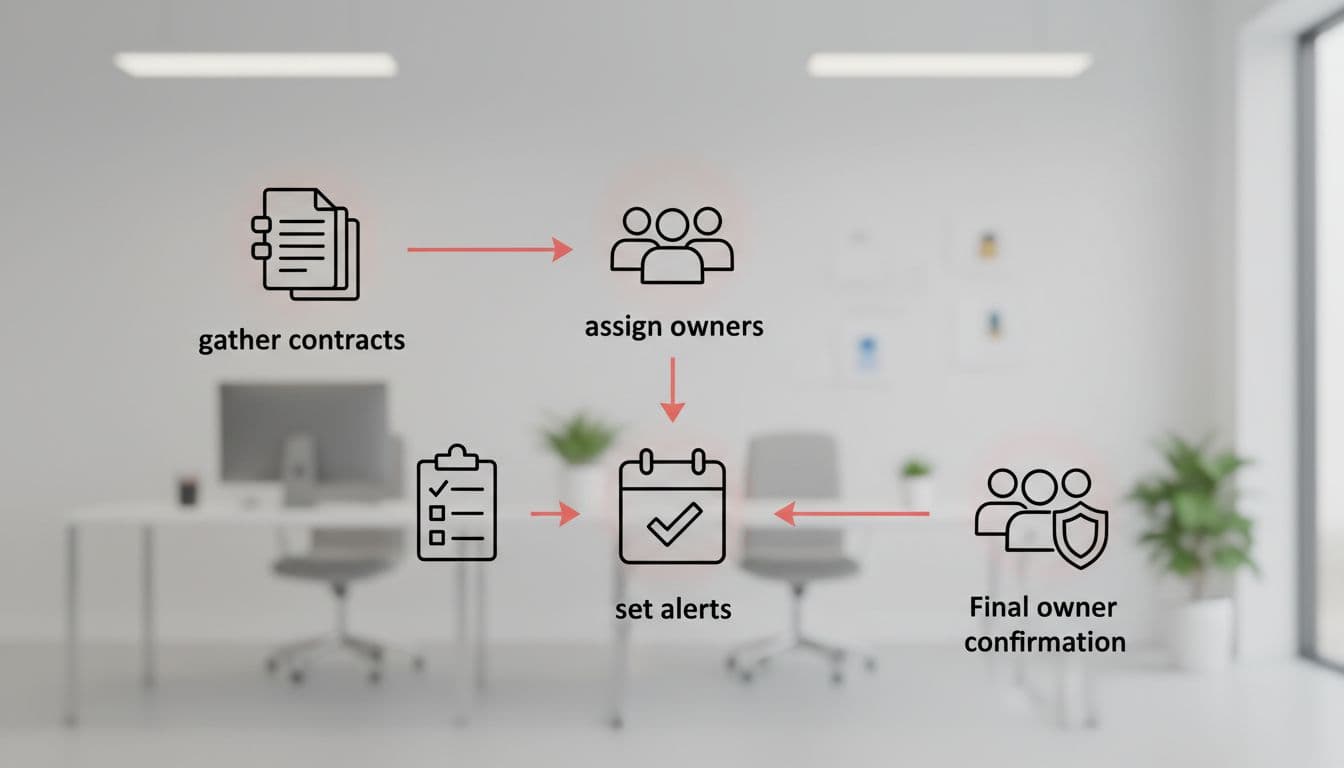
Then assign an owner based on business accountability, not who stores the PDF. The owner should know whether the vendor still serves the business, whether usage changed, and whether renewal still makes sense. Incorporate buyer mapping to clarify these accountabilities.
Next, set one review rhythm using flow charting for clear visualization. Many teams use 120, 90, and 30-day checkpoints before the notice date. That gives you time to confirm usage, check access and data issues, and decide whether to renew, renegotiate, or exit.
Keep the map in a place your operating leaders already trust. A shared sheet can work. So can a light contract tool. For more advanced data management, Oracle Fusion Cloud Procurement paired with the Visual Builder add-in lets you sync data while reducing data entry efforts via file-based data import or an FBDI template. A REST API or scheduled process can handle automated updates to keep everything current. What matters is that finance, operations, legal, and IT see the same truth. If you need a broader frame for vendor timing and decision discipline, this guide on contract oversight in tech planning can help.
Over time, the gains compound. You stop paying for stale tools. You reduce last-minute fire drills. Vendor calls also get calmer because your facts are ready before the rep calls. Better visibility into buyer mapping and external purchase prices drives even greater savings. The payoff is real, and these real vendor management successes show how it can cut waste.
FAQs
Who should own the contract owner map?
Usually, operations or finance maintains the master list as the custodian. Distinguish the default buyer or procurement buyers from the business owner for each contract. The custodian keeps the map current, while the business owner makes the renewal decision. The project management team might also use the map for operational alignment.
Do you need contract management software?
No. The contract owner map is the foundation of effective contract management. Many teams start with a shared spreadsheet. It also aids the change order process by flagging upcoming expiration dates. Move to software only after you have clean ownership rules, reliable source documents, and a steady review rhythm.
How often should you review the map?
Review it monthly, and look 90 to 120 days ahead. High-risk vendors, especially those tied to client data or major spend, may need tighter review.
Bring renewal risk into the open
A quiet auto-renewal is rarely just a contract problem. It is an ownership problem. When you build a contract owner map, you give your team earlier warnings, clearer decisions, and fewer expensive surprises. Start with the contracts that matter most, assign real owners like the source contract owner to reinforce accountability, and let visibility do its job. Even a construction professional or an operations lead benefits from this clarity, making the contract owner map your final takeaway for reducing risk.