

You lead a legal aid or justice organization. Intake forms pile up with details you rarely use. Staff ask the same questions twice. Client data spreads across tools. Privacy risks grow quietly. Boards and funders notice the scramble in reports. You lose time, trust, and focus on real cases.
Over-collection creates drag. It slows triage. It burdens staff. It invites breaches. A data minimum standard, a subset of broader data protection efforts, fixes this. You collect only what you need for triage, handoffs, and outcomes. Privacy strengthens. Operations calm down.
This post shows you how to define and roll out your data standards. You gain clearer workflows and defensible reporting.
Key Takeaways
- Define minimum information standards to collect only triage-essential fields at intake.
- Cut over-collection to reduce privacy risk and staff burnout.
- Use these standards to build consistent handoffs and reports funders trust.
- Start small: audit one intake channel today.
- This approach simplifies overall data management for the legal aid office.
The Hidden Cost of Over-Collection in Your Intake
You know intake sets the tone for every case. Yet forms demand full histories upfront. Name, contact, income, family size, case type, prior services. Staff chase details that sit unused. Cases stall in limbo.
This habit compounds problems. Electronic information duplicates across emails and spreadsheets. Staff spend hours cleaning for reports. A single breach exposes years of unused info. Funders question your controls. Boards push for audits.
Consider the business toll. Overloaded intake blocks capacity. You serve fewer clients. Reactive fixes eat grant dollars. Staff leave for simpler work. In contrast, a tight standard speeds routing. You match needs faster. Outcomes improve.
Legal aid faces unique stakes. Client data includes trauma, status, and court dates. Regulations demand care. Yet most organizations collect broadly “just in case,” ignoring the data lifecycle. That approach leads to the accumulation of high-risk, low-value data and erodes trust.
What Your Data Minimum Standard Looks Like
Your data minimum standard relies on a few common data elements essential for triage and first handoff. Nothing more. Think five to eight items max. Client initials, one phone, urgency flag, service need, consent checkbox. Items like initials serve as unique identifiers to create clean structured data.
This keeps forms short. Clients finish faster. Staff screen without digging. Privacy narrows exposure.

Picture this form on your desk. It routes cases without overload. Later steps pull details as needed. You enforce it across channels: forms, calls, walk-ins.
Tailor to your mission. Immigration aid needs status flags. Family law skips income upfront. Test against real cases. Does it enable handoff? If yes, keep it minimal. Clearly document these fields in your organization’s data dictionaries.
Download our single front door intake design guide for a ready template.
Why Data Minimization Fits Your Privacy Obligations
Data minimization anchors privacy rules and enables your firm to meet minimum security standards. You process only what’s necessary. This principle spans state laws and funder terms. For example, data minimization principles in US practice stress limits on collection.
In legal aid, it protects vulnerable clients. Limiting intake acts as a form of baseline security that simplifies any future vulnerability assessment or incident response plan. You avoid hoarding details that fuel breaches. Boards gain confidence. “We collect triage minimums. Risks stay low.”
Over time, your standard builds habits. Staff learn to ask less first. Handoffs clarify. Reports draw from clean sources. You defend choices easily.
Yet many skip this. They fear missing data. Reality shows the opposite. Minimal intake uncovers needs precisely. Full forms bury signals in noise.
Steps to Build and Roll Out Your Data Minimum Standard
Start with your team. Gather program leads. Map current intake to create a technical specification. List every field. Ask: Does this drive triage or handoff? Cut the rest.
Next, define categories. Urgency, service match, contact basics, consent. Ensure fields align with existing metadata standards and metadata schemas within your data repository. Use controlled vocabularies for field options to ensure consistency. Set rules: No field without a workflow owner.
Test in one channel. Online form or phone script. Track: Does it route cases? Adjust based on misses.
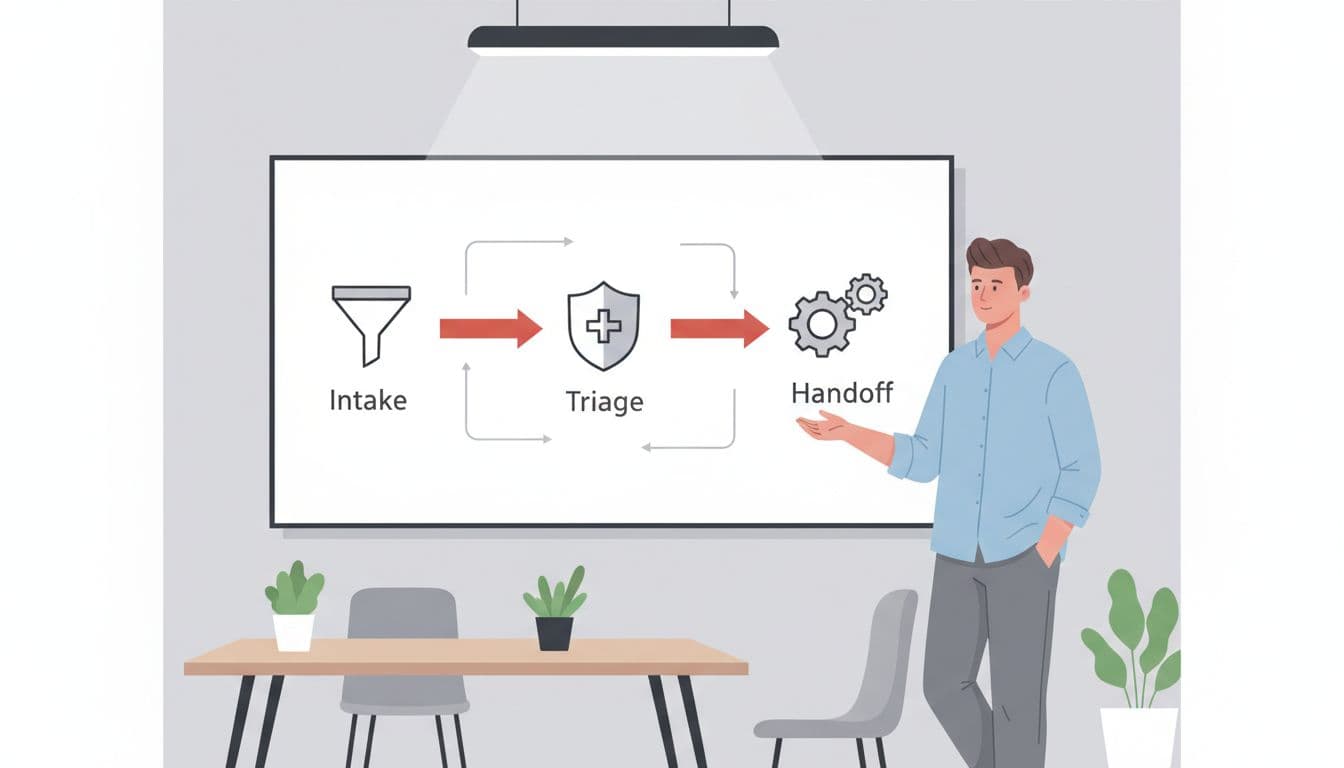
Visualize rollout like this board. Intake leads to triage, then handoff. Minimal data flows each step.
Train staff. Share the why: Faster service, lower risk. Monitor first month. Tweak as cases reveal gaps.
Use our intake-to-outcome clarity checklist to spot bottlenecks early.
Pitfalls That Trip Up Even Strong Teams
You set a standard. Staff acting as resource custodians revert to old forms. Why? No enforcement. Assign owners. Review weekly to prioritize data interoperability.
Vendors push full profiles. Push back. Align contracts to your minimums; verify access control and encryption in transit. Privacy clauses help.
Funders ask for more data. Show outcomes first. Minimal collection proves efficiency. They value impact over volume.
Partners demand extras. Negotiate shared minimums. Use a data sharing policy to govern information exchange. Use closed-loop referral playbook for clean handoffs.
Measure success simply. Track time to triage. Case volume served. Breach incidents near zero.
FAQs
How do I convince staff to collect less?
Show time saved. Run a pilot. Compare old vs. new intake speed.
What if a case needs more data upfront?
Flag for follow-up. Triage first. Details come after match.
Does this meet compliance?
Yes. It embodies data minimization, a core rule, and helps meet funder reporting guidelines. Check UK GDPR data minimisation guide for parallels.
How often to review the standard?
Quarterly. Tie to program changes or audits.
Your intake runs on hope now. Rigorous data standards (similar to MIAME in the field of bioinformatics, which you can explore via FAIRsharing.org) bring control. Cases move. Staff focus. Risks shrink. Boards see proof.
Grab the intake-to-outcome clarity checklist to audit today. Or schedule a call. You gain a clear next step.