
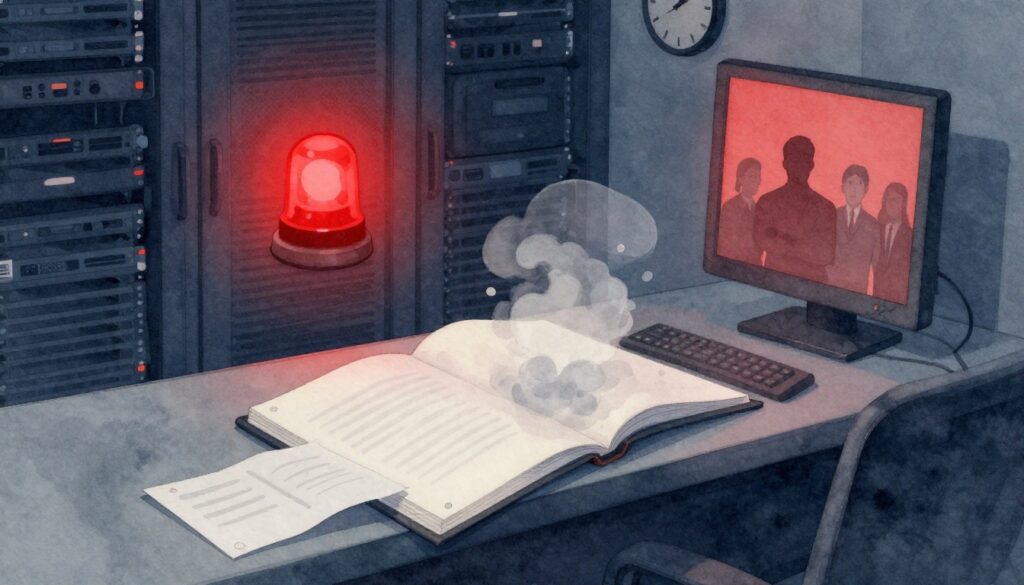
A disaster recovery plan on paper is not the same thing as a plan your team can use when the lights go out. The document may look complete, the binder may sit on a shelf, and the box may even be checked. But if nobody has walked through the steps, the plan fails before the outage starts.
That is the part leadership misses. The real problem is not only technical. It is ownership, decision-making, and whether people know what to do when pressure hits. When nobody practices, confusion grows, roles stay fuzzy, and recovery takes longer than anyone expected.
Key takeaway: practice is what turns recovery from a document into a working response.
The plan usually fails long before the outage starts
Most disaster recovery plans fail because they are treated like paperwork, not operating tools. You write them once, file them away, and hope they still match the business six months later. They usually don’t.
Systems change. Vendors change. Staff changes. Access changes. The plan stays still while everything around it moves. Then the outage hits, and people are forced to rely on memory, old emails, and guesswork.
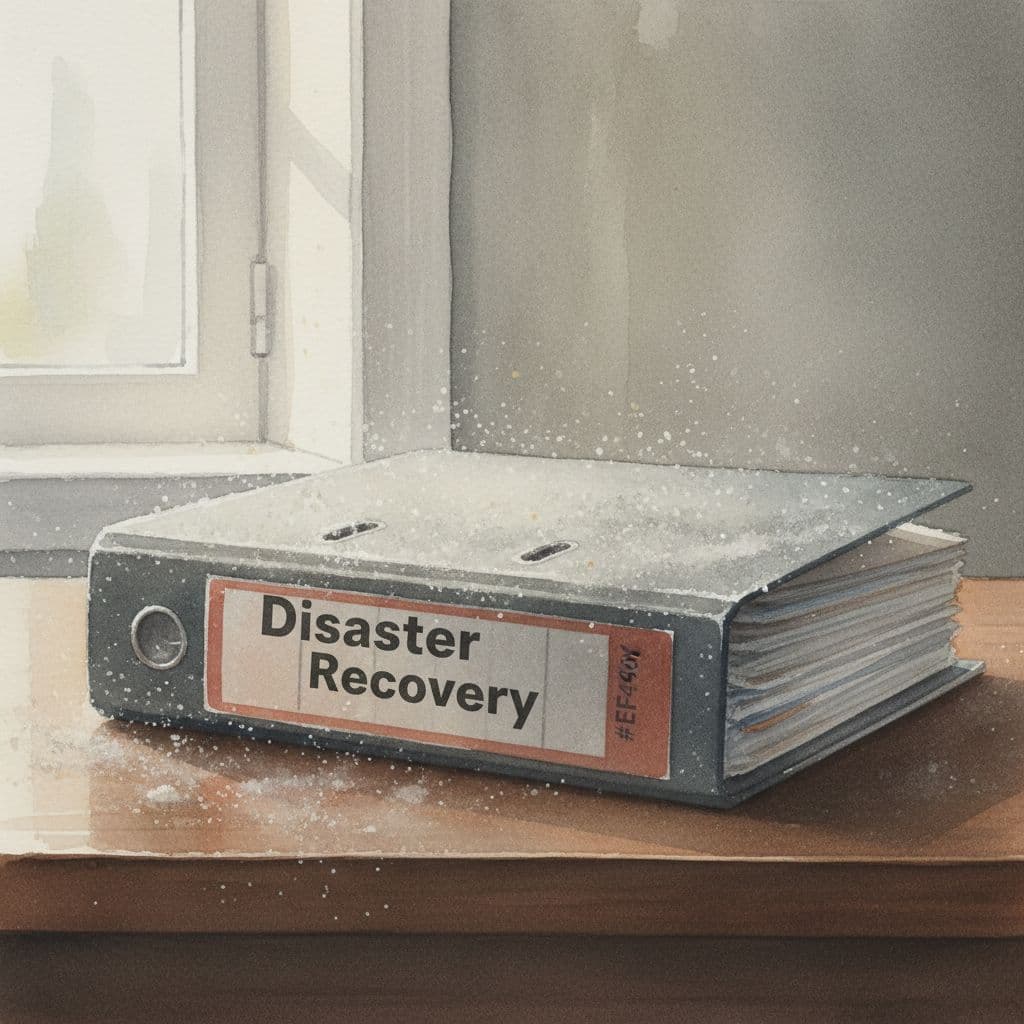
A written plan is not the same as a usable plan
A written plan can look complete and still be useless under stress. It may list systems, contacts, and backup steps, but miss the part that matters most, who does what, in what order, and how fast.
If the plan takes too long to read, it won’t get used. If it depends on tribal knowledge, it won’t survive turnover. If it assumes everyone remembers the process, it’s already weak.
You need a plan that is simple enough to follow when people are tired, worried, and under pressure. That means clear steps, clear owners, and a plain answer to the question, “What happens first?”
Outdated systems and untested assumptions create false confidence
A lot of teams assume backups work because backups exist. They assume a vendor will answer fast because the contract says they should. They assume the right people still have access because nobody complained last month.
That is false confidence.
The ugly truth is that recovery plans break at the seams, backup restores that were never tested, contact lists with dead numbers, and dependencies nobody mapped. A plan can look good and still fail on the first real test.
Why practice matters more than the paperwork
Practice is where the truth comes out. A tabletop exercise, restore test, or recovery drill shows you whether the plan works in the real world, not the tidy version you wrote down. It also shows you what breaks before the business does.
This is cheaper than learning during a live incident. It is also calmer. You find the weak spots when the pressure is low, not when customers are waiting and the board wants answers.

Practice turns confusion into muscle memory
When people rehearse the same steps more than once, they stop freezing when the moment gets real. They know who declares the incident. They know who calls vendors. They know who updates leadership and who keeps the work moving.
That matters because recovery is full of small decisions. Which system gets restored first? Which customer message goes out now? What can wait an hour? If your team has practiced, those calls happen faster and with less drama.
Recovery falls apart fastest when nobody has rehearsed the first ten minutes.
Drills show where the real bottlenecks are
A drill often exposes problems nobody expected. Maybe the admin account needed for restore access is missing. Maybe the vendor contact list is stale. Maybe the restore process takes three hours, not thirty minutes.
Those are not small details. They are the exact points that turn a bad day into a business problem.
Once you see the bottleneck, you can fix it while the stakes are low. That is the value of rehearsal. It gives you a safe way to find the hard truth.
The biggest failures are really leadership and ownership failures
Disaster recovery breaks down when nobody clearly owns the plan. That is the executive problem hiding inside the IT problem. If ownership is fuzzy, testing gets skipped, deadlines slide, and nobody pushes for follow-through.
This is where technology oversight services matter, because recovery is not only about systems. It is about who decides, who escalates, and who keeps the whole thing from drifting.
If your team cannot answer those questions cleanly, start with Get an Executive Technology Clarity Check. You need a clear read on where the gaps are before the next incident does the testing for you.
If no one owns recovery, everyone assumes someone else does
Shared responsibility often turns into no responsibility. One person thinks the vendor owns the backup. The vendor thinks internal IT owns the restore. IT thinks leadership already approved the plan. Meanwhile, nothing gets tested.
That is how plans go stale. No one wants to own the boring parts, so the boring parts rot. Then the outage hits, and all the missing work shows up at once.
If the recovery plan has no real owner, it is already fragile.
When the plan depends on one person, the risk is already too high
A lot of companies think they have a recovery plan when they really have one knowledgeable person. Maybe it is the IT lead. Maybe it is a contractor. Maybe it is a vendor who knows the environment better than anyone else.
That is not resilience. That is a single point of failure.
If one vacation, resignation, or missed call can slow recovery, the business is exposed. At that point, you need more than a document. You need visible ownership, clear decision rights, and support that does not vanish when one person is unavailable.
How to tell if your recovery plan is failing before a crisis does
You do not need a disaster to see the warning signs. You can spot them now if you are willing to ask direct questions. The best test is simple, can your team explain what happens in the first ten minutes?
If the answer is fuzzy, the plan is not ready. If people start talking over each other, the plan is not ready. If nobody can say which systems get restored first, the plan is not ready.
Your team cannot explain the first ten minutes
This is the fastest way to judge readiness. Ask who declares the incident. Ask who tells leadership what is happening. Ask which business process gets restored first and why.
If you get different answers from different people, that is a warning sign. You don’t have aligned execution. You have a guess.
A real recovery plan starts with a shared opening move, not a scramble.
Recovery depends on vendors you do not control
Vendor dependence is fine when it is managed. It is a problem when you assume help will arrive on time without testing the path to get there.
You need to know who answers, how fast they answer, what they will actually do, and what happens if they don’t. You also need backups for the backup. If the plan collapses the moment a vendor is slow, the plan is too thin.
This is where board-level visibility and vendor oversight matter. If leaders cannot see those dependencies clearly, they cannot govern the risk.
Build recovery into leadership, not just IT operations
Recovery gets stronger when you treat it like part of business resilience, not a side project for IT. Leadership should know acceptable downtime, recovery order, and the communication plan before the disruption happens.
That means you review priorities in advance. You decide which systems matter most. You decide what can wait. You decide how the business will talk to employees, customers, and the board when something breaks.
For companies that have outgrown informal control, fractional CTO services can give you the executive structure to keep recovery tied to business decisions, not just technical tasks.
Practice the plan like a real event, not a theory exercise
Run tabletop drills with the right people in the room. Test backup restores, not just backup reports. Validate contact lists. Check permissions. Make someone own the follow-up items.
Then do the uncomfortable part, review what failed and assign fixes with dates. A drill that ends with polite nods is a wasted drill. A drill that changes behavior is useful.
Use the results to improve decisions, not just documents
Every test should change something real. Maybe you need a different vendor. Maybe you need a shorter recovery order. Maybe you need better reporting to leadership. Maybe the plan needs to be cut down so people can actually use it.
The goal is not a perfect binder. The goal is a team that can act without guessing.
When you treat each test that way, disaster recovery stops being a shelf item. It becomes part of how you run the business.
Conclusion
A disaster recovery plan that nobody practices is mostly a false sense of safety. It may look disciplined, but the first real outage exposes the gaps fast. Ownership is fuzzy. Steps are stale. Vendors become a crutch. People freeze.
The fix is not more paperwork. It is clearer ownership, regular drills, and leadership that treats recovery as a business issue, not an IT chore. Review the plan, test it with the right people in the room, and make the gaps visible before disruption does it for you.
If your business has already outgrown informal control, bring in outside executive technology leadership before the next incident turns into a lesson you didn’t want to learn.