
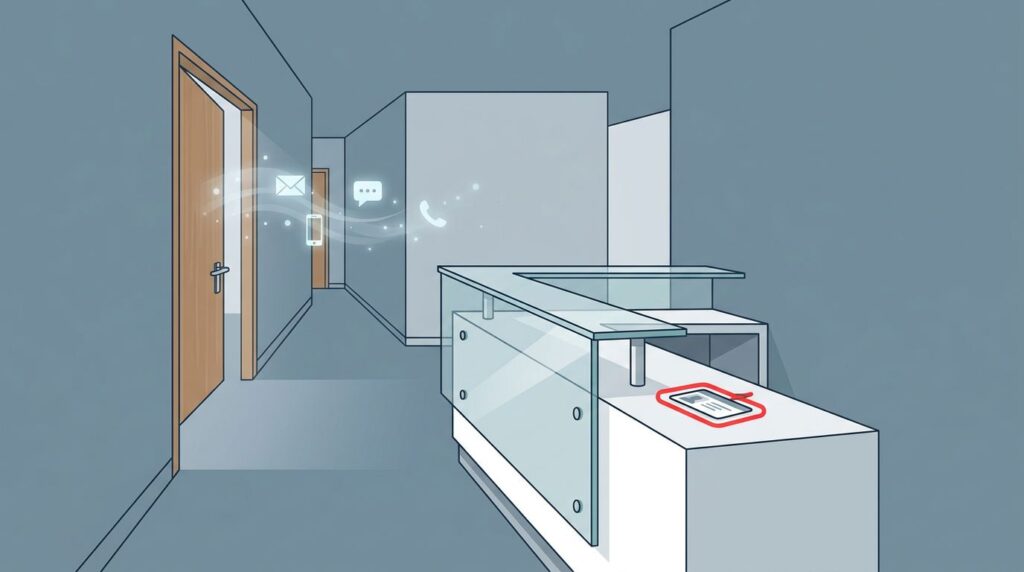
One side-door request rarely feels like a problem in a group home. Then the requests start arriving by text, email, Slack, hallway conversation, and board introduction, and your intake process stops being a process.
When work enters through private channels, triage gets weaker, fairness drifts, and reporting turns shaky. Maintaining strict intake procedures is essential for safety and compliance. A clear intake exception rule lets you handle true urgency without letting exceptions become the system.
That is where order starts.
Key takeaways
- An intake exception rule does not ban flexibility. It defines when flexibility is allowed.
- Every exception needs one reason, one approver, and one path back into the main queue.
- If you do not track exceptions, side-door requests will quietly become your real intake model.
Why side-door requests create hidden drag
A side-door request is any intake that skips your normal entry point. It may come from a partner, such as a social worker at a placing agency seeking urgent child placement, a funder, executive, volunteer, or staff member who wants to help fast.
The risk is not the request itself. The risk is that nobody applies the same triage, consent, documentation, or service rules. As a result, one client gets rushed, another waits, and your team starts working from memory instead of policy. This breakdown threatens service quality, especially for vulnerable populations.
You can see this pattern in intake overload and routing confusion in justice orgs. It also feeds the wider wrong-door problem described in Georgetown’s research on wrong-door intake.
For leadership, the cost is broader than staff frustration. You lose cleaner visibility, privacy discipline slips, and board reporting gets harder to trust. Your best operators become translators and cleanup crews. Soon, the exception lane becomes the real lane.
Signs your exception lane is already in charge
If staff ask whether a request came through the “real” queue or the back channel, you already have two systems. If monthly numbers never match the stories leaders hear in meetings, side-door work is hiding in plain sight.
When pressure from an authorized representative leads intake staff to bypass official channels without explanation, your intake model starts bending around influence. That drift matters because it erodes data integrity and trains good staff to stop trusting policy. People start solving for relationships instead of fairness, speed, and clean data.
What an intake exception rule should say
A good rule is short and essential for compliance with Title 22 of the California Code of Regulations. It answers four things: what counts as an exception, who can approve it, what must be logged, and how fast it returns to the main workflow to ensure every child receives a proper needs and services plan despite an urgent entry.
Think of it like a fire exit. You want it available when needed. You do not want everyone using it as the front door.
The logic is common in other rule-based settings. Washington Law Help’s explainer on an exception to a rule shows the same basic idea. An exception is allowed because a defined condition exists.
Exceptions should be rare, visible, and owned.
Your rule should also state what does not count. “A VIP asked” is not an exception type. Neither is “we were busy.” Good rules calm politics because staff can point to the path instead of making personal calls under pressure.
How to set the rule without slowing urgent work
Start simple. If requests still come through five different channels, first use this single front door intake guide to narrow the path.
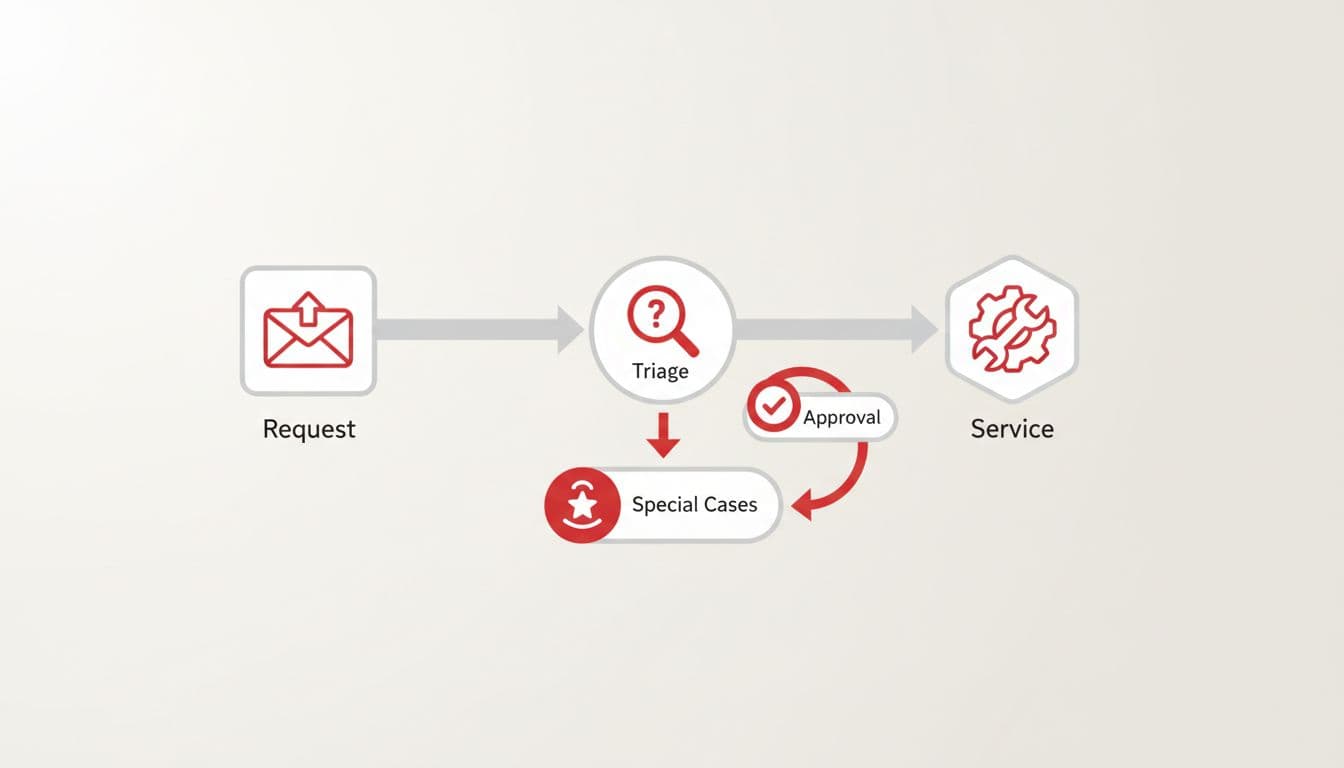
Then write a one-page rule your team can apply under pressure.
- Limit exception types to a short list. Good examples include immediate safety risk for children under the age of six, older sibling placement, sexually threatening behavior, same-day deadline, accessibility need, or a system outage.
- Name the licensee or their designee as the approver per shift or program. If everyone can approve an exception, no one owns it.
- Log the minimum facts on the appraisal form. Capture source, reason, approver, time received, and next action.
- Push every exception back into the main queue the same day. Private email is not a tracking system.
- Review the log each week. If one sender keeps using the side door, fix that behavior upstream.
This approach protects speed without giving up fairness. It also gives your staff cover. They no longer have to guess which off-list request deserves special treatment. Because the rule lives on one page, training gets easier and bad habits are harder to pass along.
Measure whether the rule is working
Do not settle for “it feels better.” Watch a small set of numbers instead.
- Requests arriving through approved channels
- Exceptions by source
- Time from receipt to logged intake
- Exceptions with complete documentation
- Repeat side-door senders
You can review these in 15 minutes a week, including whether the log tracks exceptions involving psychotropic medications or immediate psychiatric services requiring coordination with a treating psychiatrist. If exception volume drops but urgent response slows, the rule may be too tight. If exceptions keep climbing, the categories are too loose, or leaders are bypassing the model.
When exceptions often end in partner handoffs, add a closed-loop referral playbook. “Sent” is activity, not closure.
Frequently asked questions
Should executives ever bypass intake?
Sometimes, but only inside the rule. If you escalate a request, log the reason and route it back to intake at once.
What if someone is in crisis?
That is exactly why exception rules exist. You move fast to meet special treatment needs while adhering to the health and safety code and welfare and institutions code, but you still record the intake, the approver, and the next step.
Will this feel cold to clients?
No. Clear discipline policies, complaint procedures, discharge procedures, and removal/discharge policies usually feel more humane because they create a supportive family-like setting where people get a fair, known path instead of random treatment based on who they reached first.
Do you need new software?
No. Most teams can start with one shared queue, one approval rule, and one simple log.
One side door may feel harmless. A dozen side doors create a shadow system you cannot see, manage, or defend.
Set the rule this week. Review the last 30 bypassed requests, name the true exception types, and give one person approval authority. The log helps gather necessary psychological testing, educational testing, or hospitalization summaries that might have been skipped during side-door entries. That is how you get back to clearer visibility and better decisions.