data governance

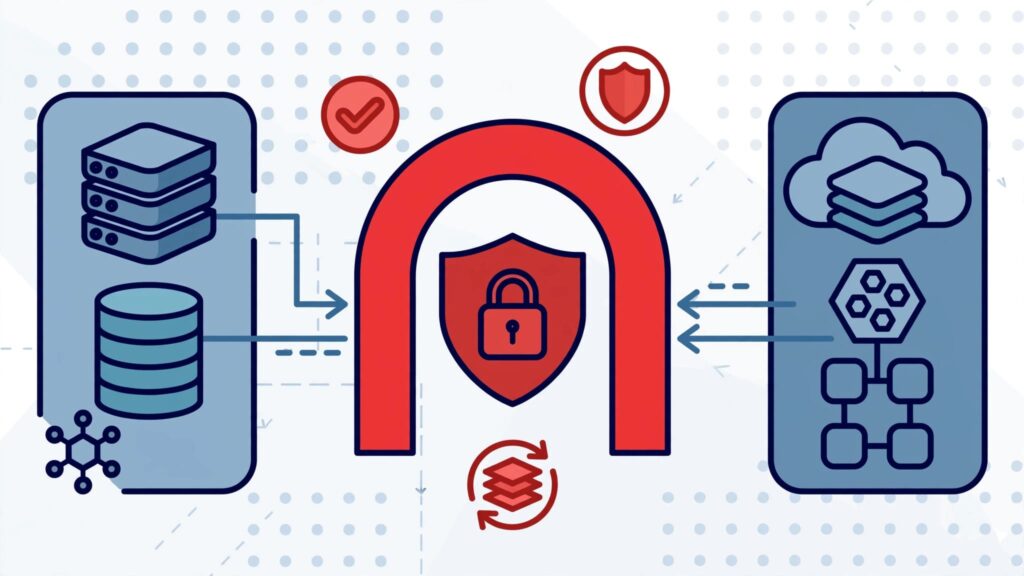
Two business systems connect through a central gateway with data flow and backup symbols.

Joint Venture Technology Governance Before Connection

Your joint venture can inherit a partner’s technology risk before it delivers its first customer outcome. A shared account, data feed, or vendor connection can create obligations your leadership team hasn’t agreed to own. Joint venture technology governance gives you clear authority before those connections become operational dependencies. You need to know what can be

Joint Venture Technology Governance Before Connection Read More »
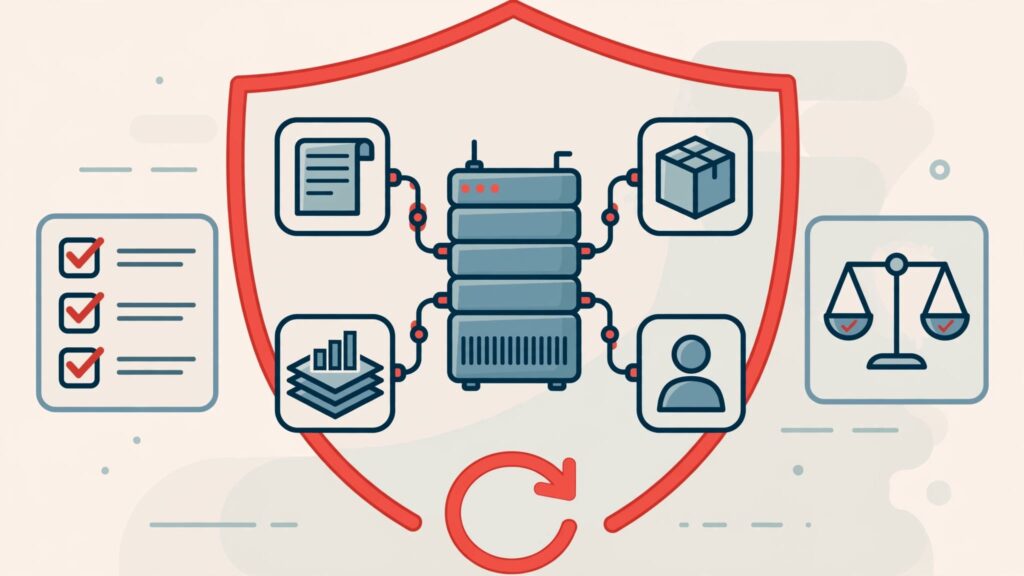
A shielded server connects to data icons, a checklist, and a recovery arrow.

Data Migration Risk Assessment Before a Core-System Swap

Your new core system can go live while the business loses confidence in its numbers. A useful data migration risk assessment shows you what could interrupt billing, distort inventory, expose sensitive records, or leave Finance unable to close. You need evidence of readiness, clear ownership, and an executable recovery plan before approving the replacement. Start

Data Migration Risk Assessment Before a Core-System Swap Read More »

technology centralization

Technology Centralization Across Business Units

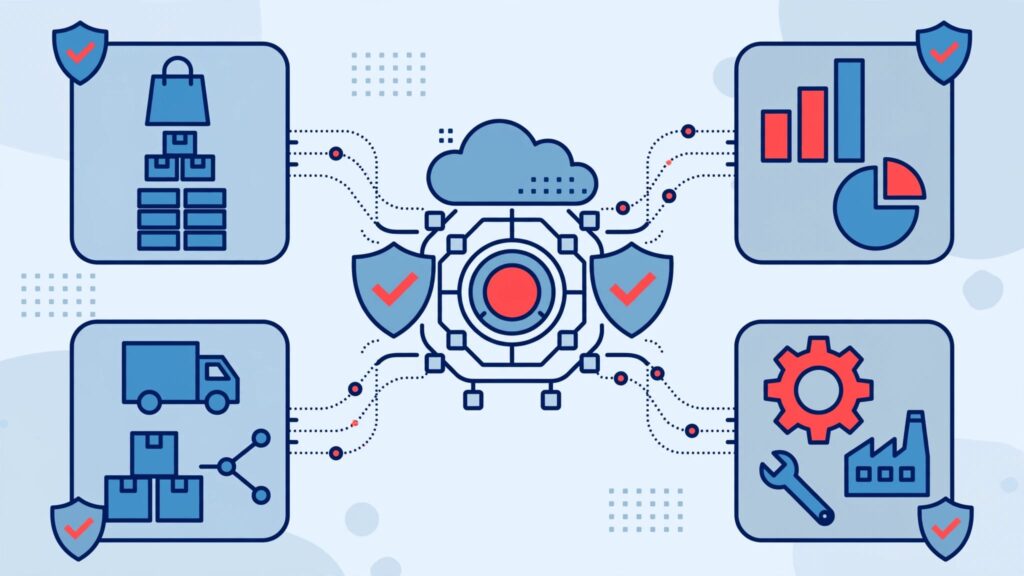
You can own several business units and still lack one reliable picture of technology cost, risk, and performance. Each unit keeps moving, but shared customers, financial reporting, and security can expose the gaps between them. A unified approach can give you clearer control, provided you protect the workflows that make each business effective. Start by

Technology Centralization Across Business Units Read More »

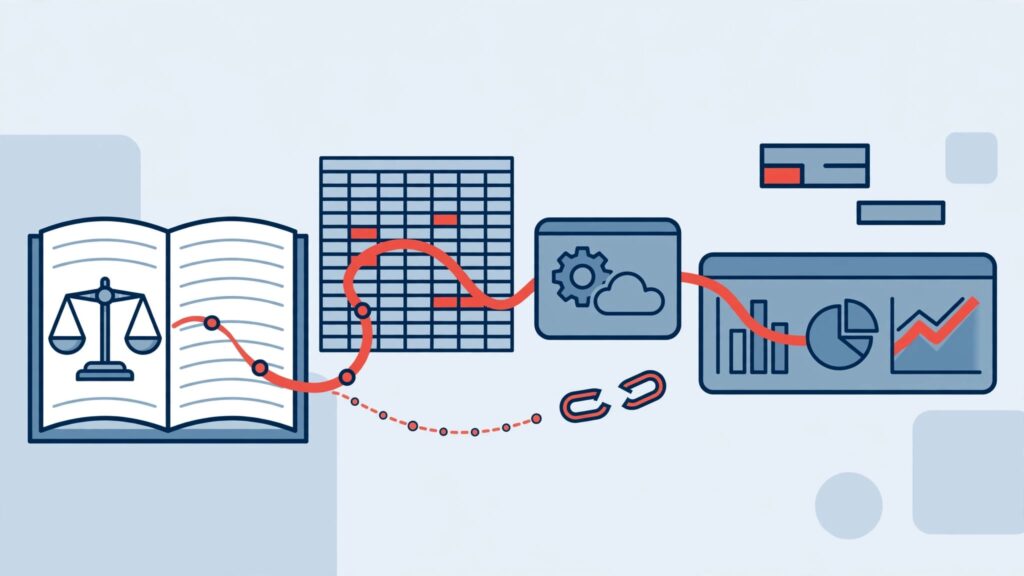
A ledger links to finance dashboards, with a red path and scattered data blocks.

Financial Data Integrity: Can You Trust Your Statements?

Your month-end close can balance while the data underneath it remains unreliable. Financial data integrity becomes a leadership issue when missing records, broken integrations, or uncontrolled spreadsheets undermine reporting accuracy. That makes reported numbers harder for leaders to defend. You may have capable finance staff and responsive IT support, yet still lack clear ownership across

Financial Data Integrity: Can You Trust Your Statements? Read More »

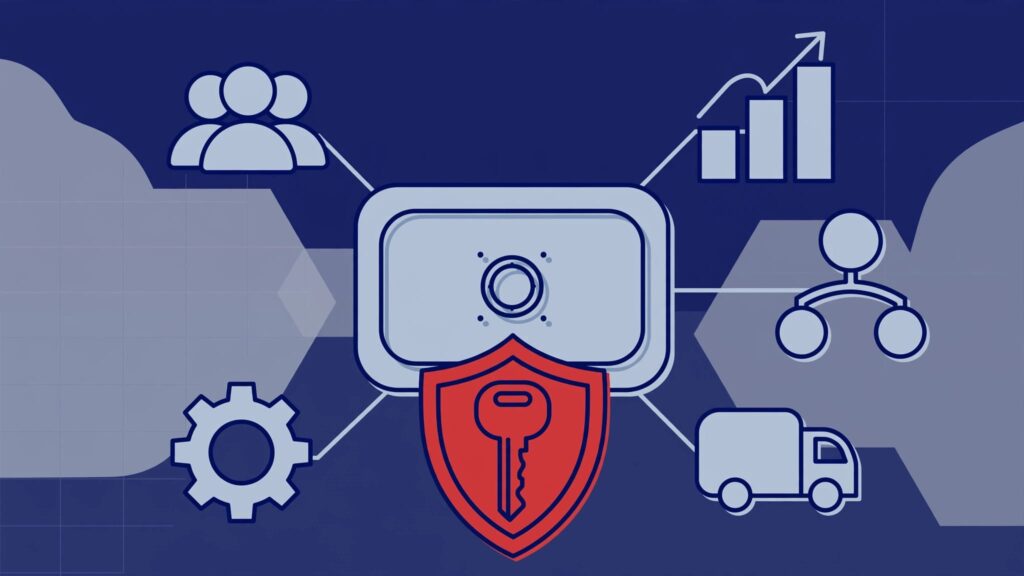
A central data panel links customer, revenue, employee, vendor, and operations icons.

How to Assign Business Ownership for Company-Wide Data

When no one owns the numbers, everyone eventually argues about them. Data ownership assigns business decision rights and accountability for company-critical information, rather than implying personal possession. It clarifies who can define, protect, improve, and approve its use, including appropriate handling of personal information. Trusted information becomes a strategic asset. Without clear data ownership, reporting

How to Assign Business Ownership for Company-Wide Data Read More »

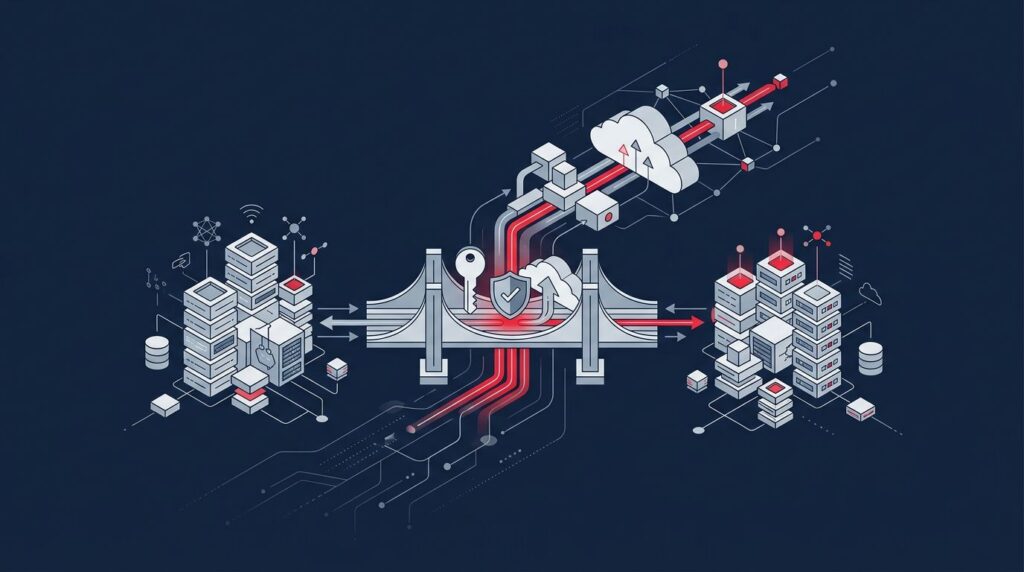
Two server platforms connect through a secure central bridge with cloud and shield symbols.

Add-On Acquisitions: A Tech Integration Playbook

In middle market leveraged buyouts, an add-on acquisition can look small in a purchase model. It can still create a large technology problem. When you combine a target with a platform company, identity, data, vendors, and cybersecurity must work together. Decision rights must also be clear before the promised EBITDA improvement shows up. Private equity

Add-On Acquisitions: A Tech Integration Playbook Read More »

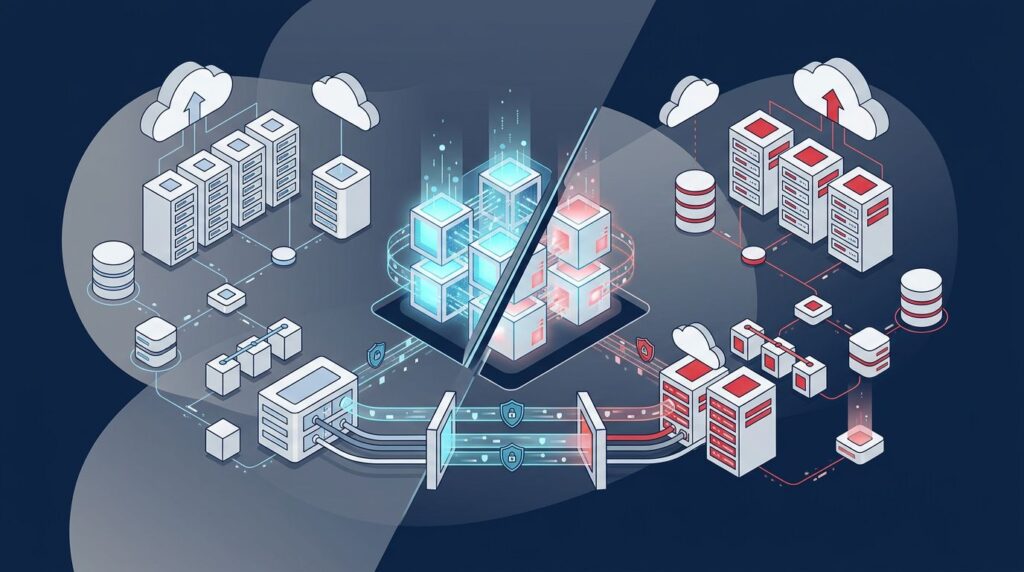
A central data hub separates into two secure network systems linked by red data pathways.

IT Carve-Out: Separate Systems Without Breaking the Business

An IT carve-out can support value creation when operational risks are controlled. Shared systems, data, vendors, identities, and infrastructure rarely divide cleanly when the deal closes. The target business must operate independently without losing orders, payroll, customer access, reporting, or security controls. Meanwhile, the parent company must keep those capabilities running through the separation. That

IT Carve-Out: Separate Systems Without Breaking the Business Read More »

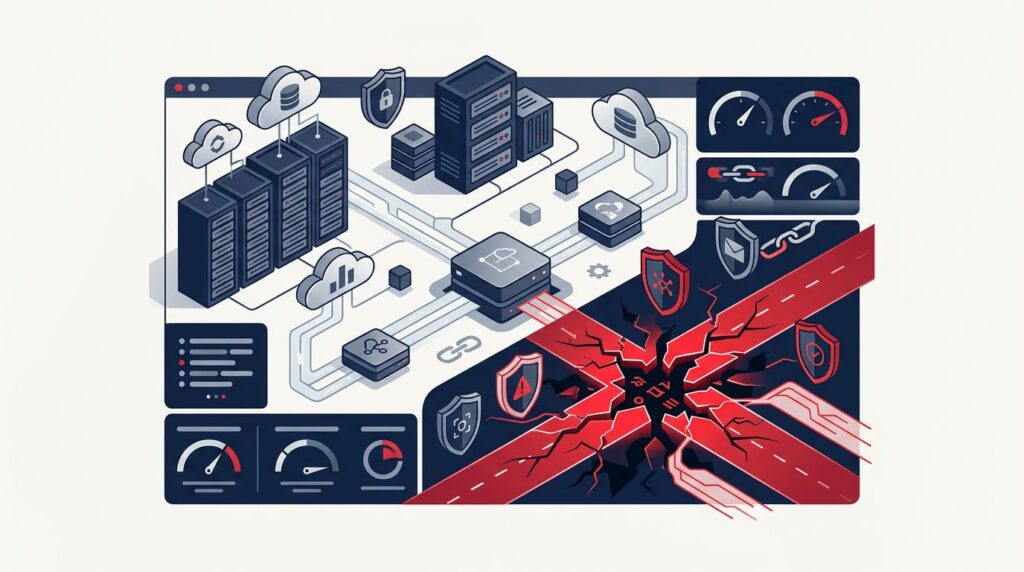
A digital infrastructure dashboard shows connected systems and a cracked red warning path.

Buy-Side Technology Due Diligence: What Kills Deals

A target can look attractive on paper during mergers and acquisitions, but hidden technology problems can threaten revenue, post-close value, and the integration plan, making buy side due diligence essential. A buy side technology due diligence checklist helps you test whether the systems, people, vendors, data, security controls, and technology costs support the investment thesis.

Buy-Side Technology Due Diligence: What Kills Deals Read More »