workflow automation

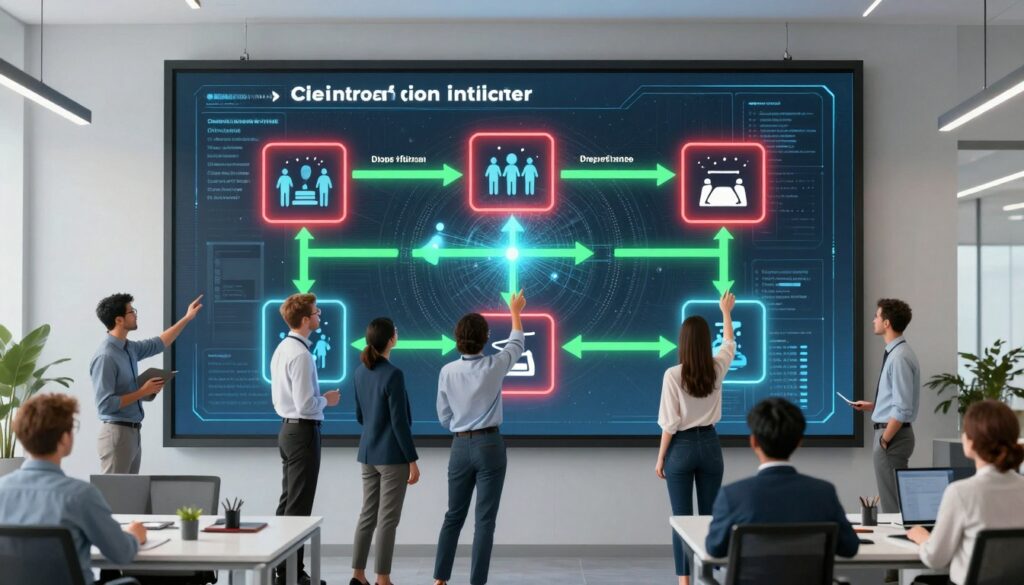
A team reviewing their legal docketing system so they can take action.

Stop tracking court deadlines in personal calendars, set up a legal docketing system that prevents missed hearings and late filings

It’s 4:47 p.m. on a Friday. Someone pings you, “Did we file the response?” Another person says they “had it on their calendar.” A third swears the hearing date changed. You can feel the room tighten, not because people don’t care, but because the process depends on memory, inbox searches, and personal calendars. For justice-focused […]

Stop tracking court deadlines in personal calendars, set up a legal docketing system that prevents missed hearings and late filings Read More »

A team developing coordinated intake for justice network organizations.

Coordinated Intake for Justice Network Organizations (One Front Door, One Follow Up Loop)

You’ve seen the same story play out. A client calls legal aid organizations, then gets sent to a court help desk, then to a housing assistance partner, then back again. Each stop has its own form, its own script, its own waitlist, its own “can you tell me what happened from the start?” That’s not

Coordinated Intake for Justice Network Organizations (One Front Door, One Follow Up Loop) Read More »

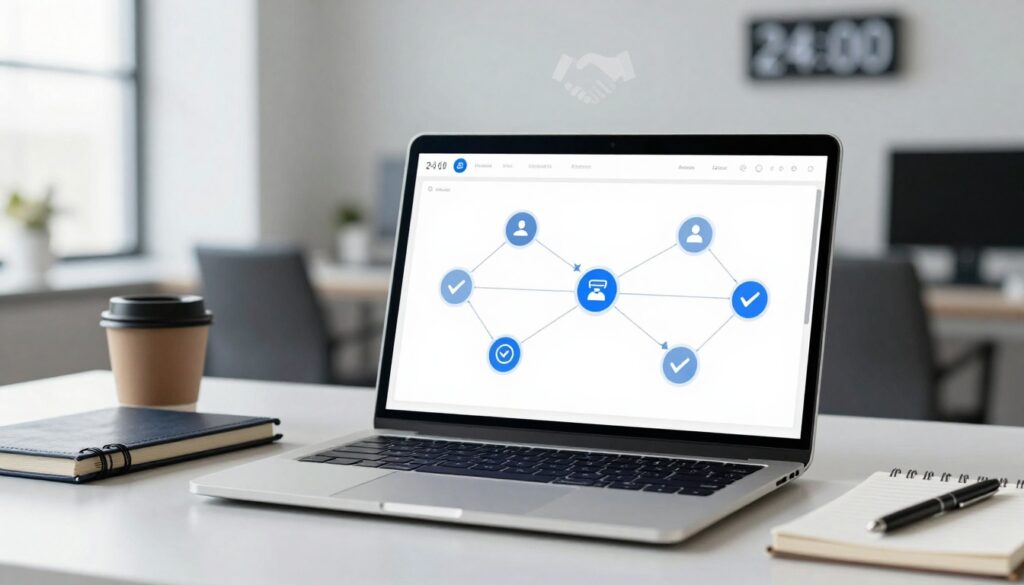
A team mapping out their own warm handoff process

Stop losing people after a referral, build a warm handoff process that confirms contact in 24 hours and tracks every bounce

It’s 4:45 p.m. The intake queue is still climbing. A partner emails, “We referred three people today, did you reach them?” Your team searches inboxes, a shared spreadsheet, and someone’s notes. No one can say, with confidence, what happened next. This is how trust leaks out of the system. Not because people don’t care, but

Stop losing people after a referral, build a warm handoff process that confirms contact in 24 hours and tracks every bounce Read More »

Stop sending clients on a scavenger hunt for documents, build a 10-minute eligibility packet that cuts follow-up calls

Your intake line is full. A client finally gets through, and you can hear the stress in their voice. You ask for proof of income, a lease, a notice, a case number, a copy of an ID. They say they have some of it, somewhere. You tell them to email what they can, and you’ll

Stop sending clients on a scavenger hunt for documents, build a 10-minute eligibility packet that cuts follow-up calls Read More »

Intake That Doesn’t Lose People, Fix the 5 drop-off points, and stop re-asking the same questions

The intake queue is exploding. A partner is waiting for a referral that never arrives. Someone in need starts an application, then vanishes halfway through. By the time your team circles back, it’s too late, the moment passed, trust thinned, and your staff has another loose thread to track. A strong client intake process isn’t

Intake That Doesn’t Lose People, Fix the 5 drop-off points, and stop re-asking the same questions Read More »

Single front door intake that stops drop-offs and boosts completed intakes in 60 days

The intake queue is exploding. Staff are doing the same steps twice. Someone prints a form “just in case,” then scans it, then emails it, then re-types it. Meanwhile, the applicant disappears halfway through because the process feels like a maze. A single front door intake fixes the first mile of your work. You choose

Single front door intake that stops drop-offs and boosts completed intakes in 60 days Read More »

A team that has the correct access to justice technology solutions to help them accomplish their mission

Access to Justice Technology Solutions That Actually Reduce Wait Times (and Risk)

The intake queue is exploding again. A partner referral fell through because the handoff email went to the wrong place. A funder report is due, and the numbers don’t match what staff know happened on the ground. That’s the justice gap in day-to-day form: too many people need help, too few legal resources, and too

Access to Justice Technology Solutions That Actually Reduce Wait Times (and Risk) Read More »

Free Your Team: Using Automation to Reduce Repetitive Staff Tasks in Legal Orgs

The end of the quarter is looming. A critical grant report is due, and your program manager—the one who should be coaching partners—is buried in spreadsheets, manually piecing together data from three different systems. This isn’t a failure of your team. It’s a symptom of a deeper problem: your mission has outgrown the fragile systems

Free Your Team: Using Automation to Reduce Repetitive Staff Tasks in Legal Orgs Read More »