
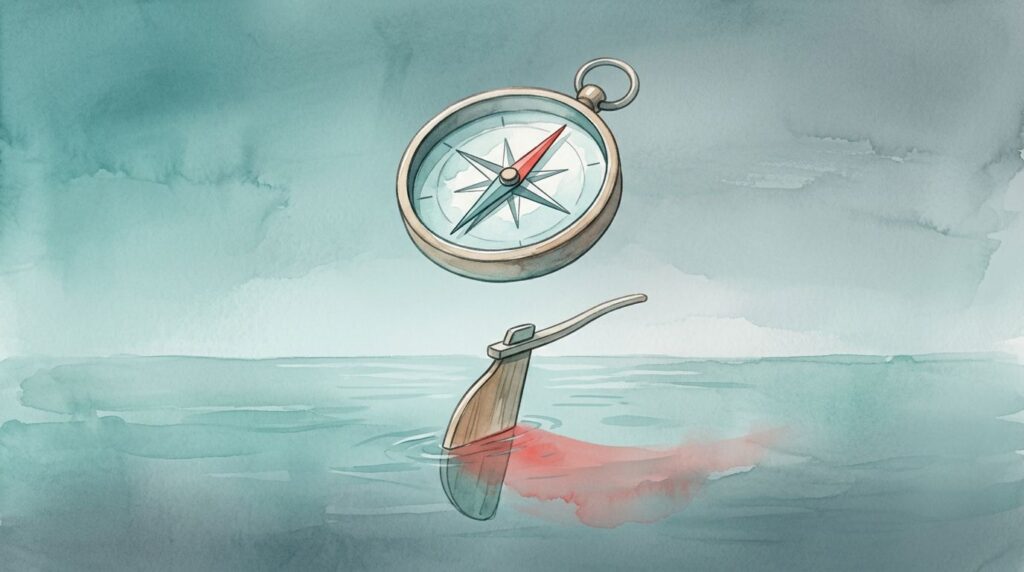
You usually do not lose control because your team stopped trying. You lose it when technology project management starts running on habit, partial ownership, and too many side conversations. One vendor sees one goal, your internal team sees another, and leadership gets status updates without a clean decision.
That is how a project drifts. It keeps moving, but not in a straight line. The fixes are usually less dramatic than people think, and much more serious than they want to admit.
Key takeaways for leaders
- Drift is usually a governance problem, not an effort problem.
- You regain control by naming owners, tightening decision rights, and forcing every project to answer to a business outcome.
- If the board, CEO, or COO cannot see risk and progress clearly, the roadmap is too vague.
If you cannot name the owner, the outcome, and the stop point, the project is already drifting.
Drift starts when nobody owns the whole picture
Projects drift when leadership treats them like a stack of tasks instead of a chain of decisions. Scope shifts. Priorities get swapped. A vendor makes a promise. Someone else approves it. Then no one wants to own the tradeoff.
That is why this is rarely a technical problem alone. It is a technology leadership problem. The business may have strong managers, but no one is holding the full picture together. In that gap, tool sprawl grows, shadow IT slips in, and technical debt starts taking space that should belong to strategy.
If you want cleaner board-ready technology reporting, the report has to show ownership, risk, and the next decision. Not more noise. BCG’s review of why large-scale tech programs fail points to the same pattern, weak planning, weak management, and weak follow-through.
What drift looks like inside your business
You can spot drift before it becomes expensive. The warning signs are usually plain.
A project meeting ends with “good progress,” but nobody can say what changed. A dashboard looks busy, but it does not support a decision. The budget keeps moving, but the value story gets weaker. That is when technology project management stops managing the work and starts documenting confusion.
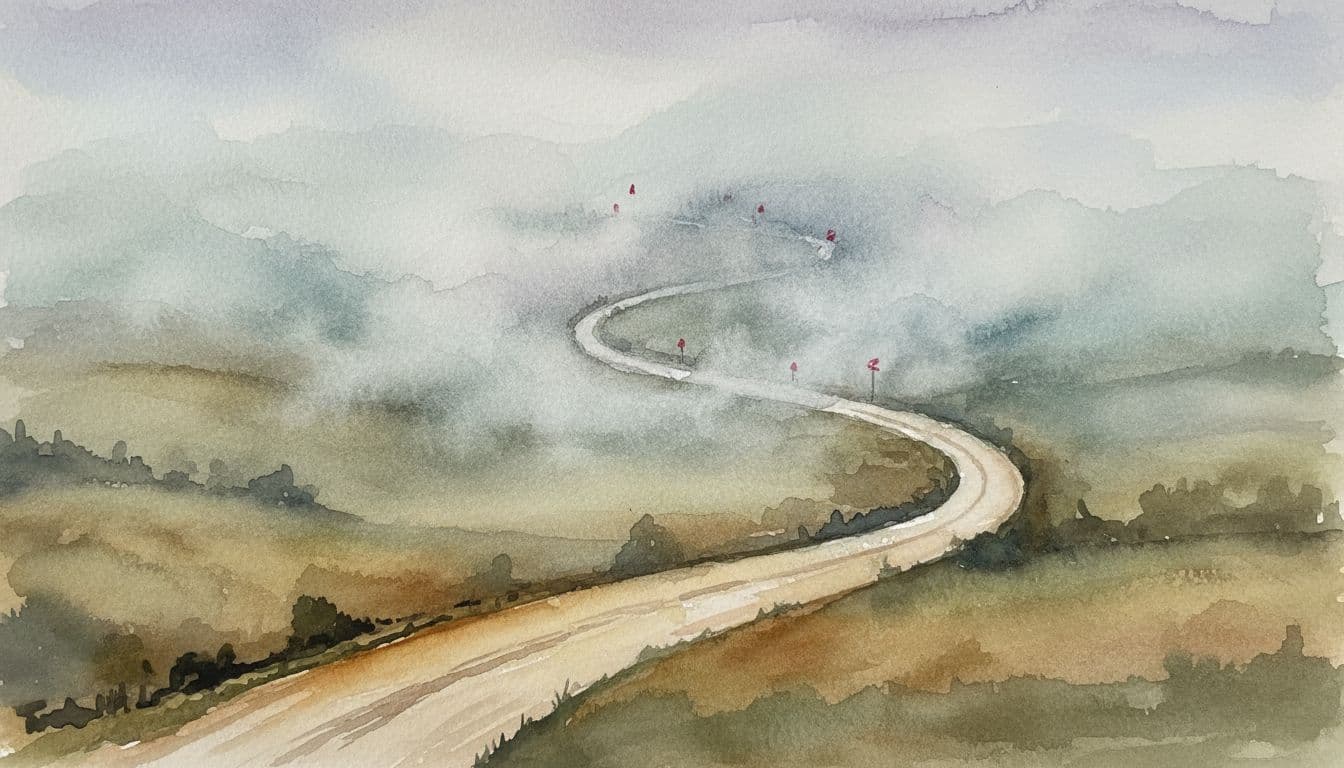
You see it in vendor management too. A software platform gets renewed because nobody has time to evaluate alternatives. A third party becomes harder to offboard than to keep. Then the business discovers that vendor risk management was never really owned, only assumed.
The same thing happens with cyber work. If you need cybersecurity governance for boards, the point is not to create a bigger packet. The point is to make cyber risk reporting to the board clear enough that directors can govern it.
A good reference point is CIO’s take on project drift. It calls drift what it is, the silent project killer. That is not dramatic. It is honest.
How you regain control without adding noise
You do not fix drift by adding more meetings. You fix it by making decisions visible.
Start with a systems inventory. Know what you own, what depends on what, and which projects touch customer experience, revenue, compliance, or uptime. Then build a decision rights map so everyone knows who approves scope, spend, and vendor changes.
After that, shape a simple one-page technology strategy and a 12-month technology roadmap. Not a deck that no one reads. A clear line from business priority to project to owner to date. That is the heart of business-aligned technology strategy.

Photo by GOWTHAM AGM
A few moves usually change the game fast:
- Name one business owner for every project.
- Cut anything that cannot explain its technology ROI.
- Use cost-per-outcome reporting so spend and value stay connected.
- Set a weekly technology operating rhythm that forces decisions, not just updates.
If you need practical help, technology leadership templates can make the conversation more concrete. And if the picture still feels messy, Get an Executive Technology Clarity Check is the fastest way to sort signal from noise.
When the right answer is a different kind of leader
Sometimes the issue is not one project. It is a technology leadership gap.
That is when a fractional CTO or part-time CTO can help you restore executive technology leadership without hiring too early. If the work needs immediate control, interim CTO services fit better. If you need steady support but not a full-time seat, fractional CTO services, an outsourced CTO, or a virtual CTO may be the right move.
The same logic applies on the risk side. A fractional CISO, virtual CISO, or interim CISO makes sense when cyber oversight, board cybersecurity reporting, or incident response readiness is the real pressure point. If the business also needs broader data and process oversight, a fractional CIO can help shape the operating model.
That is the difference between plugging a hole and building a usable system. One keeps you busy. The other gives you control.
FAQs
Is drift a project problem or a leadership problem?
Usually both, but the root issue is leadership. If no one owns the outcome, the project will wander. Strong technology governance for CEOs and technology governance for boards closes that gap.
When should you hire a fractional CTO instead of a full-time CTO?
When you need leadership now, but not a permanent seat yet. A fractional CTO makes sense when you need clearer visibility, a better roadmap, and stronger accountability before you hire full time. That is often the right answer for mid-market technology leadership.
What should board-ready reporting actually show?
It should show what is on track, what is at risk, who owns the risk, and what decision is needed next. If the board cannot tell how spend connects to outcome, the report is too thin.
Conclusion
Technology projects drift for a simple reason, leadership loses the thread. The work keeps moving, but ownership gets fuzzy, reporting gets weaker, and the roadmap stops telling a clear business story.
You get control back by making the next decision plain. Clarify the outcome. Assign the owner. Cut the noise. Then build a plan your team can actually run. That is how you turn technology project management back into leadership, and leadership back into progress.