

You can cut software, trim licenses, and freeze purchases, then watch the budget look better for one quarter. The problem is that the spend usually comes back, because the thing driving it never changed.
That is why technology spend is often a leadership and governance problem, not just a budget problem. If ownership is fuzzy, priorities keep shifting, and vendors are shaping decisions, the same costs will reappear under a different name. If the root problem is not clear, start with Get an Executive Technology Clarity Check. It helps you see what is slowing growth, where risk is building, and what needs to be fixed first.
Key takeaways
- Cutting spend helps only when you already know which outcomes matter and who owns them.
- Repeated cost growth usually comes from overlap, stale work, weak reporting, and too many special cases.
- Lasting savings come from clearer ownership, sharper visibility, and a direct link between spend and business value.
Why technology spend keeps rising even after you trim the budget
The first round of cuts usually targets what you can see. That means licenses, tools, and obvious waste. It feels productive, and sometimes it is.
But the bigger problem is often buried in the pattern behind the spend. You add one tool to fix reporting, another to patch integration, and another to keep a team moving. Then the business adds a vendor, a workaround, and a custom process. The budget grows because the operating model keeps leaking.
You are paying for overlap, not just software
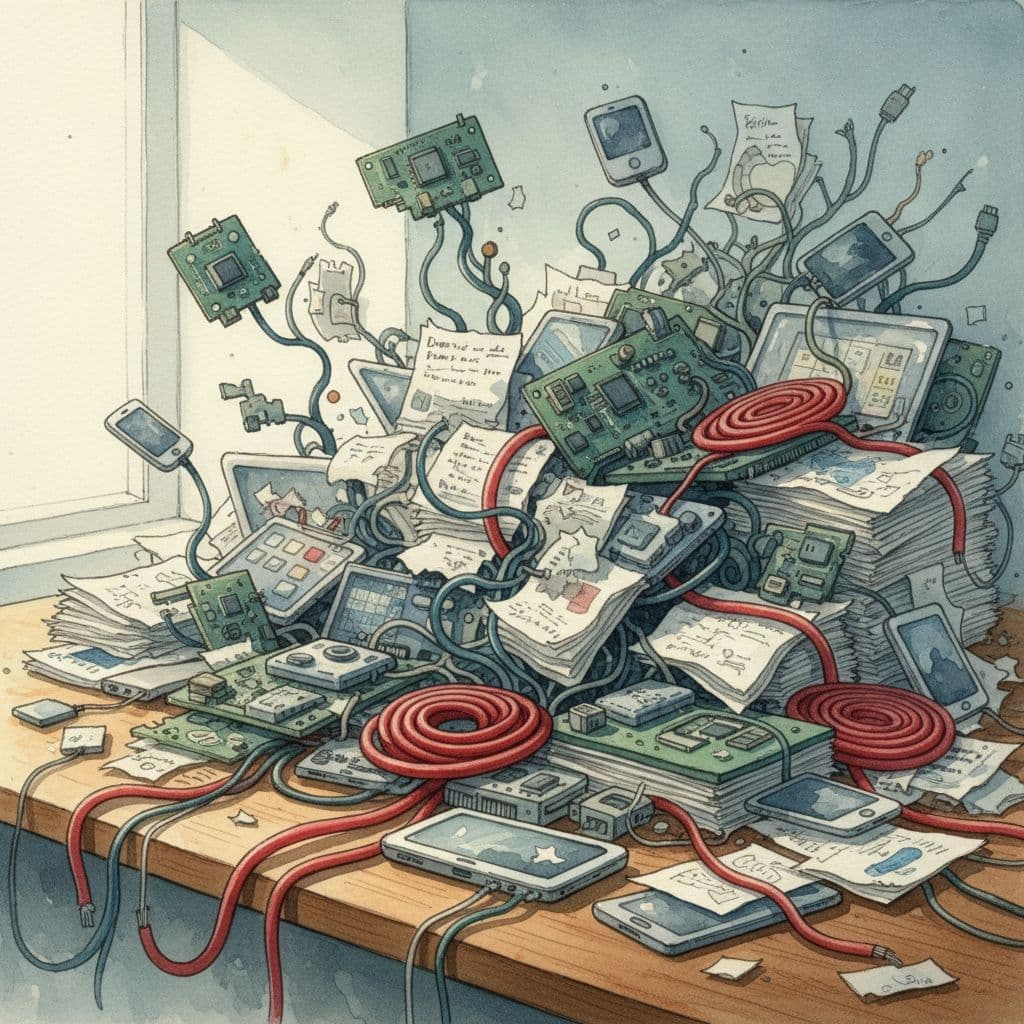
A lot of technology waste is duplication with a cleaner invoice. Two systems do the same job. Three dashboards tell three versions of the same story. Someone exports data from one tool, fixes it in a spreadsheet, then sends it somewhere else.
That overlap costs more than the license fee. It creates manual work, messy reporting, and more room for error. You pay in time, not just cash.
Small decisions add up when no one owns the story
Departments buy tools for their own problems. Finance wants control. Operations wants speed. Marketing wants flexibility. Each choice may make sense on its own.
The trouble starts when nobody connects those choices back to one business outcome. Then technology becomes the shock absorber for everyone else’s decisions. The budget absorbs the mess, and nobody is responsible for cleaning it up.
Zombie spend survives because it is nobody’s job to kill it
Unused licenses do not disappear by themselves. Old integrations stay alive because removing them feels risky. Stale projects keep running because nobody wants to be the person who stops them.
That is how zombie spend survives. It lives in the gray area between teams, where accountability is loose and reporting is weak. If no one owns the result, no one owns the cleanup.
What cost cutting misses when the real problem is leadership
This is where budget trimming hits a wall. You can remove line items all day, but if decision rights are unclear, the same habits will refill the gap.
Real control starts when leadership makes the big choices that sit above the budget. A business-aligned technology strategy gives those choices a frame. Without that frame, the budget becomes a place where people hide unresolved decisions.

A dashboard is not a decision. If nobody can act on the numbers, you still do not have control.
When reporting exists but nobody can act on it
You may already have dashboards, weekly reports, and slide decks. That does not mean you have useful visibility. A report is only helpful if it leads to a decision.
Leaders need to know what is on track, what is slipping, what is risky, and what needs attention now. More data does not fix weak judgment. Clearer information does. That is why a technology strategy matters. It turns reporting into a tool for action.
Why fuzzy ownership makes every cut harder
If no one clearly owns a system, a cost center, or a result, every budget decision turns into a debate. One team wants to keep the tool. Another wants to replace it. Finance wants the savings. IT wants to avoid disruption.
That is how simple cuts become political. People defend their corner instead of making a business call. The work slows, and the same expensive ambiguity stays in place.
The three choices that should be made at the executive level
Some decisions do not belong in the technology budget at all. They belong with leadership.
You need to decide where and how the business will grow. You need to define the experience promise you are making to customers. You need to be honest about the level of risk you are willing to carry.
Until those choices are explicit, technology spend stays reactive. The team is buying around the edges while the center is still fuzzy.
How to tie technology spend to business value and lower risk
If you want spend to stick, start with the outcome, not the tool. That sounds obvious, but most budgets do it backward.
Name the business result first. Faster growth. Better customer experience. Cleaner reporting. Lower risk. Then ask which systems, vendors, and projects support that result. If the answer is thin, the spend deserves scrutiny.

Start with outcomes, then work backward to the spend
This is the cleanest way to think about technology spend. If a tool does not support a business result, it is not a priority. If a project does not move an outcome, it is a candidate for pause.
That does not mean everything has to show a direct revenue line. Some spend protects operations, reporting, or customer trust. But it should still map to a real business result, not a vague promise.
Use business owners, not just IT owners
IT can run the work. That is not the same as owning the reason for the work.
A business leader should be able to say why the money is being spent, what result it supports, and what breaks if it stops. When that answer is clear, cost control gets easier. When it is not, the budget turns into a technology-only problem, and that is where control slips.
Protect the capabilities that really matter
Not every system should be cut. Some tools are tied to revenue, compliance, customer trust, or critical operations. Those are the ones you protect.
The smart move is to trim around the edges. Remove duplication. Reduce low-value extras. Kill work that no longer supports the business. But do not starve the systems that keep the company running. Reduction without judgment is just damage with a spreadsheet.
When outside executive technology leadership becomes the lower-risk move
Sometimes the cleanest fix is not more cleanup. It is better leadership around the cleanup.
If your company has grown past informal control, if the board wants clearer reporting, or if your team cannot get to a defensible plan fast enough, outside executive support can lower risk faster than another internal project cycle. That is where fractional CTO services make sense. You get senior judgment without waiting for a full-time hire.
Signs you have moved past informal control
You probably know the feeling already. Spend keeps rising, but confidence does not. Vendors have too much influence. Projects slip, then slip again. Board questions get sharper. Leaders keep asking for the same report in different forms.
A few simple signs usually show up together:
- Your reporting exists, but nobody trusts it enough to act on it.
- The roadmap keeps changing because the business side and the technology side are not aligned.
- Vendors are shaping decisions that leadership should own.
- Important projects take too long, and nobody can explain why.
- Spend is up, but the business cannot point to the value it is getting.
Why a fractional or interim leader can reduce risk faster
An outside executive can sort signal from noise. That matters more than it sounds.
A fractional or interim CTO can step in, set decision structure, clarify ownership, and bring a steadier operating rhythm. That means less confusion, less drift, and fewer expensive surprises. It also means you are not waiting months to get senior leadership in place while the problem keeps growing.
What good outside leadership should change
Good leadership should make the picture simpler, not busier. You should see clearer priorities. Reporting should tell you what matters. Vendors should be easier to control. Decisions should get faster because the business owns them.
That is the point. Not more activity. Better judgment.
Frequently asked questions
Is cutting technology spend ever enough?
Sometimes, but only when the business already has clear ownership, a real strategy, and strong reporting. If those pieces are missing, the savings usually fade.
What should you cut first?
Start with overlap, unused licenses, stale projects, and integrations nobody can defend. Those are the easiest places to find waste without hurting core operations.
When should you bring in outside help?
Bring in outside executive support when spend is rising, confidence is falling, and leadership cannot get a straight answer fast enough. That is usually when the problem is bigger than cleanup.
Conclusion
Cost cuts can give you breathing room, but they do not fix the reason spend grew in the first place. If you want savings that stick, you need clearer ownership, better reporting, and a direct line between spend and business outcomes.
That is the real shift. Stop treating technology as a pile of line items and start treating it as part of leadership. If the gap is in judgment and structure, not effort, outside executive support can help you regain control faster.