
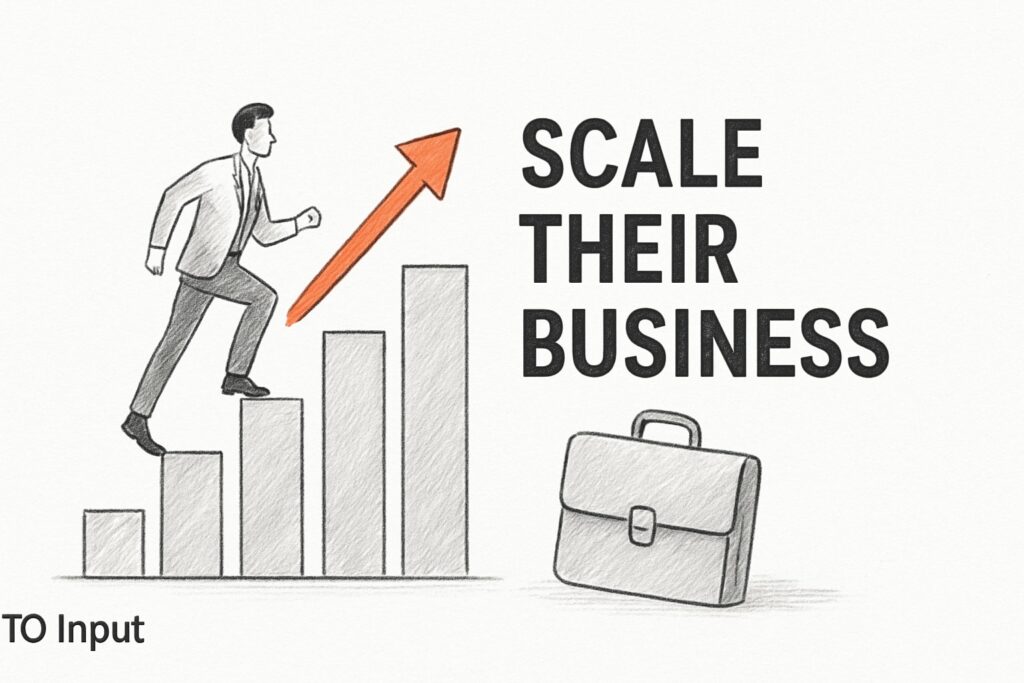
In today’s fast-paced market, organizations face relentless pressure to scale their business without sacrificing stability. Leaders often encounter obstacles like stagnant growth, operational bottlenecks, and mounting competition that threaten progress.
Unlocking sustainable growth requires more than just ambition. It demands a clear, strategic approach to scale their business and secure long-term success.
This guide provides actionable strategies to help you scale their business with confidence. You will learn how to assess your readiness, build scalable systems, leverage technology, optimize your teams, and track progress effectively.
Visit https://www.ctoinput.com to connect with our team, and explore more insights at https://blog.ctoinput.com.
Assessing Business Readiness for Scaling
Scaling is a strategic move that requires a clear understanding of where your organization stands today. Before leaders attempt to scale their business, they must conduct an honest self-assessment. This means reviewing revenue trends, customer retention rates, and operational efficiency. Identifying bottlenecks or process gaps early can prevent costly setbacks. For instance, a mid-sized company once overlooked process documentation, leading to missed deadlines and customer churn during expansion. To streamline your review, consider using the Scale-Ready Systems Checklist for a comprehensive evaluation.

Understanding Your Current Position
Evaluating your position in the market is essential before you scale their business. Start by analyzing market demand and understanding your competitors' strengths and weaknesses. A SWOT analysis can highlight opportunities and threats. According to Statista, 42% of startups fail due to a lack of market need. By using data-driven insights, organizations can make informed decisions about when and how to scale their business for maximum impact.
Market Analysis and Opportunity Sizing
Financial stability is a non-negotiable foundation for any effort to scale their business. Assess your cash flow, profit margins, and available funding. Determine if your current resources can support growth, or if you need to secure additional investment. For example, a tech startup with robust financial controls successfully expanded internationally, thanks to careful planning and sustainable investment strategies.
Financial Health Check
Setting clear, measurable goals is the final step in preparing to scale. SMART goals—Specific, Measurable, Achievable, Relevant, and Time-bound—ensure your objectives are actionable and aligned with your business vision. Use performance tracking tools and regular check-ins to maintain accountability. This approach keeps your team focused and responsive as you pursue sustainable growth.
If you are ready to take practical steps to scale their business, visit https://www.ctoinput.com to learn more and connect with a CTO Input expert.
Spend a few minutes exploring more articles on the CTO Input blog at https://blog.ctoinput.com
Building Scalable Systems and Processes
Building scalable systems and processes is at the heart of any effort to scale their business. Without robust foundations, even the most promising ventures risk stalling as demand rises. Let’s break down the essential elements that empower sustainable, strategic growth.
Standardizing Operations
To scale their business, leaders must first standardize operations. Standardization minimizes errors, boosts efficiency, and ensures consistency as teams grow. Documenting workflows and creating clear standard operating procedures (SOPs) are essential steps.
Consider the case of a logistics firm that used process mapping to identify inefficiencies. By streamlining procedures and eliminating redundancies, they significantly reduced costs and improved delivery times. For practical guidance on overcoming operational bottlenecks, see the Tech Bottleneck Breakthrough Blueprint.
Investing in Scalable Technology
Selecting the right technology is critical for those who wish to scale their business. Cloud platforms and automation tools allow organizations to adapt quickly to rising demand without massive reinvestment.
Integration best practices ensure new tools communicate seamlessly with existing systems. According to Gartner, 64 percent of businesses cite cloud computing as vital to scalability. By investing in scalable solutions, companies reduce future technical debt and position themselves for growth.
Ensuring Flexibility and Adaptability
A business must be prepared to adapt as markets evolve if they want to scale their business. Flexible, modular infrastructures allow for quick pivots and easy expansion.
Embracing agile methodologies supports rapid iteration and continuous improvement. This adaptability ensures teams can respond to customer needs and market trends without disrupting core operations.
Risk Management and Compliance
Managing risk is a cornerstone for any leader aiming to scale their business. Identifying potential threats, from regulatory changes to cybersecurity risks, is vital.
Implementing robust controls and compliance frameworks protects organizations as they grow. A retailer that proactively addressed compliance during rapid expansion avoided costly setbacks and maintained customer trust throughout their journey.
How Strategic Technology Alignment Accelerates Scaling
Aligning technology with business strategy is a game changer for scaling efforts. Fractional CTO, CIO, or CISO leadership can provide high-level guidance without the cost of full-time executives.
This approach offers organizations clarity, agility, and measurable returns on tech investments. Real-world examples show how expert tech alignment leads to faster growth and reduced risk. For tailored guidance and a discovery call, visit CTO Input.
To learn more and connect with a member of the CTO Input team, visit https://www.ctoinput.com.
Spend a few minutes exploring more articles on the CTO Input blog at https://blog.ctoinput.com
Leveraging Technology for Competitive Advantage
To scale their business effectively, leaders must harness technology as a source of sustained advantage. Today, success is no longer just about efficiency, but about using digital tools to unlock new opportunities, automate processes, and make smarter decisions. By prioritizing strategic technology investments, organizations can position themselves ahead of competitors and adapt rapidly to market changes.

Digital Transformation as a Growth Driver
Digital transformation is essential for organizations aiming to scale their business and reach new markets. By integrating digital self-service platforms and automating customer interactions, companies can boost revenue streams and enhance customer experiences.
For example, a service provider that adopted digital onboarding and support tools saw customer satisfaction soar while reducing operational costs. To dive deeper into how digital investments can drive growth, see How to Make Technology a Business Growth Lever. When leaders focus on transformation, they lay the foundation to scale their business with confidence.
Automation and Process Optimization
Automation is a critical enabler for teams that want to scale their business without increasing overhead. By automating repetitive tasks, organizations free up skilled employees to focus on value-added activities.
According to McKinsey, businesses using automation report 30 percent higher productivity. Common examples include automating invoicing, customer communications, and inventory management. With streamlined workflows, companies can scale their business efficiently while maintaining quality and speed.
Data-Driven Decision Making
Leveraging analytics is a game-changer for those looking to scale their business. Data-driven organizations use business intelligence tools and dashboards to make faster, more accurate decisions.
With real-time data, leaders can identify trends, optimize pricing, and predict customer needs. This approach minimizes guesswork and supports scalable, evidence-based growth strategies. Companies that prioritize analytics are better equipped to scale their business and outperform rivals.
Cybersecurity and Risk Mitigation
Protecting digital assets is non-negotiable as organizations scale their business. Cybersecurity must be embedded at every stage of growth to safeguard sensitive data and maintain customer trust.
The cost of a data breach can far exceed the investment in proactive security measures. By building robust security frameworks, businesses avoid costly disruptions and ensure that scaling efforts are not undermined by preventable risks.
Integration and Interoperability
Seamless integration of systems is vital to support growth and prevent data silos. Organizations should prioritize platforms that work together, allowing information to flow freely between departments and applications.
Effective interoperability maximizes efficiency, reduces redundancies, and supports a unified view of operations. As companies scale, integrated systems form the backbone of sustainable, technology-driven success.
To learn more and connect with a member of the CTO Input team, visit https://www.ctoinput.com.
Spend a few minutes exploring more articles on the CTO Input blog at https://blog.ctoinput.com
Building and Empowering High-Performance Teams
Building high-performance teams is essential for organizations aiming to scale their business. The right team, equipped with the right tools and mindset, becomes the driving force behind growth and innovation. Let’s explore the critical pillars of team empowerment for successful scaling.

Recruiting for Scalability
Attracting top talent is foundational for leaders who want to scale their business. Hiring should focus on candidates with adaptive skills, a growth mindset, and a readiness for change. Diversity in experience and perspective drives creative solutions and resilience.
Consider these recruitment strategies:
- Define clear roles aligned with scaling goals.
- Use competency-based interviews to assess adaptability.
- Build a compelling employer brand that highlights opportunity for impact.
By prioritizing these tactics, organizations lay the groundwork to scale their business more effectively.
Leadership Development and Succession Planning
Preparing future leaders is a critical step as companies scale their business. Structured leadership programs, mentorship, and succession planning ensure continuity and growth. Invest in training that develops strategic thinking, emotional intelligence, and cross-functional skills.
A strong leadership pipeline helps teams navigate growth challenges. For a deeper dive into aligning leadership and technology for breakthrough results, explore Strategic Alignment for Breakthrough Growth.
Empowered leaders are more likely to drive transformation and support efforts to scale their business.
Fostering a Culture of Innovation and Accountability
An innovative and accountable culture is a catalyst when organizations aim to scale their business. Encourage experimentation and calculated risk-taking by creating safe spaces for idea sharing. Recognize and reward high performers to reinforce desired behaviors.
Best practices include:
- Hosting regular innovation workshops.
- Implementing transparent feedback systems.
- Celebrating both wins and lessons learned.
This environment motivates teams to own results and seek creative solutions, fueling sustainable growth.
Remote and Hybrid Work Models
Flexible work arrangements now play a vital role for businesses looking to scale their business. Remote and hybrid models expand access to diverse talent pools and support work-life balance. According to Gallup, most organizations plan to retain some form of remote work, reflecting its value in attracting and retaining top talent.
Key benefits:
- Reduced overhead costs
- Increased employee satisfaction
- Broader geographic recruiting reach
By embracing these models, companies position themselves for scalable and resilient growth.
Communication and Collaboration Tools
Investing in the right communication and collaboration platforms is non-negotiable for high-performance teams. Tools that support distributed teams enhance project delivery, streamline workflows, and break down silos.
For example, a SaaS provider improved project timelines and cross-team alignment by adopting integrated chat and document sharing solutions. These platforms help ensure that, as businesses scale, their teams remain connected, agile, and focused on shared goals.
To learn more and connect with a member of the CTO Input team, visit https://www.ctoinput.com.
Spend a few minutes exploring more articles on the CTO Input blog at https://blog.ctoinput.com
Measuring, Optimizing, and Sustaining Growth
Scaling is not a one-time event but an ongoing journey. To successfully scale their business, leaders must focus on measurement, optimization, and sustainability. This means building habits of tracking, adapting, and preparing for what lies ahead.
Setting Key Performance Indicators (KPIs)
Establishing the right KPIs is foundational for any organization seeking to scale their business. Metrics such as customer acquisition cost, lifetime value, and churn rate allow leaders to monitor progress and detect early warning signs.
| KPI | What It Measures | Why It Matters |
|---|---|---|
| Customer Acquisition Cost | Efficiency of marketing | Controls growth expenses |
| Lifetime Value | Revenue per customer | Guides retention strategy |
| Churn Rate | Customer loss rate | Reveals satisfaction |
Setting SMART goals for each KPI ensures clarity and accountability. For more on optimizing these metrics, see Top Business Scaling Strategies in 2025.
Continuous Improvement Processes
Sustainable growth requires a commitment to continuous improvement. Using feedback loops and agile cycles, organizations can refine their approach and address issues as they arise.
Regular team reviews, customer surveys, and performance retrospectives help uncover new opportunities. Agile sprints create space for experimentation and quick pivots. By embedding these habits, companies can adapt faster than their competitors.
Financial Management and Resource Allocation
Effective financial management is critical as companies scale their business. Monitoring cash flow and profit margins ensures resources are available when opportunities arise.
Tools for scenario planning and forecasting allow leaders to make informed decisions about reinvestment. Allocating capital to high-return areas accelerates growth while reducing risk. Strong financial discipline is the backbone of any lasting expansion.
Customer Experience and Retention
Customer satisfaction is a key driver of sustainable growth. Subscription businesses with high retention rates grow twice as fast, according to ProfitWell. To scale their business, leaders must prioritize exceptional service, proactive support, and continuous engagement.
Enhancing the customer journey and building strategic partnerships can amplify results. Explore 10 Proven Strategies for Scaling Your Business in 2025 for actionable insights on improving customer experience and retention.
Preparing for Future Challenges
No scaling plan is complete without preparing for uncertainty. Scenario planning helps organizations anticipate market shifts and disruptions. Building resilience means creating contingency strategies, diversifying revenue streams, and maintaining operational flexibility.
Companies that regularly stress-test their plans are better equipped to weather unexpected storms and continue to scale their business, regardless of the environment.
To learn more and connect with a member of the CTO Input team, visit https://www.ctoinput.com.
Spend a few minutes exploring more articles on the CTO Input blog at https://blog.ctoinput.com.
As you reflect on where your business stands and consider the next steps for sustainable growth, remember that having a clear, actionable strategy is what truly sets successful organizations apart. You don’t have to navigate technology challenges or scaling decisions alone—we’re here to help you connect your business goals with the right solutions, so your technology becomes a true asset. If you’re ready to move from frustration to measurable results and confident, future-ready growth, let’s talk about your unique path forward. Take the first step and Schedule A Strategy Call with our experts today.