

Quarterly grant reports shouldn’t feel like rebuilding a bridge while you’re driving over it. But for many justice-focused organizations, reporting season means the same scramble every time: exports from three tools, a spreadsheet no one trusts, last-minute number changes, and a quiet fear that the story won’t hold up under questions.
A durable grant reporting system isn’t about buying one more platform. It’s about choosing one source of truth, then setting up a simple pipeline and governance so the numbers can be reproduced, explained, and defended.
This post lays out a practical setup you can build in phases, using the systems you already have.
Key takeaways (so you can act fast)
- A grant reporting system breaks when definitions and ownership are unclear, not just when tools are old.
- “One source of truth” means one governed reporting dataset, even if programs, finance, and development use different tools.
- Build a small reporting pipeline: intake, validate, standardize, publish, then lock versions per reporting period.
- Add lightweight governance: data dictionary, approvals, audit trail, access controls.
- Start with the grants that hurt most, then expand once trust is earned.
Why quarterly reporting keeps breaking (even with good people)
Most reporting chaos isn’t caused by laziness or lack of skill. It’s caused by a system that asks humans to do what systems should do: reconcile, translate, and guess.
Common break points look like this:
Different tools tell different truths. Case data lives in one system. Training attendance sits in a form tool. Development tracks funder fields in a CRM. Finance has the general ledger. None match perfectly.
Definitions drift. “Client served,” “matter opened,” “training delivered,” and “partner engaged” sound obvious until you need to count them. Then you discover each program has been counting differently for a year.
Manual steps multiply. Every copy-paste creates a chance for errors, and every spreadsheet becomes a fragile artifact that breaks when staff change.
If that sounds familiar, you’re seeing the same pattern described in common tech hurdles faced by legal nonprofits. The pain shows up in reporting, but the root cause is usually scattered data and unclear rules.
One source of truth: what it is (and what it isn’t)
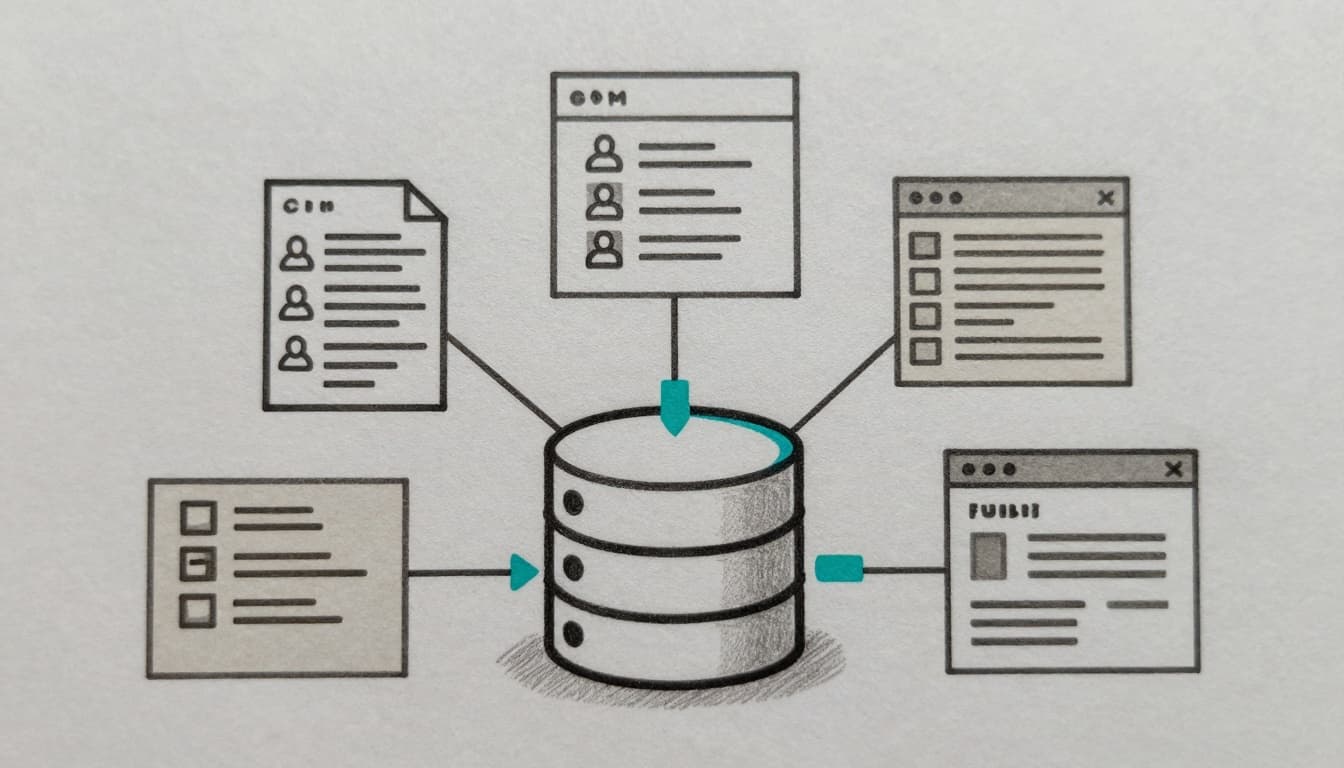
A “one source of truth” does not mean every team must work inside one giant system. That’s often unrealistic, and it can trigger a long, expensive migration that doesn’t fix reporting.
In practice, one source of truth means this:
- You have one reporting dataset that leadership agrees is the official source for grant numbers.
- That dataset is built from upstream systems (case management, CRM, finance, forms), but it applies standard definitions and rules.
- Each reporting period has a version you can reproduce later.
Think of it like a well-run kitchen. People can shop at different stores, but everything ends up labeled, dated, and stored in one pantry so dinner doesn’t depend on memory.
If you need a basic frame for what “good” looks like, this overview of what grant management software is and why it’s valuable captures the core idea: reduce admin work, improve consistency, and protect the integrity of grant processes. You can apply the same thinking even if you aren’t shopping for new software.
A practical grant reporting system architecture (tool-agnostic)
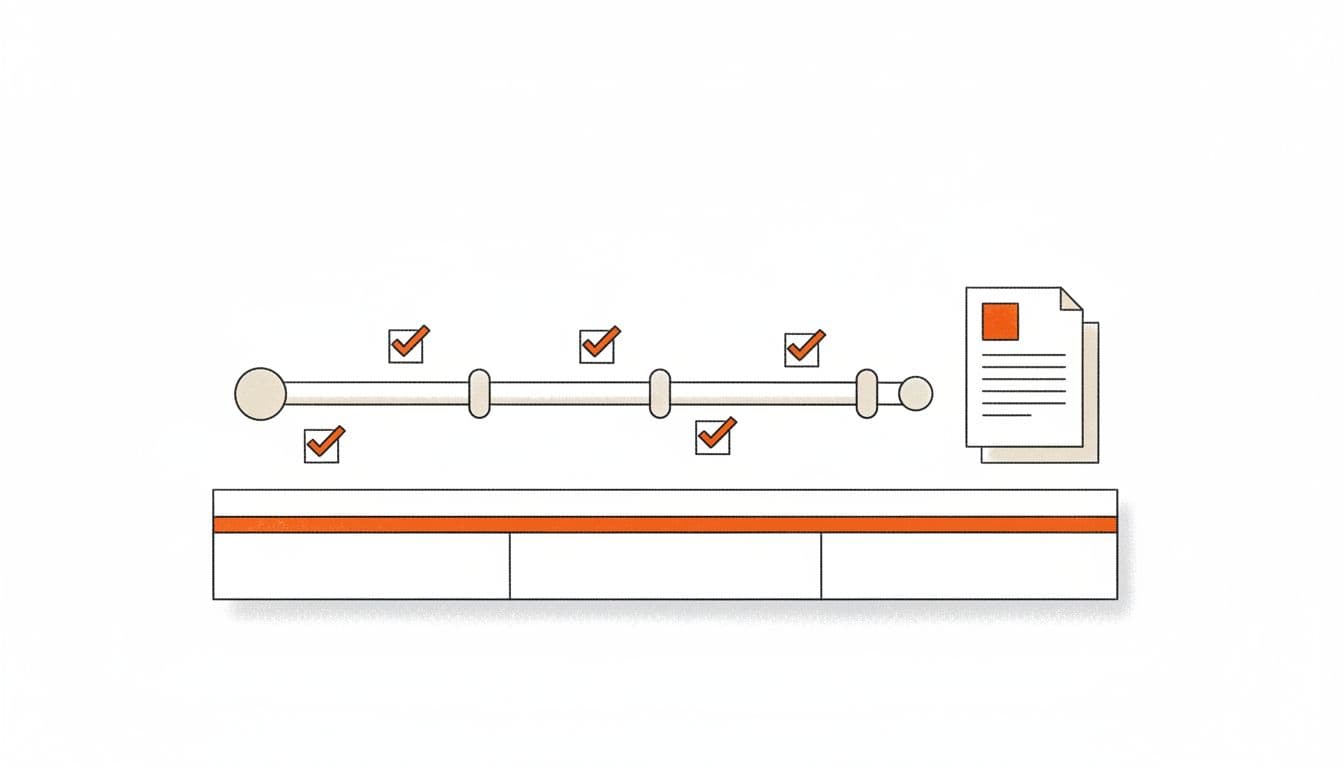
To stop the quarterly rebuild, you need a repeatable path from raw data to final report. Keep it boring. Boring is reliable.
The four layers that keep reports stable
| Layer | What it does | Who owns it |
|---|---|---|
| Source systems | Collect program, finance, and development data | Program, Finance, Development leads |
| Reporting dataset (source of truth) | Standardizes fields, applies definitions, joins sources | Ops or data owner (with Finance + Programs) |
| Validation checks | Catches missing IDs, date issues, duplicates, mismatched totals | Ops/data owner, reviewed by stakeholders |
| Reporting outputs | Dashboards, templates, narrative tables, funder formats | Development lead with program sign-off |
The non-negotiables
A shared data dictionary. One page is enough to start. Define the metrics you report most.
Stable identifiers. Every grant, program, site, and reporting period needs an ID. Without IDs, you’re counting sand.
A mapping layer for funders. Funder A wants “households,” Funder B wants “individuals,” Funder C wants “matters.” Your source of truth should map your internal metrics to each funder’s terms.
If you’re unsure how to sequence this work without overwhelming staff, anchor it to a broader plan like our approach to nonprofit technology roadmaps. Reporting fixes stick longer when they’re part of a clear order of operations.
Governance that makes numbers defensible (not just “pretty”)
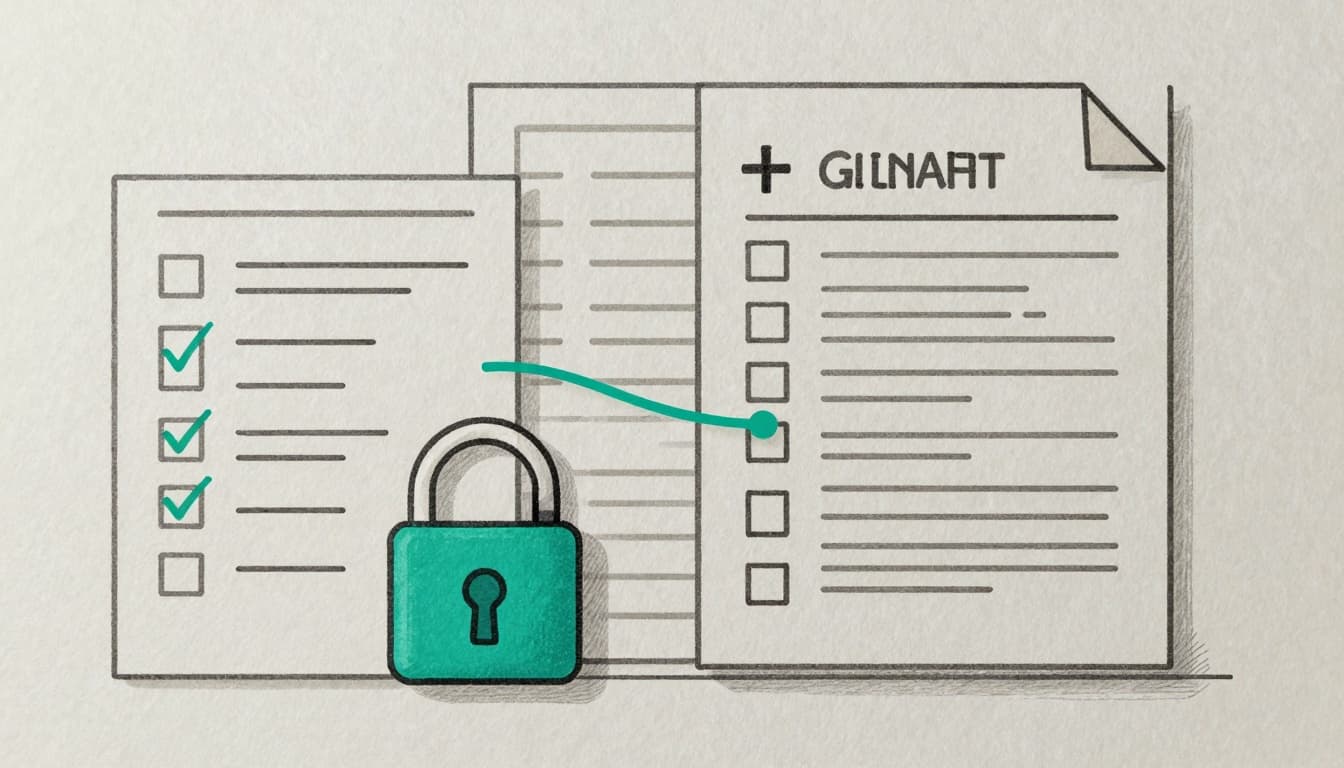
A grant reporting system is only as trustworthy as its governance. Funders don’t just want numbers, they want confidence that your numbers mean what you say they mean.
Focus on three controls:
Versioning per reporting period. When Q3 is done, lock it. If you revise later, create Q3-v2 with a reason and approval. No silent edits.
Role-based access. Not everyone should edit the source of truth. Many people should view it. A small group should change it.
Audit trail for changes. You don’t need heavy bureaucracy. You need traceability: who changed what, when, and why.
If you’re comparing software features, this list of essential grant management software features is a helpful checklist. Even if you build your pipeline with existing tools, the features are still the standard you’re aiming for.
A realistic rollout plan (30 to 90 days)
You don’t need to fix every report. Start where the pain is loudest.
Days 1 to 30: Stabilize one report
- Pick one high-stakes grant.
- Document definitions for 8 to 12 key fields.
- Build the first “official” dataset and reconcile it to finance totals.
Days 31 to 60: Add checks and ownership
- Add validation rules (missing dates, duplicates, totals by period).
- Assign owners for each metric (program owns service counts, finance owns expense categories).
- Create a repeatable close process for each quarter.
Days 61 to 90: Expand without chaos
- Add the next two grants with similar metrics.
- Build funder-specific mapping tables.
- Publish a simple dashboard and a reporting template staff can run.
If you want to see what outcomes can look like after reporting and systems work is grounded and staged, review success stories of nonprofit tech modernization.
FAQs: one source of truth for grant reporting
Do we need a new platform to create one source of truth?
No. Many organizations start by formalizing a reporting dataset and governance using existing systems, plus light automation. New software can help later, once definitions and ownership are clear.
Who should own the grant reporting system?
Usually operations or a data lead owns the reporting dataset, with shared accountability: programs own service metrics, finance owns financial categories, development owns funder mappings and submission formats.
What if program numbers don’t match finance records?
That’s common. The fix is agreeing on reconciliation rules (timing, allocations, categories), then documenting them so the same question doesn’t return every quarter.
How do we handle sensitive client data in reporting?
Minimize what flows into reporting. Use aggregation, limit access, and keep an audit trail. Privacy and security should be built into the pipeline, not added after.
How do we stop “shadow spreadsheets” from coming back?
Make the official dataset easier to use than the workaround. If staff can get answers quickly, with fewer steps, they’ll stop rebuilding their own side systems.
How CTO Input can help (and what to do next)
A grant reporting system that doesn’t break is part data work, part governance, and part calm leadership. CTO Input helps teams turn reporting from a recurring fire drill into a routine by clarifying definitions, designing the source of truth, tightening security, and creating a reporting rhythm staff can own.
If you’re ready to stop rebuilding the same report every quarter, challenge your team to pick one high-stakes grant and commit to making it reproducible within 60 days. Then get support that matches the stakes.
- Learn more about CTO Input at https://www.ctoinput.com
- Explore more practical guidance at https://blog.ctoinput.com
- If you want to talk through your current setup, book time here: https://ctoinput.com/schedule-a-call