
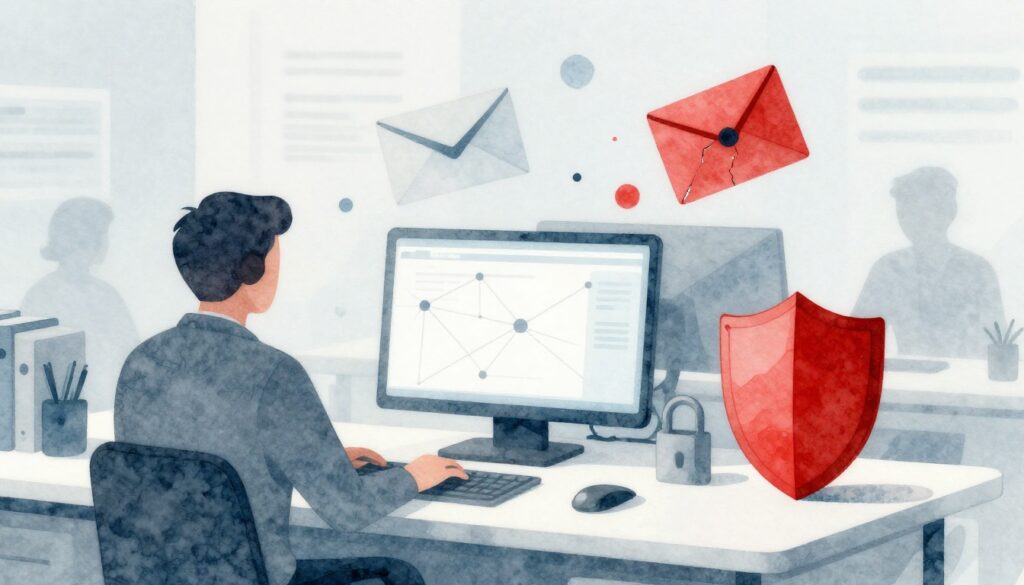
You probably do not need another scary story about a giant breach. What you need is a clear view of the most common cyber threats businesses face, because most damage does not start with some movie-style hack. It starts with a stolen login, a fake invoice, a rushed click, a weak password, or a vendor who had more access than anyone realized.
That is why cyber risk is not only about tools. It is about visibility, ownership, and the habits that shape daily work. If you can see where the weak points are, you can cut a lot of risk before it turns into a business problem.
Key takeaways if you need the short version
- Most attacks aim for the easiest path, not the biggest target.
- Email scams, password theft, ransomware, malware, and vendor exposure show up again and again.
- People and process gaps usually make the threat worse.
- Better ownership and cleaner reporting matter as much as security software.
- You do not need perfect security. You need clearer control over the places risk enters.
Why cyber threats keep showing up in ordinary business moments
Cyber threats usually show up where your business already works every day, email, file sharing, remote access, payment systems, customer records, and vendor portals. That is the point. Attackers do not need to break into your whole company if they can slip in through one trusted path.
Growth makes this messier. More systems get added. More vendors come in. More people need access. Before long, no one has a clean view of what is connected to what, or who is actually responsible when something goes wrong. That is where strong reporting and clear decision rights matter. If your business has technical people but no executive-level control, the risks can hide in plain sight.
Why small mistakes can turn into big losses
One weak password is not “just” a weak password. It can become a bad day, then a bad week. One rushed click can expose inboxes, money, files, or customer data. One vendor request that no one double-checks can redirect a payment or open a new door.
These problems are not dramatic at first. That is what makes them dangerous. They feel like small mistakes until they turn into downtime, lost money, angry customers, or a board meeting nobody wants.
Why attackers go after the easiest path
Criminals usually follow convenience. If they can steal a password, they will. If they can trick someone into approving a transfer, they will. If they can get in through an old system or a vendor account, they do not need to work harder.
If you block the easy path, you block a lot of the damage.
That is why the basics still matter. Clean access. Clear ownership. Fewer loose ends. Less guesswork.
The most common cyber threats your business is likely to face
The threats that hit businesses most often are not always the most technical. They are the ones that exploit trust, rushed work, and weak control. Many companies face more than one at the same time.
Phishing and email scams that trick people into handing over access
Phishing is fake email, text, or message content designed to make someone hand over money, credentials, or sensitive information. Business email compromise is a more focused version of the same trick. Someone pretends to be a leader, a vendor, or a customer and pushes for a payment or login.
Invoice fraud is common too. A real vendor gets impersonated, then the payment instructions change. Account takeover is another version. Once the attacker has a login, they can send more believable messages from inside a real inbox.

The risk here is not only technology. It is trust. If your team is trained to move fast and respond quickly, a convincing message can slip through before anyone slows down to verify it.
Ransomware that locks files and disrupts operations
Ransomware is malware that blocks access to files or systems until someone pays. The price is not only the ransom demand. The bigger cost is lost time, interrupted work, recovery effort, and the pressure that follows when people cannot do their jobs.
A ransomware event can stop scheduling, finance, billing, service delivery, or internal reporting. It can also expose how weak your backups really are. If you have backups but never test them, that is not much comfort when you need them.
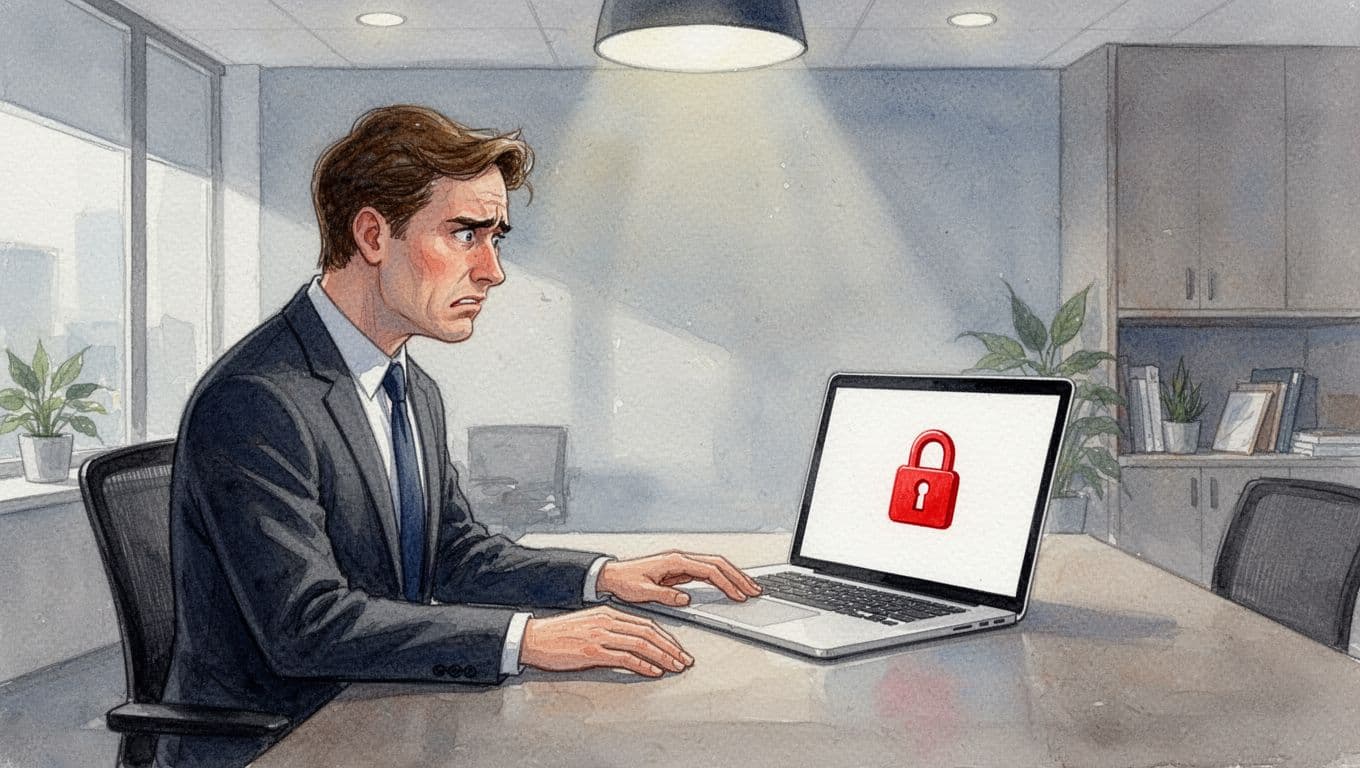
Access control matters here. So does planning. If a single compromised account can move too far too fast, the blast radius gets bigger than it should.
Stolen passwords and weak login security
This is still one of the easiest ways in. People reuse passwords. They save them in unsafe ways. They fall for fake login pages. They skip multi-factor authentication because it feels annoying.
Once an attacker gets a valid login, they often do not look suspicious. They blend in. They read mail. They watch patterns. They wait. That is why stolen credentials are such a common problem. They look like normal access until they do damage.
This is also one of the most preventable risks. Strong password habits and multi-factor authentication do not solve everything, but they close a door that attackers use all the time.
Malware and infected devices that spread through the business
Malware is harmful software. It can spy, steal, disrupt, or open a backdoor for more attacks. That includes spyware, trojans, and other tools that hide inside downloads, attachments, or infected devices.
A single laptop can become a problem if it is poorly managed and connected to the rest of your environment. A fake file can move through a shared drive. A bad download can land on a device used for customer or financial work.
The business impact is usually bigger than people expect. One infected device can lead to wider cleanup, missing data, and a lot of lost confidence.
Third-party and vendor risk that enters through trusted partners
Your vendors, software providers, contractors, and managed service providers can all create exposure. If their controls are weak, your business may inherit the problem. If they have too much access, one mistake can spread faster.
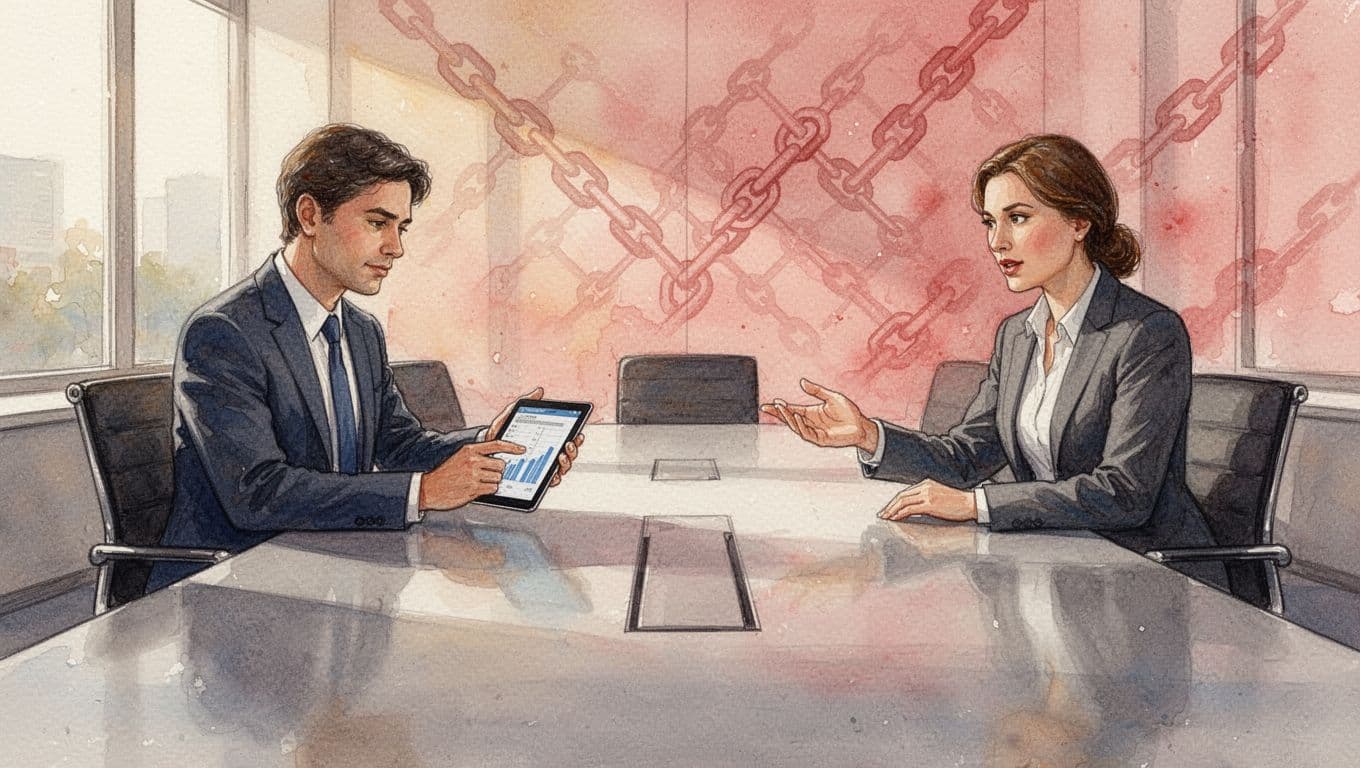
This is where many businesses get too comfortable. A trusted partner feels safe, so oversight gets light. Then a payment path, login, or data feed gets exposed. If vendor review is loose, board-level technology risk oversight starts to matter fast.
How these threats usually get in through your people and processes
The pattern is often simple. A person is busy. A process is vague. A control is missing. The attack does not need to be clever if the door is already open.
If your team is carrying too much without clear ownership, fractional CTO services can help leadership sort out who owns what, what needs tighter control, and where the risk sits.
Phishing clicks and rushed decisions
Urgency is a weapon. A fake invoice says it is overdue. A message looks like it came from a leader. A text says an account will be locked unless someone acts now.
Training helps, but training alone is not enough. You also need a process for checks, approvals, and second looks when money or access is involved. If there is no pause point, people will move at the speed of the message.
Unpatched systems, old software, and tool sprawl
Outdated systems create openings. So does having too many tools that no one fully tracks. More software does not automatically mean more safety. Sometimes it means more blind spots.
That is one reason tool sprawl is a governance problem. If nobody knows which tools are still active, who owns them, or what data they touch, you have more risk than visibility.
Weak access control and unclear ownership
If too many people have too much access, risk rises. If no one knows who owns a system, risk rises too. That is where leadership matters. Not just IT leadership, but business leadership.
You need to know who can approve access, who reviews it, who removes it, and who is on point when something looks wrong. If that answer is fuzzy, your cyber posture is fuzzy too. If that is the kind of issue you are sorting through now, Get an Executive Technology Clarity Check.
What these threats can cost your business if you ignore them
The cost is not only technical cleanup. It is missed work, lost confidence, and decision drag. Once a cyber issue gets into operations, it becomes a business problem fast.
Lost time, delayed work, and higher costs
Even a small incident can force your team into manual work. People stop using the normal process and start improvising. That slows projects, delays service, and burns staff time.
The real cost is not only recovery. It is the time you lose while everyone tries to keep the business moving.
Damage to trust, reputation, and confidence
Customers notice when things break. So do partners, boards, and employees. They may not know the technical details, but they do know when confidence drops.
Trust is slow to build and fast to damage. If your business looks shaky on security, people start asking what else is shaky.
Board, compliance, and legal pressure
When cyber risk stays unclear, reporting gets weaker too. Boards need a clean view of what happened, what is exposed, and what leaders are doing next. If you want a more useful view of that, board-level technology risk oversight is a better place to start than another stack of disconnected reports.
Legal and compliance pressure can follow a security event, but the bigger issue is defensibility. Can you show that you knew the risk, named the owner, and acted in time?
How to lower your risk without making the business harder to run
You do not need a giant security program to make progress. You need a few controls that cover the biggest openings and a leadership habit that keeps risk visible.
Start with the basics that block the most common attacks
Multi-factor authentication should be standard on important accounts. Password reuse should be reduced. Systems should be updated on a schedule, not whenever someone remembers. Email filtering should be tuned. Backups should be tested, not assumed.
Employee awareness matters too. Not because people are the problem, but because people are often the entry point. You want your team to slow down when a message asks for money, data, or access.
Know who owns what, and review it often
This is where many companies slip. They have controls, but no real ownership. They have tools, but no clear decision rights. They have vendors, but weak review.
Make the owner visible for each critical system, vendor, and risk. Review it regularly. Ask what changed. Ask what is exposed. Ask what would break if that system went down tomorrow.
Get a clearer view of risk before the next issue hits
Risk gets easier to manage when you can see it early. That is a leadership habit, not a one-time project. Your reporting should help you act before the incident, not after.
If your current view is vague, scattered, or too technical to use, start there. The point is not to buy more noise. The point is to make better decisions with less friction.
Conclusion
The most common cyber threats businesses face are usually not mysterious. They come through email, passwords, devices, vendors, and weak oversight. That is why the fix is rarely one big tool.
You reduce risk fastest when you tighten access, clean up ownership, and make reporting easier to trust. Do that, and the business gets calmer, not more complicated.
The goal is not perfect security. It is clearer control over the places risk enters, so the next problem does not become a bigger one than it needs to be.