
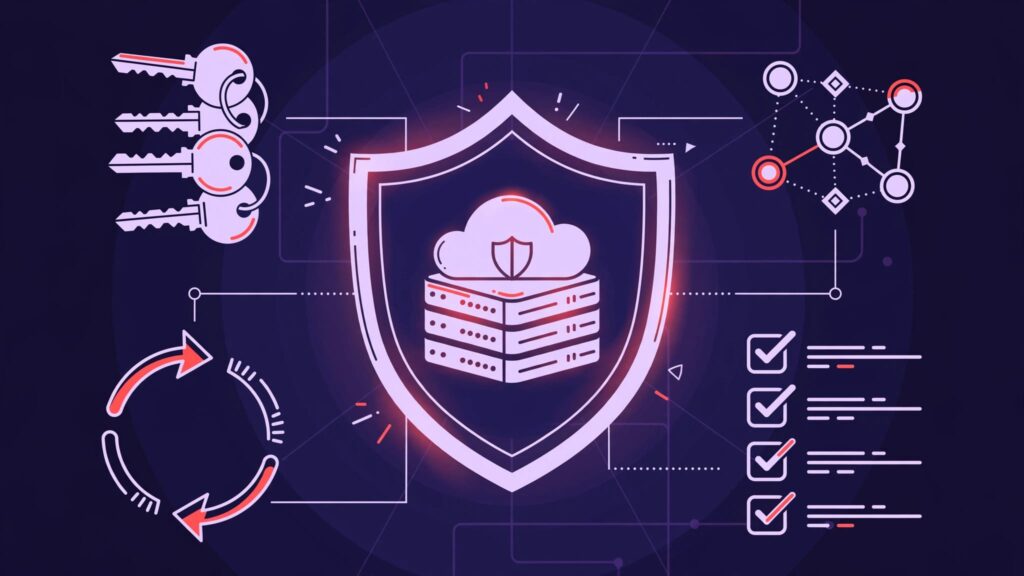
Before you raise a Series B, investors don’t expect perfect security. They do expect clear ownership, repeatable controls, recent evidence, and a credible plan for remaining gaps.
The SaaS company security requirements for investors are no longer a side conversation. SaaS compliance affects enterprise sales, customer trust, diligence speed, valuation, and operational scalability. A weak answer can slow a deal. A clear answer can show that leadership understands what protects revenue, customer data, and operations.
The work is practical, but expectations vary by customer profile, data sensitivity, industry, and jurisdiction. SaaS compliance may include SOC 2, penetration testing, access controls, vendor oversight, recovery planning, and AI governance. These practices provide evidence of the company’s security posture and show how leadership prioritizes risk management for customer information, including data protection, data privacy, and applicable regulatory compliance.
Key Takeaways: What Investors Expect Before Your Series B
- Investors commonly expect soc 2 compliance before Series B, or a clearly active saas compliance path with working controls, named owners, and an audit timeline.
- Security certifications can support saas compliance and enterprise customer requirements, but SOC 2 and ISO 27001 aren’t interchangeable. An audit report or certification also doesn’t prove every control works effectively.
- You should have a current independent penetration test, documented vulnerability management, and evidence that critical findings were addressed.
- Strong access controls include multi-factor authentication, least privilege, role-based access, production approvals, regular reviews, and timely offboarding.
- Privacy documentation should address data protection, GDPR and CCPA obligations, data flows, retention, customer rights, and processor agreements.
- Maintain visible, current vendor oversight, a tested incident response plan, disaster recovery procedures, and business continuity planning.
- If you use AI, document approved tools, data rules, accountable owners, vendor reviews, and an AI acceptable use policy.
For saas compliance, evidence and accountable owners matter more than polished policies. A policy nobody follows won’t calm investor concerns.
Security Maturity Protects the Business Story
Security diligence is not separate from your operating story. Investors assess saas compliance alongside ARR or MRR quality, retention, uptime, and enterprise growth.
They’re underwriting your security posture as part of the broader business. They’ll examine customer information, data protection, data privacy, support load, technical debt, and vendor dependencies. A customer-facing outage, privacy failure, or poorly managed vendor can put those numbers under pressure. Strong risk management helps you prioritize exposure by business impact.
The central questions are direct:
What could go wrong, how quickly would you know, who would act, and what would recovery cost the business?
A good answer doesn’t claim that nothing can happen. It shows that your cybersecurity framework can identify, respond to, and recover from risk. It also demonstrates how management will maintain saas compliance consistently as the company grows.
What SaaS Company Security Requirements for Investors Look Like Before Series B
Investor-ready security is an operating model that protects customer data, production systems, IT infrastructure, revenue, and business continuity. It should support saas compliance through consistent daily practices, not just a collection of security tools.
Requirements vary by customers, regulated data, geography, and contractual commitments. They also depend on your market and regulatory exposure. A technical security assessment often reviews these areas as part of wider technical diligence. Strong saas compliance helps investors understand how security supports the business story.
SOC 2 and ISO 27001 Show Repeatable Security Practices
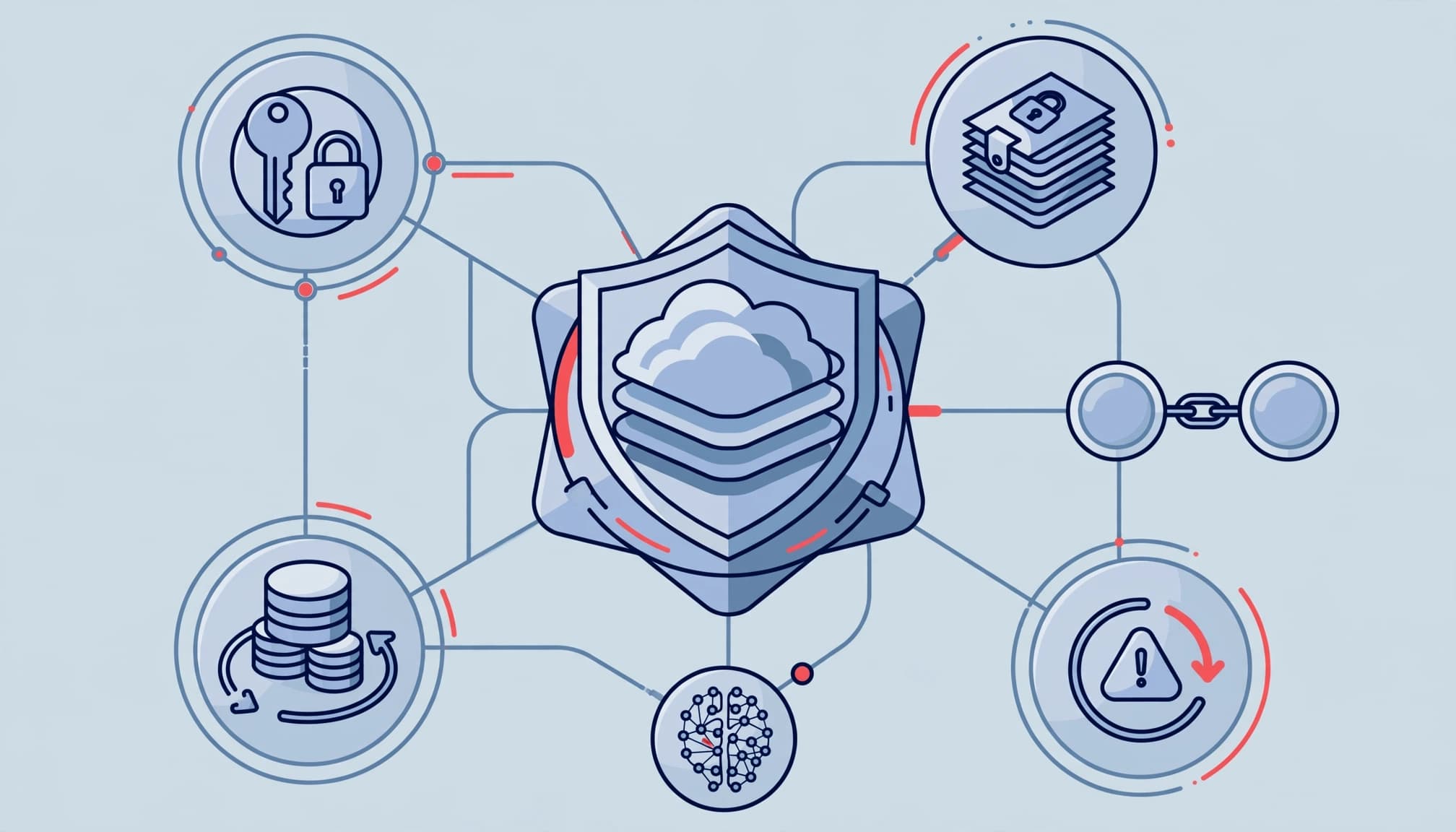
Security certifications can support saas compliance when enterprise sales are part of the plan. SOC 2 Type II is a common benchmark because it evaluates whether controls operated over a period of time. Strong SOC 2 compliance requires evidence across areas such as security, availability, confidentiality, processing integrity, and privacy.
An ISO 27001 program addresses an information security management system and its risk-management process. Unlike SOC 2 compliance, ISO 27001 focuses on how the organization identifies, treats, and monitors information security risks. These security certifications are useful, but they aren’t interchangeable.
SOC 2, ISO 27001, HIPAA, PCI DSS, and privacy laws address different scopes. For saas compliance, explain which obligations apply to your product, customers, data, and operating environment.
If you are not finished, don’t pretend you are. Show the audit timeline, controls already operating, evidence collected, and the executive responsible for the program. Neither certification replaces effective access reviews, remediation, governance, or customer-specific obligations.
A Recent Penetration Test Is Only the Starting Point
Investors commonly expect independent penetration testing completed within the past 12 months. That’s a practical benchmark, not a universal legal rule. The scope should fit your real exposure, including web applications, APIs, cloud configuration, identity systems, integrations, tenant isolation, and relevant IT infrastructure.
Keep the report, remediation log, and proof that critical and high findings were closed. Every material issue needs an owner and target date. This evidence supports saas compliance and demonstrates practical data protection.
A single test isn’t vulnerability management. You also need regular scanning, patching, prioritization, exception approval, and escalation when overdue issues create a business risk. Cloud security reviews and continuous monitoring help identify changes between formal tests.
Access Control and Privacy Must Work in Practice
Access controls are simple to describe and hard to fake. Require a second authentication factor, least privilege, role-based access control, privileged-account reviews, production approval, and service-account governance. Joiner, mover, and leaver procedures should support timely offboarding.
Your access controls should also cover approval records, periodic reviews, and emergency access. These practices strengthen saas compliance when they operate consistently rather than only during an audit. Keep a clear record of who can reach production systems and why.
You should be able to explain how customer data is separated and where it moves through your systems. Data privacy requires inventories, documented collection and processing purposes, data flows, retention, deletion, encryption, customer access, and tenant separation.
For saas compliance, document GDPR compliance roles, data-subject rights, records, subprocessors, and international transfers. Your GDPR compliance evidence should match actual processing activities, while a third review of GDPR compliance can confirm that contracts and workflows align.
The California Consumer Privacy Act, often called the CCPA, may apply depending on your role, thresholds, data practices, and contracts. HIPAA compliance is conditional when the company handles protected health information for covered entities or business associates. PCI DSS applies when your product or environment stores, processes, transmits, or materially supports payment-card data. Otherwise, PCI DSS responsibilities may belong to a payment processor or customer.
Investors may request policies, access-review records, processor agreements, data-flow diagrams, and remediation logs. Your access controls and written procedures should match the daily operating reality.
Build the Security Evidence Pack Investors Can Trust
Missing evidence can worry investors as much as a known gap. It can suggest weak ownership, poor follow-through, or a company that cannot see its own risk clearly.
Build a secure diligence folder before fundraising starts. Treat saas compliance as an evidence program, not a collection of policies. Include an executive risk summary, system and data inventories, security certifications or audit reports, policies, control owners, exception logs, remediation evidence, customer commitments, and material contracts. Document data protection responsibilities and review data privacy practices across the business.
A current privacy policy should be one item to validate against actual data practices. It cannot substitute for operational evidence. A strong saas compliance folder should show what happens in practice, who owns each control, and how gaps are tracked to closure. A board-ready cybersecurity reporting template can help you present risk in business terms rather than handing over a pile of technical documents.
Document Incident Response, Recovery, and Business Continuity
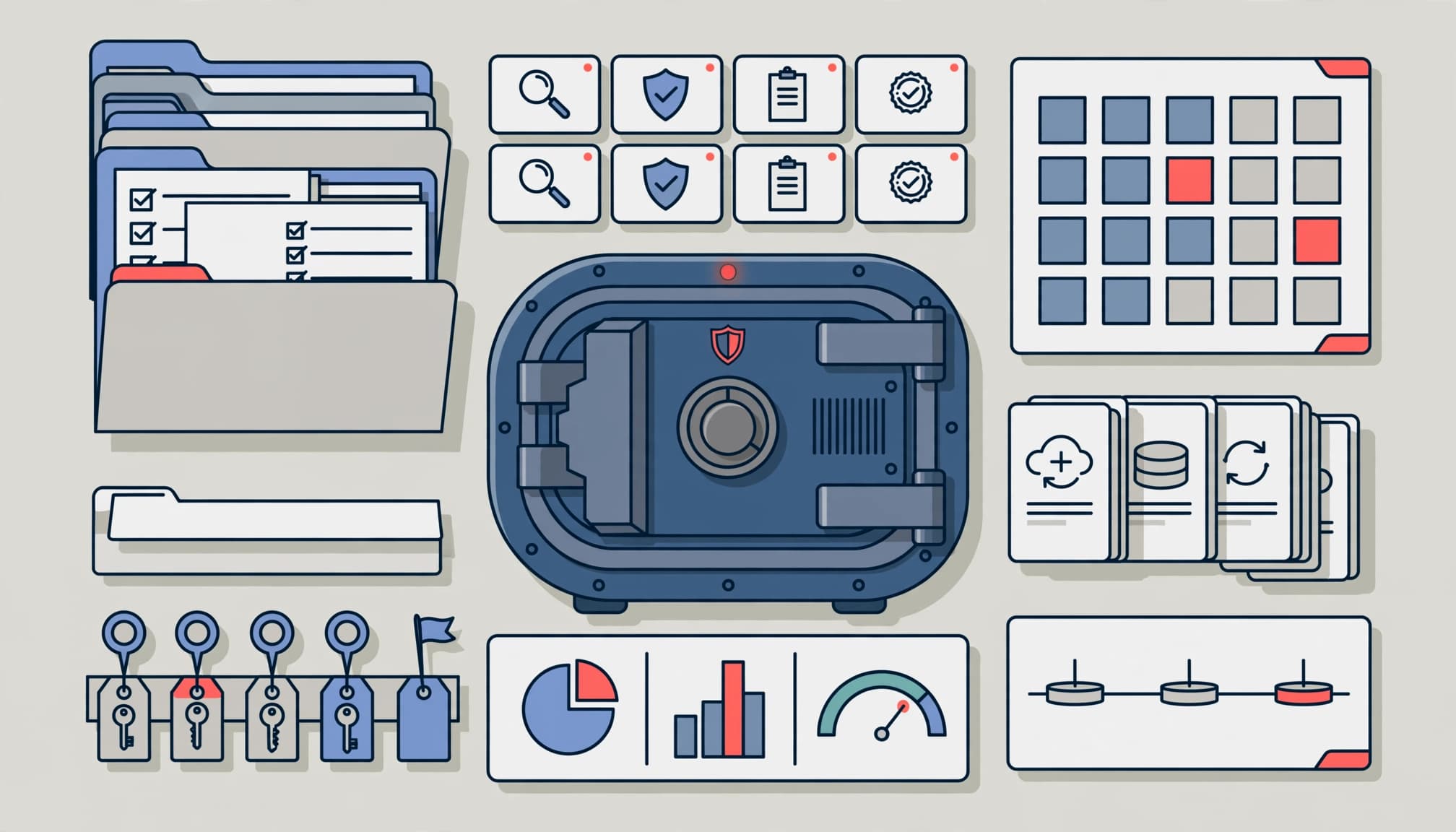
Your incident response plan should define severity criteria, escalation paths, forensic preservation, counsel involvement, customer and regulator notification decisions, and communications approval. It should also identify who can isolate systems and protect evidence during a data breach.
Show how saas compliance supports backup isolation, restore testing, recovery time objectives, recovery point objectives, and post-incident remediation. Continuous monitoring should help identify abnormal activity before it becomes a serious outage.
Then test it. A tabletop exercise and restore test are evidence of operating readiness, not merely documentation in a shared drive. Show backup frequency, test results, uptime history, and disaster recovery procedures. Investors want to understand how you would keep serving customers, processing payments, and protecting cash flow during a serious outage.
Prove You Control Vendors and Third-Party Data Access
Maintain a current inventory of third-party vendors showing the business owner, data handled, production access, hosting location, security review, contract and data-processing terms, renewal date, incident obligations, subcontractors, and exit plan. Pay close attention to cloud hosting, identity, payments, customer support, analytics, and core operational platforms.
Vendor risk management continues after onboarding. It should cover material changes, open reviews, data privacy obligations, gdpr compliance, and a documented vendor incident process. For payment providers, confirm pci dss responsibilities contractually rather than assuming the provider covers every obligation.
Include vendor offboarding in your saas compliance evidence. Former providers should lose credentials and active integrations, while customer data is deleted or returned according to contract. Track these actions as part of saas compliance, and maintain a clear exit plan for material providers. Good third-party risk reporting gives leadership a current view instead of a neglected spreadsheet.
Add AI Governance If Your Product or Team Uses AI
AI governance now belongs in security diligence when you use internal AI tools, embedded features, agents, or external models. Maintain an inventory of approved tools and use cases. Capture the owner, data types, integrations, vendor, risk level, review date, and data privacy impact.
Your AI acceptable use policy should prohibit personal data, customer secrets, regulated information, and source code from entering unapproved tools. AI governance should also address data protection, gdpr compliance, and hipaa compliance where protected health information is involved. These requirements should align with customer contracts and applicable regulatory requirements.
Document human review, logging, monitoring, model and vendor changes, incident reporting, and ownership. Use access controls to limit sensitive prompts, outputs, and integrations. Also inventory AI-related intellectual-property rights, training-data permissions, model terms, proprietary-code exposure, and open-source software or model-license obligations.
Responsible AI is not broad language about ethics. It is practical saas compliance with clear data boundaries, accountable owners, and evidence that controls operate as designed. It should show how your team handles changes, investigations, and customer commitments.
Turn Security Gaps Into a Credible Series B Readiness Plan
You don’t need to fix everything at once. Use risk management to separate urgent deal blockers from longer-term improvements. Connect each issue to customer impact, downtime, legal exposure, or valuation risk.
Build a 90-day technology plan for immediate control gaps and saas compliance priorities. Follow it with a 12-month technology roadmap that names milestones, owners, budgets, dependencies, and proof of completion. A security assessment can provide a cleaner starting point, while security certifications may support enterprise sales and investor confidence.
Plan for the full cost of execution. A focused gap assessment and remediation effort often costs tens of thousands of dollars. A broader program involving SOC 2 readiness, enterprise tooling, independent testing, regulated data, or major infrastructure remediation can reach the low six figures or more. These are planning ranges, not quotes, and internal engineering, legal, privacy, IT, and executive time add resource costs. Budget for a named owner, outside testing, policy and control work, remediation, audit or certification fees, and recurring monitoring.
For financing, strategic investment, or acquisition diligence, document open issues early. Representations and warranties address historical facts and disclosure accuracy. Covenants require ongoing conduct or remediation, while closing conditions must be satisfied before closing. Open security, privacy, intellectual property, open-source, AI, cloud, or regulatory issues may belong in disclosure schedules rather than behind a roadmap. Indemnification, survival periods, escrow, and representations-and-warranties insurance (RWI) may be negotiated based on the risk’s nature, materiality, and insurability. Requirements vary by deal structure, governing law, and jurisdiction, so counsel should determine the final drafting.
If the risk picture is unclear, Get an Executive Technology Clarity Check to identify the issues that need attention first.
Close the Technology Leadership Gap Before Diligence Starts
A named executive owner matters, even when you have strong engineers, an IT provider, or a security consultant. Help desk support and managed IT work aren’t the same as executive technology leadership, particularly when saas compliance decisions affect growth.
A fractional CTO, interim CTO, fractional CIO, virtual CISO, or fractional CISO can help set priorities, clarify decision rights, and translate technical risk into business terms. The right model depends on the pressure you’re under.
fractional CTO services can provide senior ownership before a full-time hire. That support should strengthen internal accountability and saas compliance, not replace it. Assign clear owners for material providers through vendor risk management, and address shadow IT before it creates untracked data flows.
Give Investors Clear Security Metrics and Risk Reporting
Avoid crowded technology dashboards. Report a small set of useful measures for saas compliance, including critical and high vulnerability aging, remediation rates, MFA coverage, access controls, data protection, privileged-access review status, vendor review coverage, uptime, recovery-test results, and continuous monitoring. Include incidents and time to contain or restore.
Some customers or contracts may also require pci dss, gdpr compliance, or hipaa compliance, depending on the data and services involved. Treat these as conditional obligations, not automatic requirements for every SaaS company.
A board-ready risk summary should show business impact, cyber risk appetite, named owners, deadlines, and decisions needed. This supports saas compliance and provides the foundation of effective technology risk oversight.
Open issues don’t automatically weaken confidence. Unexplained issues do. Clear reporting gives investors a reason to trust management’s judgment.
Security Mistakes That Slow or Weaken a Raise
The most common mistake is starting SOC 2 too late, leaving saas compliance evidence incomplete. The next is hiding unresolved findings until someone asks a better question.
Other red flags include relying on policies without evidence, skipping cloud and integration testing, and treating one late penetration test as vulnerability management. Effective vulnerability management requires recurring scanning, patching, exception tracking, and remediation verification. Displaying security certifications without understanding their scope, exceptions, coverage period, or control owners can create diligence concerns. Vendor access, shared accounts, delayed offboarding, and privileged users can expose weak access controls. Untested backups or an untested incident response plan may fail during a data breach. Failing to identify whether pci dss, gdpr compliance, or hipaa compliance applies can also signal a gap, depending on your data, role, contracts, and jurisdiction.
Tool sprawl, shadow IT, unapproved AI tools, and unmanaged SaaS applications can expose customer data and obscure ownership. Unmanaged technical debt can point to a wider technology leadership gap. So can one person being the only source of security knowledge.
Give direct answers about saas compliance gaps. Explain the business effect, remediation cost, owner, target date, and acceptance criteria through a clear risk management process. That response shows control. Vague claims that everything is secure do not.
Frequently Asked Questions
Do investors require SOC 2 before a Series B?
Not every investor requires SOC 2 before Series B, but many expect an active compliance path with working controls, named owners, and a defined audit timeline. If certification is not complete, provide evidence of operating controls, open gaps, and a credible remediation plan.
What security evidence should a SaaS company prepare for diligence?
Prepare a secure evidence folder with audit reports, penetration-test results, access reviews, vulnerability remediation, vendor assessments, incident-response and recovery tests, privacy documentation, and control ownership. Evidence should show that controls operate in practice, not just that policies exist.
How recent should a SaaS penetration test be?
Investors commonly expect an independent penetration test completed within the past 12 months. The scope should reflect your actual exposure, including applications, APIs, cloud configuration, identity systems, integrations, and tenant isolation, with proof that critical findings were addressed.
Which privacy and security regulations apply to a SaaS company?
The answer depends on your customers, data, role, contracts, and jurisdictions. GDPR, CCPA, HIPAA, and PCI DSS may apply in specific circumstances, so document data flows, processing responsibilities, customer rights, processor agreements, and the controls supporting each applicable obligation.
What should investors see if security gaps remain?
Show the business impact, risk owner, remediation cost, target date, dependencies, and acceptance criteria for each material gap. A transparent 90-day plan and 12-month roadmap usually build more confidence than unsupported claims that everything is secure.
Final Thoughts
Before Series B, your saas compliance program should show current evidence, vendor visibility, useful metrics, and tested response and recovery. Operational proof should cover access controls, data protection, and data privacy.
Security certifications are credible only when backed by evidence, including a realistic iso 27001 path rather than unsupported claims. Treat regulatory compliance as an umbrella, then assess gdpr compliance or pci dss based on your customers, data, systems, and contracts.
Security maturity is a business capability. Review your systems inventory, assign owners, and validate the saas compliance evidence pack. When investor scrutiny or a leadership change is getting closer, Prepare Technology for Diligence or Transition to organize the work.
This saas compliance discipline supports enterprise sales, diligence confidence, continuity, and valuation, not merely a pass/fail compliance exercise.