
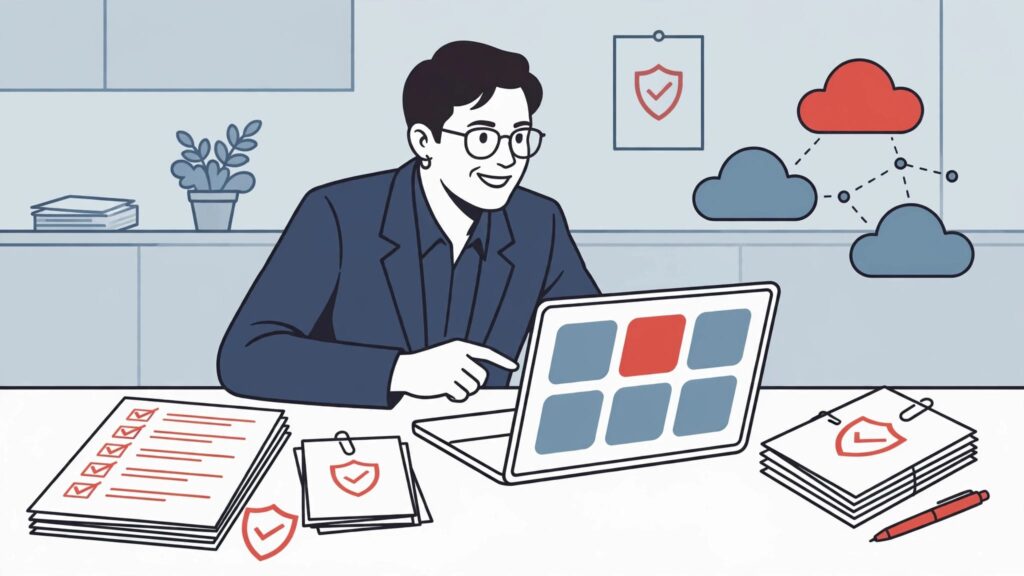
You can pay every software invoice on time and still face a licensing shortfall. A software license compliance audit checks whether your actual use matches the rights you’ve purchased.
As CEO, you need clear ownership, defensible evidence, and a response that protects operations without accepting unsupported claims.
Establishing response ownership and assembling evidence are the first steps toward audit readiness.
Key Takeaways for CEOs
- Assign one executive owner, with IT managers, finance, procurement, and counsel supporting the response.
- Reconcile license entitlements against deployment and usage, including cloud environments, contractors, and acquired businesses.
- Validate audit findings before agreeing to a settlement. Correcting today’s deployment doesn’t automatically resolve historical exposure.
- Make license compliance management part of recurring technology governance, rather than a scramble whenever a publisher asks questions.
Put One Leader in Charge
License compliance management gets harder when finance owns invoices, IT owns installations, and nobody owns the complete licensing position. Your first decision is who brings those records together.
Establish decision rights
Appoint one accountable response leader. Define who communicates with the publisher, approves disclosures, validates calculations, and authorizes spending.
Counsel should interpret contractual obligations. Finance should verify purchases and model exposure. IT managers should establish deployment and usage facts. Procurement should assemble software license agreements, amendments, and reseller records.
Put these responsibilities in a short decision rights map. Your executive technology risk management should make escalation thresholds equally clear.
Close any leadership gap
If you lack senior technology ownership, a fractional CTO or interim CTO can coordinate the response across functions. That support should strengthen internal accountability.
Executive technology leadership is useful here because the decisions cross budgets, operations, contracts, and business continuity. You still need licensing expertise and legal review. A senior title alone doesn’t establish a defensible license calculation.
Build a Defensible Software Inventory

Your inventory must connect what you own, what runs, and who uses it. An installation list answers only part of that question.
Reconcile entitlements with actual use
Gather signed agreements, order forms, amendments, purchase records, subscription assignments, renewal dates, and relevant product terms. Use them to document license entitlements.
Match these against discovered installations and software usage. Record the product, edition, version, license metric, legal entity, business owner, and unresolved differences for license tracking.
Keep supporting records accessible as part of ongoing license compliance management. A reseller invoice may confirm a purchase without establishing every deployment right.
InvGate’s software audit guidance describes the importance of reconciling entitlements against installations. Document exceptions and reviewable assumptions for internal audits. These checks may reveal gaps, including possible under-licensing.
Include environments that are easy to miss
Cover employee devices, servers, virtual machines, cloud environments, disaster recovery environments, test systems, and third-party hosting.
Include contractors and acquired entities where their use falls within the relevant agreement. For containers, record the underlying infrastructure and deployment history needed to apply the product’s actual rules.
Software asset management tools such as Flexera and ServiceNow can automate parts of discovery and tracking. Discovery tools help IT managers find deployments, but they don’t replace contract interpretation.
Ask for a coverage statement: which environments were checked, which weren’t, and what evidence remains missing.
Understand What the License Counts
Licensing duration and measurement are separate questions. Perpetual licenses generally grant ongoing use of covered software, subject to their terms. They don’t automatically include future versions or continuing support.
Subscription licenses grant rights for a defined term. Continued use depends on renewal and the applicable conditions.
Your calculation must follow the correct metric, comparing software usage with license entitlements.
| License metric | Evidence you need |
|---|---|
| Named user licenses | Assigned users, identity records, and permitted reassignment rules |
| Concurrent user licenses | Relevant simultaneous-use records and contractual measurement rules |
| Core-based licenses | Processor or virtual-core configuration and applicable counting rules |
| Consumption-based | Usage records, billing units, commitments, and agreed limits |
An unused account may still consume a named-user entitlement. A lightly used server may still require capacity-based licensing.
For Microsoft products, consult the published software licensing terms, alongside your signed agreement and applicable product terms. Don’t assume one agreement’s remedies apply to another.
Cloud and container deployments deserve extra review. IT managers can document deployment evidence, while licensing specialists and counsel interpret the applicable rules. Autoscaling, virtualization, hosting arrangements, and recovery configurations can affect calculations. Require your licensing specialist to document the applicable rule and the evidence supporting it.
Set the Software License Compliance Audit Boundaries
Vendor audits are usually contractual verification exercises. Software publishers check whether deployments and use match purchased rights.
IBM describes its software license verification process as a third-party auditor comparing deployments against entitlements. Your obligations still depend on the governing agreement.
Confirm scope before collecting data
Have counsel review the notice, audit clause, covered entities, products, review period, notice requirements, confidentiality, response deadlines, and applicable software license agreements. Counsel should assess any legal implications.
Distinguish a formal contractual audit from an optional assessment or sales-led review. The label alone doesn’t establish your obligations.
IT managers should coordinate requested technical collection with the response owner. Don’t assume every requested dataset falls within the agreed scope.
Control evidence and communications
Use one response channel and a secure evidence repository to support audit readiness and ongoing license compliance management. Preserve original exports, collection dates, source systems, assumptions, and approved submissions.
Before running scripts, review their access requirements, data collection, and operational impact. Protect personal information and confidential business data without obstructing valid contractual requirements.
Werts Legal’s audit response guidance discusses contractual scope and disclosure limits. Have your own counsel apply those considerations to your agreement and jurisdiction.
Handle a Severe Licensing Shortfall Without Losing Control
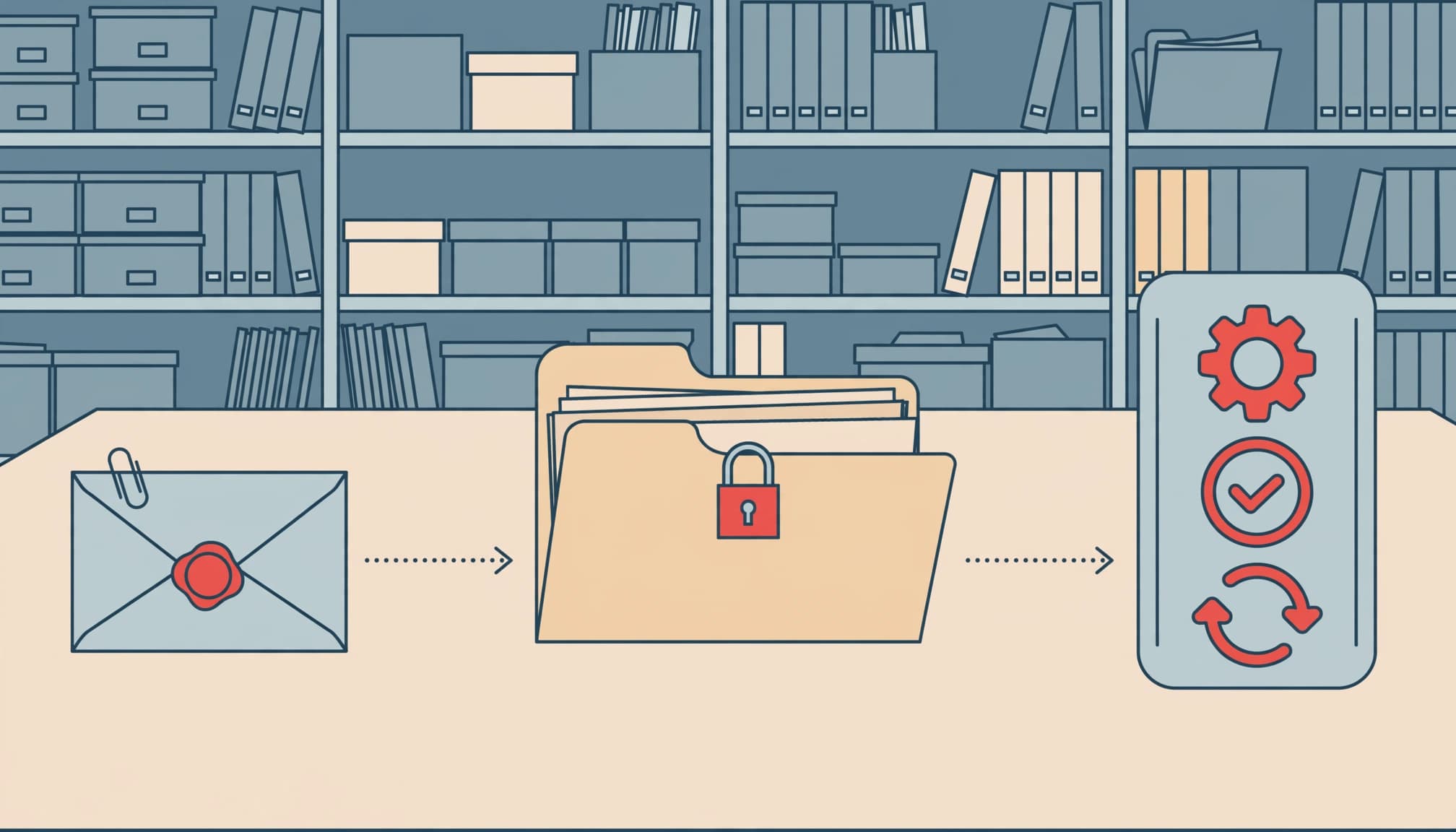
A large preliminary finding needs a controlled response. Potential exposure can include license purchases, contractual remedies, professional fees, and disruption if remediation is rushed. Depending on the agreement and facts, possible exposure may also include financial penalties or other compliance risks.
- Preserve the facts. IT managers should retain deployment history, configuration records, agreements, purchase evidence, and relevant communications. Stop avoidable expansion of the suspected issue through approved change controls. Don’t delete records or alter systems to obscure past use.
- Validate each finding. Request the product, period, population, counting rule, entitlement assumption, and calculation behind every claimed shortfall. Check verified software usage for duplicate devices, retired systems, incorrect editions, omitted purchases, unsupported interpretations, or potential under-licensing.
- Build a remediation choice. Compare purchasing rights, reducing future deployment, reassigning licenses where permitted, or replacing software. Document cost, implementation time, operational dependencies, and remaining exposure. Involve counsel before treating any option as sufficient.
- Protect service continuity. Don’t switch off a revenue-critical system to make an inventory look cleaner. Establish a lawful, contractually supported path with the necessary approvals. Coordinate changes with business continuity planning and operational owners.
- Resolve the commercial position. Separate confirmed exposure from disputed findings and optional future purchases. Have counsel review historical claims, settlement language, releases, deadlines, and remaining obligations. Obtain written confirmation of resolution.
Uninstalling software may reduce future licensing needs. It doesn’t establish that historical use was compliant or eliminate a claim.
Give every remediation action an owner, due date, and acceptance criterion. Closure requires verified evidence, rather than a purchase order alone.
Address Shadow IT and Prevent Recurrence
The audit may reveal a wider ownership problem. Untracked purchases, abandoned subscriptions, and poorly managed access make spending and risk harder to see.
Find purchases outside central IT
Compare your systems inventory with accounts payable, purchasing cards, expense claims, identity systems, and departmental records. Use discovery tools to surface gaps and maintain license tracking against confirmed owners.
Include SaaS subscriptions and unapproved AI tools. Ask business owners to confirm purpose, users, data handled, renewal dates, and contractual responsibility.
When retiring a provider, complete vendor offboarding: remove access and integrations, address data return or deletion, and document the result.
License compliance management doesn’t establish security or privacy compliance. Assess issues such as security vulnerabilities separately, based on your data, contracts, role, and jurisdiction.
Establish a repeatable operating rhythm
Create a software request and approval process as part of your compliance strategy. Require license review when infrastructure, employee counts, hosting arrangements, or corporate ownership changes.
Run periodic internal audits and reconciliations, with deeper review for complex or material products. Align checks with renewals and major technology changes.
Start with reliable records before buying another platform. Use software asset management to identify unused subscriptions and duplicate tools, but validate reassignment and termination rights before claiming savings.
Add recurring controls to your technology roadmap. Base cost optimization on confirmed usage and business value.
Give Your Board a Decision-Ready Risk View
Your board needs to understand the business consequences, confidence in the evidence, and decisions requiring approval.
Prepare a board-ready risk summary covering confirmed and disputed exposure, estimated remediation costs, and potential financial penalties. Label uncertain amounts as estimates or unresolved exposure, and include critical service dependencies, accountable owners, deadlines, and assumptions. Explain what could change the estimate.
Use board-level technology risk reporting to keep those signals consistent. Include recurring license compliance management in that view, and avoid a single compliance percentage that conceals material compliance risks or an unresolved product.
Separate licensing exposure from cybersecurity oversight. Both matter, but an audit settlement doesn’t prove access controls, recovery capability, or data protection are sound.
For acquisition readiness, retain an organized evidence package that a diligence team can trace without relying on verbal assurances. Report material gaps with funded actions and clear completion criteria, and identify cost optimization only where business value and confirmed rights support it.
Frequently Asked Questions
Can you refuse vendor audits?
Your obligations depend on the applicable software license agreements, the law, and the request. Have counsel verify the contractual basis, notice, scope, and authority. You may be able to challenge excessive requests without refusing a valid audit.
Will buying more licenses resolve the audit?
Additional licenses may address a confirmed shortfall, but purchasing alone doesn’t establish settlement of historical claims. Confirm effective dates, applicable rights, remaining obligations, and closure terms in writing.
Do you need a software asset management platform?
You need reliable inventory, entitlement records, reconciliation, and ownership. A controlled spreadsheet can support a simpler environment. Automation becomes more useful as products, infrastructure, and license metrics multiply. Assess coverage and specialist support before choosing a tool.
Prepare for the Next Leadership Conversation
A software license compliance audit is easier to manage when you can explain your rights, deployment, exposure, and response. Your immediate priority is defensible evidence backed by accountable decisions.
Ask your team for one current licensing position and a funded compliance strategy for material gaps.
If nobody can bring that picture together, Get an Executive Technology Clarity Check to clarify ownership, priorities, and the next decision.