Leadership Insights

A cybersecurity leader holds a glowing shield key amid connected servers and monitoring panels.

Your MSP Security Strategy Needs an Owner

Your managed service provider can monitor alerts, patch systems, manage backups, and respond to tickets. It still can’t decide which business risks your company is willing to accept. An MSP security strategy becomes a real security program when it aligns with your broader cybersecurity strategies. Someone on your side must own the decisions, evidence, priorities, […]

Your MSP Security Strategy Needs an Owner Read More »

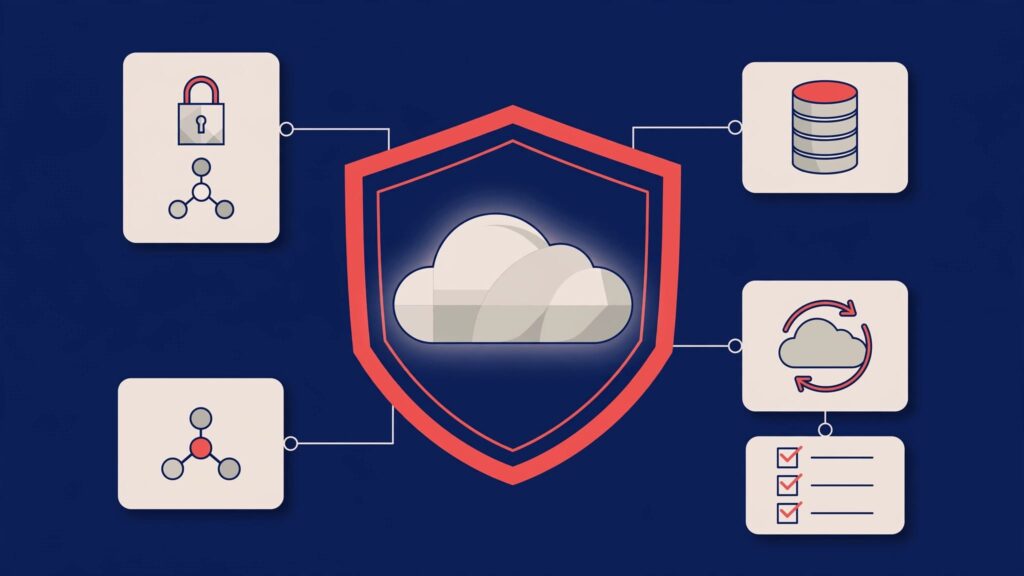
A glowing network core sits inside a red shield with blue control nodes.

How to Start an AI Governance Program in 90 Days

Your company may already be using public AI tools, embedded features, custom models, or employee-built automations without a shared policy, making generative ai governance increasingly important. That doesn’t mean your team is careless. It means enterprise ai adoption often moves faster than leadership structure. If you’re asking how to start an ai governance program, the

How to Start an AI Governance Program in 90 Days Read More »

A policy document conflicts with a network dashboard as an executive observes a red warning line.

When an Information Security Policy Becomes a Liability

A written information security policy can look like proof of control until an incident, audit, customer review, or lawsuit tests it against reality. If the document says one thing while your systems, vendors, or employees do another, the policy may give a reviewer a clear record of the gap. That doesn’t create automatic legal liability

When an Information Security Policy Becomes a Liability Read More »

Medical device and laptop linked by secure data lines around a red alert shield.

How to Respond to a Cybersecurity Deficiency Letter

An FDA cybersecurity deficiency letter is not a request for better marketing language. It means the agency cannot verify that your device, software, or postmarket process meets its cybersecurity expectations. Your response must connect each concern to a controlled change, a named owner, and objective evidence. A defensive explanation will not close the gap. A

How to Respond to a Cybersecurity Deficiency Letter Read More »

Cyber insurance folder with shield, magnifying glass, checklist, and red risk highlights.

How to Read Your Cyber Insurance Renewal Before Your Broker Does

A cyber insurance renewal can look like routine paperwork until you notice what changed. Higher premiums are only part of the story. The application may now ask whether your security controls are operating across the entire business, not whether someone bought the right tools. You should read the renewal as a review of your cybersecurity

How to Read Your Cyber Insurance Renewal Before Your Broker Does Read More »

IT specialist handing an access key and folder to an interim technology leader near a server cabinet.

IT Succession Planning When Your Only IT Person Quits

The resignation email lands, and suddenly one person is taking the company’s operating memory with them. They know the systems, vendors, admin accounts, exceptions, workarounds, and risks nobody thought to document. The role transition can expose gaps in access, knowledge, and decision ownership. That’s why IT succession planning is a business continuity issue, not an

IT Succession Planning When Your Only IT Person Quits Read More »

A balance scale compares custom code modules with connected cloud software blocks.

Build vs Buy Software: A CEO Framework for the Right Call

Most build vs buy software debates start with the wrong question: “Can we build this?” The better question is whether the capability should become part of your business, or whether you should rent it from someone else. A build vs buy software decision affects cash, speed, risk, engineering capacity, vendor dependence, and your ability to

Build vs Buy Software: A CEO Framework for the Right Call Read More »