
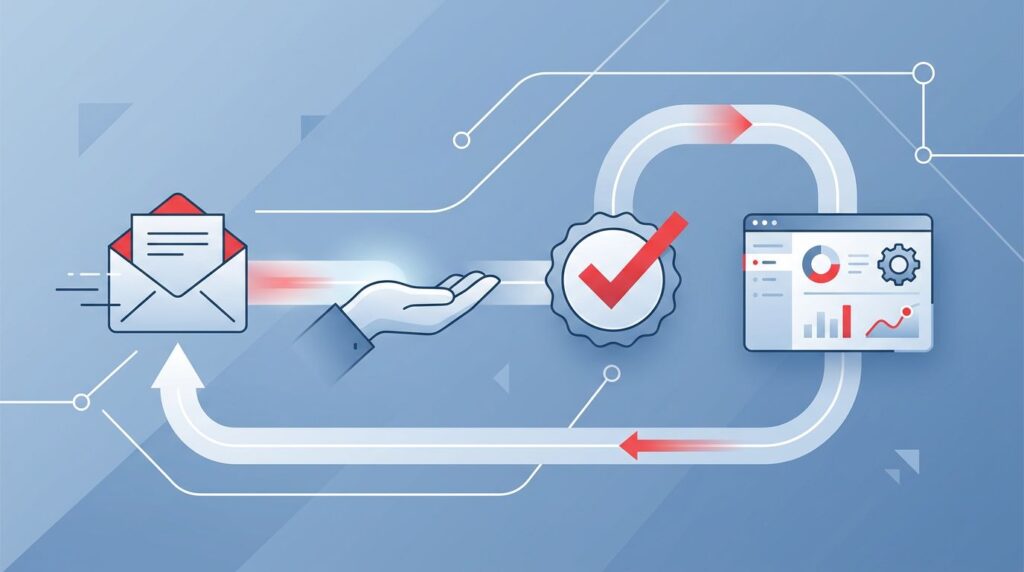
You send out referrals every day. Clients need help from partners. You log them as successes under open-loop attribution. But weeks later, you hear nothing back. Those vanity metrics look good in reports. They do not show the truth. People still fall through cracks. Funders question impact. Boards push for proof.
Closed-loop attribution changes that. You confirm what happens after the send. No more guessing. You build real visibility. This rule turns activity into outcomes you trust.
Your team deserves systems that match the mission. Read on to see how.
Key Takeaways
- Referrals count as outcomes only after partner confirmation, closed-loop attribution, and result tracking along the customer journey from intake to resolution.
- Closed-loop attribution cuts dropped cases by forcing follow-up.
- Start small: define “complete,” set cadences for real-time feedback, track in one place.
- Expect 20-30% better reporting accuracy on legal outcomes compared to sales data in first quarter.
- Use free tools like the closed-loop referral playbook to launch fast.
What Closed-Loop Attribution Means
You know the pattern. Intake logs a need at the start of the client’s customer journey. You refer to a partner clinic or funder. Email goes out. You mark it done. Silence follows. Was the client seen? Tracking in-person visits requires capturing offline interactions. Did they get aid? You cannot say.
Closed-loop attribution fixes this. It requires proof at each step. Send referral as an initial marketing touchpoint. Partner confirms receipt. They report outcome: served, waitlisted, or declined. Identity resolution ensures the client referred is the same one the partner reports on. You close the loop. Only then does it count.
This mirrors workflows in community referral systems. Nonprofits there track until resolution. Legal aid needs the same discipline.
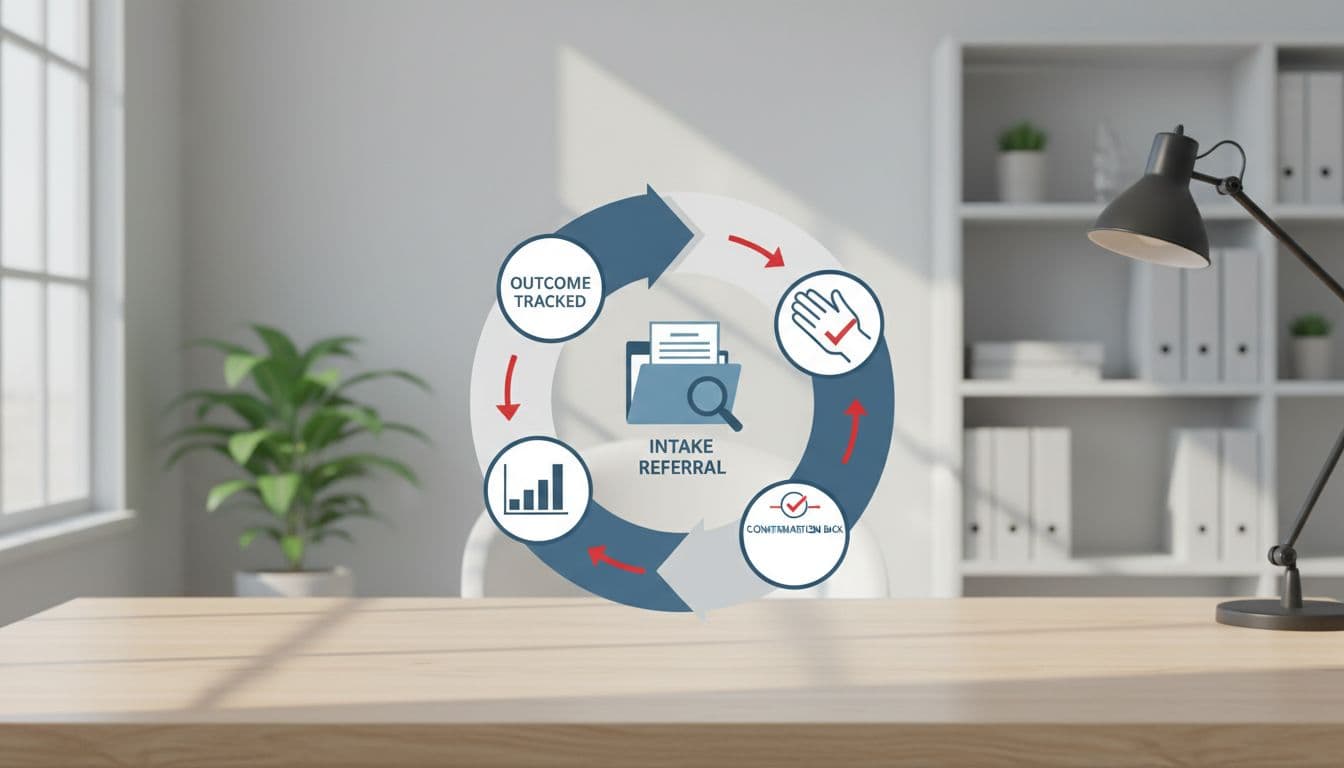
Picture that diagram on your desk. Intake starts the arrow. Confirmation bends it back. Outcome seals it. No loose ends. You gain a true picture of delivery, much like mapping a client’s buyer’s journey.
In justice work, this matters most. Clients face deadlines. One lost referral delays eviction defense. Or immigration filing. Attribution shows gaps. It guides fixes.
Why Your Current Referral Counts Fall Short
Referrals feel like wins. You acted fast. Demand stays high. But numbers mislead, much like poor revenue attribution in a business setting. Funders see volume. They miss drop-off. Boards ask for impact. You scramble with estimates from incomplete sales data.
Broken loops hide costs. Staff chase ghosts. Rework eats hours. Partners strain from bad data, signaling a lack of sales and marketing alignment. Your intake pipeline mirrors a marketing funnel full of leaks. Trust erodes. See common technology challenges for legal nonprofits. Referrals without confirmation top the list. Tracking high volumes requires multi-touch attribution if a client is sent to multiple partners.
You chase shadows now. Closed loops end that. Each referral gets a status: open, confirmed, resolved. Silence triggers action. Outcomes become defensible.
Data proves it. Organizations with loops report 25% fewer unknowns. Grants renew easier. Staff focus shifts to clients, not cleanup.
Benefits for Legal Nonprofits
You lead under pressure. Growth strains intake. Privacy rules tighten. Funders demand metrics. Closed-loop attribution delivers calm control.
First, visibility rises for data-driven decisions. You see stuck referrals weekly. Triage them before crisis. Boards get straight answers.
Second, outcomes improve. Confirmed loops mean faster aid. Clients stay connected. Partners collaborate better.
Third, reporting strengthens. No more “we sent 200.” Say “150 confirmed, 120 resolved,” enabling improved budget allocation and higher conversion rates for service delivery. Use the intake-to-outcome clarity checklist to baseline now.
Fiscal wins follow. Less rework saves staff time. Grants favor proven impact, just like marketing ROI and return on ad spend. Risk drops as data stays contained.
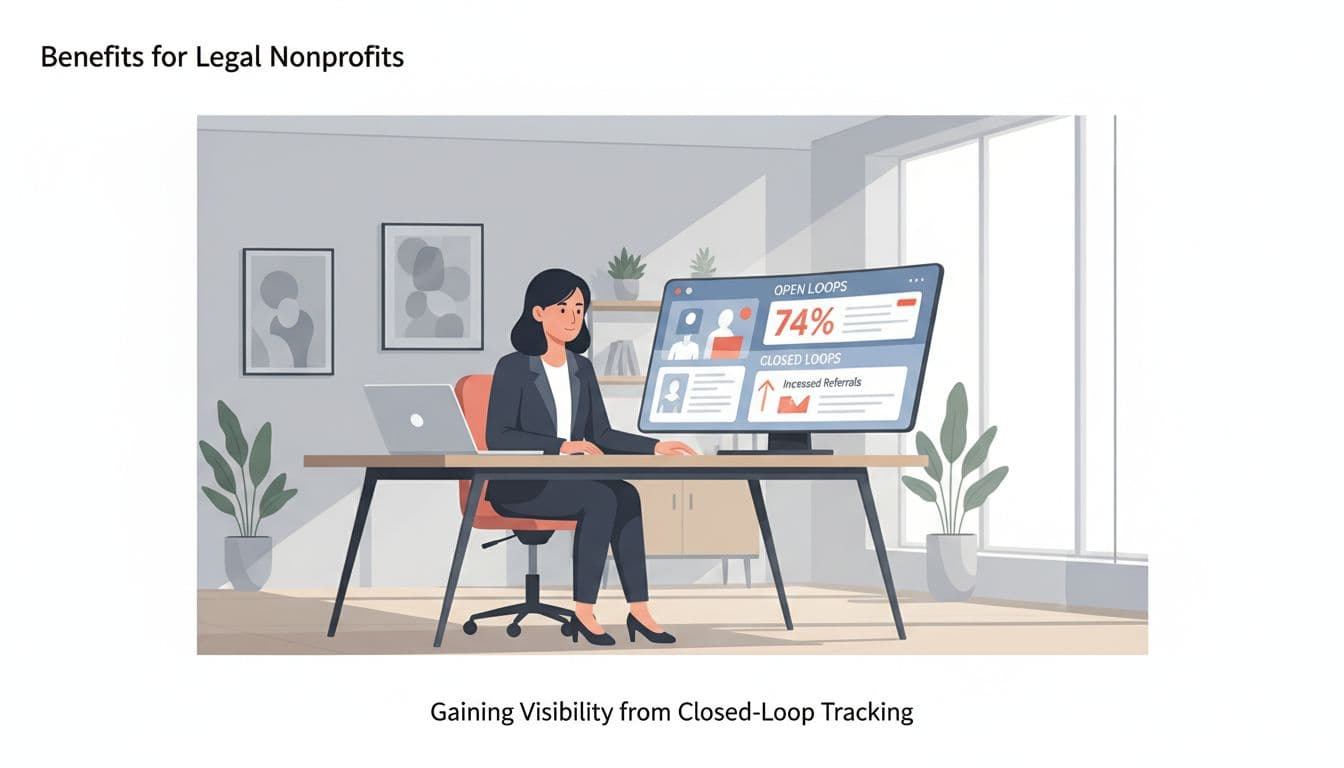
That dashboard view? Yours soon with CRM integration. See the full customer journey. Open loops glow. Closed ones stack proof. Decisions speed up.
How to Set Up Your Closed-Loop Confirmation Rule
Start simple. No big software buy. Define rules first.
Pick one owner for tracking. Use a shared sheet (or CRM integration later). Columns: client ID, partner, sent date, confirm due, outcome. This captures valuable first-party data.
Set cadence for proactive lead monitoring. Day 3: ping for receipt. Day 7: status check. Day 14: escalate.
Standardize packets. Maintain data hygiene with minimum data only. Consent noted. Safe contact rules.
Test on 20 referrals. Adjust. Roll out.
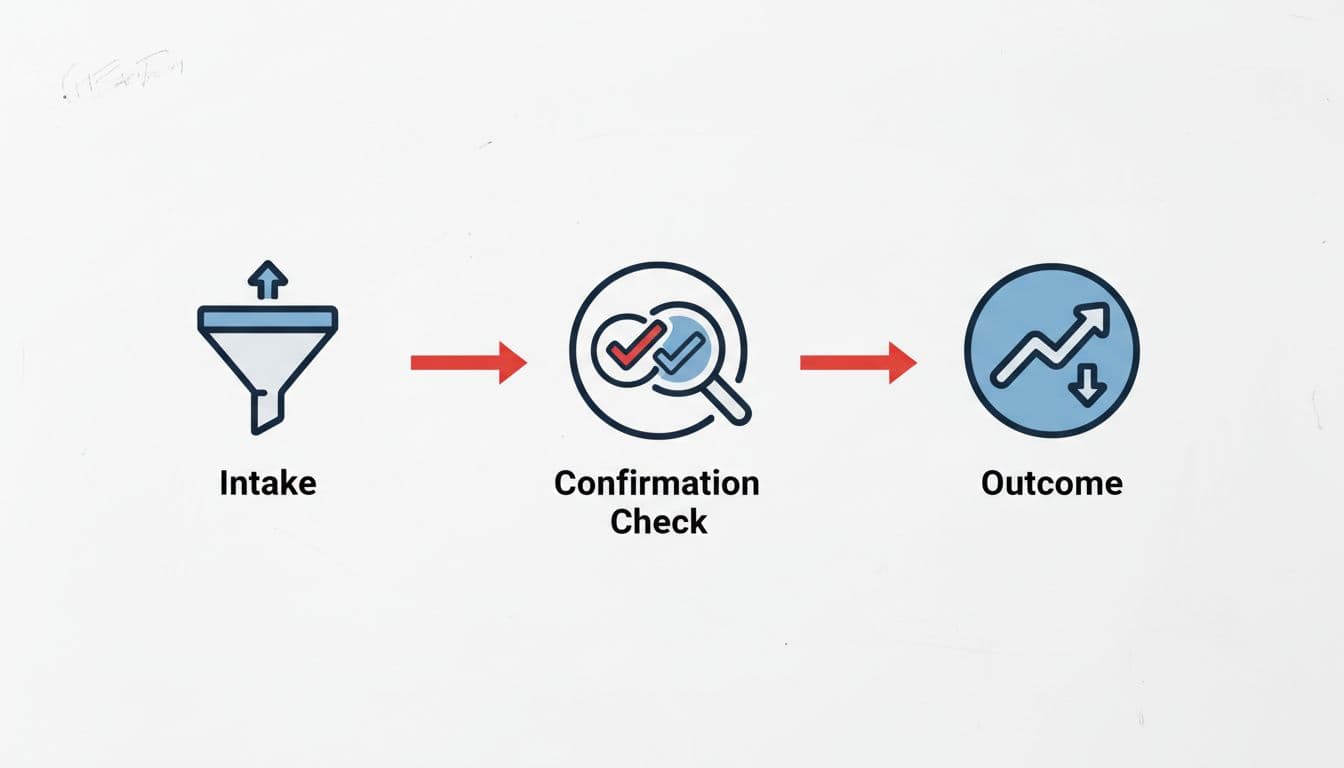
Those steps on your whiteboard for closed-loop attribution. Intake. Check. Outcome. Arrows connect them.
Train once. Monthly review. Metrics: confirm rate, days to close. Aim for 80% closed in 30 days.
Partners resist? Share benefits. Easier for them too. Joint wins build buy-in.
Pitfalls That Trip Up Teams
Rushing tools first, like complex attribution modeling. Process breaks without discipline. Machine learning isn’t necessary for these basic loops. Focus on incremental measurement. Build habits, then tech.
Vague definitions. “Complete” means different things. Nail it: receipt plus outcome code.
No escalation. Loops reopen silently. Time-bound rules prevent drift.
Overload staff. Automate pings later. Start manual for buy-in.
Privacy slips. Minimum data. Audit shares. Compliance stays tight.
FAQs
What if partners ignore follow-ups?
Use easy codes: accepted, waitlist, declined. Tie to shared goals for sales and marketing alignment. Escalate via relationship lead.
How long to see results?
Two weeks for habits. One quarter for clean reports. Track weekly.
Do we need new software?
No. Sheets work. Upgrade when volume hits 50/month.
How does this tie to funders?
Proves attribution with verified transactions for impact reports. “Sent” becomes “delivered.” This sales data wins grants.
Measure success how?
Closed rate over 75%. Days to outcome under 14. Fewer chases.
You run referrals now on hope. Closed-loop attribution builds proof, just as these loop principles power complex systems like retail media and programmatic campaigns. Complex referrals involving multiple partners utilize multi-touch attribution. Outcomes match mission. Boards nod. Staff breathe easier.
Grab the closed-loop referral playbook. Run your first loop this week. Or schedule a call to map your gaps. Control starts here.