
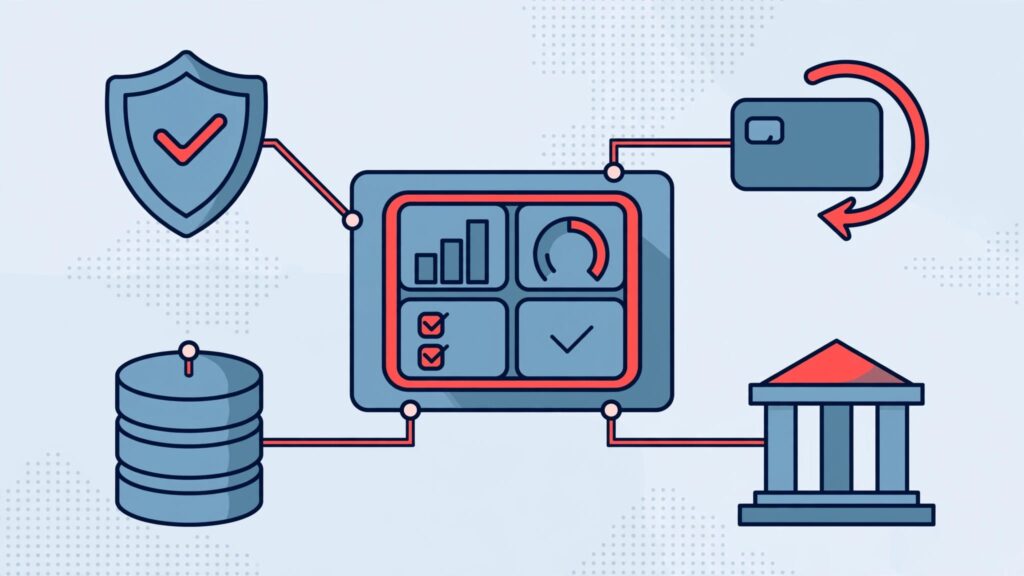
You can build credible fintech compliance for growth stage companies without duplicating a bank’s staffing model. A lean program can support fintech startups while protecting revenue, customer trust, and operational resilience. It still requires clear ownership, evidence, and hard decisions about risk.
The right model is a risk management and regulatory compliance operating system shaped by the regulatory landscape. It accounts for your products, customers, locations, licensing duties, data privacy obligations, cybersecurity exposure, bank relationships, processors, and vendors. Lean compliance isn’t a binder full of policies. It’s an operating system that protects revenue, customer trust, and your ability to grow without unpleasant surprises.
The work starts by making the business easier to govern.
Key Takeaways
- Prioritize risk management based on your products, money movement, data, partners, and locations, not headcount.
- Build a documented compliance framework with named owners and clear evidence for each major control.
- Connect automation and testing to an audit trail that strengthens operational resilience and supports useful board reporting.
Fintech Compliance for Growth Stage Companies Starts With Risk, Not Headcount
A small fintech should not copy the structure of a large bank. Fintech startups need clear priorities, not layers of duplication and handoffs.
Start with a short risk map. List your products, customer types, transaction flows, states and countries, data stores, bank partners, processors, and critical vendors. Include data privacy, operational resilience, cybersecurity, and regulatory oversight in that review. The map should identify your regulatory landscape and the regulatory requirements that may apply.
The Bank Secrecy Act gives FinCEN authority over core anti-money laundering obligations. It does not mean every fintech has the same duties. Product structure and customer activity may require a money transmitter license, state licensing, or treatment as a money services business. Banking-as-a-service and other partner arrangements can also change the analysis. Licensing and regulatory scope vary by activity, state, product, and contract. Verify the facts with qualified counsel or compliance specialists. Generic checklists are not legal advice.
Your first priorities should support revenue, product delivery, and customer trust. That is what a business-aligned technology strategy does. Pick two or three outcomes that matter now, such as improving customer due diligence, fixing weak AML monitoring, or preparing for a bank-partner review.
Build a simple compliance risk map before buying tools
Take an embedded payments product. Ask who moves money, who owns the customer relationship, where personal data travels, and which party performs each control.
Your sponsor bank may screen customers. Your processor may monitor transactions. Your company may still own product decisions, customer communications, complaint handling, and oversight of both providers. The risk management map should show direct obligations, delegated controls, and risks created by partners. It should also clarify which party supports regulatory compliance and which party retains accountability.
Name one accountable owner for every major control
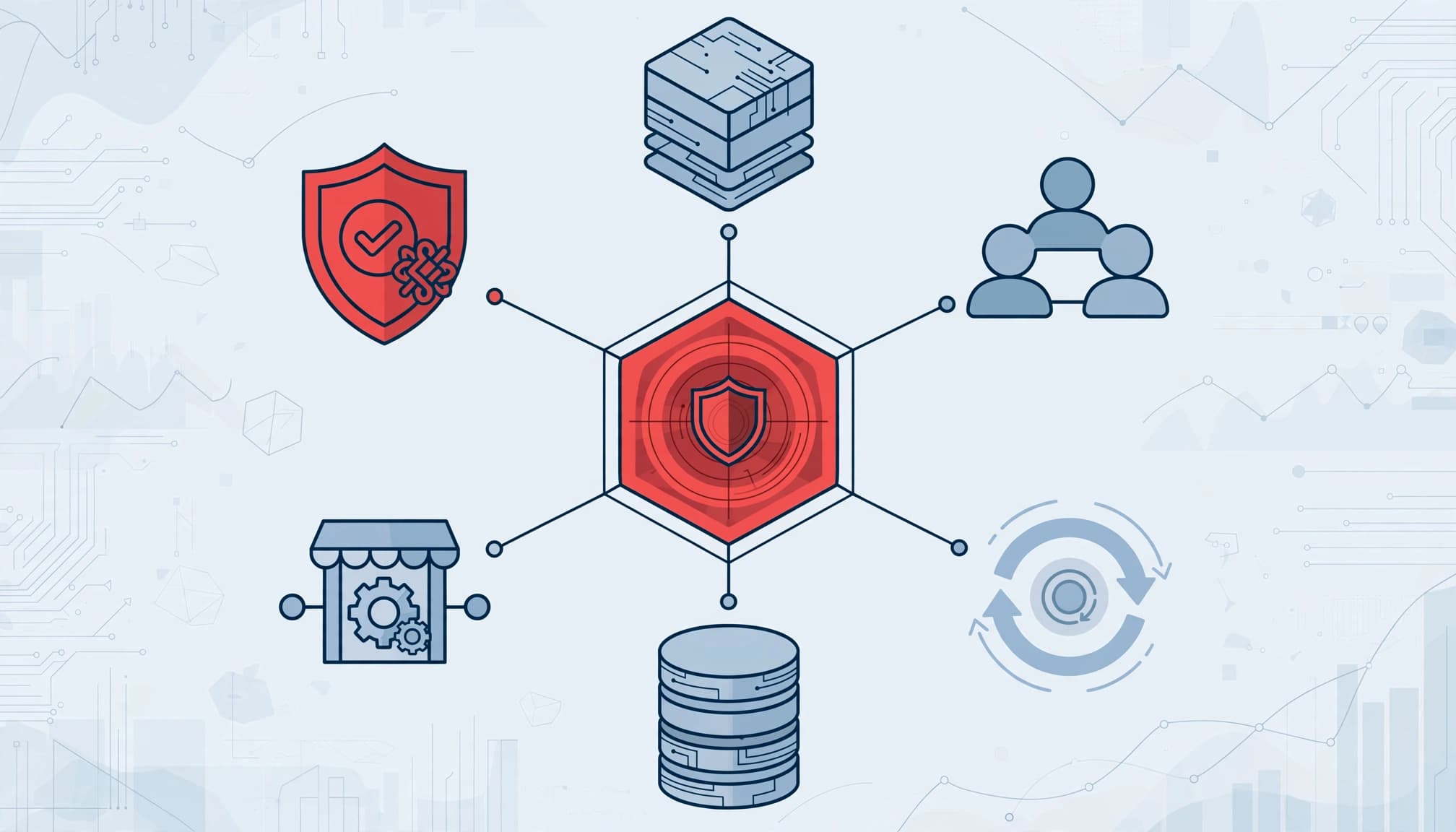
Lean does not mean ownerless. Build a decision rights map that names the executive accountable for AML, licensing, privacy, security, vendor reviews, incident response, training, evidence collection, and board reporting.
Execution can sit elsewhere. An AML provider can investigate alerts. A managed security provider can monitor logs. Outside counsel can advise on licensing. An internal executive still needs to review results, make decisions, and escalate problems.
A vendor can perform work. It cannot carry your management team’s accountability.
The Lean Operating Model That Makes Fintech Compliance Work
For growth stage companies, fintech compliance needs four layers, not 50 people: an executive sponsor, a day-to-day operations or compliance owner, fractional senior leadership, and focused specialists.
The operating model is a compliance framework built on accountability, evidence, and escalation, not job titles. A fractional CTO can organize systems inventory, vendor controls, technology risk management, and evidence. A fractional CISO, virtual CISO, or interim CISO may be the better fit when cybersecurity governance is the immediate concern. An interim CTO, outsourced CTO, part-time CTO, or fractional CIO may help when the problem reaches beyond engineering.
The title matters less than the ownership. The goal is to close a technology leadership gap without pretending that fractional leadership replaces licensed counsel, a required compliance officer, or board oversight. Fractional CTO services can give fintech startups senior judgment while the company builds its internal capacity.
Use outside specialists without creating a responsibility gap
Put the division of work in writing. Define scope, service levels, escalation rules, evidence standards, and review cadence for third-party risk. Cover counsel, AML specialists, auditors, penetration testers, security providers, and technology leaders.
Meet monthly to review open findings, vendor performance, material changes, and overdue actions. Executive oversight should include clear decisions and documented follow-up. Vendors and fractional leaders support execution, but they don’t replace required licensed counsel, a designated compliance officer, or internal decision-makers.
If no one can connect technology, risk, and business decisions, Talk Through Your Technology Leadership Gap.
Automate repeatable work, but keep judgment with people
Compliance automation can support know your customer processes, identity verification, sanctions and PEP screening, transaction monitoring, case management, privacy requests, and training records. Carefully selected regtech tools should create an audit trail for inputs, rule changes, approvals, exceptions, and escalations.
Don’t treat a vendor dashboard as proof that a control works. For risk management, review access, tune rules, back-test alert logic, and escalate unusual or high-risk cases to people with authority to decide.
Create a 90-day technology and compliance plan
First, inventory products, systems, data, vendors, and obligations. Next, close urgent gaps in controls, contracts, access, and evidence. Then test the program and document what happened.
Build a 12-month technology roadmap around product launches, audits, licensing work, cyber insurance renewal, and customer commitments. Include operational resilience and critical-system dependencies in the plan. Practical technology roadmaps keep compliance work tied to operating priorities instead of turning into a side project.
Cover the Six Compliance Areas That Create the Most Fintech Risk
The right fintech compliance program allocates ownership, evidence, and testing across applicable regulatory requirements. Its risk management model should reflect your product, customers, and jurisdiction.
AML, KYC, sanctions, and transaction monitoring
Use a risk-based anti-money laundering program designed to prevent financial crimes. The mix should reflect your customer types, geographies, products, and transaction patterns.
Treat KYC, or know your customer, as a set of distinct controls. Cover customer identification, customer due diligence, sanctions screening, risk ratings, transaction monitoring, alert investigation, escalation, and suspicious activity reporting.
Confirm whether your activity creates BSA/AML, money services business, or state licensing duties. Do not assume your bank or platform provider handles everything. FinCEN’s legal authorities explain its role in administering and enforcing BSA requirements. Tune transaction monitoring rules regularly, and document investigation and escalation decisions.
Licensing, consumer protection, and fair treatment
Payments, lending, servicing, custody-like activity, and embedded finance can create different federal and state fintech regulations. Banking-as-a-service arrangements don’t automatically transfer your compliance duties.
Determine whether you need a money transmitter license, state licensing, or money services business registration. Review disclosures, eligibility, pricing, complaints, repayment behavior, and fair lending risk where relevant. Regulatory compliance should address legal obligations, not just internal policy preferences.
The CFPB’s consumer financial protection resources are a useful reference point for consumer protection, but state-by-state legal review is still necessary.
Privacy, data governance, and secure product design
Data privacy is more than a policy page. You need to know what data you collect, why you keep it, who can access it, where it moves through APIs, and when it should be deleted.
Build a data governance framework with a data inventory, named data owners, retention rules, access logging, and vendor controls. Include encryption, MFA, and documented controls for API flows. GLBA-style privacy duties should shape product and vendor decisions before customer data flows into a new tool.
Cybersecurity and access control
Use MFA, privileged-access reviews, encryption, asset inventory, vulnerability management, backups, logging, monitoring, and security testing. NIST CSF 2.0 is voluntary, but it gives leadership a usable structure for technology governance and cyber risk reporting.
PCI DSS 4.0 is a card-data security standard, not a federal law. GLBA Safeguards requirements and NYDFS Part 500 may also apply, depending on your business. The NYDFS Part 500 amendments are a useful reference for firms with relevant New York exposure. Together, these controls can support a practical compliance framework.
Vendor risk and contract controls
Your KYC provider, processor, cloud platform, BPO, AI vendor, and subprocessor may all hold a piece of your third-party risk. Vendor due diligence should cover security and privacy practices, data use, subcontractors, breach notification terms, insurance, service levels, offboarding, and audit rights.
Review ownership and chain of title for intellectual property, open-source software license obligations, AI model and training-data rights, IT infrastructure dependencies, and data-use restrictions. Check vendor and partner contracts for regulatory provisions that could affect technology or transaction readiness.
Use third-party risk reporting to turn scattered vendor evidence into a clear leadership view.
Incident response and business continuity
A policy is not an incident response plan. Test who makes decisions, how you communicate, how you restore systems, and how you preserve evidence.
NIST SP 800-61 Rev. 3, finalized in April 2025, is a useful reference for incident handling, recovery, and lessons learned. Your executive incident response checklist should also cover vendor incidents, ransomware readiness, disaster recovery planning, and customer communications. Tested recovery supports operational resilience when critical systems or partners fail.
Make Lean Fintech Compliance Visible, Testable, and Ready for Growth
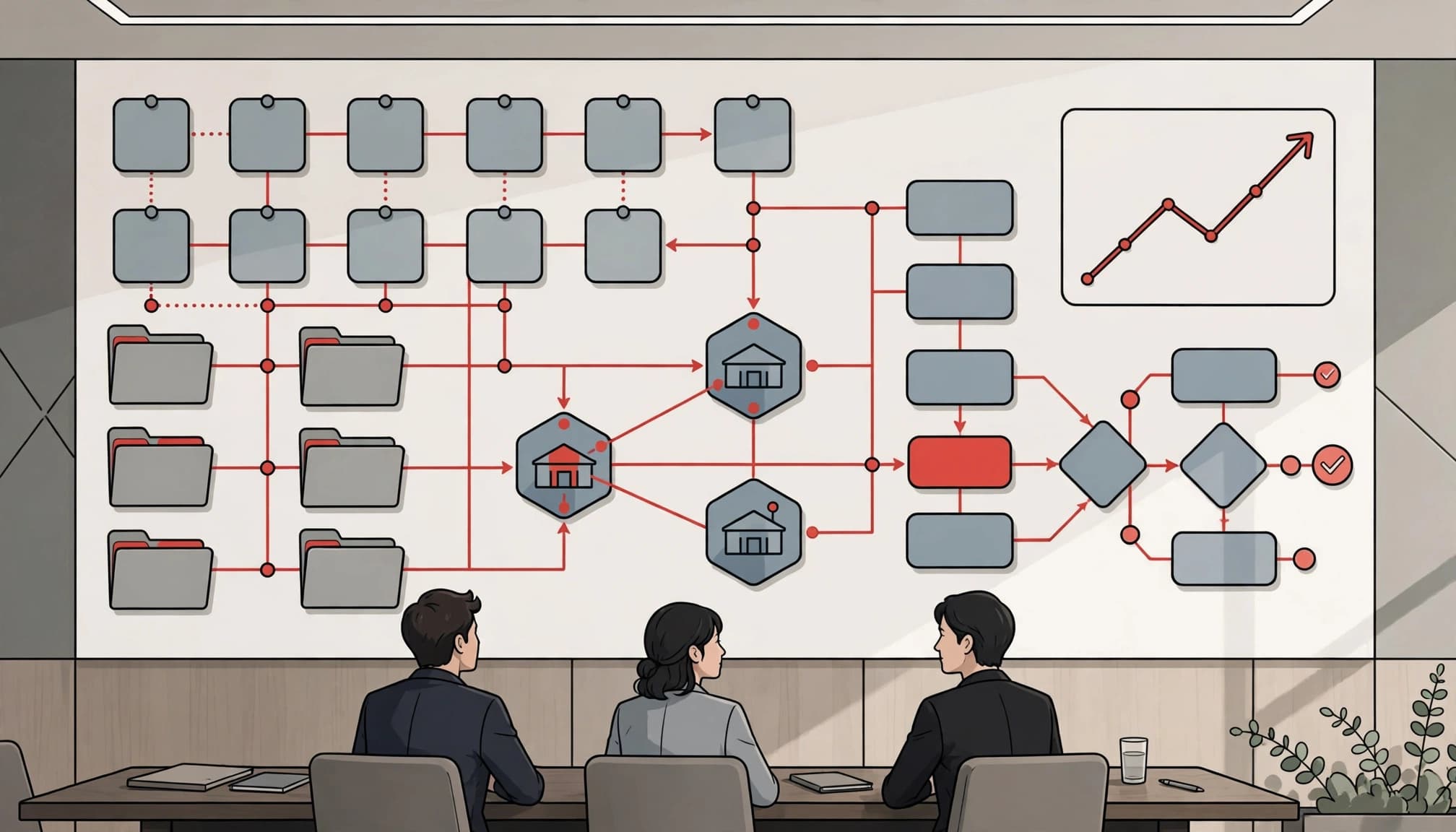
Keep a small evidence pack on a set rhythm. For fintech compliance, it should serve as the operating record for your compliance program. Include the current risk assessment, control register mapped to regulatory requirements, training records, vendor reviews, access reviews, AML metrics, open issues, incident tests, and named remediation owners.
Your board does not need technical noise. It needs a board-ready risk summary that supports risk management and regulatory oversight. It should answer four questions: What could harm the business? Who owns the response? What changed? What decision is required?
Technology dashboards should show risk management trends, overdue actions, major vendor issues, recovery goals, cybersecurity metrics, data privacy issues, and third-party risk. Useful technology risk oversight gives directors a view they can govern.
A potential transaction buyer should be able to follow the same evidence. Organize diligence materials by technology, data privacy, cybersecurity, intellectual property ownership, open-source software, AI use and training data, IT infrastructure, vendors, licensing, and regulatory history.
Representations and warranties describe the company’s facts and condition. Covenants require specified actions before or after signing or closing. Closing conditions require agreed events, consents, or remediation before the deal closes. Use disclosure schedules and negotiate materiality qualifiers carefully. Indemnification, survival periods, escrow, and representation-and-warranty insurance (RWI) allocate post-closing risk differently. The right package varies by transaction, jurisdiction, and negotiated risk allocation. A clean audit trail supports diligence, but it doesn’t eliminate the need for legal review.
Test the controls you say you have
Restore a critical backup. Review privileged access. Sample KYC files. Tune transaction monitoring rules. Run a phishing exercise. Check vendor notification terms. Conduct an executive incident drill.
Evidence should create an audit trail showing operation, review, exceptions, remediation, and approval. A policy alone only proves that someone wrote down an intention. Backup restoration, recovery goals, incident exercises, and system dependencies also test operational resilience.
Treat AI and new vendors as compliance decisions
AI governance belongs in the same operating model when AI affects fraud detection, underwriting, customer service, monitoring, or personal data. Apply the same regulatory compliance and risk management framework used for other technology, while recognizing that requirements vary across jurisdictions.
Set an AI acceptable use policy. Complete AI vendor due diligence. Name a model owner. Test bias and performance. Restrict sensitive data. Require human review for high-risk decisions and incident reporting when something goes wrong.
New technology should support business goals, not create tool sprawl and shadow IT.
Know when your lean model needs to change
Reassess your model when you enter new states or countries, launch a higher-risk product, handle far more transactions, receive repeated bank-partner findings, add many critical vendors, or lack a qualified owner.
Fractional technology leadership can support growth for a long time. There is a point when full-time compliance, security, or technology leadership becomes the responsible choice.
Frequently Asked Questions
Do you need a full-time compliance officer right away?
Not always. The decision depends on your product, risk profile, licenses, and regulatory requirements. It also depends on whether your business needs a money transmitter license. You still need a qualified internal owner for fintech compliance who can oversee specialists and make decisions.
Can a bank partner or fintech vendor handle compliance for you?
They can perform defined controls, including through a banking-as-a-service arrangement. They don’t eliminate your regulatory oversight obligations. Your team must understand the controls, data privacy implications, and risks that arise when customer information moves through a partner, processor, or subprocessor.
What should you report to the board?
A concise report should support risk management and show how the compliance program is performing. Include material risks, control performance, incidents, recovery readiness, operational resilience, vendor exposure, overdue remediation, risk thresholds, and decisions required. Clear evidence can also help answer questions about readiness for financing or an acquisition.
Build Control Before Complexity
Fintech compliance works for fintech startups when named owners document evidence, test controls, and escalate issues with discipline.
That lean model connects risk management to regulatory compliance without requiring a 50-person department. Informal ownership, undocumented assumptions, and vendor-led decisions remain the real dangers.
Stronger executive technology leadership connects cybersecurity and operational resilience to decisions about products, vendors, data, and control gaps. Start by assessing licensing exposure and the leadership capacity required for your next stage of growth.