

Challenges in information exchange. Shared drives that feel like a maze. People quietly pasting client details into email, chat, and AI tools because they just need to get the work done.
That is the daily reality for many justice organizations operating within the justice system. Legal aid nonprofits, clinics, impact hubs, coalitions, and intermediaries in the criminal justice environment all carry stories, records, and data that can either protect people or expose them.
Information governance for justice organizations is the discipline of deciding how that information is collected, stored, used, shared, and deleted. It is not an IT side project. It is how you keep people safe, meet your obligations, and free staff from constant fire drills.
Key takeaway up front: when you treat information as both an asset and a responsibility, you get less risk, cleaner data, and more time for the work that matters.
What is information governance for justice organizations and why does it matter?
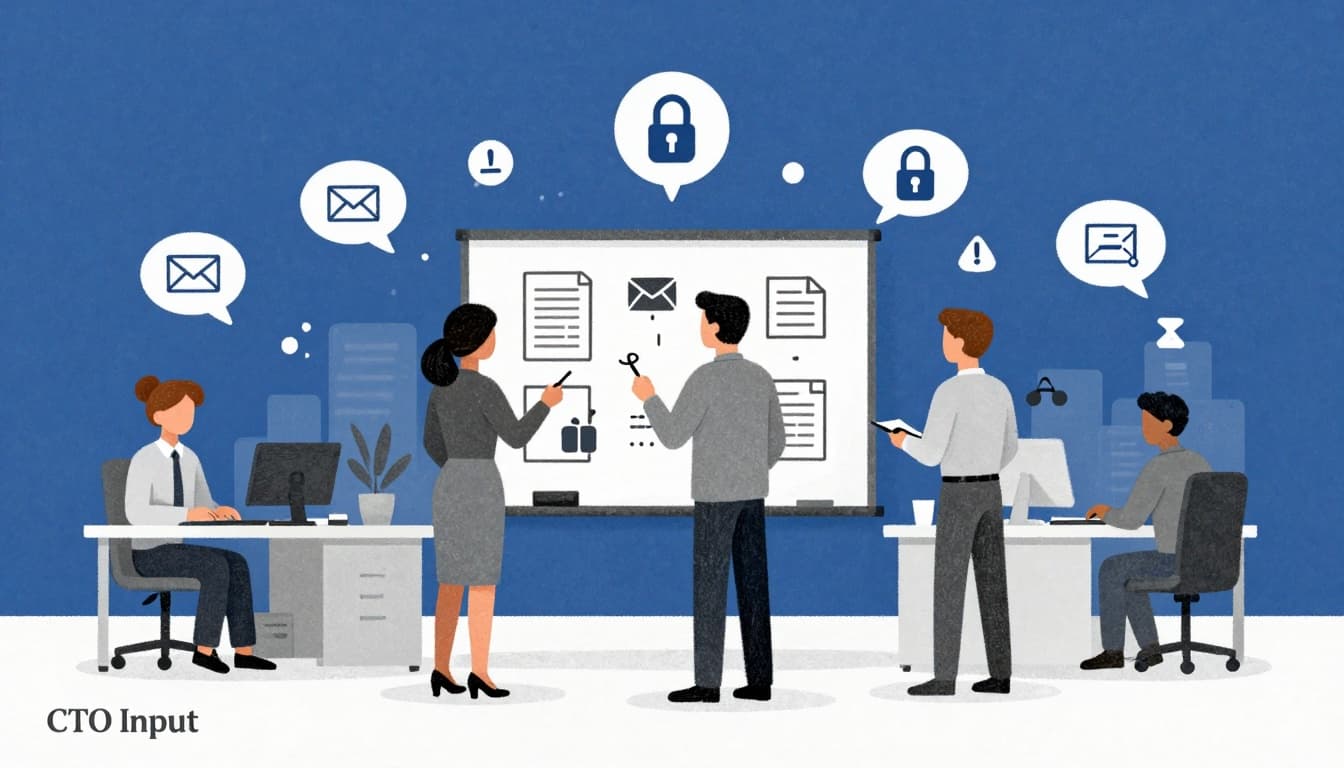
At its core, information governance, also known as data governance, is about decisions and rules. It answers simple questions in a clear way: Who collects what data? Where does it live? Who can see it? When do we delete it?
For justice organizations, this covers everything, not just the case management system including records that may involve courts. Paper files in offices. Email threads. Shared drives. Messaging apps. Intake forms. Spreadsheets. Survey tools. Artificial Intelligence (AI) used to draft motions or summarize case notes.
When information governance is weak, the risks show up fast in justice information sharing: a misdirected email that exposes a survivor’s location and threatens public safety, a lost laptop with youth records, a messy eDiscovery request, or AI outputs that repeat old bias because the training data was poor.
Regulation pressure is rising too. GDPR can apply when you handle data about people in the EU. HIPAA comes into play when health details are in the record. In the United States, alongside the U.S. Department of Justice (DOJ), more than a dozen state privacy laws now touch nonprofits, and some states, like Oregon and New Jersey, no longer give broad breaks to nonprofit groups.
Guides like New York Lawyers for the Public Interest’s Data Protection Best Practices for Nonprofits show how serious funders and regulators are becoming about strong practices and standards.
Good information governance for justice organizations protects clients, supports ethics rules in the criminal justice environment, and gives staff a single source of truth. It turns scattered data into something with data integrity you can use for clean funder reports, board updates, and impact stories, without staying up late chasing documents, while enabling safe information exchange.
How information governance supports trust, compliance, and impact
Client and community trust. People share their immigration status, disability details, or incarceration history because they believe you will protect them. Clear rules, safer tools, and fewer “side spreadsheets” help protect that trust.
Compliance and risk reduction. Many grants now expect named privacy contacts, written policies, and proof of security basics. Strong information governance makes audits and investigations less terrifying, ensures regulatory compliance, and keeps ethics complaints from turning into crises.
Impact storytelling. When data is consistent and findable, you can answer questions without panic. How many youth did we support last year? How long do we keep hotline records? The same discipline that reduces risk also makes impact numbers more believable.
Key principles of good information governance in the justice sector
You do not need a textbook to start. A few simple principles, written in plain language, go a long way.
Accountability. Someone owns data decisions. For example, the operations director signs off on how long to keep closed case files.
Transparency. Staff know the rules. New hires learn, “Here is where client notes go. Here is where they never go, including public AI tools.”
Protection. Security matches sensitivity. Survivor contact details get stronger access controls than general training registrations.
Retention and disposal. You keep information as long as law, ethics, and funders require, not forever. Case notes, for example, might be kept for a set number of years, then reviewed and securely deleted.
Availability. The right people can find what they need. Intake staff can see eligibility data. A volunteer attorney cannot see youth mental health notes unless there is a clear need and permission.
A practical information governance roadmap for justice organizations
You do not have to fix everything this year. A realistic path over 6 to 18 months is enough to change the day-to-day experience.
Think “start small, then grow,” with a focus on your highest risk and highest value data first.
Step 1: Map your most important data and risks
Begin with a light inventory, not a giant project. List the 4 to 6 data types that matter most: client case records including criminal history, intake and eligibility data, National Incident-Based Reporting System (NIBRS) reporting data, partner or member data, program and training registrations, HR and volunteer records.
For each, write down where it lives now, such as the case system, shared drives, email, spreadsheets, or Artificial Intelligence (AI). Note who uses it, including potential law enforcement interactions, and what could go wrong if it is lost, leaked, or wrong.
A simple table or shared document is enough. The goal is clarity, not perfection.
Step 2: Establish data governance rules for retention, access, and security
Use your data map to create your first set of information governance rules, aligned with your privacy policy. Focus on three areas.
Retention. Decide how long to keep each record type, who approves deletion, and how you will document that choice, considering data sharing needs. Rules should fit legal and ethical standards from the Attorney General and justice system requirements, such as keeping client files long enough to respond to courts complaints, but not holding sensitive data forever.
Access. Define who can see which data across staff, volunteers, partners, and vendors supporting public safety. Limit “everyone can see everything” shared folders to control criminal intelligence and enable justice information sharing.
Security basics. Require multi-factor authentication, use encrypted tools for sensitive data, and build vendor checks into your contracting process per U.S. Department of Justice (DOJ) guidelines. Resources like the Global Justice Information Sharing Initiative and its standards can guide what “good enough” looks like for security.
Written rules give staff something to follow and help leaders answer funder and regulator questions on regulatory compliance with calm confidence.
Step 3: Connect information governance to your systems and AI tools
Rules only work if systems support them. Start weaving information governance into tools you already use.
Turn on built-in retention settings via automated processes in your case management system and cloud storage. Lock down especially sensitive fields, such as addresses for survivors of violence. Standardize folders and naming using the National Information Exchange Model (NIEM) as a structural guide so people stop creating one-off workarounds.
For Artificial Intelligence (AI), set clear lines: no client identifiers in public chatbots, only approved tools for summarizing case notes, and logging when AI is used in case work. As you design your broader technology roadmap, treat information governance as a requirement per the Global Reference Architecture (GRA), not a “nice to have.”
This reduces manual work through better information exchange and makes audits, discovery, and future analytics projects far less painful while ensuring data integrity.
Making information governance stick: people, habits, and support
Policies and tools matter, but culture drives policy implementation to keep information governance alive after the first push.
You do not need a large bureaucracy. You need a small, steady structure.
Who owns information governance inside a justice organization?
Pick an executive sponsor, often the executive director, COO, or CFO. Create a small working group structured in line with the Federal Advisory Committee Act (FACA) that includes programs, operations, your IT vendor or tech lead, and someone who understands legal ethics or compliance for data governance.
Name a point person as information governance lead. That person coordinates meetings a few times a year, tracks incidents, and proposes small updates as privacy policy or other laws change.
Most important, treat information governance as shared work, not just an IT problem.
Training, quick wins, and building new habits
Short, role-based trainings aligned with GFIPM beat long, generic webinars. Give intake staff a one-page guide on where to store client notes and how to use email and chat safely, ensuring secure access controls for different groups like volunteers or intake staff.
Build simple checklists into new-hire onboarding that incorporate National Incident-Based Reporting System (NIBRS) requirements to influence training on policy implementation. Set up easy, blame-free ways to report problems or near misses, while promoting federated identity for secure logins to support justice information sharing.
Look for visible quick wins, such as cleaning up one messy shared drive, turning on multi-factor authentication for everyone, or closing a risky tool. People should feel that information governance makes their work smoother, not heavier.
When to bring in outside support for information governance
Outside support aligned with the Global Justice Information Sharing Initiative helps when you plan a major system change, respond to a serious incident, or need a clear roadmap that links information governance, cybersecurity, and technology decisions using the Global Reference Architecture (GRA).
Fractional or part-time CTO or CIO level leadership can sit beside your team, translate legal and funder expectations into practical steps with the National Information Exchange Model (NIEM) for structure and data element management, and keep the work moving without adding a full-time executive role.
Key takeaways, FAQs, and how CTO Input can help
Key takeaways
- Strong information governance for justice organizations protects clients and strengthens trust.
- Start small with a data map, simple rules, and better use of existing tools.
- Make it a shared, ongoing practice, not a one-time policy document.
FAQs
What is a realistic first step if we have no information governance in place?
Start with a two-hour data mapping session. List your key data types, where they live, who uses them, and what could go wrong.
How strict do our retention rules need to be?
They should match law, ethics, and your risk tolerance. Aim for clear, written rules that you can follow in practice, not perfect complexity no one remembers.
Do small justice organizations really need information governance?
Yes. Many state privacy laws now apply to nonprofits, and even tiny teams hold very sensitive data. A light, focused framework is enough to start.
How do we handle AI tools under our information governance policy?
Treat AI like any other vendor. Decide what data it can see, block client identifiers from public tools to safeguard justice information sharing, and record when AI is used in case-related work.
How CTO Input can help
CTO Input supports justice organizations that need senior technology and information governance leadership, but not a full-time executive. A fractional CTO or CIO can help you build a data map, design practical policies, connect them to your systems and AI tools, and create a realistic technology roadmap your board and funders can support.
If you want a calmer, safer path forward, explore more about CTO Input and recent thinking on the CTO Input blog.
Conclusion
Justice organizations carry stories that can protect people or put them at risk. You do not need a perfect program to start handling that responsibility with more care.
A few steady steps in information governance for justice organizations can lower the chance of harm, cut through daily noise, and give staff more time to back frontline advocates.
Take a moment to name one change you can make this quarter, whether it is mapping your most sensitive data or tightening access to one key system. If you want a clearer, supported path, consider partnering with experienced technology leadership that understands both your mission and your obligations.