board reporting

A policy document conflicts with a network dashboard as an executive observes a red warning line.

When an Information Security Policy Becomes a Liability

A written information security policy can look like proof of control until an incident, audit, customer review, or lawsuit tests it against reality. If the document says one thing while your systems, vendors, or employees do another, the policy may give a reviewer a clear record of the gap. That doesn’t create automatic legal liability

When an Information Security Policy Becomes a Liability Read More »

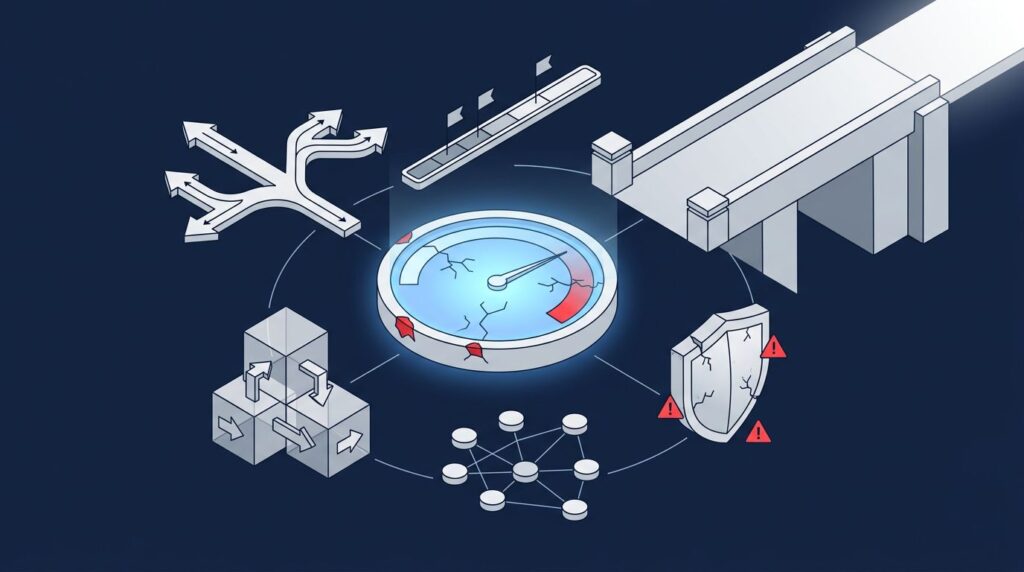
A glowing trust meter surrounded by business risk and operations indicators.

How to Measure Trust Debt: Five Quarterly CFO Indicators

A CFO can see a budget variance quickly. It takes longer to see whether leadership still trusts the technology story. Trust debt is the accumulated cost of missed commitments, unclear ownership, weak reporting, unresolved risk, and decisions that keep getting reopened. If you want to know how to measure trust debt, start with operating evidence,

How to Measure Trust Debt: Five Quarterly CFO Indicators Read More »

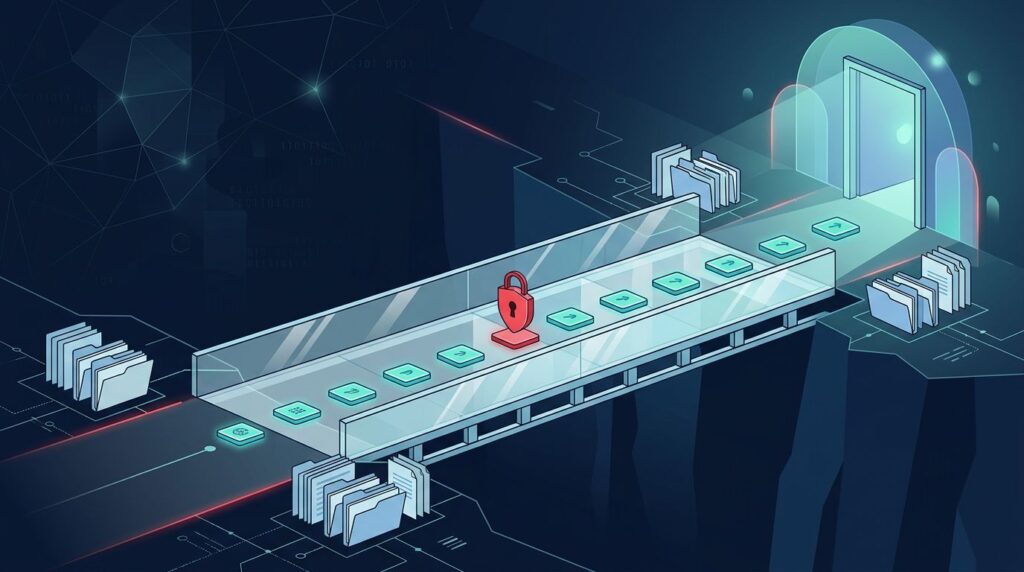
A glass bridge with stepping stones leads to a glowing doorway across a dark gap.

Rebuild Trust After Breach: A 12-Month Sequence

A breach ends in the incident room long before it ends for customers. They remember what you said, what you withheld, and whether your next promises matched what happened. If you need to rebuild trust after breach, treat trust as an operating obligation, not a public relations campaign. Technical remediation, customer communication, vendor decisions, and

Rebuild Trust After Breach: A 12-Month Sequence Read More »

A technology leader organizes a connected roadmap with gears, clouds, and milestones.

Your Fractional CTO Engagement: The First 12 Months

Technology rarely becomes a leadership problem all at once. During rapid startup growth or inside a growing scale-up company, it often appears as delayed projects, unclear reporting, vendor pressure, rising spend, and decisions that keep coming back to your desk. A fractional CTO engagement provides technical leadership before you commit to a full-time executive hire.

Your Fractional CTO Engagement: The First 12 Months Read More »

Person reviewing financial reports and charts at a monitor

AI Risks in Finance and Accounting You Can’t See

Artificial intelligence can shorten your close, reduce manual work, and surface patterns that spreadsheets miss. It can also produce polished errors that look credible enough to enter a management report, payment queue, or forecast. For you as a CFO, controller, CEO, COO, or board member across financial institutions, AI risks in finance and accounting rarely

AI Risks in Finance and Accounting You Can’t See Read More »

A balance scale illustrating technical debt on one side and a fragile trust bridge on the other.

Trust Debt vs. Technical Debt: The Board Blind Spot

When Ward Cunningham originally coined the financial debt metaphor, he intended to explain how shortcuts in software development lead to long-term costs that accrue interest over time. Today, board members are generally comfortable funding these issues, such as server replacements or ERP upgrades. Because technical debt has a visible invoice and a clear project timeline,

Trust Debt vs. Technical Debt: The Board Blind Spot Read More »

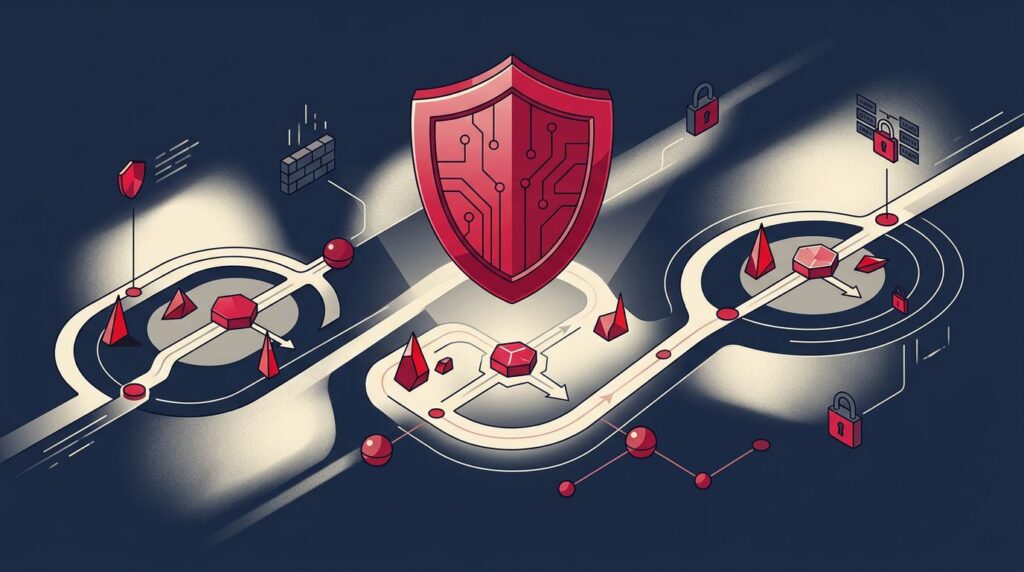
A glowing red security shield oversees a structured three-stage cybersecurity roadmap on a dark background.

What a 90-Day Fractional CISO Engagement Produced

A security program can look busy for years and still leave you exposed. Tickets close. Tools renew. Vendors send reports. Then a customer, insurer, buyer, or board member asks a plain question: “What could hurt the business, and who owns the response?” Modern organizations need ongoing cybersecurity leadership to strengthen their overall security posture against

What a 90-Day Fractional CISO Engagement Produced Read More »