legal operations

Conflict Check Escalation in Legal Aid: The 30-Day Rule

A conflict check that sits unresolved for weeks is not a small admin issue. It is a leadership issue for legal aid organizations and law firms alike, because uncertainty spreads fast. If your team relies on inboxes, spreadsheets, or memory to manage conflict checks, delay becomes normal. Then a deadline moves, a referral goes out, […]

Conflict Check Escalation in Legal Aid: The 30-Day Rule Read More »

Stop Side-Door Requests With a Clear Intake Exception Rule

One side-door request rarely feels like a problem in a group home. Then the requests start arriving by text, email, Slack, hallway conversation, and board introduction, and your intake process stops being a process. When work enters through private channels, triage gets weaker, fairness drifts, and reporting turns shaky. Maintaining strict intake procedures is essential

Stop Side-Door Requests With a Clear Intake Exception Rule Read More »

Shared Inbox Management Starts With an Intake Mailbox Owner Matrix

Every team inbox, often set up as a shared intake group email address, starts with good intentions. Then volume rises, side replies multiply, and nobody can say who owns the next move. That is why shared inbox management often breaks down in plain sight. The mailbox looks active, but your team still misses deadlines, repeats

Shared Inbox Management Starts With an Intake Mailbox Owner Matrix Read More »

Finding operational resilience assessment for legal aid organizations

Operational resilience assessment for legal aid organizations (keep intake and casework moving)

An operational resilience assessment for legal aid organizations, centered on legal aid operational resilience, is a plain-language review of what keeps services running when something goes wrong. It focuses on the real chain of work, from first contact to case outcomes, and conducts a business impact analysis by asking a practical question: where would a

Operational resilience assessment for legal aid organizations (keep intake and casework moving) Read More »

A leader seeking a Interim Chief Information Officer for Court Services Organizations

Interim Chief Information Officer for Court Services Organizations (Stabilize Reliability and Continuity Fast)

In December 2025, court services organizations are carrying heavy demand with public consequences. People expect e-filing to work, remote hearings to connect, and self-help services to be available when they need them. There’s almost no tolerance for downtime, and no slack in the staffing model when something breaks in judicial administration. An Interim Chief Information

Interim Chief Information Officer for Court Services Organizations (Stabilize Reliability and Continuity Fast) Read More »

A team reviewing a new set of legal aid intake triage best practices

Legal Aid Intake Triage Best Practices (A Workflow Leaders Can Run)

Legal aid organizations face a constantly growing legal aid intake queue, which undermines access to justice for those who need it most. Requests arrive by phone, web, email, walk-ins, partner referrals, even social media. Staff do their best, but urgency gets missed, notes end up scattered, and the same person calls back three times because

Legal Aid Intake Triage Best Practices (A Workflow Leaders Can Run) Read More »

A team using a coordinated intake model for legal aid

The Coordinated Intake Model for Legal Aid Organizations (A Practical Guide Leaders Can Defend)

The intake queue is exploding. A court partner sends walk-ins, like those seeking housing legal help, you didn’t expect. Your hotline script is different from your online form. Staff spend half the day re-asking the same questions, then trying to “place” cases through a chain of emails that no one fully owns. That’s not a

The Coordinated Intake Model for Legal Aid Organizations (A Practical Guide Leaders Can Defend) Read More »

A leader creating a digital transformation strategy for legal partner organizations

Digital Transformation Strategy For Legal Partner Organizations (shared handoffs without lost trust)

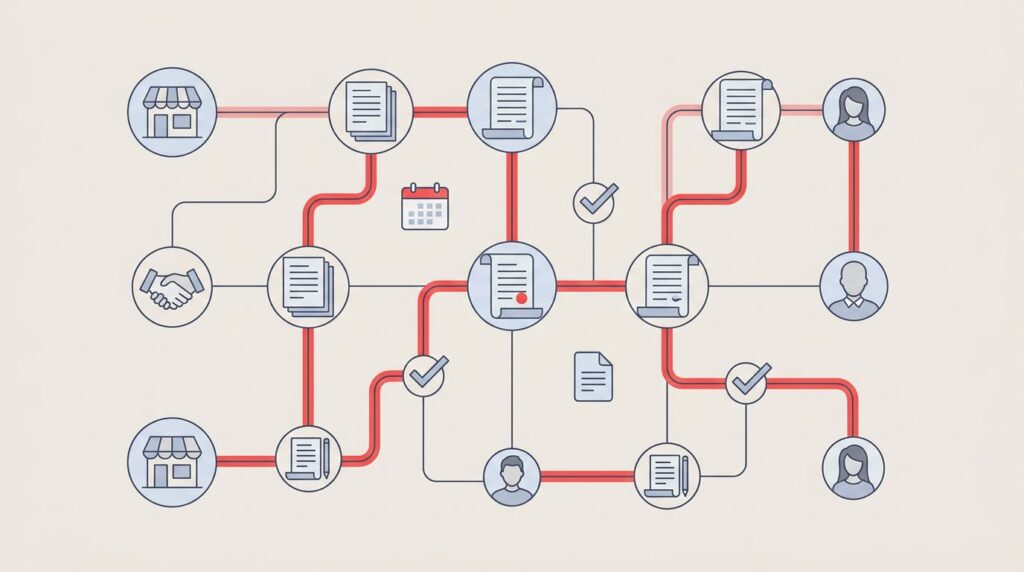
A referral comes in. A navigator texts a warm handoff. A court self-help desk sends someone to legal aid. Law firms like pro bono organizations agree to consult. Then the trail goes quiet. No one knows if the client was reached, if consent was captured, or if the matter is open, pending, or closed. In

Digital Transformation Strategy For Legal Partner Organizations (shared handoffs without lost trust) Read More »