operational risk

The Technology Disclosures in Your S-1: What Gets Written and Who Gets Blamed

The Technology Disclosures in Your S-1: What Gets Written and Who Gets Blamed

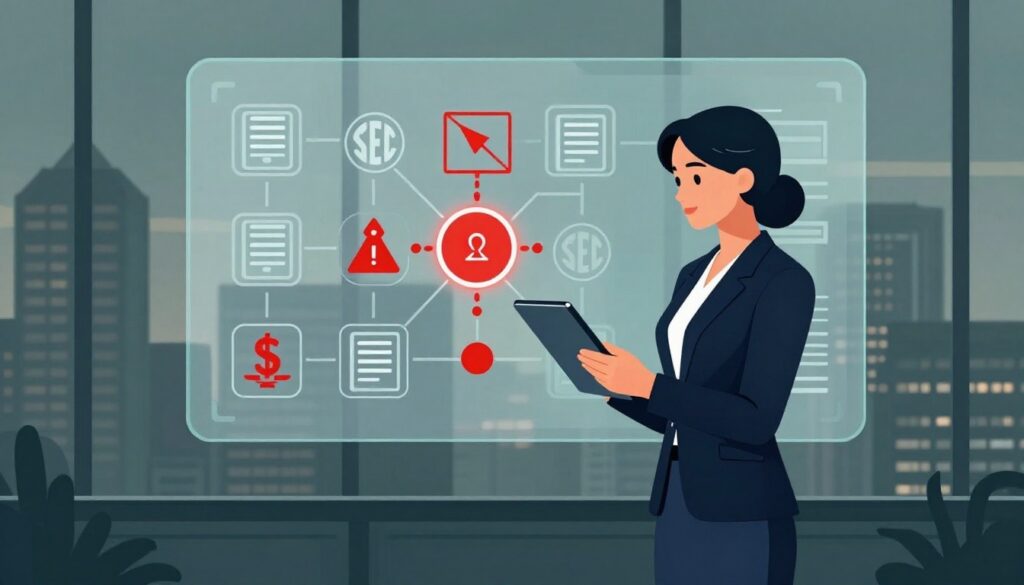
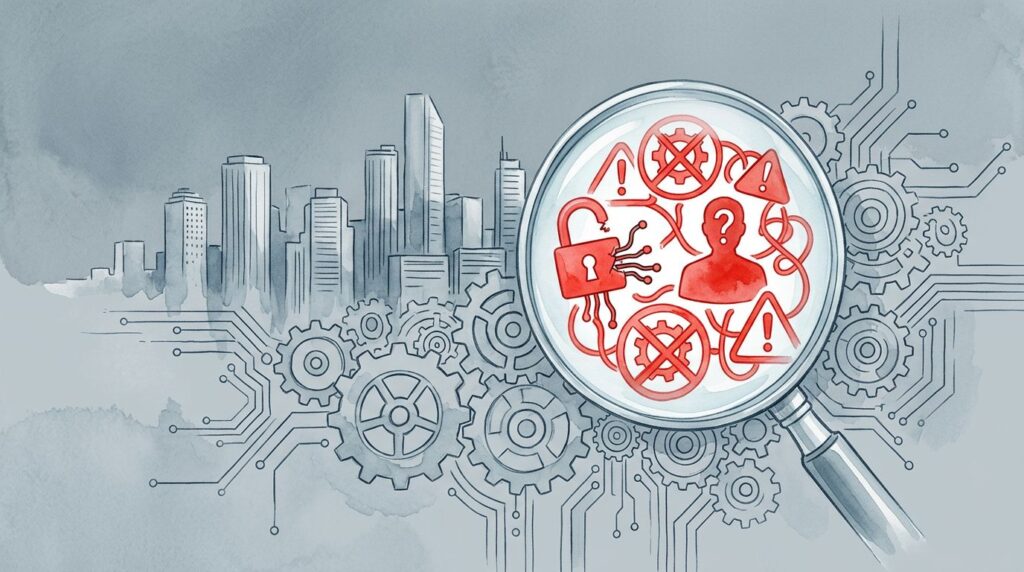
An S-1 registration statement can turn years of technology choices into public statements. Outages, cyber events, technical debt, vendor dependence, weak controls, and delayed projects may all become part of the story investors read. Preparing for an Initial Public Offering (IPO) involves significant oversight from the Securities and Exchange Commission to ensure the company provides

The Technology Disclosures in Your S-1: What Gets Written and Who Gets Blamed Read More »

What to Do When Your Managed Service Provider Controls Too Much

What to Do When Your Managed Service Provider Controls Too Much

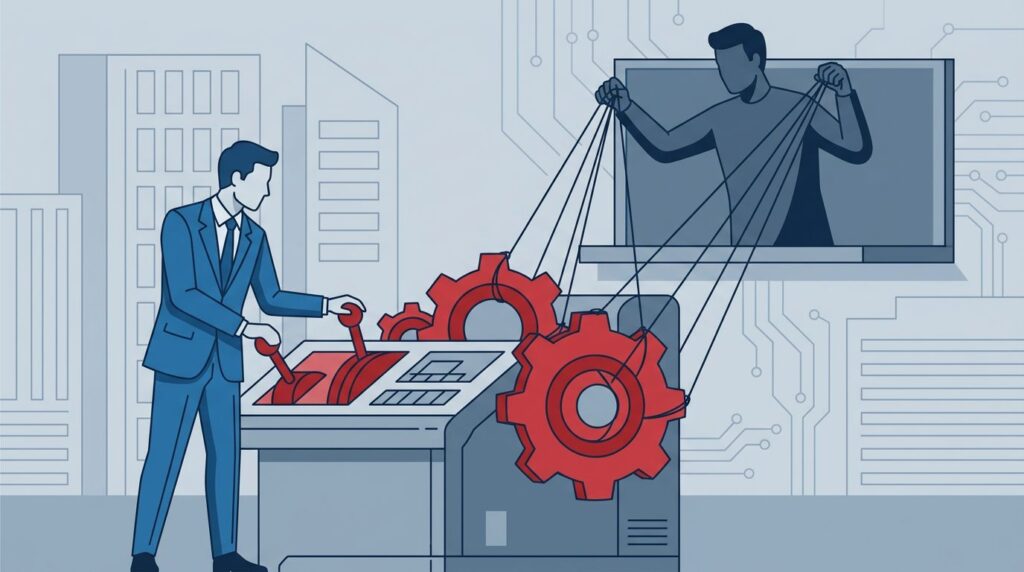
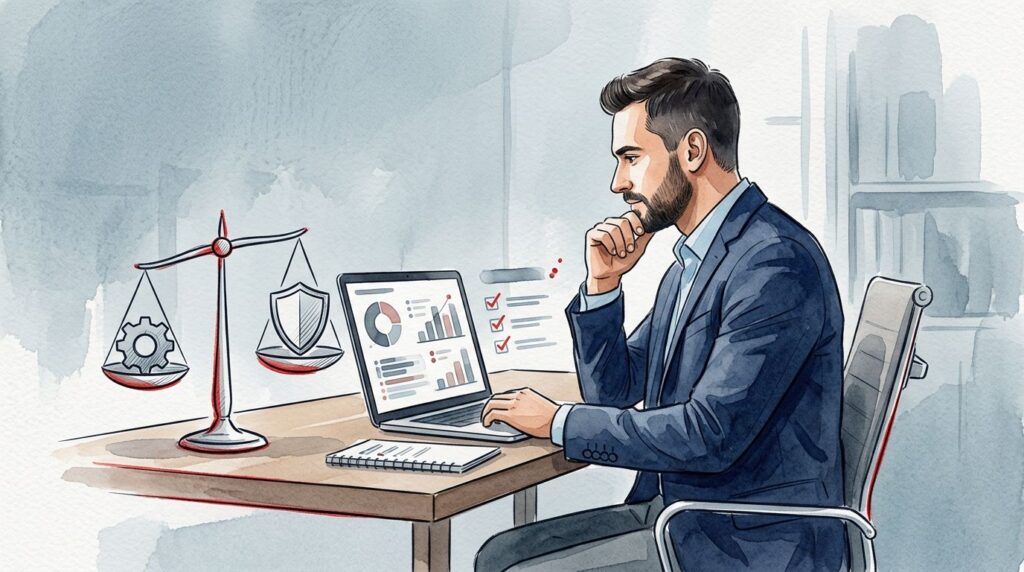
A managed service provider should reduce friction for your business. If your provider now decides what gets fixed, when upgrades happen, and how you answer board questions, you do not have a support problem. You have an ownership problem. Often, this issue stems from unmonitored MSP operations that have quietly expanded beyond routine technical support

What to Do When Your Managed Service Provider Controls Too Much Read More »

How to Build a Technology Continuity Plan Before Failure Hits

How to Build a Technology Continuity Plan Before Failure Hits

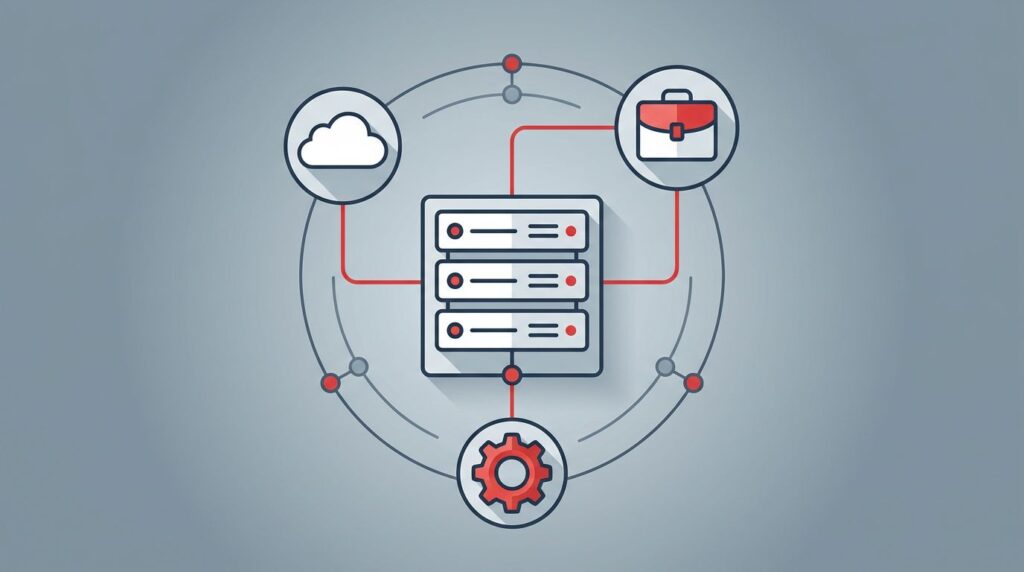
Technology continuity usually breaks for ordinary reasons. One leader leaves, one vendor slows down, or one critical system lives in someone’s head instead of your process. By the time the gap shows up, you are already paying for it in delays, confusion, and extra risk. A solid technology continuity plan keeps the business moving when

How to Build a Technology Continuity Plan Before Failure Hits Read More »

What Boards Should Know About third-party risk management (TPRM)

What Boards Should Know About third-party risk management (TPRM)

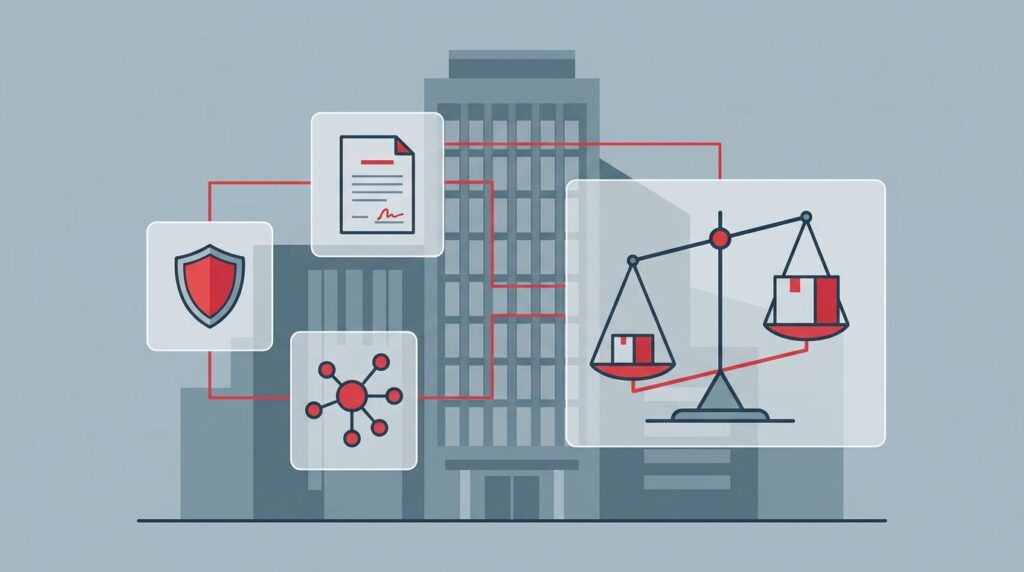
Your board does not need another vendor pitch. It needs a straight answer to a simpler question: which third party can hurt the business, how, and how fast? That matters more in 2026 than it did even two years ago. SaaS sprawl, AI-enabled tools, cloud concentration, and outsourced workflows have turned vendor oversight into board-level

What Boards Should Know About third-party risk management (TPRM) Read More »

Technology Due Diligence Red Flags That Kill Mid-Market Deals

Technology Due Diligence Red Flags That Kill Mid-Market Deals

In the fast-paced world of M&A transactions, a mid-market deal rarely falls apart because of one ugly system. Instead, these acquisitions typically collapse because the buyer identifies a pattern they do not trust. That pattern emerges quickly during the evaluation phase. Weak ownership, messy reporting, rising cyber exposure, and heavy vendor dependence all tell the

Technology Due Diligence Red Flags That Kill Mid-Market Deals Read More »

How to Evaluate a Software Vendor When You Don't Have a Technical Team

How to Evaluate a Software Vendor When You Don’t Have a Technical Team

The smoothest software demo can still be the wrong purchase. When you do not have a technical team, a professional software vendor evaluation gets messy fast. Sales pitches sound confident, security claims blur together, and every option seems to promise faster growth. What you need is not more jargon. You need a way to make

How to Evaluate a Software Vendor When You Don’t Have a Technical Team Read More »