operational risk

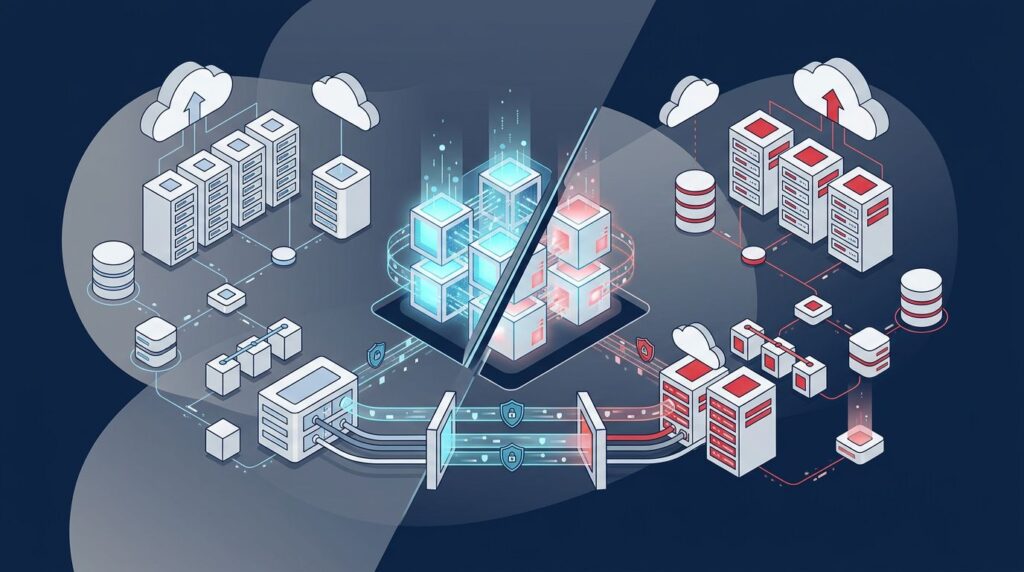
A central data hub separates into two secure network systems linked by red data pathways.

IT Carve-Out: Separate Systems Without Breaking the Business

An IT carve-out can support value creation when operational risks are controlled. Shared systems, data, vendors, identities, and infrastructure rarely divide cleanly when the deal closes. The target business must operate independently without losing orders, payroll, customer access, reporting, or security controls. Meanwhile, the parent company must keep those capabilities running through the separation. That […]

IT Carve-Out: Separate Systems Without Breaking the Business Read More »
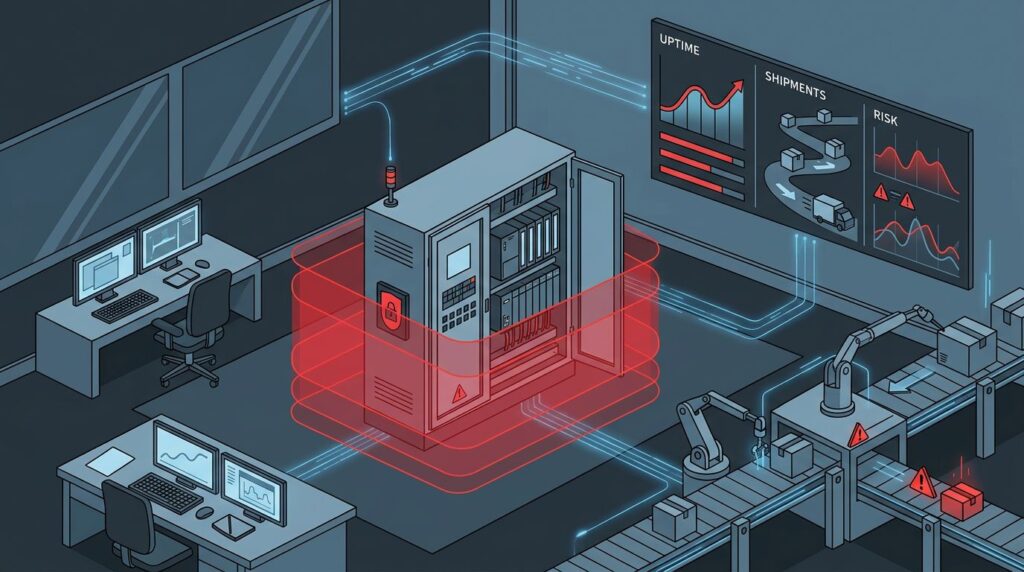
A factory control room with a PLC cabinet protected by glowing red security barriers.

Manufacturing OT Security: Put Plant Risk in Business Terms

A ransomware incident at a manufacturer doesn’t stop at an inbox. It can stop a line, delay shipments, compromise product quality, and leave leaders explaining lost margin to customers and the board. OT security in a plant protects production systems without treating a facility like an office network. It must account for uptime, safety, legacy

Manufacturing OT Security: Put Plant Risk in Business Terms Read More »

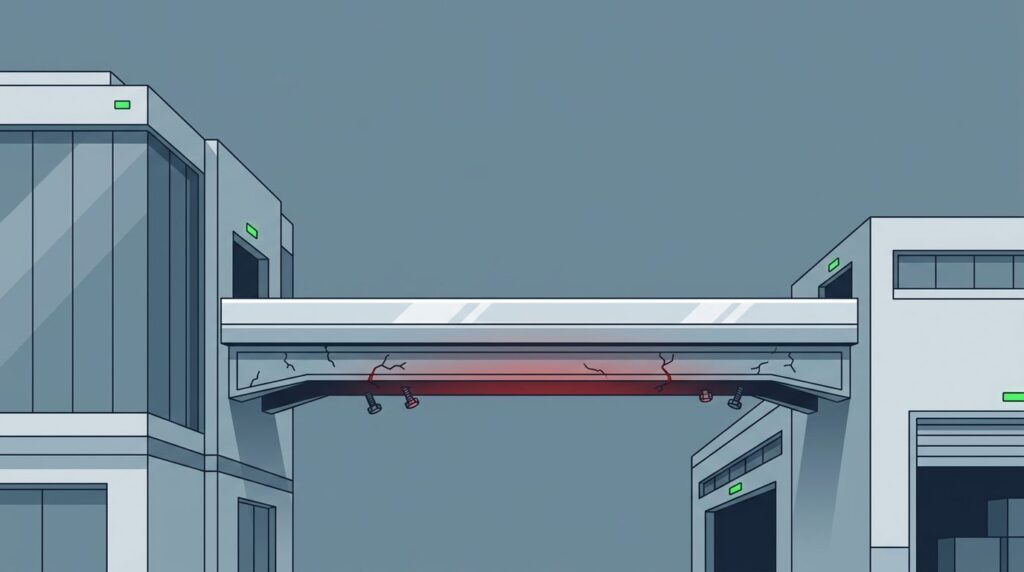
A polished bridge between two buildings shows cracks and a red warning glow.

Vendor Relationship Risk: When Trust Debt Hides in Plain Sight

Your riskiest supplier may be the one nobody is discussing. Its quarterly report is green. The account manager is responsive. The contract renewed without argument. Yet important work keeps slowing down around it. Vendor relationship risk grows when what you are told no longer matches what your teams experience. Third-party vendors can look stable on

Vendor Relationship Risk: When Trust Debt Hides in Plain Sight Read More »

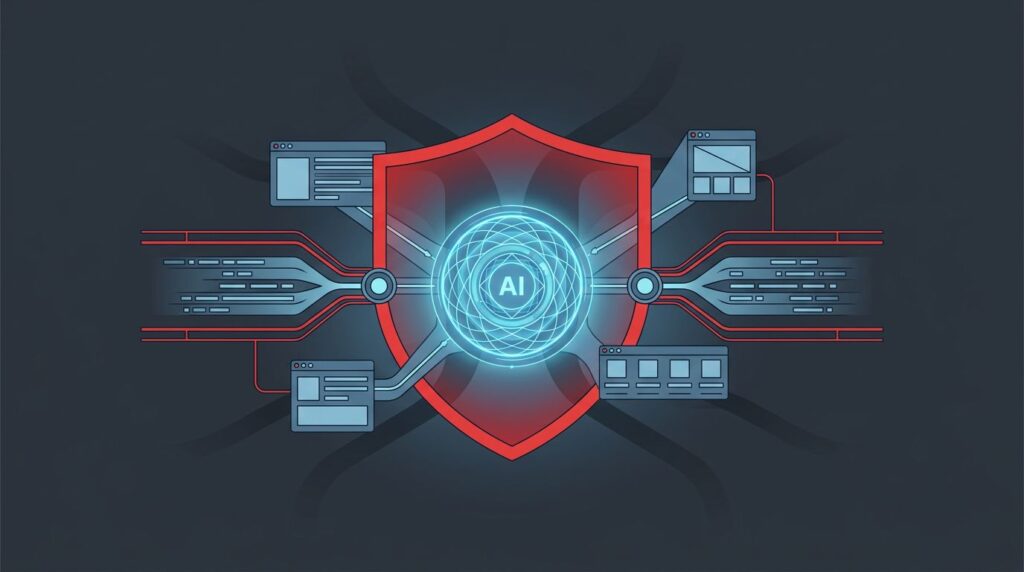
A glowing tech hub with a red security shield and organized data pathways.

Shadow AI Is Already in Your Company: Set Guardrails That Work

Your employees may already be using ChatGPT, Claude, Gemini, Microsoft Copilot, AI meeting notes, coding assistants, and generative AI features inside software you already pay for. The question isn’t whether shadow AI use exists. It’s whether you can see it, understand the data involved, and decide who owns the risk. Knowing how to manage shadow

Shadow AI Is Already in Your Company: Set Guardrails That Work Read More »

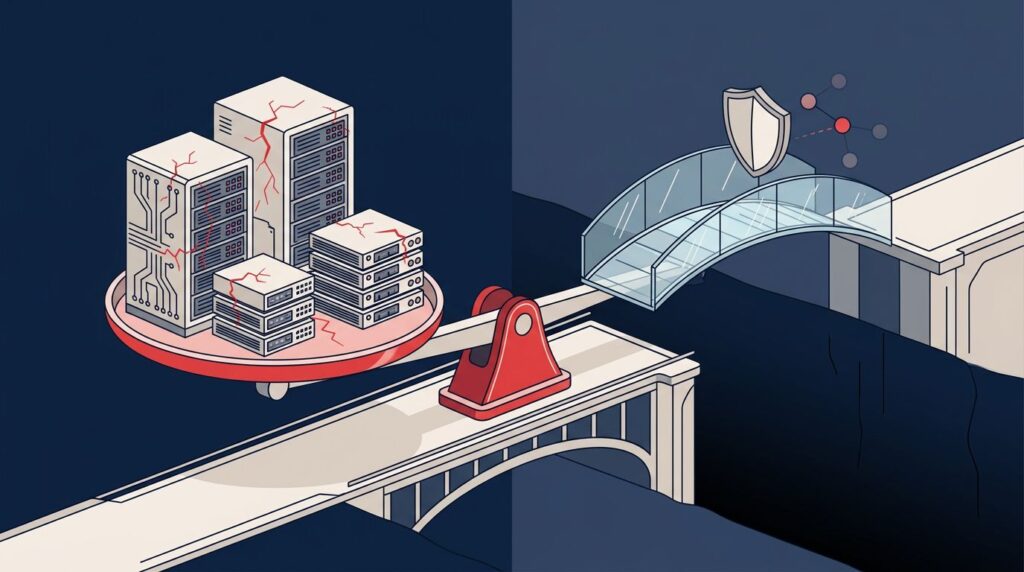
A balance scale illustrating technical debt on one side and a fragile trust bridge on the other.

Trust Debt vs. Technical Debt: The Board Blind Spot

When Ward Cunningham originally coined the financial debt metaphor, he intended to explain how shortcuts in software development lead to long-term costs that accrue interest over time. Today, board members are generally comfortable funding these issues, such as server replacements or ERP upgrades. Because technical debt has a visible invoice and a clear project timeline,

Trust Debt vs. Technical Debt: The Board Blind Spot Read More »

A glass balance scale with golden blocks on one side and red cracks on the other.

What Is Trust Debt? The Liability Your Balance Sheet Misses

Your company can look healthy on paper, but your internal and external creditors are beginning to doubt your ability to deliver. Customers hesitate before renewing, employees keep private spreadsheets because they do not trust the system, and vendors push back on accountability. Meanwhile, the board asks basic questions and receives long, uncertain answers. What is

What Is Trust Debt? The Liability Your Balance Sheet Misses Read More »

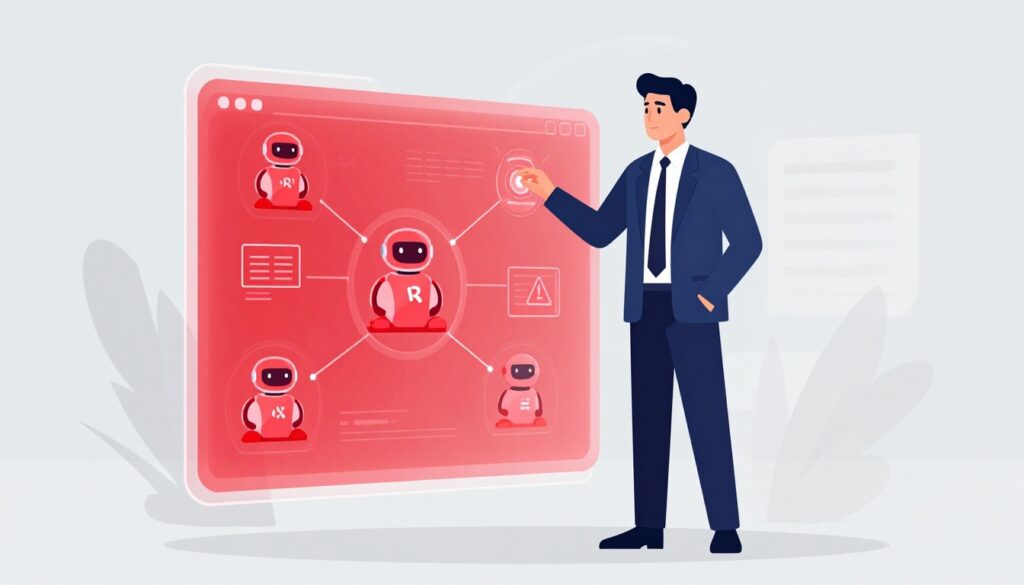
A business leader controlling a glowing holographic risk dashboard in a modern office.

Agentic AI Risk: What Leaders Need to Control

AI is moving past answering questions. It can now review invoices, update customer records, route work, open tickets, recommend purchases, and deploy autonomous AI agents to execute agentic workflows across systems with limited human input. That shift creates agentic ai risks for business leaders that are operational, financial, and reputational. You don’t need to learn

Agentic AI Risk: What Leaders Need to Control Read More »

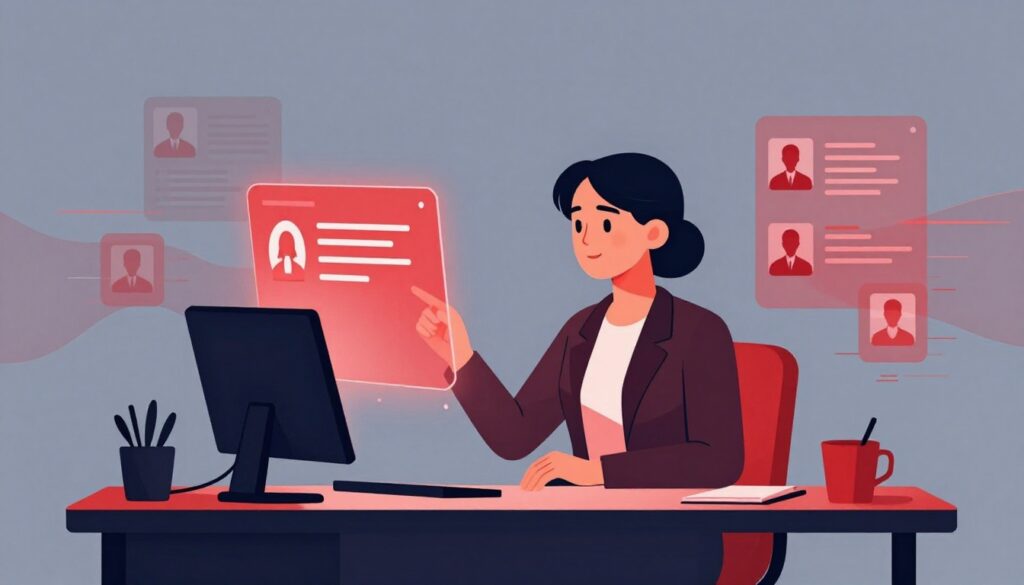
A corporate CEO looks at a glowing red holographic chat interface at her desk.

AI Customer Service Risks for Business: What Faster Answers Can Cost You

Integrating artificial intelligence in customer service can cut response times, answer routine questions around the clock, support your agents, and help you scale service without adding headcount at the same rate to improve operational costs and efficiency. For CEOs, COOs, founders, and boards, that speed can improve customer experience cx and operating margins. However, one

AI Customer Service Risks for Business: What Faster Answers Can Cost You Read More »