

In the era of digital transformation, hiring more developers feels like progress. Sometimes it is. But if your priorities are fuzzy, your ownership is blurry, and your reporting does not tell you much, another hire can make the mess bigger.
Growing companies usually do not get stuck because people are lazy. They get stuck because no one is clearly steering the work, the tradeoffs, and the decisions, which erodes enterprise value. That is where technology leadership matters. You need it before you add more builders, not after the backlog starts shouting at you.
Start with the real problem. Then decide whether a new hire is the answer.
Key takeaways
- More developers only help when the work is already clear.
- Weak ownership and weak reporting create drag that headcount cannot fix.
- Good technology leadership ties business outcomes to technical choices.
- If you cannot explain the outcome through strategic thinking, the hire is probably too early.
More developers won’t fix unclear ownership
A bigger team does not solve weak operating models. It just gives the confusion more people to visit.
If the roadmap is unstable, every new developer spends time asking the same questions. What matters first? Who approves what? What are we not doing? If nobody can answer cleanly, the team starts building in pieces. That creates rework, slow decision-making, and more meetings than you wanted.
That is why the right first question in your talent strategy is not “Who should we hire?” It is “What problem are we actually trying to solve?” In Do I Need a Fractional CTO?, the point is simple, name the operating failure before you shop for comfort.
If you cannot explain the business outcome in plain language, the hire is too early.
You may think you need more code output. What you often need is clearer direction, stronger ownership, and a better way to decide what should happen next.

What technology leadership changes before headcount grows
Good technology leadership gives you a single view of priorities, risk, and ownership. It tells you which systems matter, such as artificial intelligence implementations and emerging technologies that require oversight, which vendors need tighter control, and which projects should stop.
It also changes how the business talks about technology. Reporting gets sharper for global competitiveness. Tradeoffs get clearer. The board stops hearing noise and starts hearing decisions they can defend. That matters when the company is growing and every missed call costs time, money, or trust.
The issue is not more activity. It is better judgment.
That is why technology priorities for growing companies keeps circling back to the same idea. Growth without a clear operating model just creates more expensive motion. More tools. More tickets. More work with less confidence.
When you add leadership first, you get a different result that fosters an innovation ecosystem. Developers know what matters. Operators know who owns what through cross-functional collaboration. Executives know where the risk sits. Then hiring becomes a scaling move, not a rescue plan.
The hidden cost of hiring too soon
When you skip technology leadership, the bill shows up in places that are easy to miss.
Rework goes up. Vendors gain more influence than they should have. Managers spend more time translating than leading. Your best engineers end up acting like firefighters instead of builders, fighting hidden risks like cybersecurity vulnerabilities. That is a bad use of good people.
You also pay in morale. Smart developers can feel when the system is loose. They know when priorities shift without explanation, eroding their influence and motivation. They know when they are being asked to build inside a fog bank. If that keeps happening, they leave, or they disengage.
Why Growth Stops When Technology Leadership Is Missing gets this right. The problem is not that the team is trying less. The problem is that weak leadership forces the team to absorb chaos it did not create.
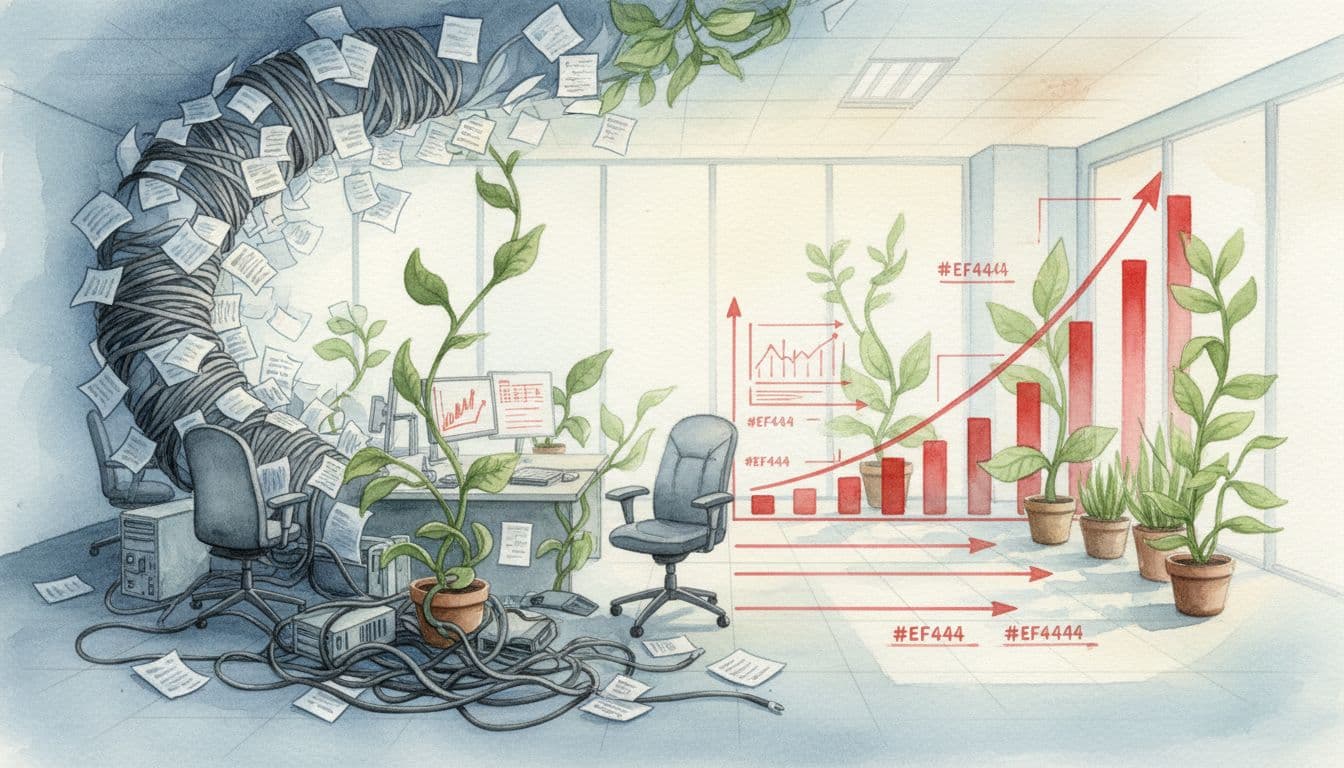
The hidden cost is not just slower delivery. It is more confusion, more rework, and more risk sitting in the corners of the business.
Leadership development is the key to mitigating these internal costs.
What to do before you open another requisition
Before you hire, ensure leaders have clear action plans by answering three questions.
- What business outcome does this role support, such as scaling AI?
- Who owns the decision rights around priorities, vendors, and risk?
- What reporting will show whether the work is helping?
If those answers are fuzzy, you do not need more developers yet. You need clearer leadership.
That is often where a fractional or interim technology leader fits, offering leadership coaching, mentorship, and global leadership. You get executive judgment without waiting for a long search or forcing a bad full-time hire. If you want help naming the problem around emerging technologies in plain language, schedule a decision-clarity call.

The point is not to delay growth. The point is to make the next hire useful.
Conclusion
You do not hire your way out of confusion. You lead your way out through change management.
When your company is growing, technology leadership makes the work easier to see, easier to own, and easier to defend, especially for modern workflows like human-AI collaboration that require cross-functional collaboration. Once that is in place, hiring more developers can help build a future-ready workforce. Before that, you are just adding more hands to a shaky system.
FAQ
When should you hire more developers?
You should hire when the roadmap is stable, ownership is clear, onboarding is repeatable, and engineering is the true bottleneck backed by technical expertise and stakeholder buy-in. A useful rule of thumb is this, if you cannot explain what the hire will change in business terms, wait.
What if you already have technical managers?
Then the question is whether they have enough executive structure around them with agile leaders and global leadership. If reporting is weak, priorities keep shifting, or vendors are driving too many decisions, you have a leadership gap above the team. That is not solved by adding another developer.
How do you know you need leadership instead of headcount?
Look at the friction. If the business keeps arguing about priorities, if the board cannot see risk clearly, or if projects keep stalling for the same reasons with weak leadership development, poor decision-making, limited professional development, no succession planning, or ineffective collaborative communication, you need leadership first. More developers do not fix a lack of direction.