CTO Input

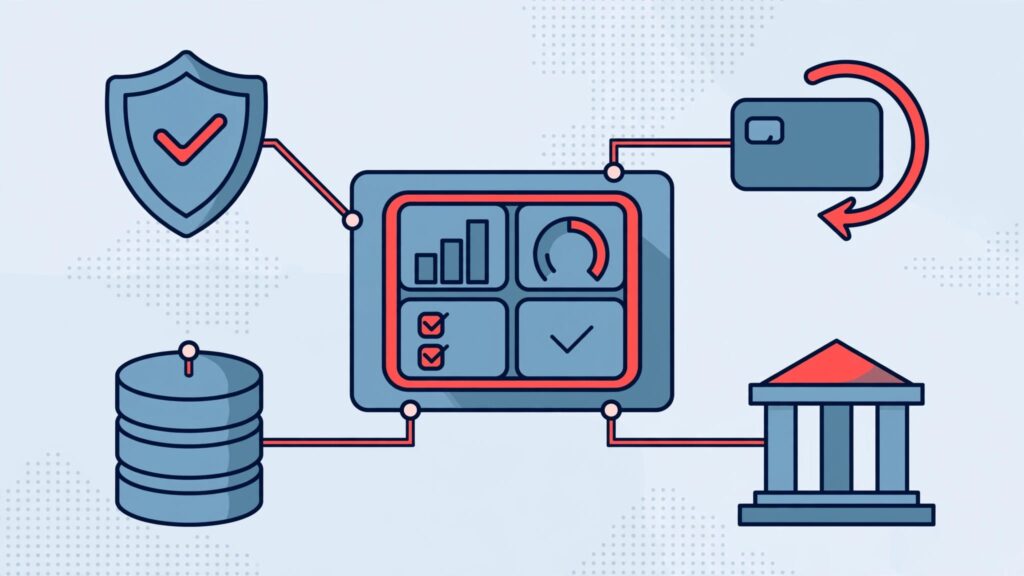
CFO reviewing a dashboard with folders, data links, charts, and checkmarks.

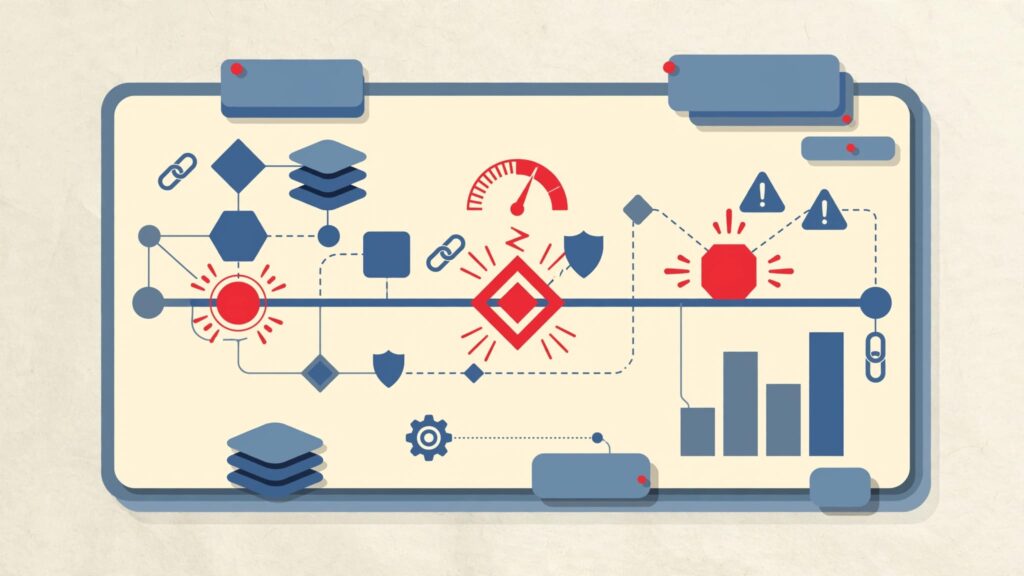
How to Build a Technology Benefits Register CFOs Can Audit

One control record gives you a clear view of the outcomes your investments should produce. It shows who owns each one, how it’s measured, and what evidence supports its value. Here, it means a program or portfolio record, not employee benefits software or a public benefits platform. Nor is it an advocacy hub for medicare […]

How to Build a Technology Benefits Register CFOs Can Audit Read More »

A central data hub separates into two secure network systems linked by red data pathways.

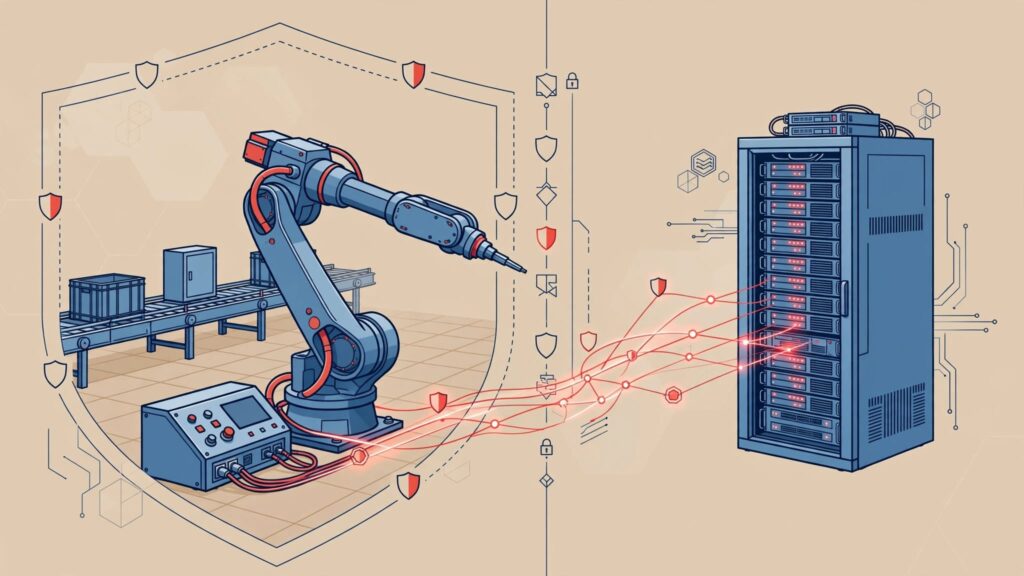
IT Carve-Out: Separate Systems Without Breaking the Business

An IT carve-out can support value creation when operational risks are controlled. Shared systems, data, vendors, identities, and infrastructure rarely divide cleanly when the deal closes. The target business must operate independently without losing orders, payroll, customer access, reporting, or security controls. Meanwhile, the parent company must keep those capabilities running through the separation. That

IT Carve-Out: Separate Systems Without Breaking the Business Read More »

Connected enterprise networks meet at a central hub protected by a shield.

The First 100 Days of Tech Integration After an Acquisition

An acquisition can create value quickly, but technology gaps can slow integration, raise cyber risk, disrupt customers, and weaken confidence in the deal. Day one readiness helps limit these risks, while a post acquisition IT integration plan protects the business before it tries to combine every system. The first 100 days are the core phase

The First 100 Days of Tech Integration After an Acquisition Read More »

An executive reviews a technology roadmap beside servers, cloud icons, vendor folders, and security symbols.

How to Prepare Technology for Company Sale in Six Months

A possible acquisition changes the questions your leadership team must answer, particularly when selling a technology business. Buyers will assemble a deal team to examine whether your technology supports revenue, protects customer trust, controls cost, and can operate through the transaction. Knowing how to prepare technology for company sale is not about making every system

How to Prepare Technology for Company Sale in Six Months Read More »

A digital infrastructure dashboard shows connected systems and a cracked red warning path.

Buy-Side Technology Due Diligence: What Kills Deals

A target can look attractive on paper during mergers and acquisitions, but hidden technology problems can threaten revenue, post-close value, and the integration plan, making buy side due diligence essential. A buy side technology due diligence checklist helps you test whether the systems, people, vendors, data, security controls, and technology costs support the investment thesis.

Buy-Side Technology Due Diligence: What Kills Deals Read More »

A cybersecurity leader holds a glowing shield key amid connected servers and monitoring panels.

Your MSP Security Strategy Needs an Owner

Your managed service provider can monitor alerts, patch systems, manage backups, and respond to tickets. It still can’t decide which business risks your company is willing to accept. An MSP security strategy becomes a real security program when it aligns with your broader cybersecurity strategies. Someone on your side must own the decisions, evidence, priorities,

Your MSP Security Strategy Needs an Owner Read More »

A glowing network core sits inside a red shield with blue control nodes.

How to Start an AI Governance Program in 90 Days

Your company may already be using public AI tools, embedded features, custom models, or employee-built automations without a shared policy, making generative ai governance increasingly important. That doesn’t mean your team is careless. It means enterprise ai adoption often moves faster than leadership structure. If you’re asking how to start an ai governance program, the

How to Start an AI Governance Program in 90 Days Read More »

A policy document conflicts with a network dashboard as an executive observes a red warning line.

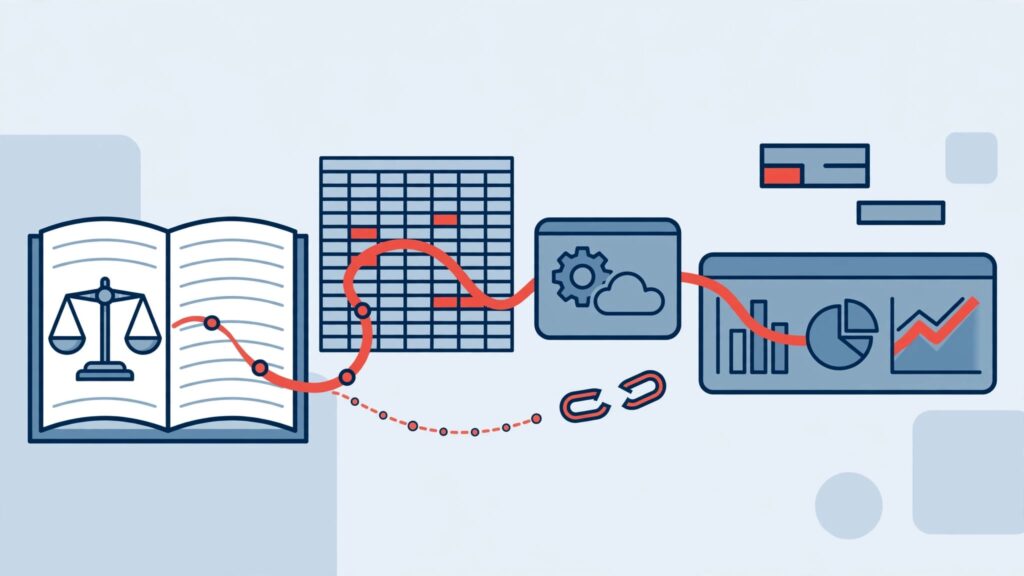
When an Information Security Policy Becomes a Liability

A written information security policy can look like proof of control until an incident, audit, customer review, or lawsuit tests it against reality. If the document says one thing while your systems, vendors, or employees do another, the policy may give a reviewer a clear record of the gap. That doesn’t create automatic legal liability

When an Information Security Policy Becomes a Liability Read More »