
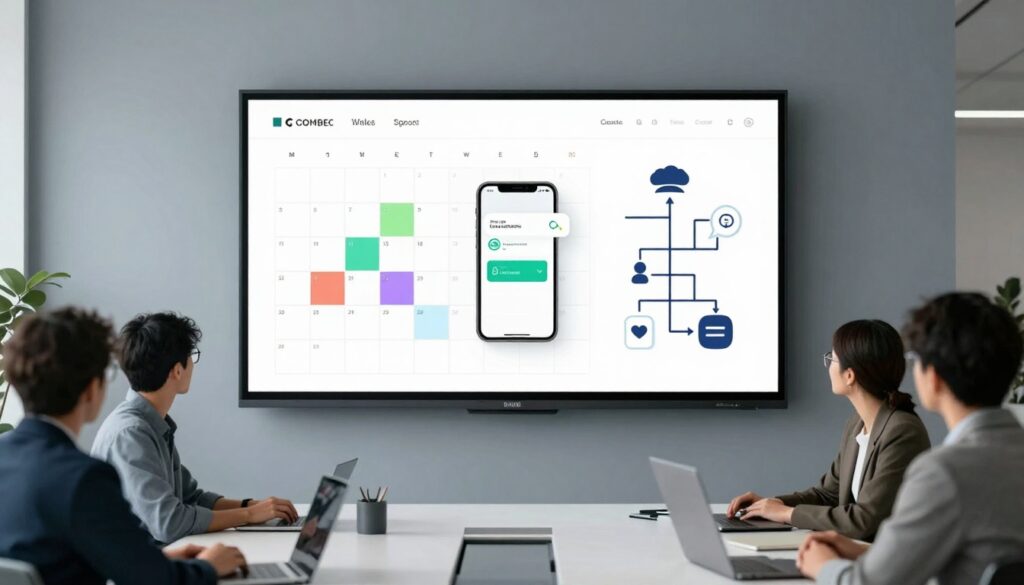
The intake line hits a wall at 10:05 a.m. Calls stack up. Voicemails pile up. A person with a court date tomorrow tries again and again, then gives up. Later, staff find a note, half-written, with no call-back number. Everyone feels the same sinking thought: what did we miss?
This is the scale problem in miniature. You can’t lawyer your way out of it. You need capacity multipliers that respect real constraints, staff time, budgets, rural access, language needs, and privacy risk. An intake callback queue with scheduled time slots and SMS confirmation is one of the few changes that can reduce chaos fast, without rewriting your whole intake model.
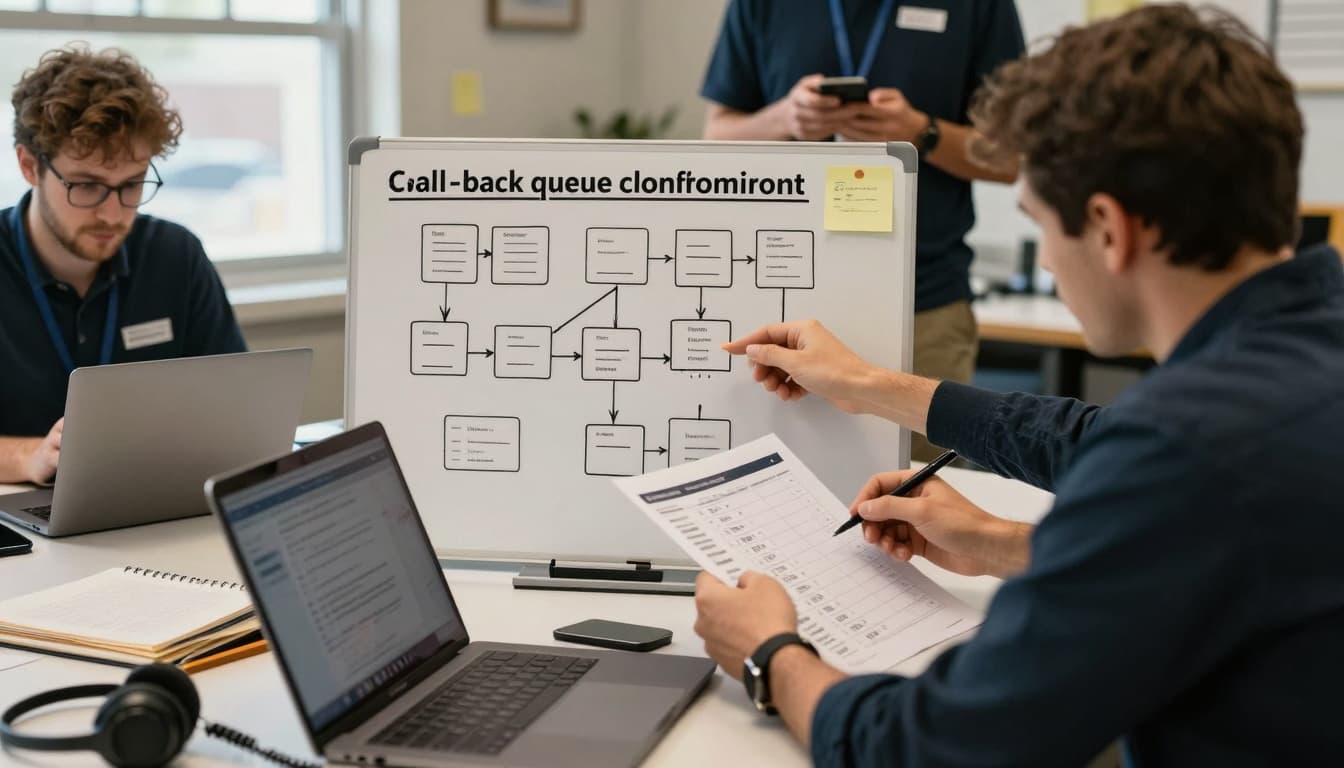
Key takeaways (callback queue + SMS scheduling):
- Replace “keep calling” with scheduled call-backs that people can trust.
- Use time slots to smooth peak volume and protect staff focus.
- Add SMS confirmation and reminders to reduce no-shows and phone tag.
- Measure success with a 60-day scoreboard (abandon rate, speed to contact, deadline saves).
- Stop doing the manual workarounds that quietly create missed-deadline risk.
The justice experience behind abandoned calls (and why it’s not “just a phone problem”)
An abandoned call is often treated like a service metric. In justice work, it’s also a safety metric.
When someone can’t reach you, bad things happen:
- They miss deadlines for forms, hearings, or benefits.
- They repeat their story across multiple attempts, then stop trying.
- They rely on advice from the wrong place because it’s the only place that answered.
Meanwhile, staff pay for every broken attempt. More voicemails. More sticky notes. More “I called them back twice” entries with no proof. That’s how fragile systems steal capacity and trust, as described in common technology challenges facing legal nonprofits.
A callback queue doesn’t solve the justice gap. It does solve a chokepoint: the moment when demand spikes and the system asks people to behave like a call center expert.
What a callback queue is (and what it isn’t)
A callback queue is simple: when wait times rise, callers can choose a call-back instead of staying on hold or trying again later. The best versions add scheduled time slots and SMS confirmation, so the call-back becomes an appointment, not a vague promise.
It’s not a shiny front door. It’s plumbing. Think of intake like a one-lane bridge. If you keep waving more cars onto it, you get gridlock. A callback queue creates metered entry, without turning people away.
If you want a neutral explainer of how scheduled call-backs reduce time spent waiting, CDW’s overview is a helpful starting point: how scheduled callback solutions reduce waiting in phone queues.
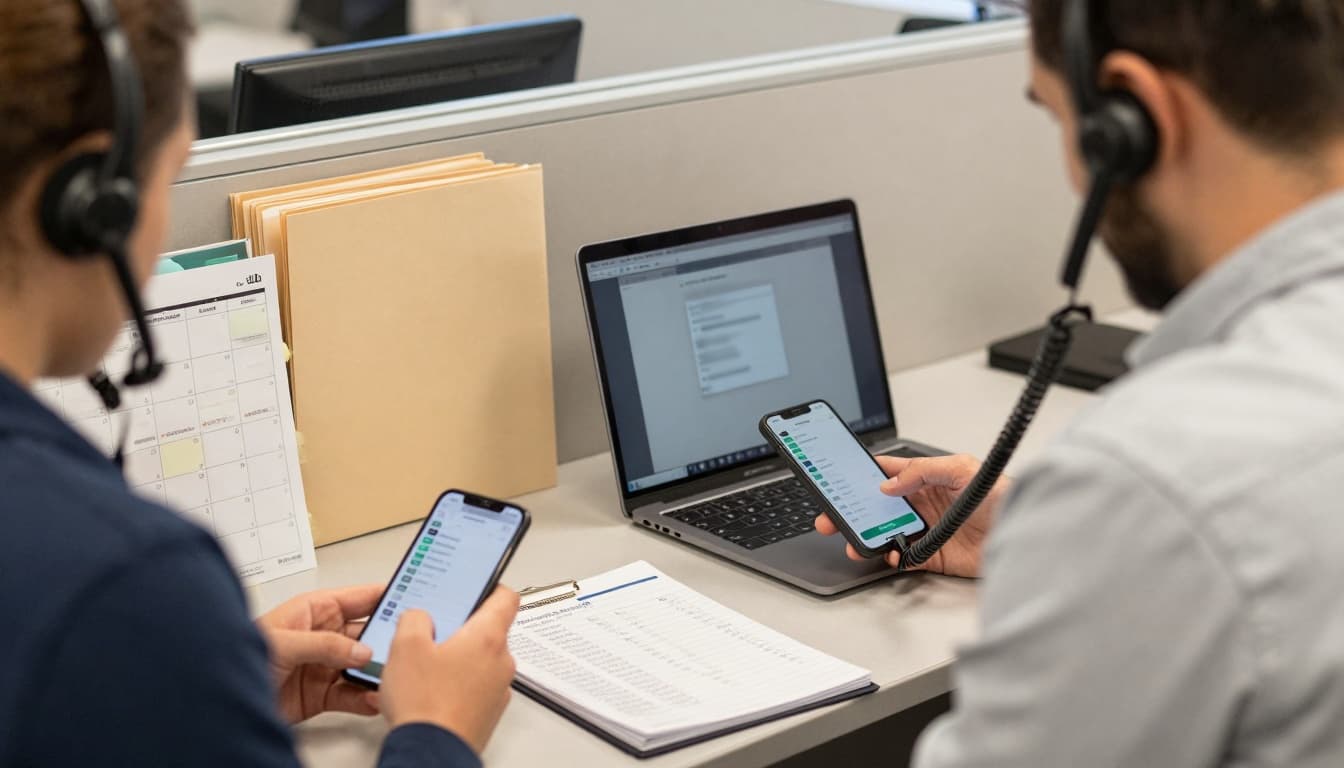
Design the workflow first: time slots + SMS confirmation that people can actually use
Start with the work, not the tool. The goal is fewer repeats, fewer misses, and fewer “unknown outcomes.”
A practical callback queue workflow has four pieces:
1) Clear offer language at the moment of overload
If the caller is already frustrated, the option has to be plain: “We can call you back today. Pick a time.” Avoid long menus.
2) Time slots that match staffing reality
Don’t overpromise. Build slots around:
- Peak patterns (often lunch hours, Mondays, and post-holiday surges)
- Language coverage windows
- The work you must protect (court deadlines, detained calls, shelter crises)
3) SMS confirmation that reduces phone tag
SMS is not a marketing channel here. It’s an operational receipt. It should confirm:
- the time window,
- the number you’ll call from (or at least that it may be blocked),
- what the caller should have ready (minimal),
- how to reschedule.
For background on why SMS can reduce repeat calls under high volume, this short guide is useful: reduce call volume with an SMS-enabled automatic callback.
4) A “couldn’t reach you” loop that doesn’t create silence
If the call-back fails, make the next step automatic: a second attempt inside a defined window, then a text that offers a new slot (with a way to opt out).
A tight implementation plan belongs in your broader operating model, not as a side project. This is where a step-by-step technology planning approach for justice organizations keeps the work grounded and assignable.
The 60-day scoreboard: how to cut abandoned calls by 20 percent without guessing
“20 percent in 60 days” can be realistic, but only if you treat it like an operations test. Put a scoreboard on the wall and agree on decision rights.
Track these, weekly:
- Abandon rate: percent of calls that hang up before connection.
- Speed to first contact: time from first attempt to a real conversation.
- Successful call-back rate: completed call-backs divided by scheduled.
- Repeat attempts per person (a proxy for frustration and confusion).
- Staff hours recovered: time previously spent on manual call-back chasing.
A quick target table helps align the team:
| Metric | Baseline (Week 0) | 60-day target | Owner |
|---|---|---|---|
| Abandon rate | Current actual | 20% lower | Intake lead |
| Successful call-backs | Current actual | Higher, consistent | Ops manager |
| Time to first contact | Current actual | Down week over week | Program lead |
If the numbers don’t move by week 3, don’t debate intent. Change the design. Adjust time slot supply, simplify the SMS, or tighten who qualifies for same-day service.
Want proof that operational fixes can produce measurable outcomes? See client outcomes from justice-sector technology work.
Reduce missed-deadline risk with privacy-by-design (and one thing to stop doing)
Intake is where privacy risk quietly piles up. SMS adds sensitivity, so set guardrails up front:
- Consent to text, with opt out.
- Minimal content in messages (no case facts).
- Short retention for call-back logs, tied to policy.
- Role-based access for intake notes and contact data.
LSC’s intake technology baselines are a good reference point when you’re checking your phone system capabilities: LSC baseline for intake and telephonic advice, telephone systems.
Now the capacity unlock: stop telling people to “call back later.” It feels harmless, but it creates repeat calls, worse data, and more missed connections. Replace it with a concrete promise you can keep: a scheduled call-back or a documented next step.
If you need help selecting and governing the right approach without turning it into a months-long procurement cycle, start with CTO Input’s legal nonprofit technology products and services.
FAQs: callback queues in justice-focused intake
Can a callback queue work for rural callers or people with unstable phone access?
Yes, if you keep time windows short and allow easy rescheduling. SMS confirmation helps because it’s a lightweight receipt, but you should still support voice-only paths.
What if callers miss their time slot?
Expect some misses. The fix is a defined second attempt and a simple rebooking path, not extra manual chasing.
Do we need new systems to do this?
Not always. Many organizations start by improving workflow and measurement first, then choose technology based on what the data shows.

How CTO Input helps you make this real (without adding chaos)
CTO Input helps justice-focused organizations turn a callback queue from an idea into a measured operating change. That means mapping how intake really works, setting clear decision rights, tightening privacy guardrails, and building a simple scoreboard your board and funders can understand.
A concrete next step: run a 30-day pilot in one program line, with two weekly check-ins and a clear “change it if the numbers don’t move” rule. If you want a calm partner to guide that work, start at https://www.ctoinput.com and keep learning at https://blog.ctoinput.com. When you’re ready to talk through your intake chokepoint, schedule time here: https://ctoinput.com/schedule-a-call.
Honest prioritization question: which single intake failure, abandoned calls, missed call-backs, or deadline slips, is costing you the most trust right now?