tech due diligence

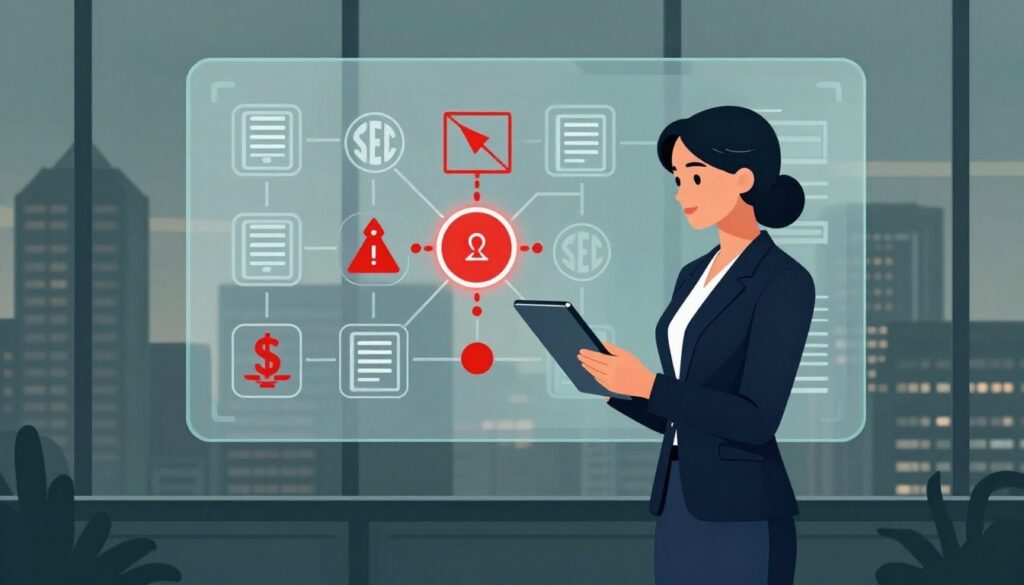
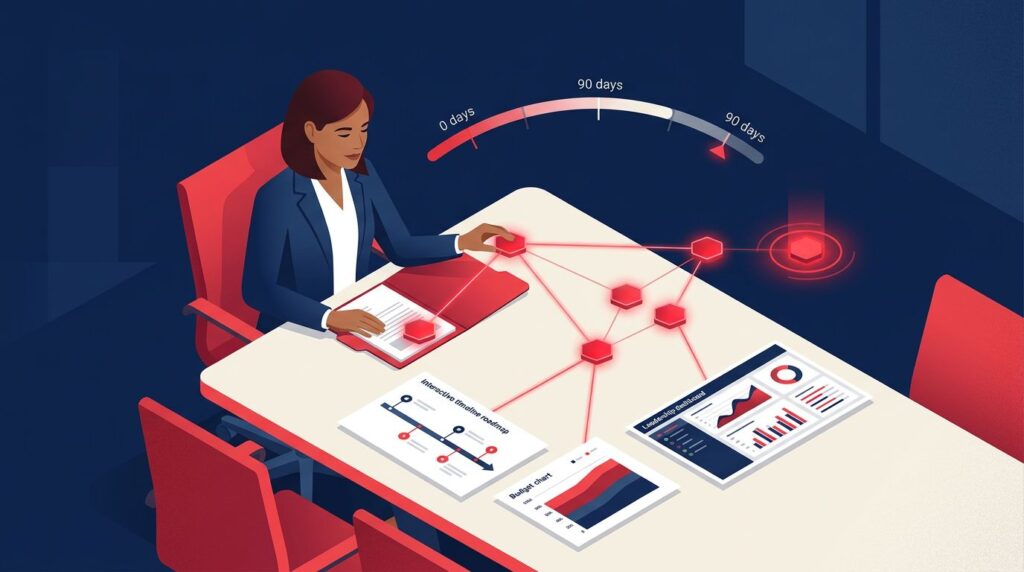
An operating partner connects diligence report nodes to a roadmap and dashboard at a conference table.

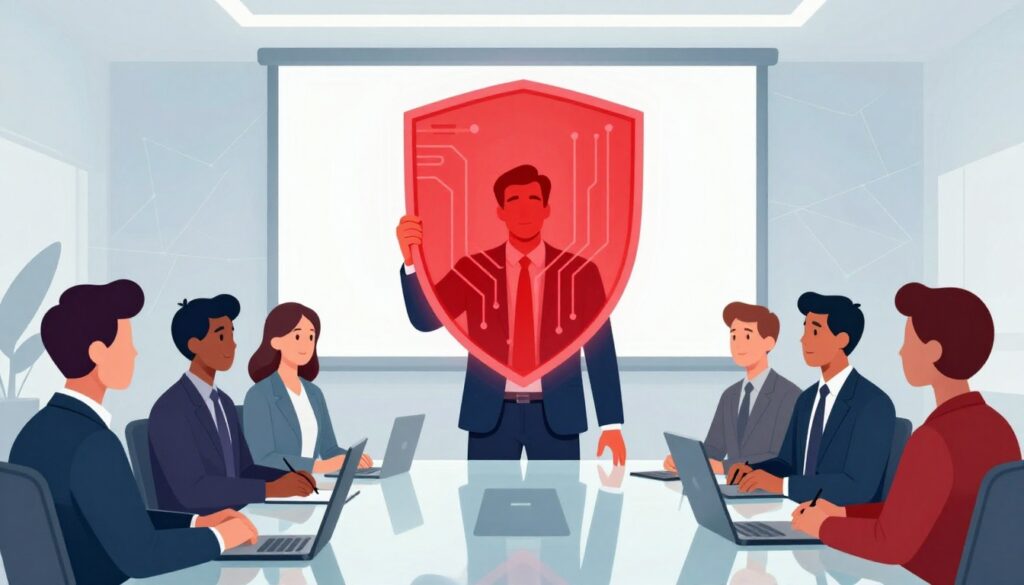
Why Tech Diligence Findings Die After Close — and How Operating Partners Keep Them Alive

A deal can close with a thorough report, a red-flag list, and strong conviction. Then the business goes back to work, and the report starts collecting dust. That is why tech diligence findings often fail to change anything. The findings may be accurate, but nobody has made them part of the operating plan, the budget,

Why Tech Diligence Findings Die After Close — and How Operating Partners Keep Them Alive Read More »

Prepare Your Technology Organization for Growth, Sale, or Investment

Prepare Your Technology Organization for Growth, Sale, or Investment

Growth puts pressure on every weak decision your company made when things were simpler. Systems that once worked well enough start slowing teams down. Vendor contracts pile up. Reporting gets harder to trust. Nobody can give a clean answer about risk, spend, or what should happen next. That is why technology organization growth is not

Prepare Your Technology Organization for Growth, Sale, or Investment Read More »

Technology Due Diligence Before Investors Write a Check

Technology Due Diligence Before Investors Write a Check

Investors can forgive a messy system. They rarely forgive a leadership team that cannot explain the mess. Technology due diligence is where your claims about growth, margin, customer experience, and risk meet operating reality. When evaluating a target company, investors will look closely at whether your technology story matches your actual capabilities. If your narrative

Technology Due Diligence Before Investors Write a Check Read More »

Pre-IPO Security Maturity: What Institutional Investors Ask in the Roadshow

Pre-IPO Security Maturity: What Institutional Investors Ask in the Roadshow

A roadshow can make a familiar security problem feel much larger. Mastering Pre-IPO Security Maturity is not just a technical requirement but a strategic necessity to prevent deal delays and ensure a successful Initial Public Offering. Institutional investors are not asking whether you have zero cyber risk; they are asking whether you know where risk

Pre-IPO Security Maturity: What Institutional Investors Ask in the Roadshow Read More »

The Technology Disclosures in Your S-1: What Gets Written and Who Gets Blamed

The Technology Disclosures in Your S-1: What Gets Written and Who Gets Blamed

An S-1 registration statement can turn years of technology choices into public statements. Outages, cyber events, technical debt, vendor dependence, weak controls, and delayed projects may all become part of the story investors read. Preparing for an Initial Public Offering (IPO) involves significant oversight from the Securities and Exchange Commission to ensure the company provides

The Technology Disclosures in Your S-1: What Gets Written and Who Gets Blamed Read More »

Technology Due Diligence Checklist for CEOs and Boards

Technology Due Diligence Checklist for CEOs and Boards

The ugliest technology surprises rarely come from the code. They come from ownership nobody can explain, spend nobody can defend, and risks nobody has tracked in board language. Often, these hidden liabilities are the primary reason a private equity firm might reevaluate an acquisition, as they can quickly undermine the original investment thesis. By the

Technology Due Diligence Checklist for CEOs and Boards Read More »

Technology Due Diligence Questions CEOs Should Ask Before Buying

Technology Due Diligence Questions CEOs Should Ask Before Buying

A deal can look clean until you ask the wrong questions. The seller has a polished deck, the demo runs fine, and everyone sounds confident. Then you start digging and find technical debt, vendor dependence, shaky security, and a roadmap held together by hope. That is where technology due diligence matters. Whether you are leading

Technology Due Diligence Questions CEOs Should Ask Before Buying Read More »

Technology Due Diligence Red Flags That Kill Mid-Market Deals

Technology Due Diligence Red Flags That Kill Mid-Market Deals

In the fast-paced world of M&A transactions, a mid-market deal rarely falls apart because of one ugly system. Instead, these acquisitions typically collapse because the buyer identifies a pattern they do not trust. That pattern emerges quickly during the evaluation phase. Weak ownership, messy reporting, rising cyber exposure, and heavy vendor dependence all tell the

Technology Due Diligence Red Flags That Kill Mid-Market Deals Read More »

How to Prepare Your Tech Stack Before Selling Your Company

How to Prepare Your Tech Stack Before Selling Your Company

A sale in the context of mergers and acquisitions exposes everything. Weak systems, messy ownership, duplicate tools, and half-finished work show up fast when a buyer starts asking hard questions. If your tech stack is hard to explain today, it will be harder to defend during tech stack due diligence or formal technical due diligence.

How to Prepare Your Tech Stack Before Selling Your Company Read More »