
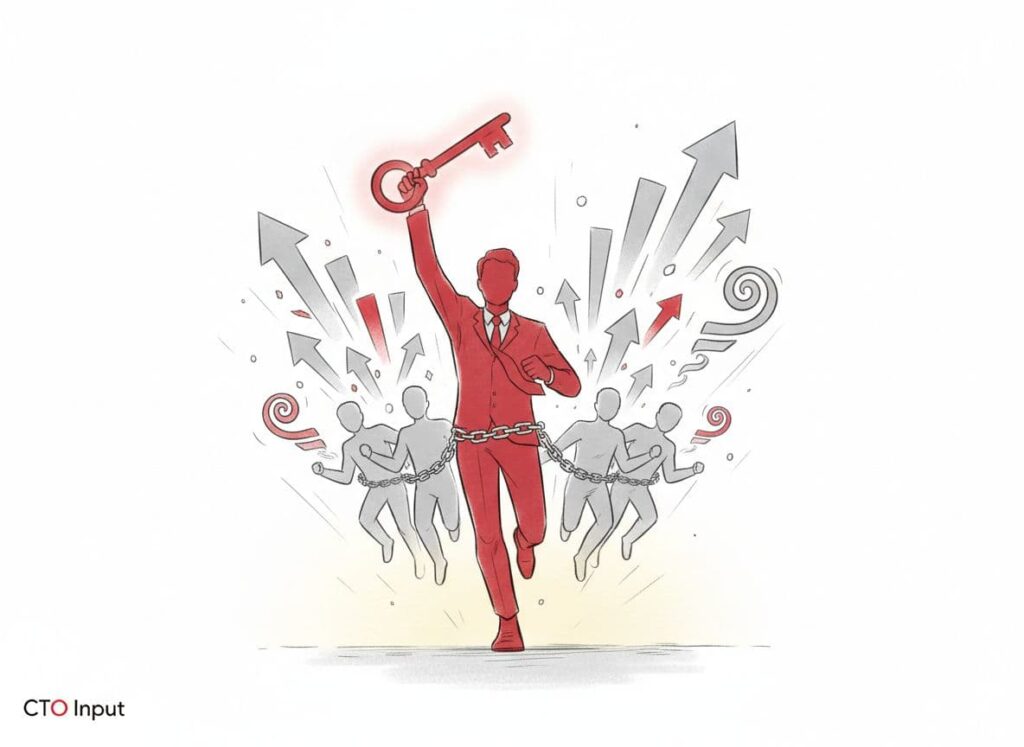
As 2025 approaches, organizations face unprecedented shifts in the way teams operate and leaders guide them. The difference between thriving and struggling businesses will often come down to effective leadership and team cohesion.
This guide delivers a practical, step-by-step roadmap for leaders seeking to create high-performing teams and drive organizational success in the year ahead. You will discover actionable strategies and proven insights, empowering you to build, align, and sustain teams that excel.
Expect to explore the latest trends in leadership, how to assemble the right team, foster collaboration, harness technology, and measure success. Real-world examples and data-driven recommendations will provide the clarity and confidence you need.
Ready to meet the challenges of 2025? Let’s begin your journey toward leadership and team excellence.
The Evolution of Leadership: Trends Shaping 2025
The concept of leadership and team dynamics is experiencing rapid transformation as we approach 2025. Leaders must adapt to shifting expectations, evolving technologies, and the increasing importance of diversity and inclusion. Understanding these trends is essential for any organization intent on thriving in the modern business landscape.
Shifting Leadership Paradigms
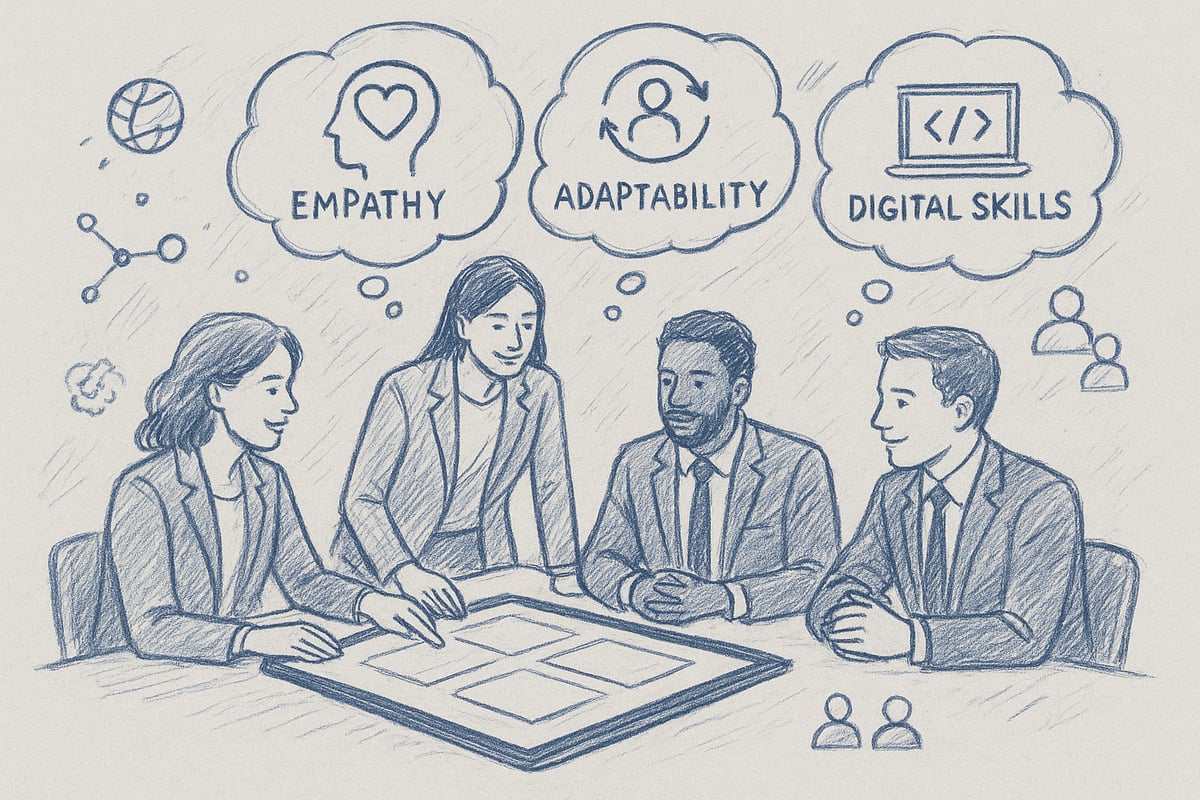
Traditional command-and-control models are giving way to collaborative approaches that empower every leadership and team member. The rise of distributed and remote teams since 2020 has necessitated new ways of working, where trust and autonomy play central roles.
Emotional intelligence and empathy have become critical traits, with companies led by emotionally intelligent leaders reporting 20 percent higher employee engagement, according to Gallup. In volatile, uncertain environments, adaptive leadership is no longer optional. Organizations that invest in developing these capabilities within their leadership and team structures consistently outperform those that do not.
Diversity, Equity, and Inclusion as Core Principles
Diversity, equity, and inclusion are now central to leadership and team success. Organizations are recognizing DEI not just as a value statement, but as a business imperative. McKinsey reports that diverse teams are 35 percent more profitable than their homogenous counterparts.
Embedding DEI into leadership and team practices involves setting clear goals, providing education, and holding leaders accountable. Inclusive leadership helps drive innovation by encouraging varied perspectives and creating space for all voices. In 2025, organizations that prioritize DEI will see measurable gains in creativity and performance.
Technology’s Influence on Leadership
Digital transformation is reshaping how leadership and team functions operate. Leaders are leveraging AI, analytics, and digital tools to make informed, data-driven decisions. According to Deloitte, 67 percent of leaders now cite tech fluency as a top skill for effective leadership and team management.
Emerging trends, such as those discussed in Leadership Trends for 2025, highlight the need for leaders to bridge human insight with digital capabilities. Those who master both worlds can guide their leadership and team strategy to achieve sustainable competitive advantage.
Key Leadership Skills for 2025
To succeed, every leadership and team member will need to hone specific skills: critical thinking, adaptability, digital literacy, and authentic communication. The fast-changing environment of 2025 demands leaders who are committed to continuous learning and personal growth.
Fostering these skills across the leadership and team structure ensures resilience and agility. Organizations that encourage ongoing development will be best positioned to navigate future challenges and seize new opportunities.
To learn more about how technology leadership can empower your team’s success, visit https://www.ctoinput.com and connect with a member of the CTO Input team.
Spend a few minutes exploring the rest of the articles on the CTO Input blog at https://blog.ctoinput.com for more insights on leadership, technology, and organizational growth.
Building High-Performing Teams: Foundations for Success
Creating high-performing teams is at the core of effective leadership and team development. Success in 2025 will belong to organizations that intentionally design teams with shared vision, the right talent, the best structure, and absolute clarity in roles. Let us break down these essential foundations.
Defining and Aligning Team Purpose
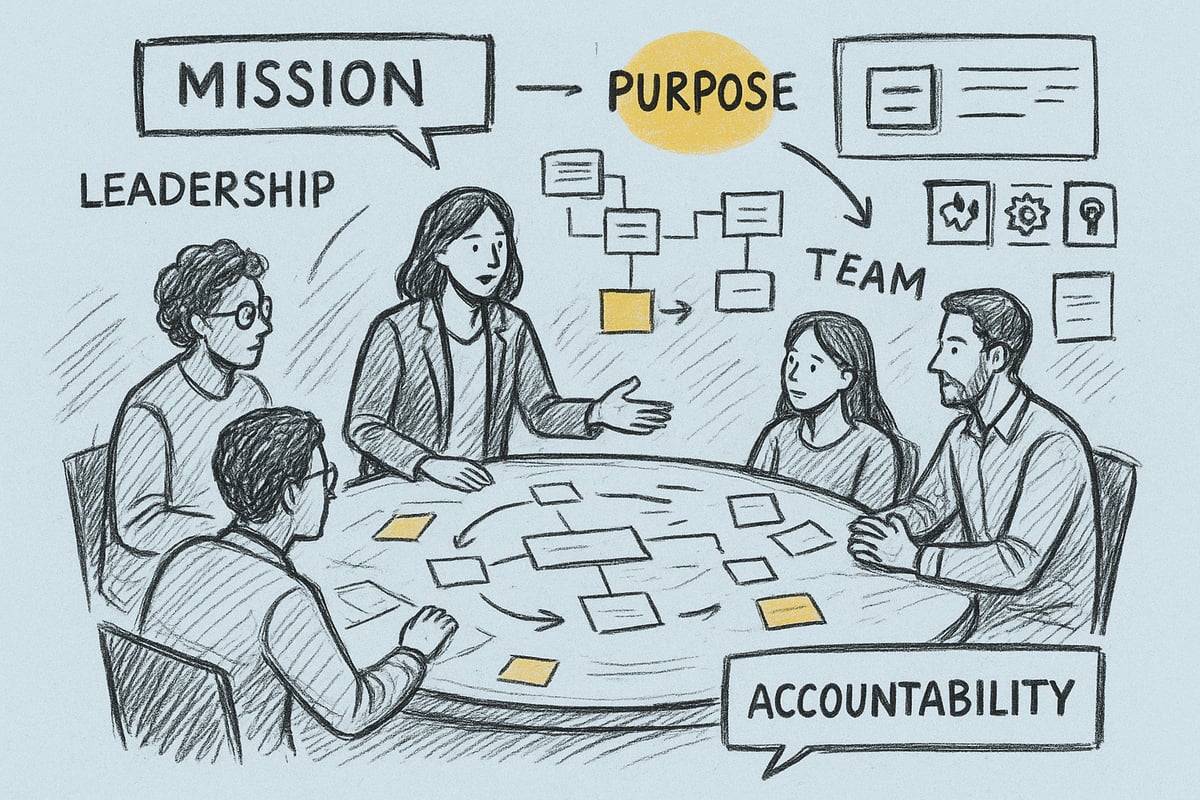
Purpose is the north star for any leadership and team initiative. Teams anchored in a clear mission are more engaged, resilient, and productive. Research from Harvard Business Review found that teams with a shared sense of purpose are 42% more productive.
One real-world example is Google’s Project Aristotle, which revealed that psychological safety and purpose drive team excellence. Leaders should facilitate open dialogues to co-create purpose statements and connect individual goals to organizational vision.
Social skills and team familiarity also play a critical role, as highlighted in the Team Player Effect Study, which links strong interpersonal connections to better performance. When leadership and team members unite around a common cause, results follow.
Selecting and Developing the Right Talent
Strategic talent selection is vital for leadership and team success. Prioritize both skill fit and cultural alignment during hiring. The best teams blend technical expertise with adaptability, emotional intelligence, and a growth mindset.
Investing in continuous learning pays off. According to LinkedIn, 94% of employees stay longer at organizations that invest in their development. Leadership and team growth is sustained through mentorship, training programs, and peer learning opportunities.
To boost resilience, encourage cross-training and create pathways for advancement. This approach builds bench strength and prepares teams to adapt quickly to change, a must-have in the evolving business landscape.
Establishing Effective Team Structures
The right structure can make or break leadership and team performance. Flat structures encourage agility and rapid decision-making, while hierarchical models may suit larger organizations with clear reporting lines.
Cross-functional teams drive innovation by bringing together diverse perspectives. Spotify’s squad model, for example, empowers autonomous groups to deliver results quickly.
Leaders should regularly assess whether the structure supports the strategy. Use agile frameworks or regular retrospectives to identify bottlenecks and opportunities for improvement, ensuring the leadership and team dynamic remains strong.
Clear Roles, Responsibilities, and Accountability
Role clarity is essential for every leadership and team effort. Ambiguity breeds conflict and inefficiency. Tools like the RACI matrix clarify who is Responsible, Accountable, Consulted, and Informed for each task.
| Benefit | Impact on Teams |
|---|---|
| Reduced conflict | Smoother collaboration |
| Faster decision-making | Higher productivity |
| Accountability | Reliable results |
With clear roles and expectations, leadership and team members can focus on delivering results together.
To learn more about how technology leadership can empower your team’s success, visit https://www.ctoinput.com and connect with a member of the CTO Input team.
Spend a few minutes exploring the rest of the articles on the CTO Input blog at https://blog.ctoinput.com for more insights on leadership, technology, and organizational growth.
Fostering Collaboration and Communication
Effective collaboration and communication are the backbone of every high-performing leadership and team dynamic. As organizations adapt to new work models, leaders must intentionally foster environments where ideas flow freely and every voice is valued.

Building a Culture of Trust and Openness
Trust is the foundation of effective leadership and team collaboration. When leaders model vulnerability and transparency, they set the stage for open dialogue and creative risk-taking. Radical candor, a practice adopted by many tech firms, encourages honest feedback while maintaining respect.
High-trust companies consistently outperform their peers, with studies showing a 286% advantage in performance. To build trust, leaders should regularly communicate team goals, invite input, and address concerns promptly. For more practical strategies, explore Leadership Insights for Modern Teams for expert perspectives on fostering trust and openness within your leadership and team approach.
Leveraging Technology for Seamless Communication
Modern leadership and team success depend on the right digital tools. Platforms like Slack, MS Teams, and Zoom enable real-time and asynchronous collaboration, bridging gaps in remote and hybrid settings. Choosing between synchronous and asynchronous methods allows teams to balance responsiveness with deep work.
According to Gartner, 70% of teams report improved collaboration with digital tools. Leaders should set clear norms for tool usage, ensuring that communication remains efficient and inclusive. Emphasizing technology fluency within your leadership and team enhances adaptability and productivity.
Conflict Resolution and Feedback Mechanisms
Constructive conflict is essential for innovation within any leadership and team environment. Leaders must establish feedback loops, such as regular check-ins and 360-degree reviews, to surface issues early and encourage open discussion.
Netflix’s “culture of feedback” policy demonstrates how addressing conflict head-on leads to continuous improvement. By normalizing feedback, leaders empower their teams to resolve disagreements before they escalate, strengthening the overall leadership and team dynamic.
Celebrating Wins and Learning from Setbacks
Recognizing achievements energizes the leadership and team spirit. Celebrations, whether large or small, reinforce a sense of progress and collective pride. Equally important are debriefs and retrospectives, which turn setbacks into learning opportunities.
By embedding recognition and reflection into regular routines, leaders create a resilient leadership and team culture that is always evolving and improving.
To learn more about how technology leadership can empower your team’s success, visit https://www.ctoinput.com and connect with a member of the CTO Input team.
Spend a few minutes exploring the rest of the articles on the CTO Input blog at https://blog.ctoinput.com for more insights on leadership, technology, and organizational growth.
The Role of Technology in Team Leadership
Technology is transforming how organizations approach leadership and team success. Today, digital tools are essential for aligning goals, boosting productivity, and empowering leaders to make smarter decisions. As the workplace evolves, integrating the right technology becomes a defining factor in building high-performing teams.
Digital Tools for Team Alignment and Productivity
Modern leadership and team performance hinge on the effective use of digital platforms. Project management tools such as Asana, Trello, and Jira streamline workflows, clarify responsibilities, and foster transparency. By automating routine tasks, teams free up time for strategic work and innovation.
Integrated tech stacks, where communication, documentation, and project tracking tools work together, are now standard for high-performing organizations. In fact, 61% of top teams use these interconnected systems to collaborate efficiently.
For leaders aiming to balance technology with a people-first approach, exploring Human-Centered Technology Leadership offers practical insights on blending digital solutions with team well-being.
Data-Driven Decision Making
Data analytics is now at the core of effective leadership and team management. Leaders use dashboards and KPIs to monitor progress, spot trends, and make timely adjustments. Real-time data provides transparency, enabling teams to stay focused on shared objectives.
Organizations that leverage analytics are 23 times more likely to acquire new customers. Setting clear metrics ensures everyone understands what success looks like and how to get there.
To stay ahead, leaders must embrace technology that supports informed, agile decision making, as highlighted in Leadership Trends Shaping 2025.
Cybersecurity and Trust in the Digital Age
With greater reliance on technology, safeguarding information is a critical part of leadership and team strategy. Leaders must prioritize cybersecurity, ensuring that data and communication channels are protected from threats.
Educating teams about security best practices, such as password hygiene and recognizing phishing attempts, is essential. Phishing awareness training alone can reduce incidents by 60%. Building trust in digital environments allows teams to collaborate confidently, knowing their data is secure.
Proactive leaders foster a culture where security is everyone’s responsibility, reinforcing the foundation of trust within the team.
How Fractional Tech Leadership Accelerates Team Success
Many organizations lack the in-house expertise to align technology with their leadership and team goals. Fractional CTO, CIO, and CISO services offer executive-level guidance without the cost of full-time hires.
These experts help teams choose the right technology, ensure security, and connect investments to business outcomes. With fractional tech leadership and team support, organizations gain clarity, confidence, and measurable results. Turning technology into a competitive advantage propels teams toward sustained success.
To learn more about how technology leadership can empower your team’s success, visit https://www.ctoinput.com and connect with a member of the CTO Input team.
Spend a few minutes exploring the rest of the articles on the CTO Input blog at https://blog.ctoinput.com
Measuring Team Success: Metrics and Continuous Improvement
Defining what success looks like is a cornerstone of effective leadership and team performance. In today’s fast-paced environment, clarity around goals and metrics empowers teams to focus, adapt, and deliver measurable results. By establishing a culture of continuous improvement, leaders ensure that teams not only reach but sustain high performance into 2025 and beyond.
Defining Success Metrics and KPIs
Success in leadership and team initiatives begins with setting clear, measurable objectives. Using frameworks like OKRs (Objectives and Key Results) and SMART goals ensures everyone is aligned on what matters most. Teams with well-defined KPIs are 30% more likely to achieve their targets, according to Bain & Company.
| Framework | Focus | Example |
|---|---|---|
| OKRs | Ambitious outcomes | Launch new product with 10,000 users |
| SMART | Specific criteria | Increase retention by 15% in 12 months |
For deeper insights on aligning metrics with business strategy, explore Strategic Alignment for Breakthrough Growth. When leadership and team members share a clear vision of success, accountability and motivation naturally follow.
Monitoring Performance and Progress
Once goals are defined, leadership and team success depends on diligent monitoring and timely feedback. Regular performance reviews, analytics dashboards, and real-time tracking tools keep everyone informed and adaptable.
Agile teams, for example, use weekly stand-ups and sprint reviews to assess progress and address obstacles early. This rhythm enables swift course corrections and fosters a sense of shared ownership across the leadership and team structure. Transparent reporting not only supports decision-making but also builds trust throughout the organization.
Feedback, Adaptation, and Growth Loops
Continuous feedback is the engine of leadership and team evolution. Implementing systems like 360-degree reviews, regular pulse surveys, and open retrospectives encourages honest dialogue and rapid learning.
Organizations with robust feedback cultures innovate faster and adapt more effectively to change. Leaders who champion experimentation and embrace lessons from setbacks create an environment where every leadership and team member feels empowered to contribute and grow. This dynamic accelerates improvement and drives sustainable results.
Scaling Success Across the Organization
Scaling high performance requires sharing best practices and replicating what works across all leadership and team units. Encourage teams to document workflows, celebrate wins, and analyze lessons from both successes and setbacks.
Leaders can facilitate cross-team learning by organizing knowledge-sharing sessions and building a culture of continuous improvement. For organizations looking to sustain excellence, investing in leadership succession planning ensures future teams inherit proven models and strategies. By embedding these habits, leadership and team excellence becomes part of the organizational DNA.
To learn more about how technology leadership can empower your team’s success, visit https://www.ctoinput.com and connect with a member of the CTO Input team.
Spend a few minutes exploring the rest of the articles on the CTO Input blog at https://blog.ctoinput.com for more insights on leadership, technology, and organizational growth.
As you reflect on the strategies for effective leadership and high-performing teams in 2025, it’s clear that success hinges on aligning vision, people, and technology. If you’re ready to turn these insights into tangible results for your organization, why not take the next step? Let’s explore how expert guidance can help you assess current challenges, identify opportunities, and build a roadmap for growth. You don’t have to navigate the complexities of technology and team leadership alone—connect with a trusted partner who understands both. Schedule A Strategy Call and start building your path to success today.