
Cyber threats are growing more sophisticated and frequent, putting every organization at risk. A single data breach can disrupt operations and damage reputation overnight.
For businesses seeking strong defense without the burden of a full-time executive, the fractional ciso offers expert cybersecurity leadership on flexible terms. This approach helps companies stay protected and agile.
In this guide, discover what a fractional ciso is, key benefits, how to select and work with one, practical steps for implementation, and future trends. Explore how this strategic model can safeguard your business and drive results.
To learn more and connect with a member of the CTO Input team, visit https://www.ctoinput.com.
Spend a few minutes exploring the rest of the articles on the CTO Input blog at https://blog.ctoinput.com.
Understanding the Fractional CISO Model
The fractional ciso model is transforming how organizations approach cybersecurity leadership. As threats evolve, many businesses need expert guidance but are not ready for a full-time executive. This section explores what a fractional ciso is, the benefits of this approach, common challenges solved, and who should consider it.
What is a Fractional CISO?
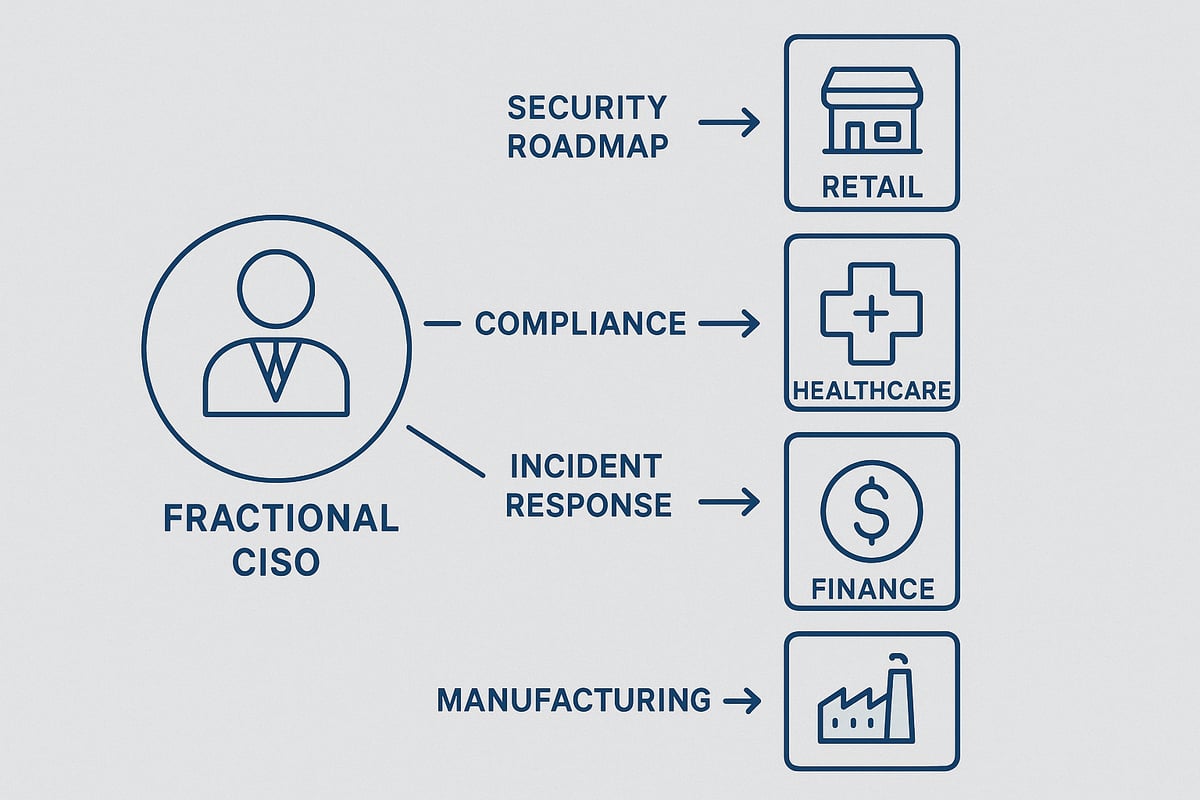
A fractional ciso is an experienced cybersecurity leader who works with organizations on a part-time or contract basis. This role covers core responsibilities like building security strategies, managing risk, and ensuring regulatory compliance. Unlike full-time CISOs, a fractional ciso offers flexibility and is often engaged for specific projects or during leadership transitions. Virtual CISOs may focus more on remote advisory, while fractional CISOs can provide hands-on involvement. For example, a mid-sized retailer might hire a fractional ciso to address security leadership gaps during a period of rapid growth. According to Gartner, over 40 percent of SMBs now consider part-time security leadership to meet evolving demands.
Key Benefits of Engaging a Fractional CISO
Engaging a fractional ciso delivers executive-level expertise without the expense of a full-time hire. Organizations benefit from flexible engagement models that adapt to changing needs, allowing for tailored solutions as risks and compliance requirements shift. Fractional CISOs can quickly respond to new threats, ensuring business resilience. Their external perspective brings objectivity, often leading to innovative solutions. For instance, companies report significant cost savings compared to traditional hiring. To explore more about the advantages, see the fractional technology leadership benefits offered by this model.
Common Challenges Solved by Fractional CISOs
A fractional ciso helps bridge the talent gap in cybersecurity leadership, a common challenge as demand for skilled experts grows. They align security initiatives with business objectives, making sure strategies support overall goals. Navigating complex regulations like GDPR and PCI DSS becomes manageable with their guidance. By optimizing resources, they reduce risk exposure without overextending staff. For example, a manufacturing firm achieved compliance and improved audit outcomes after engaging a fractional ciso to design and implement a robust security program.
Who Needs a Fractional CISO?
Organizations that need a fractional ciso often include SMBs, startups, and enterprises in transition. Key industries such as healthcare, finance, retail, and manufacturing benefit from this flexible model. If your business faces failed compliance audits, recent data breaches, or lacks in-house security leadership, a fractional ciso can provide the expertise needed to close these gaps.
To learn more and connect with a member of the CTO Input team, visit https://www.ctoinput.com.
Spend a few minutes exploring the rest of the articles on the CTO Input blog at https://blog.ctoinput.com
Core Responsibilities and Deliverables of a Fractional CISO
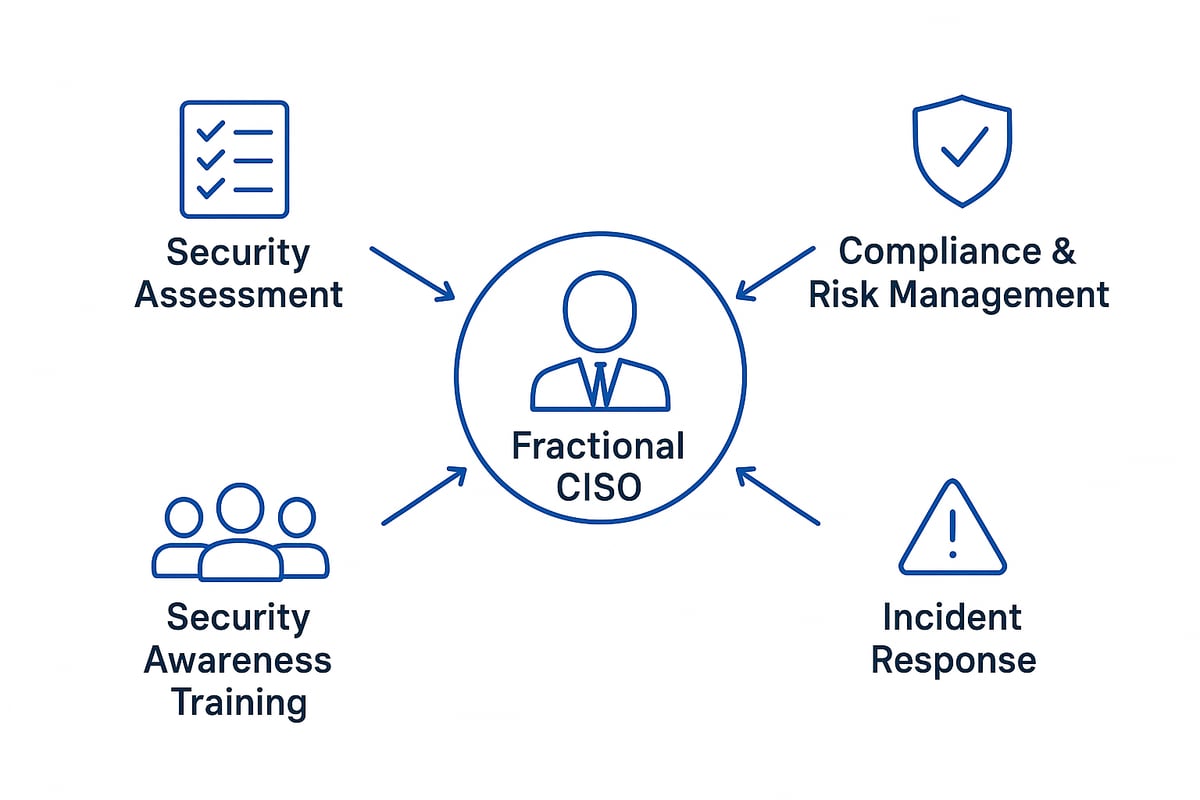
A fractional ciso brings high-level security expertise to organizations without the need for a full-time executive. Their responsibilities span technical, strategic, and cultural domains, ensuring businesses remain resilient against evolving threats. Let us explore the core areas where a fractional ciso drives measurable impact.
Security Program Assessment and Roadmap Development
A fractional ciso starts by evaluating your current security landscape. This involves conducting comprehensive gap analyses and risk assessments to uncover vulnerabilities and prioritize risks. Based on these findings, the fractional ciso develops a strategic cybersecurity roadmap, outlining actionable steps and timelines.
For example, a healthcare provider leveraging a fractional ciso can reduce vulnerabilities by focusing resources on the most critical areas first. This targeted approach ensures that security initiatives align with both business objectives and regulatory demands. By providing an outside perspective, the fractional ciso helps organizations avoid blind spots and accelerate progress.
Regulatory Compliance and Risk Management
Navigating complex regulatory environments is a primary responsibility for any fractional ciso. They ensure ongoing compliance with standards such as PCI DSS, HIPAA, and GDPR. By implementing risk management frameworks like NIST or ISO 27001, a fractional ciso streamlines audit readiness and documentation processes.
Non-compliance can cost organizations an average of $4M per breach. Engaging a fractional ciso helps businesses avoid these pitfalls while enhancing their overall security framework. For a deeper look at how these leaders manage compliance and risk, see Cybersecurity compliance and risk management. This expertise is vital for organizations facing regulatory scrutiny or rapid growth.
Security Awareness Training and Culture Building
A fractional ciso is instrumental in building a security-first culture. They design and deliver tailored security awareness training programs, ensuring every employee understands their role in protecting company assets. These programs are measured for effectiveness and regularly updated to address emerging threats.
For instance, a retail chain working with a fractional ciso saw phishing incidents drop by 60 percent. This outcome highlights the value of ongoing education and the importance of fostering cross-departmental collaboration. By empowering staff, the fractional ciso transforms security from a technical issue into a shared organizational priority.
Incident Response Planning and Oversight
Preparation and swift action are crucial when incidents occur. A fractional ciso develops and tests incident response plans, ensuring your organization is ready to act. During a breach, they coordinate with internal teams and external partners, managing communication and technical response.
After incidents, the fractional ciso leads post-event reviews, identifying lessons learned and updating processes for continuous improvement. This proactive approach reduces risk exposure and strengthens organizational resilience.
To learn more and connect with a member of the CTO Input team, visit https://www.ctoinput.com.
Spend a few minutes exploring the rest of the articles on the CTO Input blog at https://blog.ctoinput.com
Steps to Selecting and Engaging the Right Fractional CISO
Choosing the right fractional ciso is a pivotal decision for any organization aiming to strengthen its cybersecurity posture. Following a structured approach ensures you find a leader who fits your needs and delivers measurable results.
Step 1: Assess Your Organization's Security Needs
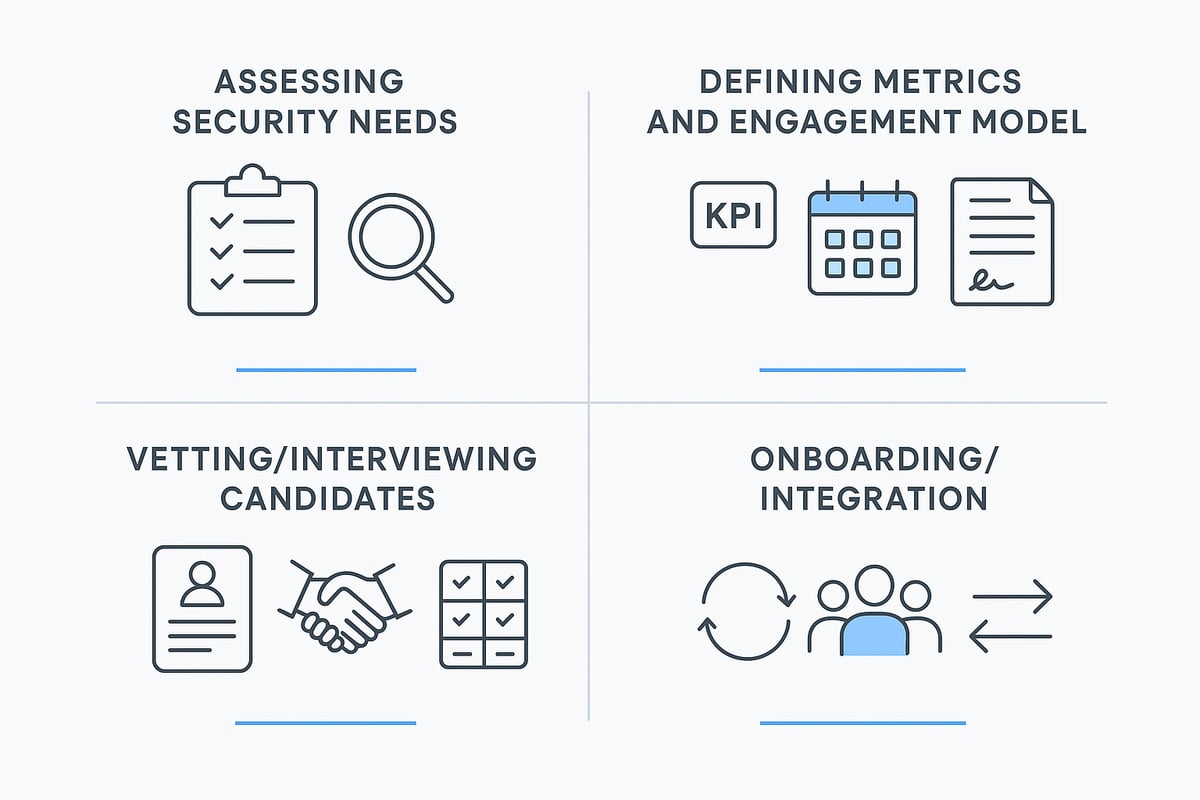
Start by evaluating your current security landscape. Review existing controls, recent incidents, and gaps in your defenses. Consider regulatory requirements and any industry-specific risks.
Identify business drivers such as rapid growth, new product launches, or recent security events. Determine whether you need short-term guidance or ongoing oversight from a fractional ciso.
For example, a tech startup experiencing rapid change may need a fractional ciso to address evolving threats and compliance obligations. This assessment clarifies the scope and priorities for your engagement.
Step 2: Define Success Metrics and Engagement Model
Clear objectives are essential when working with a fractional ciso. Set measurable KPIs such as reducing security incidents, achieving compliance milestones, or increasing employee security awareness.
Choose the right engagement model for your business. Options include monthly retainers, project-based contracts, or hybrid arrangements. Align these choices with your budget and timeline.
Engage key stakeholders to ensure everyone understands the goals and expectations. According to Forrester, organizations with defined metrics see improved outcomes, making this step crucial for maximizing the value of your fractional ciso partnership.
Step 3: Vet and Interview Fractional CISO Candidates
Due diligence is key when selecting a fractional ciso. Review candidates’ credentials, certifications, and relevant industry experience. Evaluate how well they communicate and whether they align with your company culture.
Ask for case studies and references to validate their expertise. Consider how their skills compare to other technology leaders—this CISO vs CIO leadership comparison can help clarify the unique strengths a fractional ciso brings.
A financial firm, for example, might prioritize candidates with fintech background and proven regulatory success. The right fit ensures both technical and strategic alignment.
Step 4: Onboarding and Integration
Smooth onboarding sets the stage for success. Establish communication protocols and reporting structures from day one. Integrate the fractional ciso with your existing IT and security teams.
Set clear timelines for deliverables and regular reviews. This approach fosters collaboration and helps your organization quickly realize the benefits of expert cybersecurity leadership.
To learn more and connect with a member of the CTO Input team, visit https://www.ctoinput.com.
Spend a few minutes exploring the rest of the articles on the CTO Input blog at https://blog.ctoinput.com
Implementing and Maximizing Value from a Fractional CISO Engagement
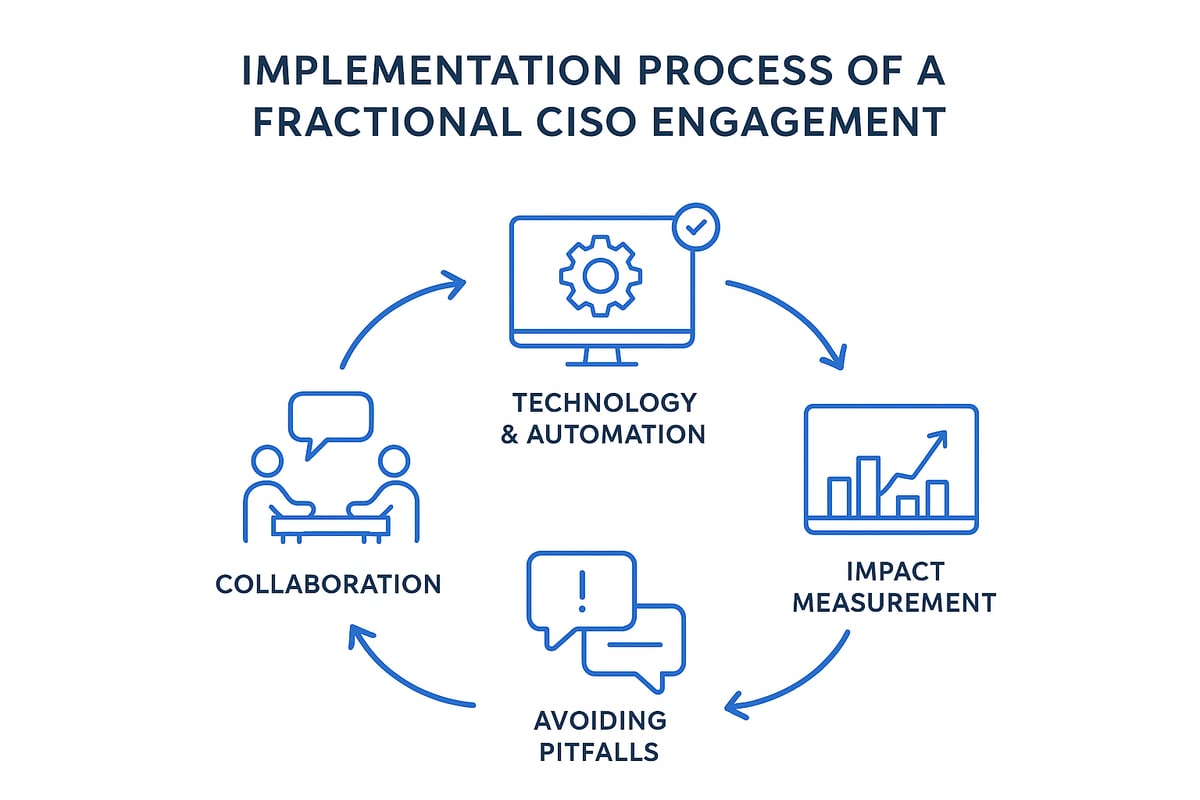
Building a Collaborative Security Partnership
Successful engagement with a fractional ciso starts with open communication. Establishing strong connections between the fractional ciso, IT teams, and business leaders ensures alignment on priorities. Regular check-ins, progress reviews, and transparent reporting help all stakeholders stay informed and engaged.
Encouraging knowledge transfer is essential. A fractional ciso should share best practices and facilitate upskilling for internal staff. This collaborative approach boosts resilience and empowers teams to handle security challenges effectively. For example, manufacturing companies often see improved cross-departmental coordination when their fractional ciso leads joint security initiatives.
By promoting collaboration, organizations can build trust and maximize the impact of their fractional ciso partnership.
Leveraging Technology and Automation
Fractional ciso leaders bring valuable expertise in selecting and deploying advanced security tools. Leveraging automation can streamline compliance activities, accelerate incident detection, and reduce manual workload across IT and security operations.
The growing investment in cybersecurity, as seen in Cybersecurity spending to hit $213 billion, underscores the importance of having a fractional ciso to guide technology decisions. Automated solutions not only enhance threat response but also allow organizations to scale security measures efficiently.
Integrating cloud security, endpoint protection, and real-time monitoring enables a proactive defense posture. With a fractional ciso, businesses can adopt the right mix of tools and automation to stay ahead of evolving threats.
Measuring Impact and Continuous Improvement
To ensure ongoing value, organizations must measure the impact of their fractional ciso engagement. Tracking key performance indicators like incident rates, compliance status, and employee awareness provides a clear view of progress. Regular reviews help identify areas for improvement and adapt strategies as needed.
Executive teams benefit from enhanced visibility, and resources like Board-level cyber risk clarity support effective reporting and governance. Benchmarking against industry standards ensures that the security program remains competitive.
A culture of continuous improvement, driven by the fractional ciso, keeps security initiatives aligned with business objectives and regulatory demands.
Avoiding Common Pitfalls
Organizations must clearly communicate goals and expectations with their fractional ciso. Over-reliance on external leadership can hinder internal growth, so it is vital to maintain executive sponsorship and stakeholder buy-in.
Common pitfalls include lack of defined responsibilities or insufficient integration with internal teams. By addressing these challenges proactively, businesses can maximize the value of their fractional ciso engagement and foster long-term security maturity.
To learn more and connect with a member of the CTO Input team, visit https://www.ctoinput.com.
Spend a few minutes exploring the rest of the articles on the CTO Input blog at https://blog.ctoinput.com
Future Trends and Evolving Demands on Fractional CISOs
As organizations adapt to a shifting threat landscape, the role of the fractional ciso continues to evolve. New business demands, technological innovation, and regulatory pressures are reshaping how security leaders operate. Understanding these future trends is essential for businesses aiming to stay resilient and proactive in their cybersecurity approach.
The Expanding Role of the Fractional CISO
The fractional ciso is no longer limited to managing traditional IT security. Today, their responsibilities often extend to privacy management, data governance, and even overseeing supply chain security. As digital transformation accelerates, fractional CISOs are expected to integrate security with business continuity planning and broader risk management strategies.
For example, a retailer might rely on a fractional ciso to assess and mitigate third-party risks while enabling rapid digital innovation. This expanded scope requires both technical expertise and a holistic understanding of organizational priorities. The ability to adapt to these new demands is what sets modern fractional CISOs apart.
Emerging Technologies and Threats
Emerging technologies, such as artificial intelligence and cloud-native architectures, are changing the threat landscape at an unprecedented pace. The fractional ciso must anticipate and defend against AI-driven attacks, while also leveraging AI for adaptive security controls. Cloud adoption, IoT, and operational technology introduce new vulnerabilities that require specialized oversight.
Staying ahead means continuously evaluating tools and defenses. As highlighted in AI’s impact on cyber threats and defenses, security leadership must remain agile, embracing technologies that can both disrupt and protect. The fractional ciso is uniquely positioned to guide organizations through these rapid changes.
Regulatory Shifts and Globalization
Globalization and evolving data privacy regulations are increasing the complexity of compliance. The fractional ciso must keep pace with new laws, such as updated privacy frameworks and cross-border data requirements. These changes demand a proactive approach to policy and process, ensuring the organization remains audit-ready.
Industry standards are also shifting, with regulators and customers expecting higher transparency and accountability. A fractional ciso provides the expertise to interpret these changes, implement controls, and foster a culture of compliance. Their adaptability is key for navigating a globalized regulatory environment.
Building the Next Generation of Security Leadership
Developing a strong internal talent pipeline is critical for long-term resilience. The fractional ciso often plays a mentoring role, helping to identify and nurture future security leaders within the organization. Succession planning, knowledge transfer, and hands-on coaching ensure that security expertise is embedded across teams.
By investing in people, the fractional ciso supports not just immediate risk reduction, but also the growth of a robust security culture. This forward-looking approach positions organizations to face future challenges with confidence and agility.
To learn more and connect with a member of the CTO Input team, visit https://www.ctoinput.com.
Spend a few minutes exploring the rest of the articles on the CTO Input blog at https://blog.ctoinput.com
As you’ve seen throughout this guide, having the right cybersecurity leadership is vital for protecting your organization and enabling growth—especially as threats evolve and regulations tighten. If you’re ready to transform technology from a pain point into a business advantage but aren’t sure where to begin, let’s take the next step together. We’ll help you clarify your goals, identify gaps, and build a clear action plan that aligns security with your broader strategy. Take the first step toward confidence and clarity—Schedule A Strategy Call today.