business technology alignment

A CEO mediates between a technology leader and finance leader across a red bridge.

When a CTO CFO Conflict Gets Stuck: The CEO’s Next Move

A CTO CFO conflict is rarely about whether technology matters. It is usually about what the business can afford to do now, what it cannot afford to delay, and who carries the downside if the choice goes wrong. The CTO sees capacity, reliability, customer friction, technical debt, and security exposure. The CFO sees cash, forecast […]

When a CTO CFO Conflict Gets Stuck: The CEO’s Next Move Read More »

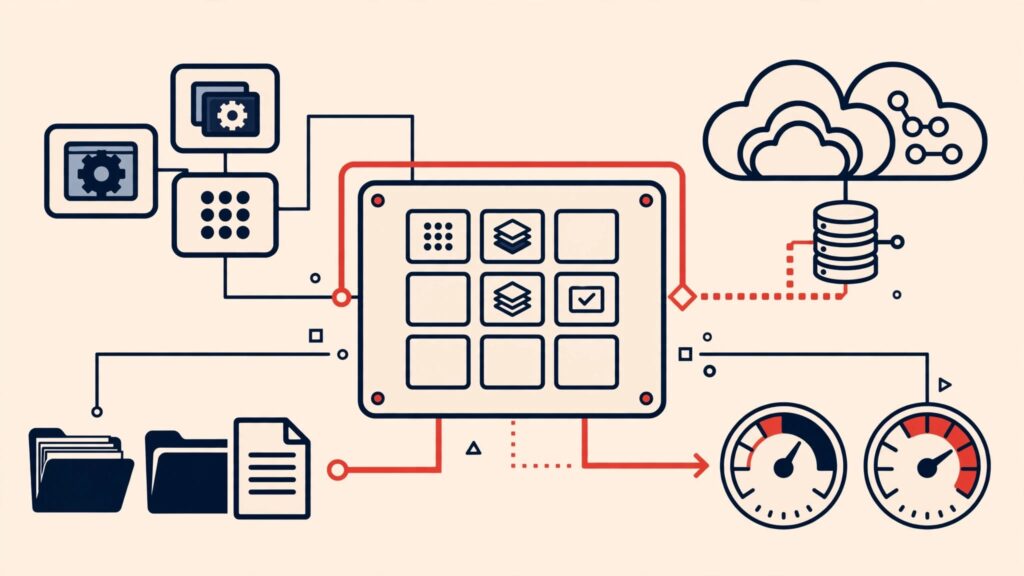
A central board links software tiles, cloud folders, contracts, and cost gauges with red priority accents.

Application Portfolio Review Before Budget Season

Budget season exposes every technology decision you have avoided. Costs rise, renewal dates arrive, and leaders need a portfolio review before budgets lock. A focused application portfolio assessment gives you a clearer answer and connects technology costs to business goals. This is about enterprise software, not a creative portfolio. You’re reviewing a digital portfolio of

Application Portfolio Review Before Budget Season Read More »

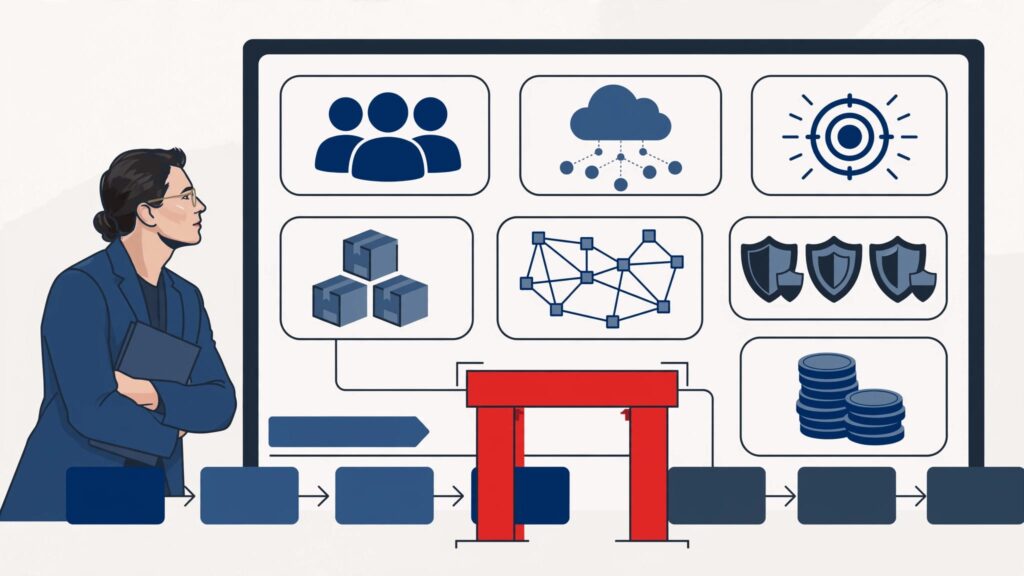
A professional reviews a planning board with colored technology capacity blocks and a red approval gate.

How COOs Set Technology Capacity Before New Projects

A project can look sensible in isolation and still be wrong for the quarter. If people, systems, vendors, or leadership attention are already committed, approval creates another promise the business may not keep. Technology capacity planning shows whether an initiative supports the company’s business objectives and can be delivered safely. It weighs people, systems, vendors,

How COOs Set Technology Capacity Before New Projects Read More »

A suited business leader connects technology nodes to a rising profit graph.

How PE operating partners turn technology into EBITDA

Technology rarely turns into EBITDA simply because a business buys a better platform. PE operating partners create value when they connect technology to a business problem, an accountable initiative, a measurable outcome, and a deadline. Your portfolio company may be growing, but growth often exposes weak systems, tool sprawl, unclear ownership, rising cyber risk, and

How PE operating partners turn technology into EBITDA Read More »

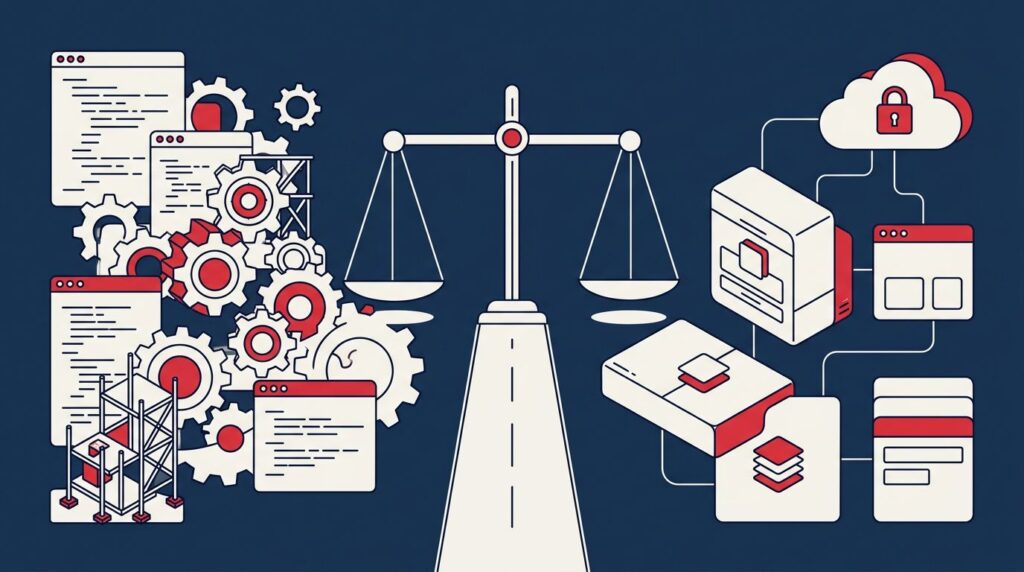
A balance scale compares custom code modules with connected cloud software blocks.

Build vs Buy Software: A CEO Framework for the Right Call

Most build vs buy software debates start with the wrong question: “Can we build this?” The better question is whether the capability should become part of your business, or whether you should rent it from someone else. A build vs buy software decision affects cash, speed, risk, engineering capacity, vendor dependence, and your ability to

Build vs Buy Software: A CEO Framework for the Right Call Read More »

A glowing trust meter surrounded by business risk and operations indicators.

How to Measure Trust Debt: Five Quarterly CFO Indicators

A CFO can see a budget variance quickly. It takes longer to see whether leadership still trusts the technology story. Trust debt is the accumulated cost of missed commitments, unclear ownership, weak reporting, unresolved risk, and decisions that keep getting reopened. If you want to know how to measure trust debt, start with operating evidence,

How to Measure Trust Debt: Five Quarterly CFO Indicators Read More »

An illustration comparing a software developer coding to an executive shaking hands with a vendor.

Build vs Buy AI Solution Decision Framework for Leaders

AI promises faster work and lower costs. A rushed decision can leave you with privacy risk, vendor lock-in, wasted spend, or a system nobody trusts. Your build vs buy AI solution decision framework is not only an engineering question. It is a business decision about speed, control, data, risk, ownership, and enterprise AI adoption. If

Build vs Buy AI Solution Decision Framework for Leaders Read More »